Global Bitumen Market 2025: Complete Industry Guide, Price Analysis & Future Outlook
What is Bitumen? Understanding the Basics
Bitumen, also known as asphalt in North America, is a viscous, black, and highly adhesive petroleum product that serves as a crucial binding agent in construction and industrial applications. This hydrocarbon-based material is produced as a residue during the distillation process of crude oil at refineries worldwide.
The global bitumen market has experienced significant growth, driven by increasing infrastructure development, urbanization, and road construction projects across emerging economies. As countries invest heavily in transportation networks, smart cities, and climate-resilient infrastructure, bitumen demand continues to surge.
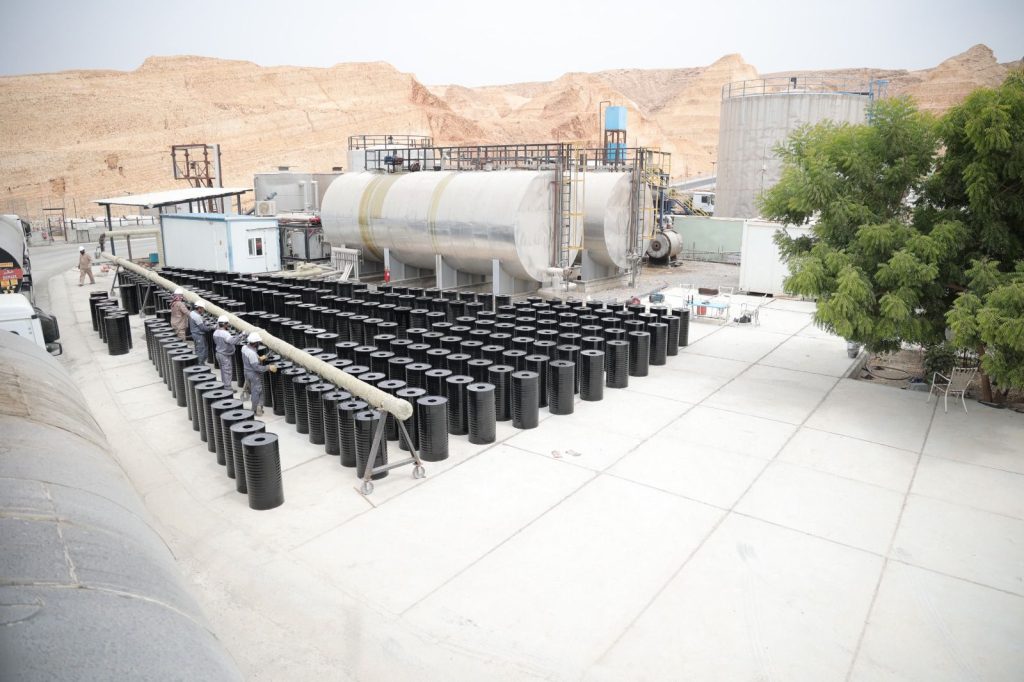
Key Characteristics of Bitumen:
- Viscosity: Temperature-dependent flow properties
- Adhesion: Strong binding capabilities with aggregates
- Durability: Weather and load resistance
- Waterproofing: Excellent moisture barrier properties
- Flexibility: Adapts to temperature variations
Types and Grades of Bitumen Explained
Understanding bitumen grades is essential for selecting the right product for specific applications and climatic conditions. The classification system varies globally, but the most common grading methods include:
1. Penetration Grade Bitumen
This traditional grading system measures the hardness of bitumen at 25°C using a penetration test.
- 40/50: Hard grade for heavy traffic and hot climates
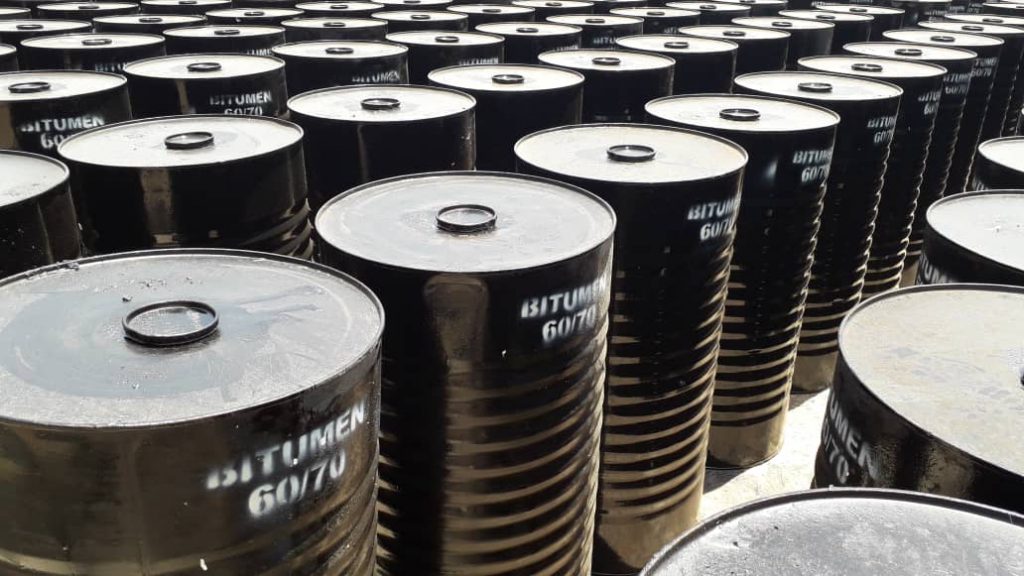
- 60/70: Medium grade for moderate traffic and temperatures
- 80/100: Soft grade for light traffic and cold climates
- 85/100: Softer grade for very cold regions
2. Viscosity Grade (VG) Bitumen
Developed in India, this system measures viscosity at 60°C, providing better performance prediction.
Popular VG Grades:
- VG10: Suitable for spraying applications
- VG30: Most common grade for road construction
- VG40: For heavy-duty pavements and high temperatures
3. Performance Grade (PG) Bitumen
The Strategic Highway Research Program (SHRP) developed this system based on climate conditions.
PG Classification Examples:
- PG 64-22: Suitable for climates with max 64°C and min -22°C
- PG 76-10: For hot climates with moderate winters
4. Specialty Bitumen Types
Cutback Bitumen: Mixed with solvents for easier application
- RC (Rapid Curing)
- MC (Medium Curing)
- SC (Slow Curing)
Emulsified Bitumen: Water-based for cold applications
- Anionic emulsions
- Cationic emulsions
Polymer Modified Bitumen (PMB): Enhanced with polymers
- SBS (Styrene-Butadiene-Styrene) modified
- EVA (Ethylene Vinyl Acetate) modified
Oxidized Bitumen: Air-blown for waterproofing
- Industrial applications
- Roofing membranes

Global Bitumen Applications and Uses
The versatility of bitumen makes it indispensable across multiple industries, with road construction dominating global consumption.
1. Road Construction (80% of Global Demand)
Hot Mix Asphalt (HMA)
- Highway construction
- Airport runways
- Heavy-duty pavements
Surface Treatments
- Chip seals
- Slurry seals
- Micro surfacing
Maintenance Applications
- Crack sealing
- Pothole repair
- Overlay construction
2. Waterproofing and Roofing (15% of Demand)
Building Applications
- Membrane waterproofing
- Basement protection
- Roof installations
Industrial Uses
- Tank lining
- Pipeline coating
- Bridge deck waterproofing
3. Other Industrial Applications (5% of Demand)
Insulation Products
- Building insulation
- Pipe wrapping
- Electrical applications
Adhesives and Sealants
- Construction adhesives
- Automotive applications
- Marine sealants

Current Market Price Trends and Analysis
Bitumen pricing is influenced by multiple factors, creating a complex and volatile market environment. Understanding these dynamics is crucial for industry stakeholders.
Primary Price Drivers
1. Crude Oil Prices As a petroleum derivative, bitumen prices closely correlate with crude oil fluctuations. A $10 increase in crude oil typically results in a $30-50 increase in bitumen prices per metric ton.
2. Refinery Margins Refinery capacity, maintenance schedules, and operational efficiency directly impact bitumen availability and pricing.
3. Seasonal Demand Patterns
- Peak Season: March-October (Northern Hemisphere construction season)
- Low Season: November-February (reduced construction activity)
4. Transportation Costs
- Ocean freight rates
- Container availability
- Port congestion
Price Forecast 2025
Industry analysts predict bitumen prices will stabilize in the $400-500/MT range, influenced by:
- Moderate crude oil prices ($70-85/barrel)
- Increased refinery capacity
- Improved supply chain efficiency
- Growing demand from infrastructure projects
Major Bitumen Exporting Countries
The global bitumen trade is dominated by oil-producing nations with significant refining capacity. Understanding the major suppliers helps buyers make informed sourcing decisions.
Top Bitumen Exporters (2024 Data)
1. Iran
- Annual Exports: 8-10 million MT
- Key Grades: 60/70, 80/100, VG30
- Main Destinations: India, East Africa, UAE, China
- Advantages: Competitive pricing, consistent quality
- Challenges: Sanctions, payment restrictions
2. United Arab Emirates
- Annual Exports: 4-5 million MT
- Key Grades: VG30, VG40, PMB
- Main Destinations: Africa, Southeast Asia, India
- Advantages: Strategic location, reliable supply
- Hub: Jebel Ali Free Zone
3. India
- Annual Exports: 3-4 million MT
- Key Grades: VG10, VG30, VG40
- Main Destinations: Nepal, Bangladesh, Sri Lanka, Africa
- Major Suppliers: IOCL, BPCL, HPCL
- Growth: Expanding export capacity
4. Singapore
- Annual Exports: 2-3 million MT
- Key Grades: Performance grades, specialty bitumen
- Main Destinations: Southeast Asia, Australia, China
- Advantages: Advanced technology, quality assurance
- Premium: Higher prices for superior quality
5. South Korea
- Annual Exports: 2-2.5 million MT
- Key Grades: 60/70, PMB, specialty products
- Main Destinations: Japan, Southeast Asia, Middle East
- Strength: Technical expertise, innovation
Emerging Exporters
Turkey
- Growing export presence in Europe and Mediterranean
- Grades: 50/70, 70/100
- Strategic location for regional distribution
Greece
- Focus on Mediterranean and North African markets
- Specialty in marine-grade bitumen
- Strong logistics network
Russia
- Significant domestic production
- Export growth potential post-sanctions
- Competitive pricing advantage

Regional Market Analysis
East Africa: Infrastructure Boom Drives Demand
Market Overview East Africa represents one of the fastest-growing bitumen markets globally, driven by massive infrastructure investments and regional integration projects.
Key Markets:
- Annual Demand: 200,000-250,000 MT
- Major Projects: Nairobi-Mombasa Highway, LAPSSET Corridor
- Key Buyers: KeNHA, County Governments, Private Contractors
- Preferred Grades: 80/100, 60/70
- Import Hub: Mombasa Port
- Annual Demand: 180,000-220,000 MT
- Growth Drivers: Standard Gauge Railway, Port Development
- Import Points: Dar es Salaam, Mtwara
- Quality Requirements: ASTM/BS standards
- Annual Demand: 120,000-150,000 MT
- Infrastructure Focus: Oil pipeline, road upgrades
- Import Route: Via Mombasa/Dar es Salaam
- Payment Terms: LC/CAD preferred
- Annual Demand: 300,000-350,000 MT
- Growth: Industrial parks, GERD project
- Challenges: Foreign exchange shortages
- Opportunities: Regional hub development

Middle East: Mature Market with Premium Demand
United Arab Emirates
- Dual role as exporter and consumer
- Focus on high-performance grades
- Major projects: Expo legacy infrastructure
- Quality standards: ASTM, BS, AASHTO
Oman
- National development programs drive demand
- Highway network expansion
- Preferred suppliers: UAE, India
- Payment: LC/TT terms
- Reconstruction market potential
- Infrastructure rebuilding needs
- Security and payment challenges
- Opportunity for long-term partnerships
Southeast Asia: Seasonal Demand Patterns
- Annual Demand: 800,000-1,000,000 MT
- Peak Season: March-September
- Major Buyers: VEC, Provincial Transport Departments
- Quality Focus: Tropical climate grades
- Large domestic market
- Island distribution challenges
- Growing demand from outer islands
- Environmental compliance requirements
- Infrastructure development under “Build, Build, Build”
- Island nation logistics complexity
- Quality specifications: DPWH standards
- Growing demand for PMB
South Asia: Production and Consumption Hub
- World’s largest bitumen consumer
- Strong domestic production capacity
- Export potential to neighboring countries
- Technology advancement in PMB and WMA
- Mega infrastructure projects
- Padma Bridge, expressway development
- Import dependency on India and Middle East
- Quality certification requirements
- Post-conflict reconstruction
- Highway development programs
- Import challenges due to forex crisis
- Opportunity for supplier financing

Europe: Sustainability and Innovation Focus
Market Characteristics:
- Advanced recycling practices
- Environmental regulations
- Innovation in bio-bitumen
- Premium pricing for sustainable products
Key Trends:
- Warm Mix Asphalt adoption
- RAP (Recycled Asphalt Pavement) utilization
- Carbon footprint reduction initiatives
- Smart road technologies
West Africa: Import-Dependent Markets
Ghana
- Annual Demand: 150,000-180,000 MT
- Infrastructure gap closure
- Port congestion challenges
- Payment terms: LC preferred
Nigeria
- Largest African consumer
- Refinery capacity limitations
- Import dependency despite oil production
- Quality control improvements needed
Senegal
- Regional infrastructure hub
- Dakar port advantages
- French technical standards
- PPP project opportunities

Supply Chain and Logistics
Efficient supply chain management is critical in the global bitumen trade, given the product’s temperature-sensitive nature and bulk handling requirements.
Packaging Options
1. New Steel Drums (150-180 kg)
- Advantages: Suitable for remote areas, easy handling
- Disadvantages: Higher cost per MT, environmental concerns
- Best For: Small volumes, difficult access areas
- Markets: West Africa, island nations
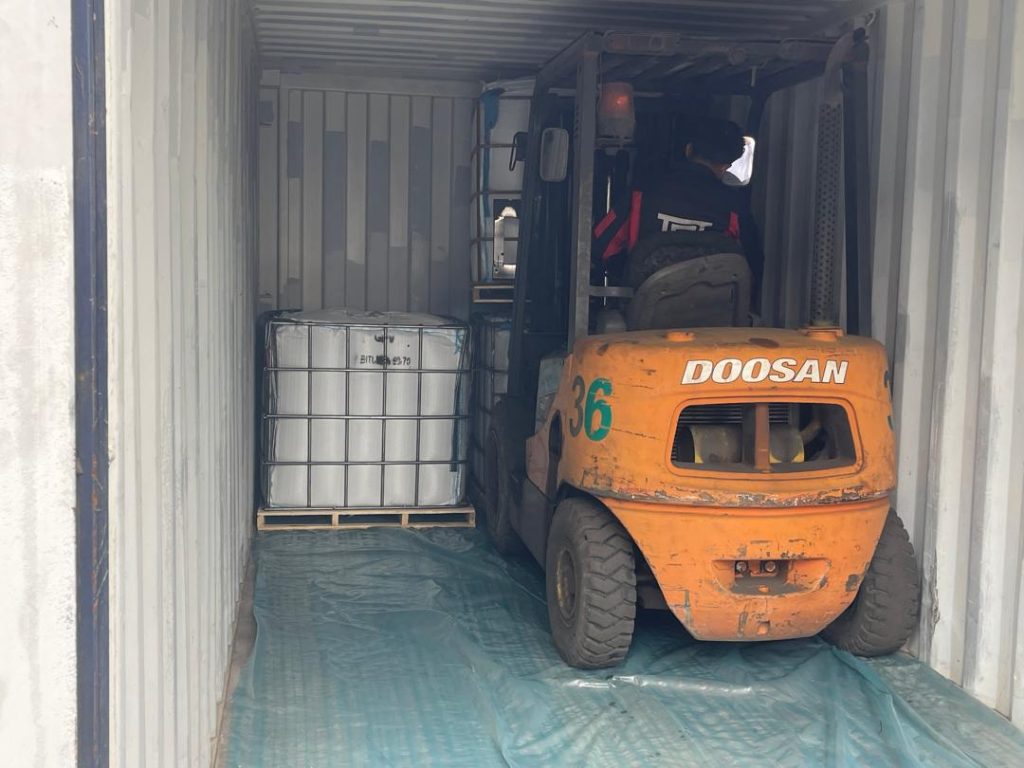
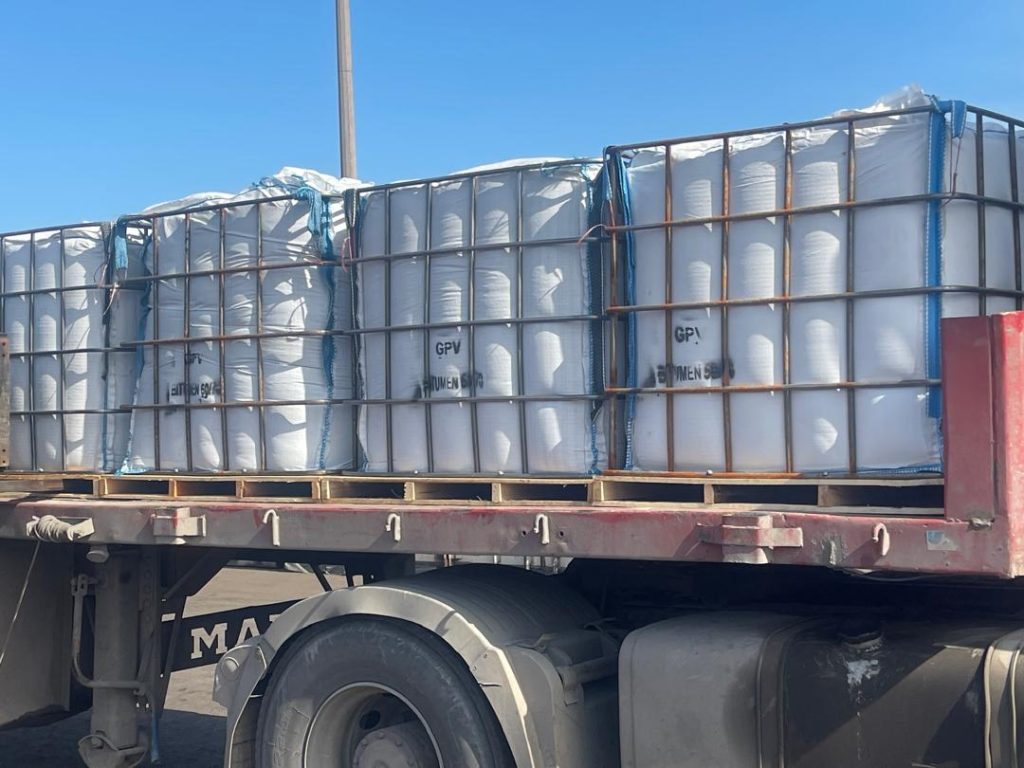
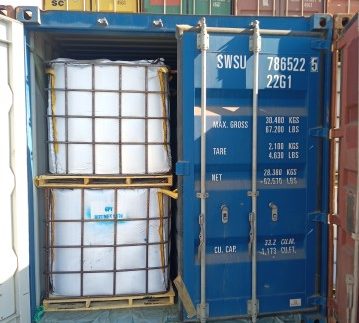
2. Jumbo Bags (1 MT)
- Advantages: Cost-effective, easier storage
- Disadvantages: Requires heating facilities
- Best For: Medium volumes, regular supply
- Growing Popularity: Southeast Asia, East Africa
3. Bulk Shipments
- Advantages: Lowest cost, large volumes
- Disadvantages: Requires specialized terminals
- Best For: High-volume consumers
- Infrastructure: Limited to major ports
4. Bitutainers/Flexitanks
- Advantages: Food-grade containers, efficient
- Disadvantages: One-way usage, disposal costs
- Innovation: Growing acceptance
- Sustainability: Recyclable options available
Transportation Modes
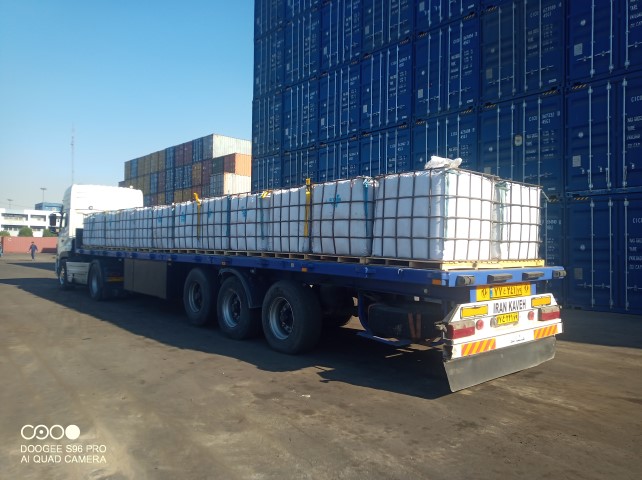
Ocean Freight
- Dominant mode for international trade
- Container shortages impact pricing
- Route optimization for cost efficiency
- Seasonal rate fluctuations
Road Transport
- Last-mile delivery
- Heated tankers for bulk
- Cross-border challenges
- Regional trade corridors
Rail Transport
- Growing importance in large countries
- Cost advantages for long distances
- Infrastructure development needs
- Environmental benefits

Logistics Challenges
Port Congestion
- Major delays in developing countries
- Demurrage cost implications
- Planning buffer time requirements
- Alternative port strategies
Container Shortages
- Post-pandemic supply chain disruptions
- Priority for high-value cargo
- Impact on delivery schedules
- Alternative packaging solutions
Quality Control
- Temperature management during transport
- Contamination prevention
- Testing and certification
- Traceability requirements
Documentation and Compliance
- Complex international regulations
- Origin certification requirements
- Quality certificates
- Environmental compliance
Technological Innovations in Bitumen
The bitumen industry is experiencing significant technological advancement, driven by performance requirements, environmental concerns, and cost optimization needs.
Advanced Bitumen Modifications
1. Polymer Modified Bitumen (PMB)
- SBS Modification: Improved elasticity and aging resistance
- EVA Enhancement: Better high-temperature performance
- Applications: Heavy traffic roads, extreme climate conditions
- Market Growth: 15-20% annually in premium segments
2. Nano-Modified Bitumen
- Carbon Nanotubes: Enhanced durability and strength
- Nano-Clay: Improved aging resistance
- Nano-Silica: Better moisture resistance
- Future Potential: Revolutionary performance improvements
3. Crumb Rubber Modified (CRM) Bitumen
- Waste Tire Utilization: Environmental benefits
- Performance: Noise reduction, improved durability
- Challenges: Processing complexity, cost
- Adoption: Growing in developed markets
Production Innovations
Warm Mix Asphalt (WMA) Technology
- Temperature Reduction: 20-40°C lower than HMA
- Energy Savings: 20-35% reduction in fuel consumption
- Environmental Benefits: Lower emissions
- Market Adoption: Mandatory in some European countries
Cold Mix Applications
- Emulsion Technology: Room temperature application
- Rapid Repair: Quick pothole fixing
- Rural Roads: Cost-effective solutions
- Growing Markets: Developing countries
Foamed Bitumen Technology
- Water Injection: Creates temporary foam
- Better Coating: Improved aggregate binding
- Recycling: Excellent for RAP incorporation
- Economic Benefits: Lower material costs
Digital Technologies
Quality Monitoring Systems
- Real-time Testing: Automated quality control
- IoT Sensors: Temperature and viscosity monitoring
- Data Analytics: Predictive maintenance
- Blockchain: Supply chain traceability
Smart Road Technologies
- Self-healing Asphalt: Microencapsulated rejuvenators
- Conductive Asphalt: Electric vehicle charging roads
- Photovoltaic Integration: Solar panel incorporation
- IoT Embedded: Traffic and weather monitoring

Ecological Impact and Sustainability
Environmental considerations are increasingly shaping the global bitumen market, driving innovation and regulatory compliance.
Environmental Challenges
1. Carbon Footprint
- Production Emissions: Refinery CO₂ output
- Transportation: Logistics carbon impact
- Application: Hot mix asphalt emissions
- Lifecycle: Total environmental impact
2. Waste Generation
- Packaging Waste: Drum disposal issues
- Road Maintenance: Milling waste
- End-of-Life: Pavement disposal
- Ocean Pollution: Shipping-related impacts

Sustainable Solutions
1. Recycled Asphalt Pavement (RAP)
- Utilization Rates: Up to 50% in new mixes
- Cost Benefits: 20-30% material cost reduction
- Environmental Impact: Significant CO₂ reduction
- Quality: Maintained performance standards
2. Bio-Bitumen Development
- Lignin-Based: Paper industry byproduct utilization
- Algae-Derived: Renewable feedstock
- Waste Oil: Circular economy principles
- Performance: Comparable to petroleum bitumen
3. Green Certification Programs
- LEED Credits: Sustainable construction points
- Carbon Neutral: Offset programs
- ESG Compliance: Corporate responsibility
- Green Bonds: Sustainable financing

Regulatory Landscape
European Union
- Strict emission standards
- Recycling mandates
- Green Deal initiatives
- Carbon border adjustments
United States
- EPA regulations
- State-level requirements
- FHWA sustainability guidelines
- Green infrastructure incentives
Developing Countries
- Emerging environmental standards
- International funding requirements
- Technology transfer programs
- Capacity building needs
Future Market Outlook 2025-2030
The global bitumen market is poised for significant growth, driven by infrastructure development, technological innovation, and sustainability initiatives.
Market Size Projections
Global Market Value:
- 2024: $65 billion
- 2027: $75 billion
- 2030: $85 billion
- CAGR: 4.5-5.5%
Volume Growth:
- 2024: 105 million MT
- 2030: 130 million MT
- Annual Growth: 3.5-4.0%
Growth Drivers
1. Infrastructure Investment
- Belt and Road Initiative: $1 trillion Chinese investment
- India’s National Infrastructure Pipeline: $1.4 trillion
- African Continental Free Trade Area: Transportation corridors
- ASEAN Connectivity: Regional integration projects
2. Urbanization Trends
- Global Urban Population: 68% by 2050
- Smart Cities: Technology-integrated infrastructure
- Sustainable Transport: Public transit expansion
- Climate Resilience: Adaptive infrastructure
3. Technology Adoption
- Advanced Materials: Performance improvement
- Digital Construction: Efficiency gains
- Automation: Cost reduction
- Sustainability: Environmental compliance
Regional Growth Forecasts
Asia-Pacific: Highest Growth
- CAGR: 6-7%
- Drivers: Infrastructure boom, urbanization
- Key Markets: India, China, Southeast Asia
- Challenges: Environmental regulations
Africa: Emerging Opportunity
- CAGR: 5-6%
- Drivers: Infrastructure gap, population growth
- Opportunities: Regional integration projects
- Challenges: Financing, political stability
Middle East: Steady Demand
- CAGR: 3-4%
- Drivers: Diversification projects, maintenance
- Innovation: High-performance applications
- Sustainability: Green building initiatives
Europe: Mature but Evolving
- CAGR: 2-3%
- Drivers: Infrastructure maintenance, sustainability
- Innovation: Bio-bitumen, recycling
- Regulations: Strict environmental standards
Market Challenges and Opportunities
Challenges:
- Raw Material Price Volatility: Oil price fluctuations
- Environmental Regulations: Compliance costs
- Supply Chain Disruptions: Global logistics issues
- Quality Standardization: Regional variations
- Payment Risks: Emerging market challenges
Opportunities:
- Technology Innovation: Advanced materials development
- Sustainability Focus: Green product demand
- Infrastructure Investment: Government spending
- Regional Trade: Free trade agreements
- Digital Transformation: Industry 4.0 adoption
Investment Themes
1. Sustainable Technology
- Bio-bitumen development
- Recycling capabilities
- Carbon capture initiatives
- Green certification programs
2. Regional Expansion
- Emerging market presence
- Local production facilities
- Distribution networks
- Technical service centers
3. Digital Integration
- IoT monitoring systems
- Blockchain traceability
- AI-powered quality control
- Predictive analytics
4. Strategic Partnerships
- Technology collaboration
- Supply chain optimization
- Risk mitigation
- Market access
Conclusion
The global bitumen market stands at a pivotal moment, characterized by robust demand growth, technological innovation, and increasing sustainability focus. As infrastructure development accelerates worldwide, particularly in emerging economies, bitumen remains an indispensable material for transportation networks, urbanization projects, and industrial applications.
Key success factors for market participants include:
- Quality Assurance: Consistent product standards and certification
- Supply Chain Excellence: Reliable logistics and competitive pricing
- Technology Adoption: Advanced materials and sustainable solutions
- Regional Expertise: Local market knowledge and relationships
- Financial Flexibility: Risk management and payment solutions
The industry’s future will be shaped by the balance between meeting growing infrastructure needs and addressing environmental challenges. Companies that successfully navigate this transition while maintaining operational excellence will capture the most significant opportunities in this expanding market.
About Gulf Petro Vision: Your Trusted Bitumen Partner
Gulf Petro Vision stands as a premier global supplier of high-quality bitumen products, serving diverse markets across Africa, Asia, and the Middle East. With over a decade of industry expertise, we have established ourselves as a reliable partner for infrastructure development projects worldwide.
Our Comprehensive Product Portfolio:
Penetration Grades:
- 40/50, 60/70, 80/100, 85/100
- Climate-specific formulations
- Certified quality standards
Viscosity Grades:
- VG10, VG30, VG40
- Indian standard compliance
- Performance-tested formulations
Specialty Products:
- Polymer Modified Bitumen (PMB)
- Cutback and Emulsified Bitumen
- Oxidized Bitumen for industrial applications
Global Logistics Excellence:
Flexible Packaging Options:
- New steel drums (150-180 kg)
- Jumbo bags (1 MT)
- Bulk shipments via specialized tankers
- Bitutainers for long-distance shipping
Strategic Shipping Networks:
- East Africa: Mombasa, Dar es Salaam, Djibouti
- West Africa: Lagos, Tema, Dakar
- Southeast Asia: Singapore, Ho Chi Minh City, Jakarta
- Middle East: Jebel Ali, Muscat, Aqaba
Value-Added Services:
Technical Support:
- Grade selection consultation
- Climate-specific recommendations
- Quality assurance programs
- Application training
Financial Solutions:
- Flexible payment terms
- Trade finance assistance
- Risk mitigation programs
- Competitive pricing structures
Supply Chain Management:
- Just-in-time delivery
- Inventory management
- Port handling coordination
- Documentation support
Quality Commitment:
All Gulf Petro Vision products meet international standards including ASTM, BS, AASHTO, and regional specifications. Our quality control processes ensure consistent performance and customer satisfaction across all markets.