Malaysia’s 2025 Bitumen Surge: Can Local Refineries Meet Booming Infrastructure Demand?
Introduction: Malaysia’s Bitumen Market at a Crossroads
Malaysia is experiencing an unprecedented infrastructure boom in 2025, with highway expansions, urban development projects, and preparations for major international events driving extraordinary demand for bitumen. As the backbone of road construction and numerous waterproofing applications, bitumen consumption is projected to reach record levels this year. However, this surge raises critical questions about domestic production capacity, import dependencies, and supply chain resilience in a competitive regional landscape.
This comprehensive analysis examines Malaysia’s current bitumen market dynamics, the factors driving explosive demand growth, and whether local refineries can rise to meet these challenges in a sustainable manner.
Key Takeaways
- Malaysia’s bitumen demand projected to grow 18-22% in 2025 compared to 2024
- Government’s RM85 billion infrastructure initiative driving unprecedented consumption
- Domestic refinery capacity currently operating at 85-90% utilization
- Supply gap of approximately 350,000-400,000 metric tons anticipated for 2025
- Strategic investments in refinery upgrades and logistics needed to meet long-term demand
Malaysia’s Booming Bitumen Demand in 2025
Infrastructure Investment Driving Consumption
Malaysia’s government has committed to an ambitious RM85 billion (approximately USD 19.5 billion) infrastructure development program for 2025-2027, with over 40% of funds allocated for year one implementation. This program represents the largest infrastructure investment in the nation’s history, focusing on transportation networks, urban development, and preparations for hosting several major international events in 2026.
Key projects fueling bitumen demand include:
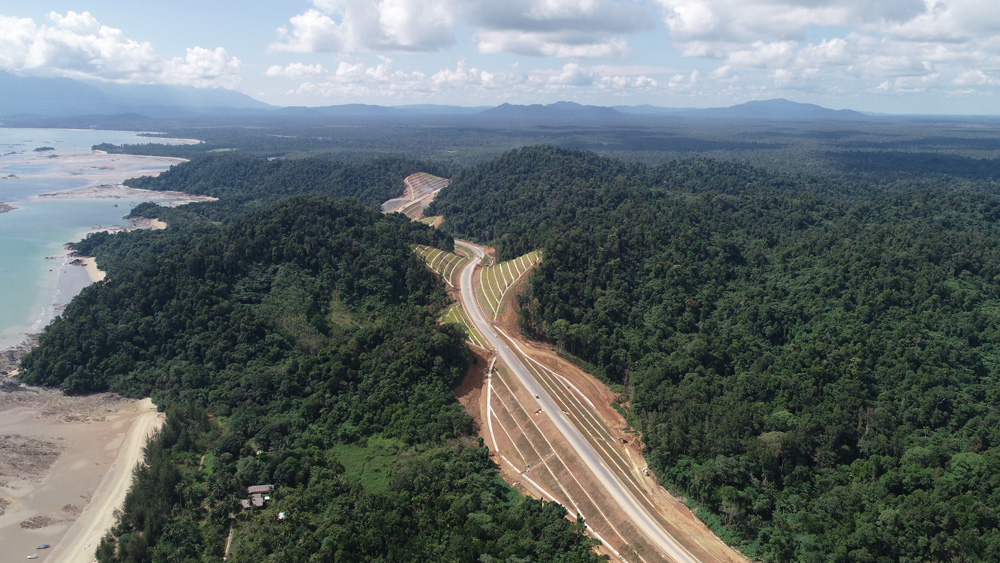
- Pan Borneo Highway Extensions – The continued development of this massive project connecting Sabah and Sarawak requires substantial bitumen volumes throughout 2025
- Central Spine Road Acceleration – Fast-tracked development connecting Pahang and Kelantan
- Greater Kuala Lumpur Transportation Master Plan – Multiple highway and roadway expansions
- East Coast Rail Link (ECRL) Supporting Infrastructure – Road networks connecting to newly developed stations
“Malaysia’s infrastructure development is entering a golden era,” notes Dr. Ahmad Farhan, Director of the Malaysian Infrastructure Development Authority. “The government’s commitment to comprehensive transportation networks is transforming connectivity across the peninsula and East Malaysia simultaneously.”
Quantifying the Growth
Historical bitumen consumption in Malaysia has averaged 650,000-700,000 metric tons annually over the past five years. Current projections indicate consumption will reach 800,000-850,000 metric tons in 2025, representing an 18-22% increase year-over-year. This growth rate significantly exceeds the previous record of 12% established in 2018.
Monthly consumption trends show acceleration throughout early 2025:
| Month | Consumption (Metric Tons) | YoY Increase |
|---|---|---|
| January | 58,000 | 14% |
| February | 62,500 | 16% |
| March | 68,000 | 19% |
| April | 72,000 | 21% |
This accelerating trend suggests the possibility of even higher annual consumption if current project timelines maintain their pace.
Current State of Malaysia’s Bitumen Production
Domestic Refinery Capacity
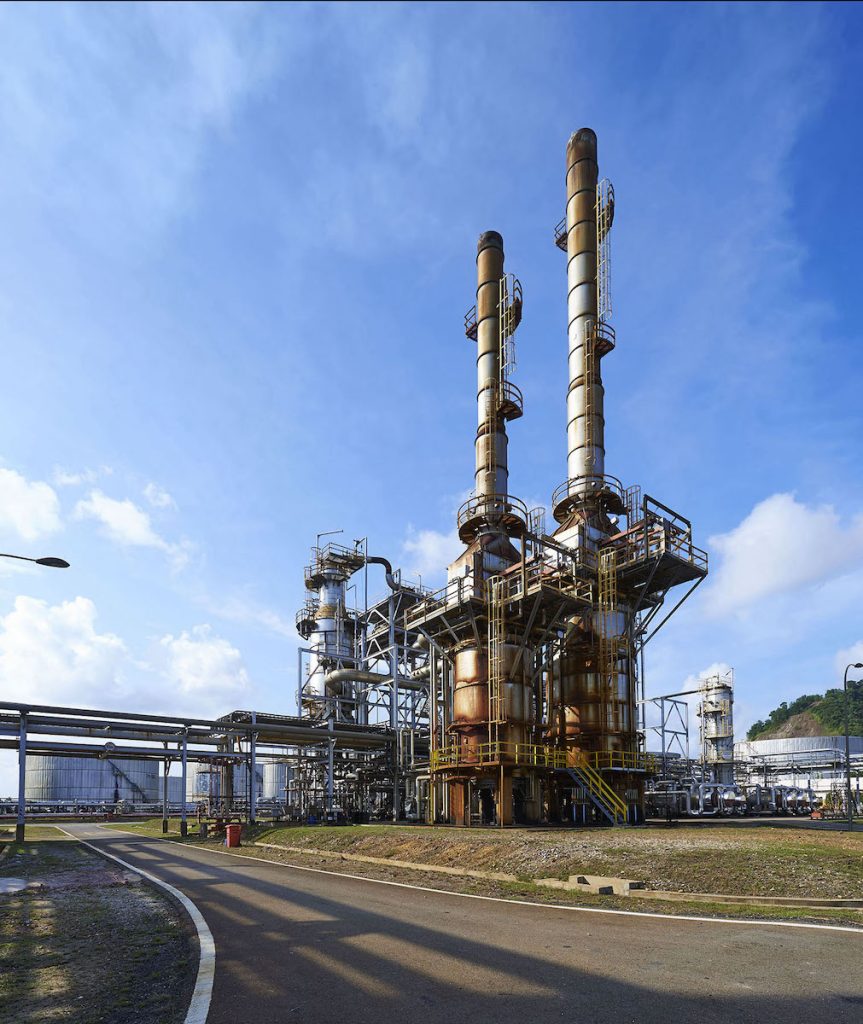
Malaysia currently operates three primary refineries capable of producing bitumen:
- Petron Port Dickson Refinery – Capacity: 240,000 MT/year
- Petronas Melaka Refinery – Capacity: 180,000 MT/year
- Shell Port Dickson Refinery – Capacity: 120,000 MT/year
Combined, these facilities offer theoretical production capacity of approximately 540,000 metric tons annually. However, actual production typically reaches 85-90% of theoretical capacity due to maintenance requirements, feedstock variations, and occasional operational disruptions.
“Our refineries are currently operating at near-maximum sustainable rates,” explains Tan Sri Zainal, Chairman of the Malaysian Petroleum Association. “While we’ve implemented efficiency improvements and optimized production scheduling, there are physical limitations to how much we can increase output with existing infrastructure.”
The Supply Gap Challenge
With domestic production capacity limited to approximately 460,000-485,000 metric tons at current utilization rates, Malaysia faces a substantial supply gap to meet projected demand of 800,000-850,000 metric tons.
This gap of 350,000-400,000 metric tons must be addressed through a combination of:
- Increased domestic production efficiency
- Potential capacity expansions
- Strategic imports
- Alternative material adoption where appropriate
Import Dependencies and Regional Dynamics
Current Import Patterns
Malaysia has historically supplemented domestic production with imports from regional suppliers, primarily:
- Singapore (42% of imports) – Premium grades for specialized applications
- Indonesia (28% of imports) – Standard penetration grades
- Thailand (18% of imports) – Various grades
- Other sources (12% of imports) – Including specialized modified bitumen products
These import relationships have been relatively stable, but the unprecedented demand growth in 2025 is straining traditional supply arrangements and requiring exploration of additional sources.
Regional Competition for Resources
Malaysia’s bitumen demand surge coincides with elevated infrastructure investment across Southeast Asia, creating intensified regional competition for limited resources. Singapore’s refining capacity is already heavily utilized serving multiple markets, while Indonesia’s recent policy shifts have reduced export volumes to prioritize domestic needs.
Thailand has increased export capacity, but transportation logistics and quality specifications create challenges for some Malaysian applications. More distant suppliers from the Middle East and Australia present viable alternatives but at higher transportation costs and extended delivery timelines.
Challenges Facing Malaysia’s Bitumen Supply Chain
Logistics and Storage Infrastructure
The bitumen supply chain faces significant logistical challenges beyond simple production volumes. The material’s specific handling requirements, including heated storage and transportation, create bottlenecks that can impact project timelines even when product is theoretically available.
Current logistics challenges include:
- Limited specialized bitumen transportation capacity (heated trucks, vessels)
- Storage terminal capacity constraints in key development regions
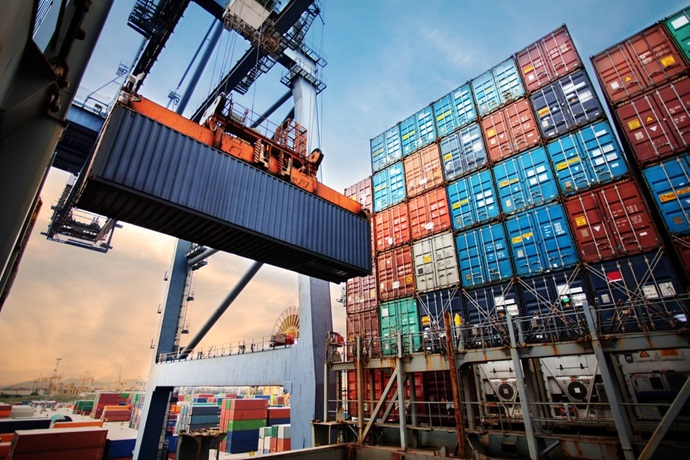
- Port congestion affecting import schedules
- Last-mile delivery coordination for remote project sites
Strategic investments in logistics infrastructure represent a critical component of addressing the overall supply challenge.
Quality and Specification Requirements
Malaysia’s infrastructure boom coincides with increasingly stringent quality specifications for bitumen products. New highway projects require enhanced performance characteristics to withstand heavy traffic loads, extreme weather conditions, and extended maintenance intervals.
Key specification trends include:
- Higher resistance to rutting and deformation
- Improved aging characteristics
- Enhanced adhesion properties
- Greater temperature sensitivity range
These evolving requirements create additional challenges for both domestic producers and importers, as specialized grades often require dedicated production runs or modification processes that further constrain supply.
Pricing Pressures and Market Volatility
The combination of surging demand, limited domestic production, and competitive regional markets has created significant pricing pressures. Bitumen prices in Malaysia have increased 15-18% since December 2024, with particularly sharp increases for premium and modified grades.
This price volatility creates budgeting challenges for infrastructure projects and can potentially impact project timelines or scope if not effectively managed. Contractors are increasingly seeking long-term supply agreements to mitigate volatility risks, placing additional pressure on producers and importers to secure reliable capacity.
Strategic Solutions and Market Adaptations
Domestic Production Expansion Plans
Malaysia’s refining industry has recognized the long-term opportunity represented by sustained infrastructure investment and is responding with expansion plans:
- Petron Port Dickson Enhancement – A RM450 million investment to increase bitumen production capacity by 30% by Q4 2025
- Petronas Melaka Optimization – Process improvements projected to increase output by 12-15% by Q3 2025
- New Specialized Production Facility – Early planning stages for a dedicated bitumen facility in Johor with potential completion by 2027
While these initiatives will eventually enhance domestic capacity, most will not meaningfully impact the 2025 supply situation, necessitating additional short-term strategies.
Import Strategy Optimization
To address immediate needs, Malaysia is diversifying and optimizing import strategies:
- Long-term Supply Agreements – Securing consistent volumes from regional suppliers through multi-year commitments
- Import Terminal Expansions – Increasing capacity at key port facilities to handle larger shipments
- Strategic Reserves Development – Building buffer stocks during periods of availability to mitigate supply disruptions
- New Source Development – Exploring relationships with suppliers from India, South Korea, and the Middle East
These diversification efforts aim to enhance security of supply while managing cost implications.
Innovation and Alternative Technologies
The supply constraints are accelerating adoption of innovative approaches and alternative technologies in Malaysia’s road construction sector:
- Polymer Modified Bitumen (PMB) – Higher initial cost but extended pavement life and reduced maintenance requirements
- Warm Mix Asphalt Technologies – Reduced energy requirements and extended construction seasons
- Recycled Asphalt Pavement (RAP) – Incorporation of reclaimed materials reducing virgin bitumen requirements
- Bio-based Additives – Enhancing conventional bitumen performance while reducing petroleum dependency
These innovations help maximize the value derived from available bitumen supplies while supporting sustainability objectives.
Sector-Specific Impacts and Adaptations
Highway and Major Infrastructure Projects
The highway construction sector, representing approximately 65% of Malaysia’s bitumen consumption, has implemented several strategies to manage supply challenges:
- Phased Construction Scheduling – Coordinating bitumen requirements across project segments to avoid simultaneous peak demands
- Advanced Procurement Practices – Securing supply commitments 3-6 months ahead of requirements
- Specification Flexibility – Where appropriate, allowing performance-equivalent alternatives to specific bitumen grades
- Stockpiling at Project Sites – Creating buffer inventories at key construction locations
These adaptations have helped maintain project momentum despite supply constraints.
Urban Development and Municipal Projects
Urban and municipal projects, accounting for approximately 20% of bitumen consumption, face different challenges due to their typically smaller scale and dispersed nature. These projects have adapted through:
- Cooperative Purchasing Programs – Pooling requirements across multiple municipal projects
- Alternative Pavement Designs – Utilizing concrete or pavers for appropriate applications
- Maintenance Priority Adjustments – Focusing on critical repairs while deferring some preventative maintenance
- Localized Supply Arrangements – Developing relationships with regional distributors rather than major suppliers
These approaches help smaller projects compete effectively for limited resources.

Industrial and Specialized Applications
The remaining 15% of bitumen consumption serves industrial applications including waterproofing, adhesives, and specialized coatings. This sector has adapted through:
- Reformulation – Adjusting product compositions to reduce bitumen content where possible
- Import Specialization – Focusing on securing specific grades not typically used in road construction
- Manufacturing Process Optimization – Reducing waste and improving efficiency in bitumen utilization
- Alternative Material Development – Researching synthetic substitutes for certain applications
These specialized markets often have greater flexibility to adapt formulations or source alternatives than large infrastructure projects.
Environmental and Sustainability Considerations
Carbon Footprint and Emissions
Malaysia’s bitumen surge occurs amid increasing focus on environmental impacts and sustainability. The bitumen supply chain contributes to carbon emissions through:
- Energy-intensive production processes
- Heated transportation requirements
- Application equipment emissions
- Long-term pavement lifecycle impacts
Industry leaders are implementing various initiatives to address these impacts:
- Energy efficiency improvements at refineries
- Lower-temperature application technologies
- Incorporation of recycled materials
- Carbon offset programs for major projects
Regulatory Environment and Future Trends
Malaysia’s regulatory framework for construction materials is evolving toward more stringent environmental requirements. Current and anticipated regulations affecting the bitumen sector include:
- Emissions limits for production facilities
- Volatile organic compound (VOC) restrictions
- Recycled content requirements
- Lifecycle assessment reporting
These regulations create both challenges and opportunities for industry participants, potentially favoring those who proactively address sustainability considerations.

Outlook for 2025-2026
Short-Term Market Projections
For the remainder of 2025, Malaysia’s bitumen market will likely experience:
- Continued tight supply conditions with potential spot shortages
- Price premiums of 15-25% above historical averages
- Prioritization of national strategic projects in allocation decisions
- Increased reliance on imports despite logistical challenges
These conditions will require continued adaptation from all stakeholders while solutions develop.
Mid-Term Capacity Development
Looking toward 2026, several factors suggest improving supply conditions:
- Initial domestic capacity expansions coming online
- Maturation of new import relationships and logistics
- Improved efficiency in application technologies
- Potential moderation in demand growth as initial project phases complete
Industry experts project that supply-demand balance may begin normalizing in late 2026, though at higher equilibrium price points than historical averages.
Recommendations for Market Participants
Project Developers and Contractors
- Secure Supply Commitments Early – Negotiate supply agreements 6+ months before requirements
- Build Schedule Flexibility – Incorporate potential material delays in project timelines
- Evaluate Alternative Technologies – Consider specifications allowing various performance-equivalent solutions
- Develop Inventory Strategies – Create buffer stocks where storage capacity allows
Bitumen Producers and Importers
- Maximize Production Efficiency – Implement maintenance and optimization to increase output
- Expand Storage Capacity – Invest in additional terminal facilities at strategic locations
- Diversify Supply Sources – Develop relationships with multiple international suppliers
- Enhance Logistics Integration – Coordinate transportation, storage, and delivery for system-wide efficiency
Government and Regulatory Bodies
- Coordinate Project Timelines – Manage national infrastructure schedule to avoid simultaneous peak demands
- Streamline Import Procedures – Reduce administrative barriers for qualified material imports
- Support Capacity Investments – Provide appropriate incentives for domestic production expansion
- Promote Innovation Adoption – Encourage specification flexibility allowing performance-based alternatives

Conclusion: Meeting the Challenge Through Collaboration
Malaysia’s bitumen surge presents both opportunities and challenges for all industry stakeholders. While domestic refineries alone cannot immediately meet the extraordinary demand growth, a coordinated approach combining production optimization, strategic imports, logistics improvements, and technological innovation can effectively address the supply gap.
The current situation also provides powerful incentives for long-term capacity development that will benefit Malaysia’s infrastructure capabilities for decades to come. Companies and organizations that successfully adapt to current constraints while positioning for future opportunities will emerge as leaders in this dynamic market environment.
By embracing collaboration across the supply chain, Malaysia can successfully execute its ambitious infrastructure vision while developing a more resilient and sustainable bitumen supply ecosystem for the future.
This analysis represents current market conditions and projections based on data available as of May 2025. Market participants should continue monitoring government policy announcements, project timelines, and international supply developments for potential impacts on these forecasts.