Bitumen Market Trends in Yemen 2025
Yemen’s bitumen market is evolving despite years of political instability, economic hardship, and infrastructure degradation. With international aid efforts and local government projects aiming to rebuild key infrastructure, the demand for bitumen is witnessing a steady increase. This article provides a comprehensive overview of the current bitumen market trends in Yemen, covering ports of entry, consumption patterns, grades, packaging preferences, applications, and reliable supply sources such as Gulf Petro Vision, a prominent exporter in the region.

Overview of Yemen’s Bitumen Market
Yemen has been heavily reliant on imported bitumen due to the absence of local refineries capable of producing road-grade bitumen. With the country’s road network in critical need of rehabilitation and expansion, bitumen consumption has grown, particularly in regions less affected by ongoing conflict.
The market is primarily driven by:
- Road construction and resurfacing
- Post-conflict rebuilding initiatives
- Aid-funded infrastructure projects
- Urban development in Aden, Sana’a, and Taiz
International donors and local authorities are focusing on the reconstruction of essential transport infrastructure, increasing the demand for reliable and timely bitumen deliveries.

Key Ports for Bitumen Imports in Yemen
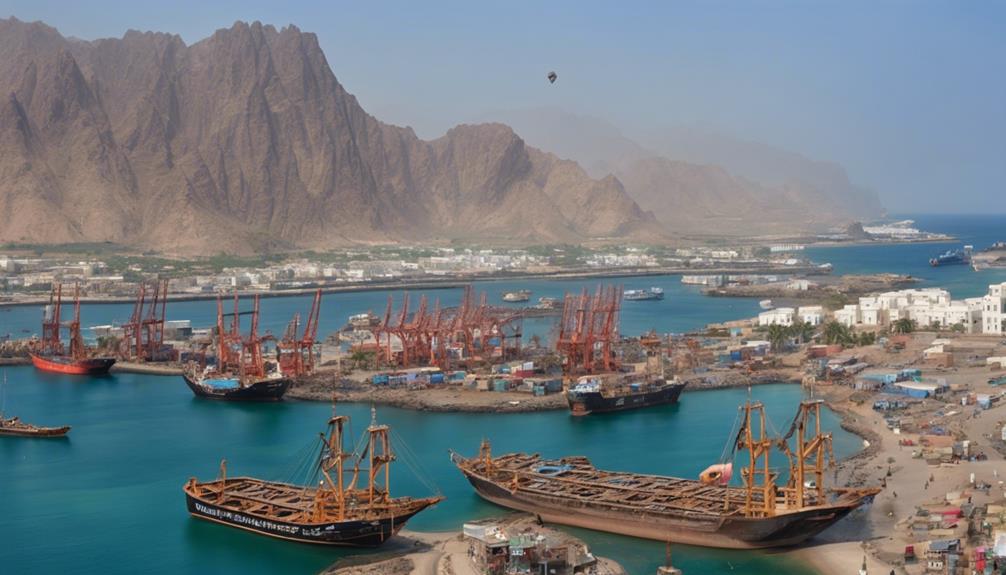
Yemen’s strategic location along the Arabian Sea and the Red Sea allows multiple entry points for bitumen shipments. However, port access varies based on security and logistical factors. The main ports used for bitumen imports include:
Port of Aden
- Yemen’s most stable and largest commercial port
- Well-equipped for handling containerized and bulk cargo
- Main hub for bitumen importers and construction companies
Port of Hudaydah
- Serves northern and central Yemen
- Import volume is lower due to occasional conflict-related disruptions
- Still a key entry point when security permits
Mukalla Port
- Handles cargo for the eastern region of Yemen
- Ideal for mid-sized shipments
Most bitumen suppliers, including Gulf Petro Vision, prefer to route shipments through Aden due to its superior handling facilities, relative safety, and customs clearance efficiency.
Commonly Imported Bitumen Grades in Yemen
Due to varying climate conditions and project specifications, Yemen imports several grades of bitumen. The most demanded include:
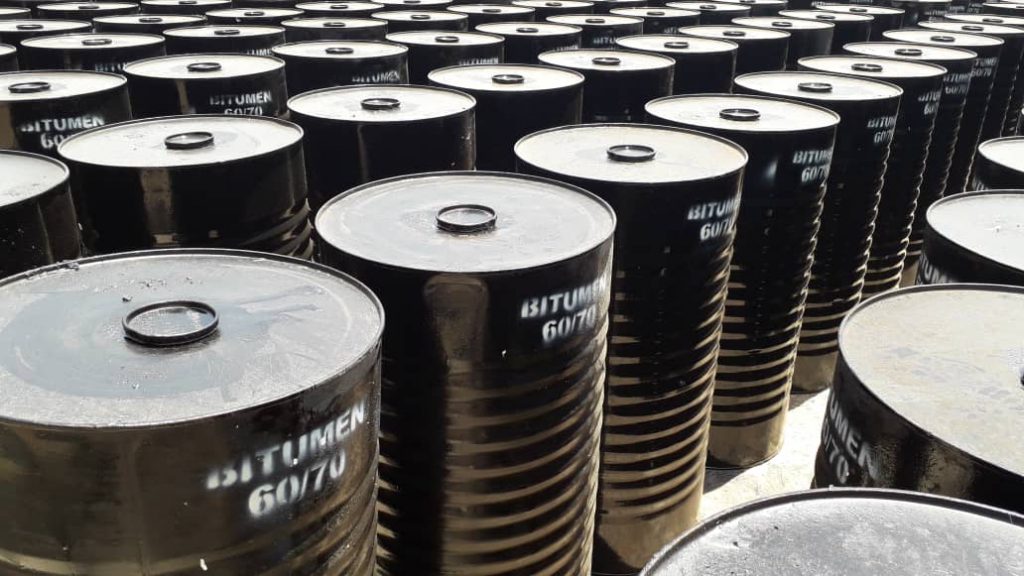
- Penetration Grade 60/70: The most widely used for general road construction.
- Penetration Grade 80/100: Suitable for lower-temperature zones and lighter traffic areas.
- Viscosity Grade VG-30: Requested for high-load or high-temperature projects.
Exporters must ensure that bitumen meets international quality and safety standards such as ASTM D946 or BS EN 12591, as many reconstruction projects are financed by international donors requiring quality certification.
Gulf Petro Vision has earned a strong reputation among Yemeni contractors and traders by consistently delivering these grades with reliable quality and documentation.

Preferred Bitumen Packaging in Yemen
Given Yemen’s limited infrastructure for bulk handling and storage, packaging plays a critical role in successful delivery. The most popular packaging methods include:
Steel Drums
- 180–200 kg per drum
- Widely used and accepted
- Easy manual handling at project sites
Jumbo Bags
- 1,000 kg capacity
- More efficient than drums for larger projects
- Less waste and more environmentally friendly
Flexitanks and Polybags
- Used occasionally for specialty applications or waterproofing materials
Gulf Petro Vision offers all major packaging formats, allowing Yemeni importers to select based on cost, handling capabilities, and project type. The company’s steel-drum and jumbo-bag lines are particularly favored due to their durability and optimized space usage.

Applications of Bitumen in Yemen
The increasing demand for bitumen in Yemen is driven by various applications:
Road Construction
The rebuilding of highways, rural roads, and city streets is the largest contributor to bitumen demand. With many roads damaged or unpaved, bitumen is critical for both asphalt paving and maintenance.
Airport Runways and Port Terminals
Key transport hubs such as Aden International Airport and Hudaydah Port have seen or are planning bitumen-intensive upgrades.
Roofing and Waterproofing
Urban reconstruction projects and housing developments often require waterproofing materials, where bitumen membranes and coatings play an essential role.
Industrial Uses
Though limited, the industrial sector uses bitumen in insulation and moisture protection in facilities related to oil storage and food processing.

Yemen’s Bitumen Trade Flow and Import Sources
Due to trade restrictions, sanctions, and unstable maritime conditions, Yemen relies on select regional exporters for its bitumen needs. The main supply routes include shipments from:
- Iran (bulk and drummed)
- United Arab Emirates
- India
- Bahrain
Among these, Gulf Petro Vision has positioned itself as one of the most trusted bitumen exporters to Yemen, known for flexibility in packaging, fast documentation handling, and support in customs clearance.
The company’s well-established logistics chain, especially to Aden and Mukalla, allows it to maintain a consistent supply even during periods of regional disruption.
Challenges in the Yemeni Bitumen Market
Logistics & Security
- Transport routes from ports to inland destinations may be unsafe
- Road closures and checkpoints can delay deliveries
Fluctuating Freight Costs
- Volatile container rates and fuel costs increase the landed cost of bitumen
Import Documentation
- Complex customs procedures and changing regulations require experienced partners
Payment Terms
- Limited access to international banking can make L/C or advance payments difficult
These challenges underscore the importance of working with experienced suppliers like Gulf Petro Vision that offer flexible terms and on-the-ground coordination.
Market Opportunities for Bitumen Suppliers
Despite the challenges, Yemen presents a number of growth opportunities for international bitumen suppliers:
- Reconstruction Funding: Backed by UN, World Bank, and GCC donors
- Urban Development: Projects in Aden, Mukalla, and Marib are expanding
- Port and Road Modernization: Government initiatives are underway
- Private Sector Projects: Including malls, logistics hubs, and housing
Suppliers that provide technical support, customized grades, and responsive service are better positioned to gain market share. Gulf Petro Vision continues to expand its presence in Yemen through such client-centric strategies.
Recommendations for Exporters Targeting Yemen
If you’re a supplier looking to enter or expand in the Yemeni bitumen market, consider the following:
- Focus on port-accessible packaging like drums and jumbo bags
- Offer flexible incoterms (FOB, CFR, CIF)
- Ensure product certifications and documentation are ready before shipment
- Build relationships with local agents or contractors
- Be ready to assist with customs and logistics coordination
Collaborating with reliable players like Gulf Petro Vision, who understand local market dynamics, can help new entrants avoid operational pitfalls and ensure sustainable business.

Conclusion: Yemen’s Bitumen Market in 2025 and Beyond
Yemen’s bitumen market in 2025 is showing steady recovery and growth, fueled by the need for infrastructure redevelopment and international support. With rising demand across key regions and increasing focus on road and port infrastructure, bitumen imports are expected to rise.
Companies like Gulf Petro Vision, known for quality, reliability, and adaptability, are playing a key role in supporting Yemen’s reconstruction goals. By offering tailored solutions and maintaining strong logistics channels, Gulf Petro Vision has become a preferred bitumen supplier in Yemen, particularly for projects requiring penetration grades, jumbo bag packaging, and timely delivery through Aden Port.
For bitumen exporters and project contractors, Yemen remains a promising market with long-term potential – provided the challenges are managed with local insight, experienced partners, and quality-driven supply chains.