How Global Bitumen Price Fluctuations Affect China’s Domestic Market

Understanding Bitumen and Its Market Importance
Bitumen serves as the black, sticky binding substance primarily used in road paving. Additionally, it derives from crude oil processing and creates the foundation for asphalt when mixed with aggregate materials.
Why should we care about bitumen pricing? First, infrastructure projects cannot proceed without it. Second, price variations directly affect construction budgets nationwide. Furthermore, its close connection to oil markets creates inherent volatility. Finally, these fluctuations impact project timelines and feasibility assessments.
For China’s thriving construction sector, therefore, understanding these dynamics is essential for long-term planning.
The Global Bitumen Landscape
Production and Consumption Patterns
The global bitumen industry produces approximately 105 million tons annually. Major producers include the United States, China, India, and several Middle Eastern countries. Interestingly, road construction consumes about 80% of this output, while roofing and waterproofing applications account for the remainder.
China, in particular, utilizes around 21 million tons yearly, establishing itself as the world’s largest bitumen consumer. Not surprisingly, the ambitious Belt and Road Initiative drives much of this substantial demand.

Primary Drivers of Global Bitumen Prices
Five key factors influence bitumen prices on the global stage:
- Crude Oil Prices: Undoubtedly, when oil prices climb, bitumen costs follow suit due to their direct production relationship.
- Seasonal Demand Cycles: Generally speaking, demand intensifies during warmer months when road construction accelerates. As a result, prices typically follow this predictable seasonal pattern.
- Supply Chain Disruptions: Meanwhile, shipping complications, refinery maintenance schedules, or geopolitical conflicts can restrict supply and consequently drive prices upward.
- Environmental Regulations: Similarly, stricter emissions standards increase production costs throughout the supply chain.
- Currency Exchange Dynamics: Importantly, when the US dollar strengthens against China’s yuan, import costs rise proportionally.
Inside China’s Bitumen Market Structure
Domestic Production Versus Import Reliance
Currently, China maintains production capacity of 14-15 million tons of bitumen annually. Nevertheless, this domestic supply falls short of demand. Consequently, the country imports an additional 6-7 million tons each year to satisfy its infrastructure needs.
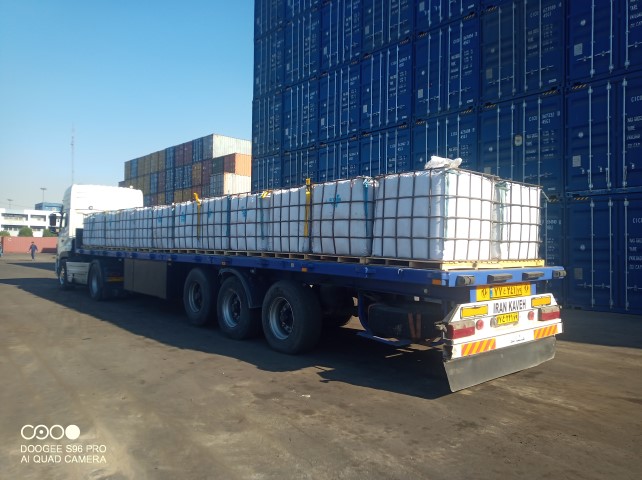
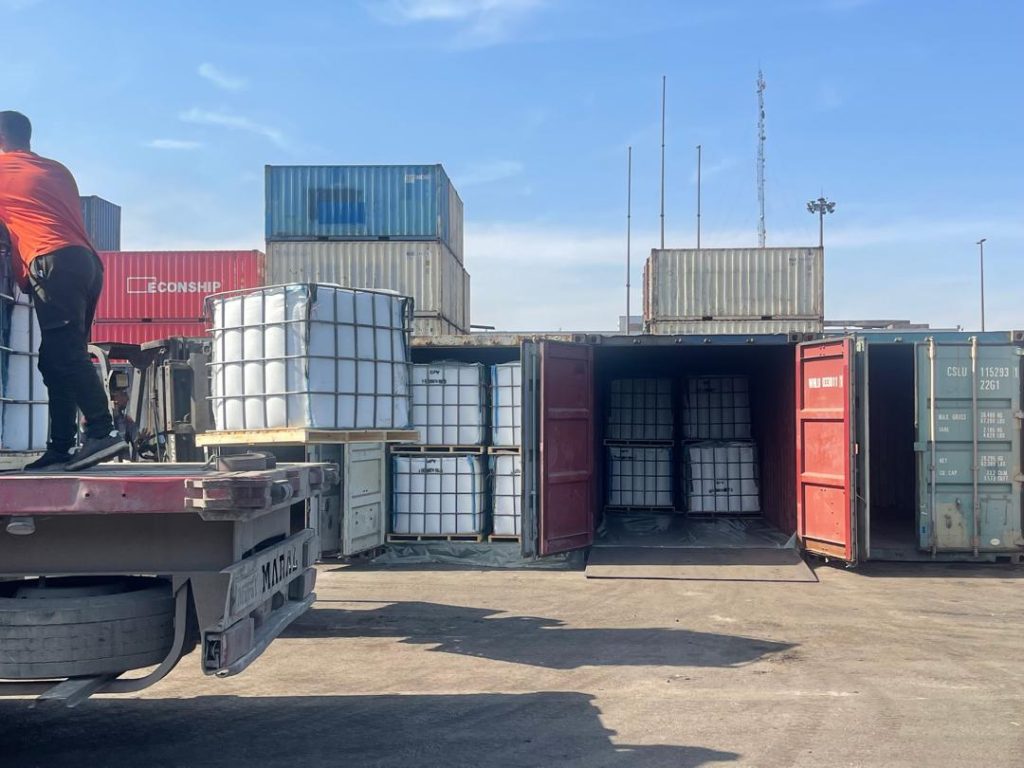
These imports primarily originate from several key sources: firstly, Singapore; secondly, South Korea; thirdly, Malaysia; and finally, various Middle Eastern nations (particularly Iran). As a result of this import dependency, China remains vulnerable to global price movements.
Key Market Participants
China’s bitumen market features three distinct player categories:
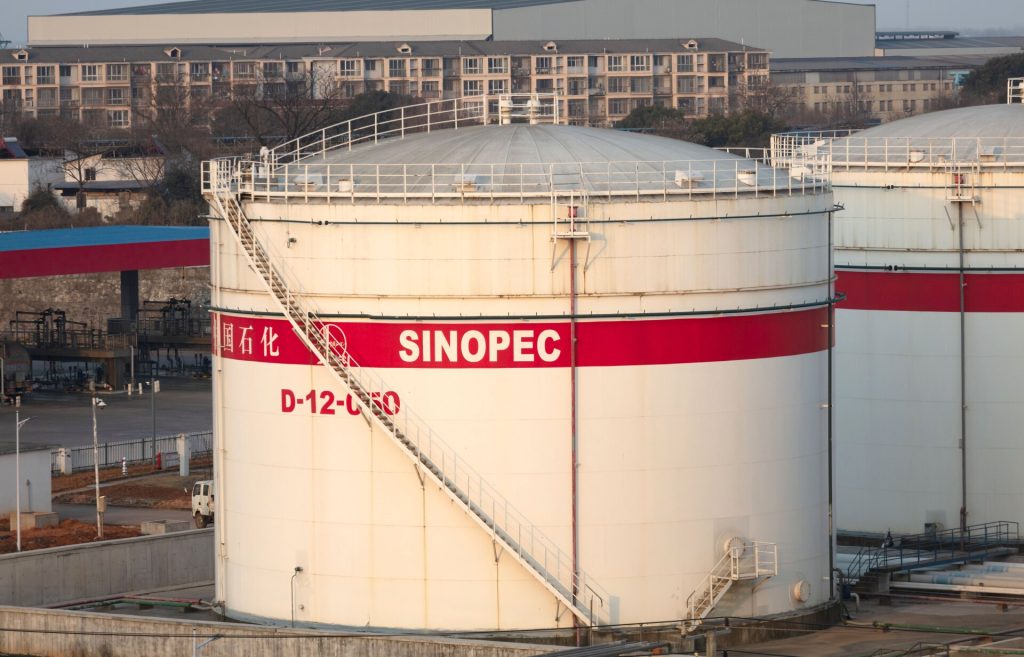
- State-owned enterprises: Notably, PetroChina, Sinopec, and CNOOC dominate with 65% of domestic production capacity.
- Regional refineries: Meanwhile, medium-sized provincial facilities contribute 25% of the national supply.
- Private sector operators: Lastly, smaller refineries and trading companies account for the remaining 10% of market activity.
This unique structure creates an interesting dynamic where state-owned entities often function as market stabilizers. In contrast, private companies respond more rapidly to international pricing signals.
Transmission Mechanisms: Global to Local
Direct Price Transmission Channels
Global price fluctuations affect China’s domestic market through several mechanisms:
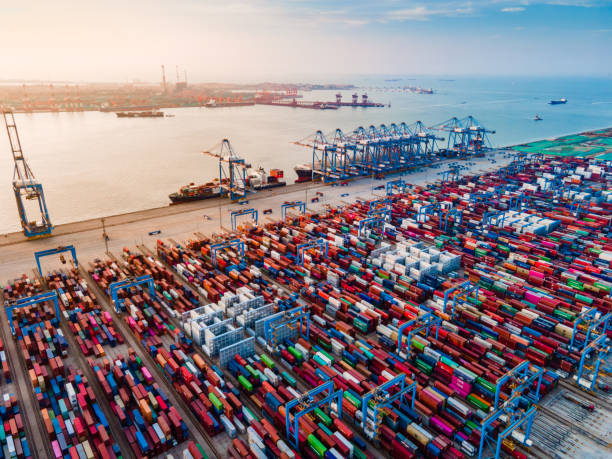
- Import Cost Adjustments: Since approximately 30% of China’s bitumen consumption relies on imports, international price shifts inevitably impact procurement costs.
- Benchmark Influence: Although China has developed internal price indices, external benchmarks such as Singapore FOB prices and Middle East export rates still heavily influence domestic negotiations.
- Temporal Lag Effects: Typically, domestic prices adjust 2-4 weeks after global price movements. This delay, therefore, creates short-term arbitrage opportunities during volatile periods.
China’s Price Stabilization Methods
To counterbalance extreme volatility, the Chinese government employs several strategic tools:
- Strategic Reserve Management: Above all, China maintains emergency bitumen stockpiles for release during supply shortages or dramatic price increases.
- Import Duty Adjustments: Furthermore, authorities regularly modify import taxes to balance market conditions and domestic priorities.
- State Enterprise Price Guidance: Additionally, government-owned producers frequently receive directives to moderate price increases during critical construction periods.
- Alternative Material Promotion: During sustained price spikes, meanwhile, China actively encourages bitumen alternatives and recycling technologies.
Recent Global Price Events and China’s Response
The COVID-19 Pandemic Impact (2020-2021)
The pandemic triggered unprecedented market turbulence:
- Initial Market Collapse: At first, bitumen prices plummeted 30-40% in early 2020 as oil crashed and global construction halted.
- China’s Countercyclical Approach: Unlike many nations, however, China quickly contained the initial outbreak and launched infrastructure stimulus programs while global prices remained low.
- Swift Price Recovery: By mid-2021, consequently, bitumen prices surpassed pre-pandemic levels as worldwide construction resumed amid persistent supply constraints.
- Domestic Price Moderation: Throughout this recovery phase, nevertheless, Chinese authorities kept domestic price increases 15-20% below global benchmark rates.
Energy Crisis and Supply Chain Disruptions (2022-2023)
Subsequently, energy challenges and logistics problems created another significant shock:
- Production Cost Increases: To begin with, rising energy prices drove bitumen production costs up by 25-35% globally.
- Logistics Cost Explosion: In addition, shipping rates tripled on many routes, further elevating import expenses.
- China’s Multifaceted Response: To address these challenges, China implemented a comprehensive strategy: first, adjusting project timelines; second, expanding domestic production; third, establishing direct procurement channels; and finally, increasing recycled asphalt utilization.
Geopolitical Tensions Impact (2023-2024)
International sanctions dramatically reshaped bitumen trade flows:
- Supplier Diversification: As a result of sanctions on traditional suppliers, China developed new relationships with UAE, Saudi Arabia, and Russian producers.
- Alternative Payment Solutions: Moreover, innovative payment mechanisms emerged to maintain trade with certain sanctioned countries.
- Temporary Price Premium: These adjustments subsequently created a 10-15% premium in China’s domestic prices compared to some international benchmarks.
Future Trends Reshaping China’s Bitumen Market
Technological Innovations Reducing Price Sensitivity
Several technological developments are decreasing China’s vulnerability to price fluctuations:
- Warm Mix Asphalt Adoption: First and foremost, this technology reduces bitumen requirements by 8-12% per kilometer of road construction.
- Advanced Bitumen Formulations: Additionally, polymer-modified varieties extend pavement durability, thus reducing long-term demand despite higher initial costs.
- Recycling Advancements: Furthermore, China has increased recycled asphalt utilization from under 10% to approximately 25%, with ambitious targets to reach 40% by 2030.
Evolving Trade Patterns and Strategic Responses
China’s approach to price volatility is generating new trade dynamics:
- Backward Integration: Increasingly, major Chinese construction companies invest in overseas bitumen production facilities to secure supply and hedge against price fluctuations.
- Regional Trading Hub Development: At the same time, China is establishing regional trading centers in southern provinces to enhance negotiation leverage and buffer against supply disruptions.
- Futures Market Development: Most importantly, the Shanghai Futures Exchange launched bitumen futures contracts in 2020, providing vital hedging tools against price volatility.
Environmental Policies Transforming the Industry
Sustainability imperatives are increasingly reshaping market dynamics:
- Carbon Pricing Mechanisms: Gradually, emerging carbon taxes are increasing conventional bitumen production costs, thereby accelerating alternative material adoption.
- Bio-Asphalt Development: Meanwhile, China has initiated large-scale testing of bio-asphalt variants that incorporate renewable sources instead of petroleum derivatives.
- Emissions Reduction Technologies: Consequently, investments in cleaner production methods are creating cost differentials between producers, affecting competitive positioning.

Practical Implications for Key Stakeholders
For Construction Companies and Developers
- Contract Structure Evolution: Above all, more companies now incorporate price adjustment formulas in contracts to distribute price risks equitably.
- Strategic Inventory Management: Additionally, optimizing storage capacity and purchase timing helps hedge against predictable seasonal fluctuations.
- Material Substitution Readiness: Furthermore, developing capabilities to deploy alternative materials when bitumen prices exceed certain thresholds provides essential flexibility.
For Bitumen Producers and Refineries
- Production Flexibility Premium: Most importantly, the ability to adjust output based on rapidly changing price signals delivers significant competitive advantages.
- Quality Differentiation Strategy: Moreover, growing price premiums for specialized grades that enable reduced application quantities or enhanced performance create new market opportunities.
- Vertical Integration Benefits: Finally, combining production with downstream application capabilities allows companies to capture value throughout the supply chain.
For Policy Makers and Planners
- Infrastructure Timing Optimization: Initially, adjusting construction schedules around price cycles generates substantial cost savings.
- Advanced Reserve Management: Subsequently, sophisticated approaches to strategic reserves based on price forecasting models help stabilize markets effectively.
- Capacity Development Balance: Ultimately, officials must carefully balance reducing import dependency through domestic capacity expansion against refinery overcapacity risks.
Conclusion
China’s complex relationship with global bitumen markets illustrates how the world’s largest infrastructure developer navigates international commodity challenges. Although still affected by global price movements, China has developed increasingly sophisticated mechanisms to moderate extreme volatility.
For global market participants, understanding China’s unique market structure and policy responses provides valuable insights into future demand patterns. As China continues its massive infrastructure development while simultaneously pursuing sustainability goals, its approach to managing bitumen price fluctuations will undoubtedly evolve further.
Looking ahead, the bitumen market will likely feature increasing regionalization of pricing, greater emphasis on sustainability metrics, and continued innovation aimed at reducing dependence on conventional petroleum-derived products. Companies and governments that anticipate these shifts will therefore be best positioned to navigate the inevitable price volatility in the years ahead.