How to Import Bitumen to Ethiopia via Djibouti Port: 2025 Comprehensive Logistics Guide
Import bitumen to Ethiopia has experienced remarkable growth over the past decade, driven primarily by the country’s ambitious infrastructure development programs and booming construction sector. The government’s commitment to expanding road networks, urban development projects, and industrial zones has created substantial demand for high-quality bitumen products. As Ethiopia remains a landlocked nation, Djibouti Port serves as the critical maritime gateway for virtually all imports, including the essential bitumen supplies that fuel the country’s construction industry.
This comprehensive 2025 logistics guide provides detailed insights into the step-by-step process of importing bitumen to Ethiopia via Djibouti, covering everything from customs regulations and transport routes to optimal packaging solutions and reliable supplier networks. Whether you’re a construction contractor managing large-scale projects, a road-building company looking to expand operations, or an experienced trader entering the Ethiopian market, this comprehensive guide is specifically crafted to help you successfully navigate complex logistics challenges. Moreover, it aims to minimize delays, reduce operational costs, and ensure smoother import procedures throughout the entire supply chain.

Table of Contents
- Why Import Bitumen to Ethiopia via Djibouti Port?
- Types of Bitumen in Demand in Ethiopia (2025)
- Comprehensive Bitumen Import Process to Ethiopia
- Customs Clearance and Essential Documentation
- Best Packaging Options for Bitumen Transport
- Transport Solutions from Djibouti Port to Ethiopia
- Key Challenges and Strategic Solutions
- Why Choose Gulf Petro Vision?

Why Import Bitumen to Ethiopia via Djibouti Port?
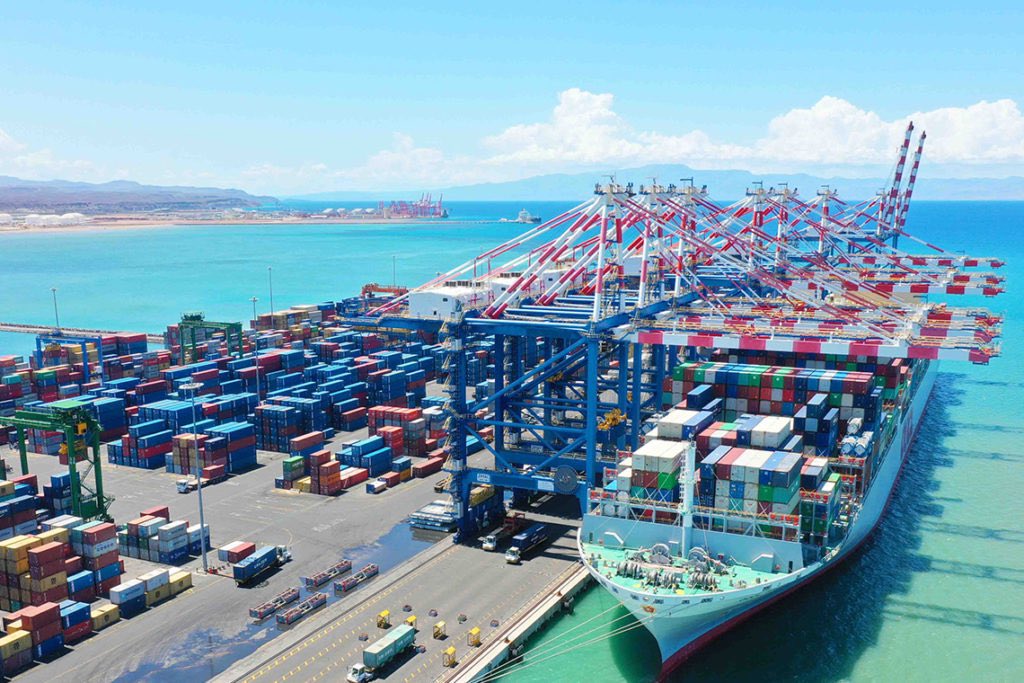
Ethiopia’s geographical position as a landlocked country in the Horn of Africa makes Djibouti Port absolutely essential for international trade operations. The port handles an impressive 95% of Ethiopia’s total imports, establishing it as the most efficient, reliable, and strategically important route for bitumen importers seeking to access Ethiopian markets.
Key strategic advantages of using Djibouti Port:
Optimal Geographic Proximity: The distance from Addis Ababa to Djibouti Port is approximately 750 kilometers via the well-established Addis-Djibouti economic corridor, making it the shortest route to international maritime access.
Advanced Infrastructure Network: Both countries have invested heavily in developing sophisticated road and rail networks that efficiently connect the port facilities to major Ethiopian cities, industrial zones, and construction sites.
Specialized Logistics Ecosystem: A mature network of logistics providers has developed extensive expertise in handling bitumen shipments, understanding the unique requirements for temperature-sensitive petroleum products during transport from Djibouti to various Ethiopian destinations.
Political Stability and Trade Agreements: Strong bilateral relationships and established trade protocols ensure smooth customs procedures and reliable cross-border operations.
Types of Bitumen in Demand in Ethiopia (2025)
Ethiopia’s diverse construction requirements and varying climatic conditions across different regions drive demand for multiple bitumen grades. The Ethiopian road construction industry, supported by government infrastructure initiatives and private sector development, continues to expand its requirements for specialized bitumen products.
Primary bitumen types in high demand:
Bitumen 60/70: The most commonly imported grade, extensively used in highway construction, urban road development, and major infrastructure projects requiring standard penetration characteristics.
Bitumen 80/100: Particularly suitable for Ethiopia’s moderate climate regions and low-traffic road applications, offering excellent performance in rural and secondary road construction.
Cutback Bitumen: Essential for remote construction sites and high-altitude areas where traditional hot-mix applications face logistical challenges, providing flexibility in application methods.
PMB (Polymer Modified Bitumen): Rapidly gaining popularity in large-scale infrastructure projects due to enhanced durability, superior performance characteristics, and longer service life, particularly valuable for high-traffic corridors and extreme weather conditions.
Emulsion Bitumen: Increasingly used in surface treatments, maintenance operations, and environmentally sensitive areas where traditional hot bitumen applications are impractical.
Understanding specific project requirements, local climatic conditions, traffic loads, and application methods is crucial for selecting the appropriate bitumen grade for successful import operations.

Comprehensive Bitumen Import Process to Ethiopia
Successfully importing bitumen to Ethiopia requires careful coordination of multiple stakeholders and precise attention to regulatory requirements. Here’s the detailed step-by-step process:
1. Select a Reliable Bitumen Supplier
Choose an experienced bitumen supplier with documented delivery records to Ethiopia. Verify their capability to provide CFR Djibouti or FOB shipping options, complete documentation packages, and technical support throughout the import process.
2. Confirm Technical Specifications and Logistics Details
Precisely specify:
- Total quantity requirements (typically measured in metric tons)
- Specific bitumen grade (60/70, 80/100, PMB, cutback, or emulsion)
- Preferred packaging format: steel drums, jumbo bags, or bulk delivery
- Quality standards and testing requirements
- Delivery timeline and seasonal considerations
3. Negotiate Terms and Finalize Shipping Arrangements
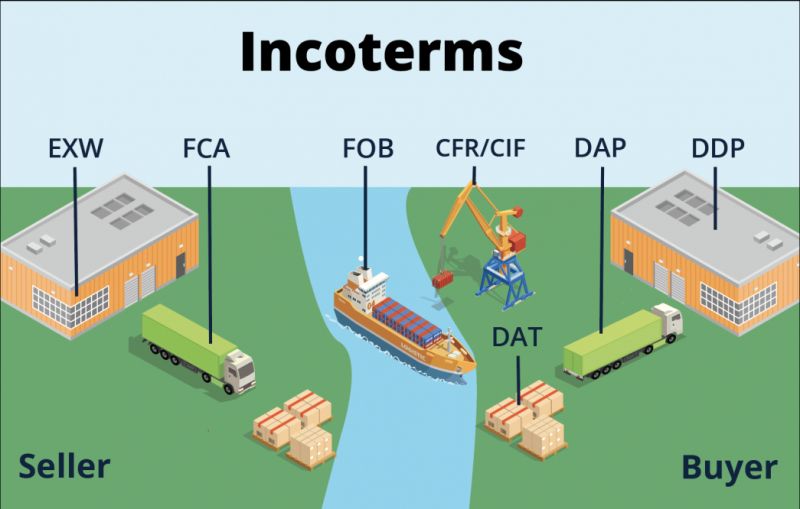
Carefully negotiate INCOTERMS (CFR, CIF, or FOB) and confirm Djibouti Port as the designated arrival destination. Establish clear payment terms, insurance coverage, and quality guarantee provisions.
4. Monitor Shipment and Documentation Preparation
The supplier coordinates international shipping and providing essential documentation:
- Original Bill of Lading (B/L)
- Commercial Invoice with detailed product specifications
- Certificate of Origin meeting Ethiopian import requirements
- Comprehensive Packing List
- SGS or equivalent quality inspection reports
- Safety Data Sheets (SDS) for hazardous material handling
5. Coordinate Inland Transport to Final Destination
After successful customs clearance, arrange specialized transport from Djibouti to Ethiopian destinations, ensuring compliance with both countries’ hazardous material transport regulations.
Customs Clearance and Essential Documentation
Proper documentation preparation is absolutely critical for avoiding costly delays at Djibouti Port or Ethiopian border crossings. Bitumen’s classification as a hazardous material requires additional regulatory compliance.
Essential Required Documents:
- Original Bill of Lading (B/L)
- Commercial Invoice with accurate product descriptions
- Detailed Packing List
- Certificate of Origin
- Ethiopian Ministry of Trade import permit
- Road transport permits for hazardous materials
- Insurance documentation
- Quality certificates and test reports
Working with experienced customs brokers who specialize in bitumen imports ensures proper handling of regulatory requirements and minimizes clearance delays.

Best Packaging Options for Bitumen Transport
In addition, packaging selection plays a vital role in influencing shipping costs, ensuring product safety, improving handling efficiency, and increasing the success rate of inland transport.
Most Effective Packaging Options for Ethiopian Market:
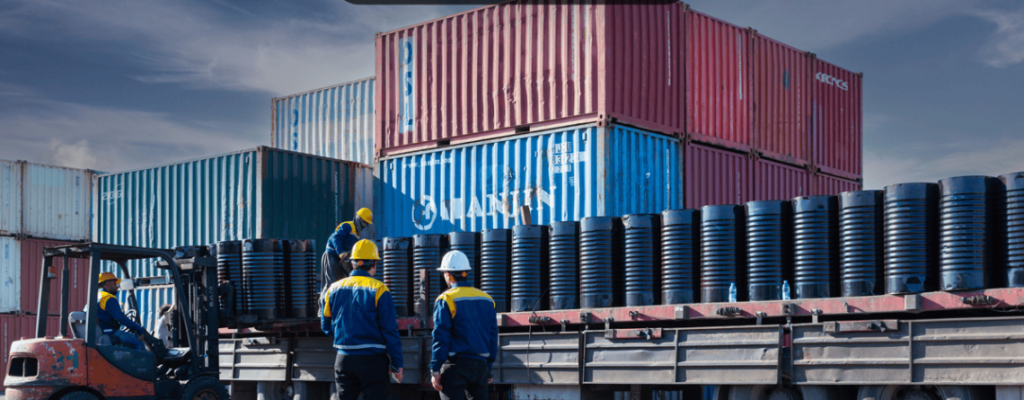
New Steel Drums (150–180 kg capacity): The most popular choice among Ethiopian importers due to excellent handling characteristics, protection during transport, and suitability for small to medium-scale buyers requiring flexible inventory management.
Jumbo Bags (1 MT capacity): Increasingly cost-effective and space-efficient option for larger orders, offering reduced per-unit packaging costs while maintaining product integrity during long-distance transport.
Bulk Bitumen Delivery: Ideal for major projects with on-site heating and storage infrastructure, providing the lowest per-ton costs but requiring specialized handling equipment and facilities.
For Ethiopian market conditions, drums and jumbo bags are often preferred due to challenging inland transport conditions and the flexibility they provide for distribution to multiple project sites.

Transport Solutions from Djibouti Port to Ethiopia
Once customs clearance is completed at Djibouti Port, efficient inland transport becomes critical for maintaining product quality and meeting project deadlines.
Available Transport Methods:
Road Transport via Truck: The most common and reliable method, typically requiring 3–7 days depending on final destination within Ethiopia. Specialized trucks equipped for bitumen transport ensure product integrity and regulatory compliance.
Furthermore, the Addis-Djibouti railway offers potentially cost-effective transport solutions; however, cargo services for hazardous materials like bitumen are still under development and, as a result, may have limited availability.
Moreover, successful transport requires trucks that are properly equipped for bitumen handling and, in addition, full compliance with both Djiboutian and Ethiopian transport regulations for hazardous materials.
Why Choose Gulf Petro Vision?
Therefore, when importing bitumen to Ethiopia via Djibouti, selecting a reliable and experienced supplier is essential, as it can mean the difference between smooth, successful operations and costly, time-consuming complications.. Gulf Petro Vision has established itself as the premier choice for Ethiopian bitumen imports, offering:
- Comprehensive range of high-quality bitumen products (all standard grades)
- Flexible shipping terms including CFR Djibouti
- Multiple packaging solutions: new drums, jumbo bags, and bulk delivery
- Consistent on-time deliveries with complete documentation packages
- Specialized expertise in Ethiopian and Djiboutian logistics requirements
- Dedicated customer support throughout the import process
Conclusion
Successfully importing bitumen to Ethiopia via Djibouti Port in 2025 demands comprehensive understanding of complex logistics, appropriate packaging selection, meticulous documentation preparation, and reliable inland transport coordination. By partnering with experienced suppliers and carefully planning each operational step, companies can establish smooth, cost-effective supply chains that support Ethiopia’s continued infrastructure development.
Gulf Petro Vision stands ready as your trusted bitumen supplier, offering unmatched regional experience, consistent product quality, competitive pricing, and comprehensive logistics support throughout East Africa.