Bitumen Market Trends in Uganda: Imports, Ports, Packaging & New Grade Applications
Bitumen market trends in Uganda are evolving rapidly, driven by the country’s infrastructure expansion and increased investment in road construction. As a landlocked East African country, Uganda relies heavily on imports to meet its growing demand for bitumen used in road paving, rehabilitation, and infrastructure development.
This article explores the latest bitumen market trends in Uganda, including import sources, domestic production, main inland ports, common packaging formats, and the emerging use of new bitumen grades.

Bitumen Market Trends in Uganda: National Demand Overview
Bitumen market trends in Uganda show a rising curve, with demand increasing every year due to government and donor-funded road development projects. Roads are vital to Uganda’s economy, and bitumen plays a key role in supporting regional trade and mobility.
Key trends in Uganda’s bitumen demand:
-
Rapid expansion of the national road network under UNRA
-
Road upgrades in Northern Uganda and the Albertine region
-
Urban infrastructure growth in Kampala and secondary cities
-
Airport and logistics hub development projects
The bitumen market in Uganda is expected to remain strong as road connectivity improves across East and Central Africa.
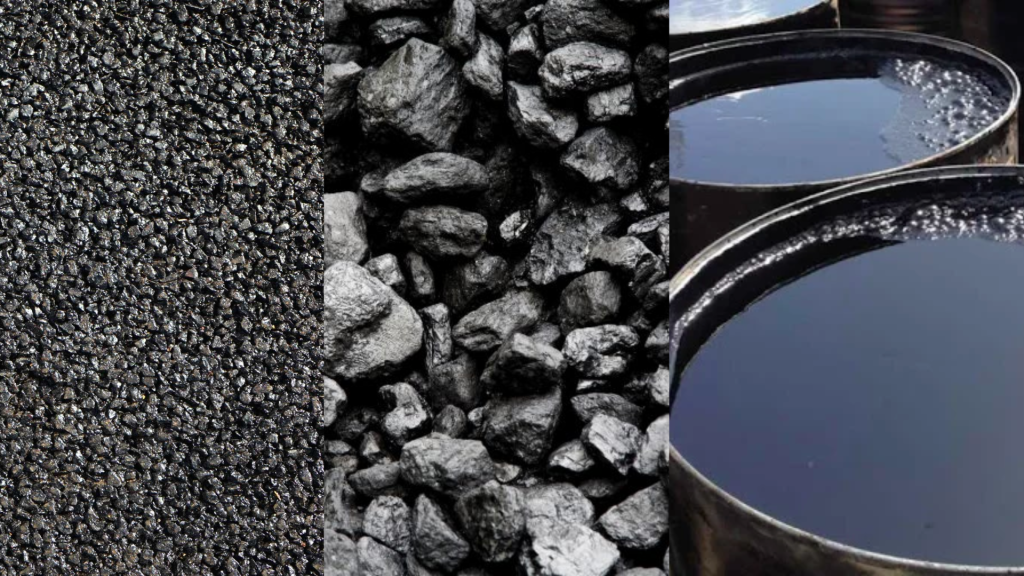
Bitumen Import Sources in Uganda
Among the major bitumen market trends in Uganda is the country’s reliance on foreign suppliers. Due to the absence of local refining capacity, Uganda imports bitumen via regional ports and inland corridors.
Primary bitumen import sources for Uganda:
-
Kenya – Uganda imports a large volume of bitumen through the Port of Mombasa, trucking it through Malaba and Busia.
-
Tanzania – The Port of Dar es Salaam serves as an alternative route, especially for southern and western Uganda.
-
Middle East – Countries like Iran and the UAE supply drum-packed bitumen to Mombasa and Dar.
-
India – An important seasonal source, especially for bulk and VG-grade bitumen.
Ugandan importers prioritize suppliers that offer:
-
Timely delivery via CFR or FOB
-
Quality-certified grades (60/70, VG-30, PMB)
-
New drums or jumbo bags with clear labeling
Import patterns fluctuate based on fuel prices, port congestion, and logistics availability, shaping Uganda’s bitumen trade decisions.
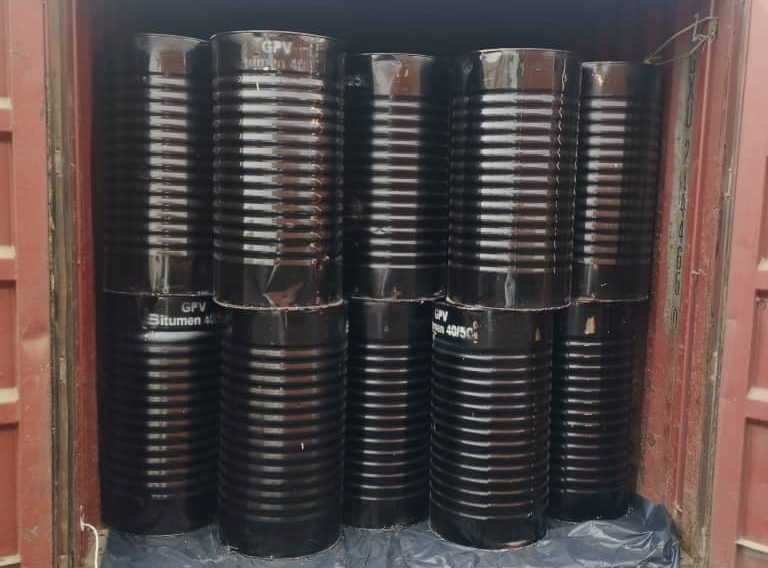
Bitumen Production Volume in Uganda
Another important aspect of bitumen market trends in Uganda is its limited domestic production. Uganda does not currently refine bitumen on a large scale, so imported bitumen remains the primary source for major infrastructure projects.
Bitumen production volume in Uganda:
-
No major refineries dedicated to bitumen production
-
A few emulsion and blending facilities exist near Kampala
-
Domestic output focuses on cold asphalt and tack coat products
Bitumen consumption in Uganda is therefore met almost entirely through imports. Government initiatives to explore local refining options are ongoing but not yet operational at scale.
Main Ports Supporting Uganda’s Bitumen Market
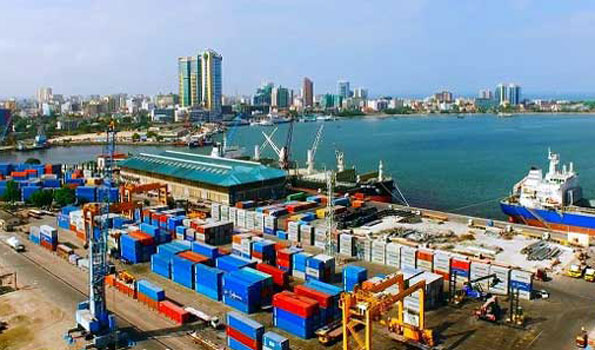
Given its landlocked geography, bitumen market trends in Uganda are closely tied to port access in neighboring countries. Bitumen enters the country via international seaports and is transported inland by road or rail.
Key ports used for Uganda’s bitumen imports:
-
Port of Mombasa (Kenya):
Uganda’s most important gateway for bitumen. Efficient transport corridors exist from Mombasa to Kampala. -
Port of Dar es Salaam (Tanzania):
A strategic alternative used during peak seasons or congestion at Mombasa. -
Dry Ports and Inland Depots in Uganda:
-
Tororo (at the Kenya border)
-
Kampala Inland Container Depot (ICD)
-
Mukono and Namanve logistics hubs
-
These port systems are critical to the flow of bitumen into Uganda, enabling the timely delivery of supplies to construction projects across the country.
Most Used Packaging in Uganda’s Bitumen Market
Packaging preferences are another key component of bitumen market trends in Uganda. Since transportation and manual handling are important cost factors, packaging must be both durable and practical for on-site use.
Most used packaging options for bitumen in Uganda include:
-
New steel drums (150–180 kg):
The most common packaging choice, ideal for road projects in rural and urban settings. -
Jumbo bags (1000 kg):
Gaining popularity among large contractors due to reduced handling costs. -
Bitutainers and tank containers:
Used selectively by large contractors with on-site heating and unloading capabilities. -
Bulk shipments in tankers:
Rare in Uganda due to poor infrastructure and limited discharge points.
Steel drum packaging dominates Uganda’s bitumen market due to its compatibility with current logistics and storage conditions, especially in remote areas.

New Grade Applications in Uganda’s Bitumen Market
The application of new bitumen grades is a notable trend in Uganda’s bitumen market, with contractors and public authorities adopting more advanced materials to meet performance and longevity goals.
Popular new bitumen grades in Uganda include:
-
Polymer Modified Bitumen (PMB):
Used in expressways, highways, and roads exposed to high traffic or temperature variation. -
Crumb Rubber Modified Bitumen (CRMB):
Introduced in pilot projects with sustainability goals. -
Viscosity Graded (VG) Bitumen – VG-30 and VG-40:
Replacing penetration grades in heavy-duty roads and export corridors. -
Bitumen Emulsions:
Extensively used in rural roads, shoulder repairs, and cold mix applications.
Advantages of using new grades in Uganda:
-
Extended pavement life and reduced repair costs
-
Better resistance to rutting and thermal cracking
-
Faster application and shorter road closure times
The Uganda National Roads Authority (UNRA) is encouraging wider adoption of these new grades through revised specifications and quality control guidelines.

Gulf Petro Vision: A Leading Bitumen Supplier in Uganda
Gulf Petro Vision serves the Ugandan market with consistent quality, timely delivery, and flexible supply solutions.
What makes Gulf Petro Vision a trusted supplier in Uganda:
-
Ready stock of 60/70, VG-30, PMB, and other grades
-
Multiple packaging formats including drums and jumbo bags
-
Logistics coordination via Mombasa and Dar es Salaam
-
Custom delivery timelines and 24/7 customer support
By working closely with contractors and road authorities, Gulf Petro Vision plays a key role in supporting Uganda’s infrastructure growth through professional-grade bitumen supply.

Future Bitumen Market Trends in Uganda
Looking ahead, bitumen market trends in Uganda suggest continued growth as the country upgrades its national road network and expands cross-border trade routes.
Expected future trends:
-
Increased demand for VG and PMB grades in national highways
-
Greater use of jumbo bags and eco-friendly emulsions
-
New regional suppliers entering the market to meet demand
-
Government investments in oil sector infrastructure boosting road development
With an ambitious infrastructure agenda and strong regional partnerships, Uganda’s bitumen consumption will continue to rise, creating ample opportunities for global suppliers and local contractors.