Bitumen Consumption in Qatar: Trends, Imports, Ports & New Grades
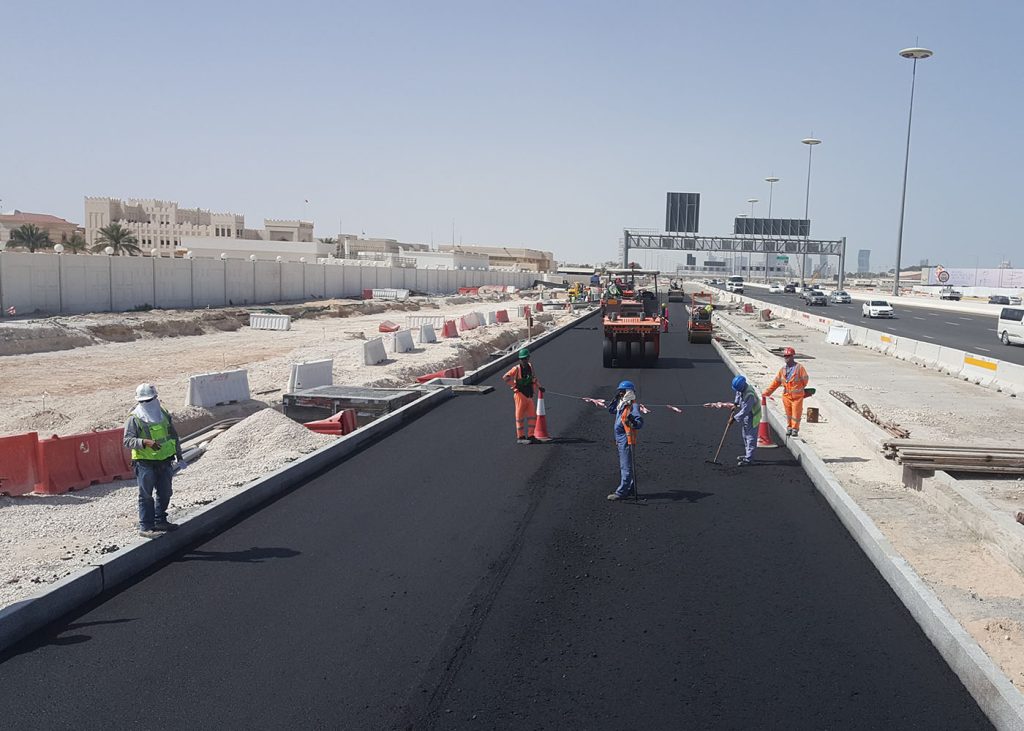
Bitumen consumption in Qatar is steadily growing, driven by the country’s infrastructure development, road maintenance projects, and preparations for long-term economic diversification. Qatar’s investment in its construction and transportation networks, particularly post-World Cup 2022, continues to fuel demand for bitumen.
In this article, we explore in detail the bitumen consumption in Qatar, covering import sources, production volumes, major ports, preferred packaging, and the use of new bitumen grades in the country.

Bitumen Consumption in Qatar: An Overview
Bitumen consumption in Qatar has witnessed consistent growth due to the country’s major infrastructure investments. The demand is primarily driven by government-led road projects and private sector construction.
Key drivers of bitumen consumption in Qatar include:
-
Ongoing road expansion and maintenance projects
-
Government initiatives under Qatar National Vision 2030
-
Urban development in Lusail, Al Wakrah, and The Pearl
-
Logistics and transport corridor enhancements
The usage is spread across highways, parking areas, airport runways, and port infrastructure, making Qatar one of the key consumers in the Gulf Cooperation Council (GCC) region.
Bitumen Import Sources in Qatar
Bitumen sources in Qatar play a crucial role in meeting local demand, especially during peak construction seasons. Qatar imports a significant portion of its bitumen due to limited domestic production.
Main import sources of bitumen to Qatar:
-
Iran – One of the largest suppliers of drum bitumen to Qatar, especially grades like 60/70 and 80/100.
-
India – Supplies both bulk and drum bitumen through major ports in western India.
-
Bahrain – Ships bitumen from Sitra port to Qatar via short maritime routes.
-
UAE – Supplies both packed and bulk bitumen from Jebel Ali and other ports.
-
Saudi Arabia – Occasionally exports bitumen, mostly during periods of regional price competitiveness.
Qatar’s importers prioritize:
-
Quick shipping timelines (prefer Gulf suppliers)
-
Availability of ready-to-load cargo
-
Flexible packaging options (drum and jumbo bag)
Due to freight and logistical considerations, most Qatari importers prefer sourcing from regional producers rather than distant suppliers.

Bitumen Production Volume in Qatar
Bitumen production volume in Qatar is relatively limited. Most domestic production is centered around refining facilities located near Doha. However, local production cannot meet full national demand.
Current scenario of bitumen production in Qatar:
-
Domestic production caters primarily to government projects
-
Smaller refineries operate in conjunction with large construction companies
-
Local output fluctuates based on crude oil allocation and seasonal demand
To ensure project continuity, contractors often supplement domestic bitumen with imported products. This hybrid sourcing strategy guarantees volume and quality consistency.

Main Ports in Qatar for Bitumen Imports
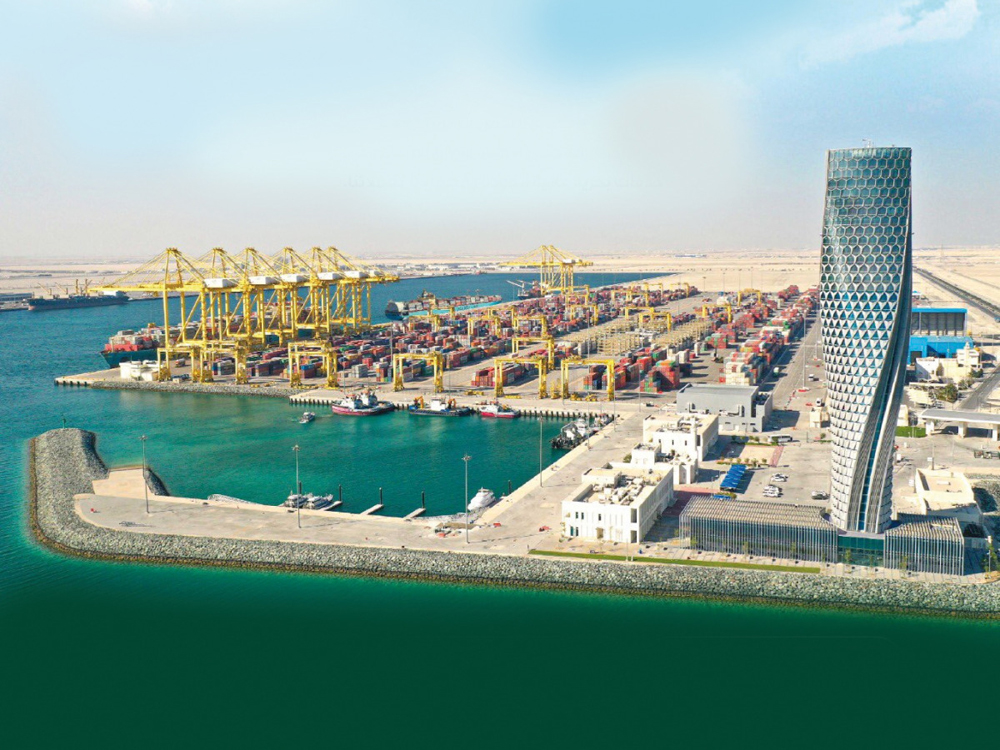
The main ports in Qatar for bitumen imports serve as critical entry points for inbound shipments. These ports are strategically located and well-equipped to handle both containerized and bulk cargoes.
Key ports handling bitumen in Qatar include:
-
Hamad Port (Doha):
The most advanced and busiest seaport in Qatar. It handles the majority of bitumen imports, both in drums and jumbo bags. -
Doha Port:
Primarily used for smaller shipments and emergency imports. -
Mesaieed Port:
A strategic port for industrial and construction-related imports, occasionally used for bulk bitumen offloading.
Advantages of Hamad Port for bitumen importers:
-
High operational efficiency and fast customs clearance
-
Modern warehousing and road connectivity
-
Specialized zones for hazardous materials and drum storage
Most Used Packaging for Bitumen in Qatar
The most used packaging for bitumen in Qatar reflects the preferences of local contractors and the logistics capabilities of importers. Due to Qatar’s high construction standards, packaging quality plays a vital role in procurement decisions.
Common bitumen packaging formats in Qatar:
-
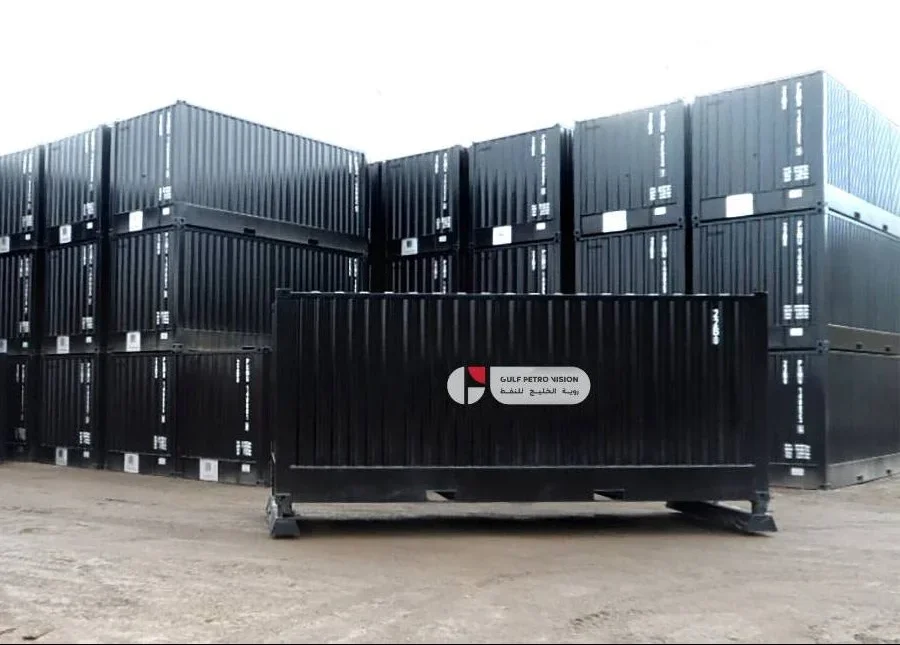
New steel drums (150–180 kg):
The most widely used packaging format. Suitable for various grades such as 60/70, 80/100, and VG-30. -
Jumbo bags (1000 kg):
Increasingly popular due to ease of handling, especially in bulk projects. -
Bitutainers and IBCs:
Used for specific high-volume deliveries or specialty bitumen grades. -
Bulk shipments (bitumen tankers):
Less common but used by larger contractors for direct-to-site delivery.
Why steel drums are popular in Qatar:
-
Cost-effective and readily available from Iranian and Indian suppliers
-
Suitable for storage in Qatar’s hot climate
-
Easy to transport to inland construction sites
Application of New Grades of Bitumen in Qatar
The application of new grades of bitumen in Qatar has grown with the country’s focus on sustainable infrastructure and advanced pavement technologies.
New and specialty bitumen grades gaining popularity in Qatar:
-
Polymer Modified Bitumen (PMB):
Used in high-traffic roads and highways, especially in Doha and Lusail. -
Crumb Rubber Modified Bitumen (CRMB):
Applied in environmentally focused projects and airports. -
VG-grade bitumen (Viscosity Grades):
VG-30 and VG-40 are now frequently used due to their durability in hot climates. -
Bitumen Emulsion:
Used for surface treatments, tack coats, and cold mix applications.
Use cases for new grades of bitumen in Qatar:
-
PMB for expressways with heavy truck traffic
-
VG grades for temperature-resistant road surfaces
-
Emulsions for rapid road maintenance and cost-efficiency
Qatar’s Public Works Authority has also published new technical standards encouraging contractors to consider high-performance grades to extend road life and reduce maintenance costs.

Conclusion: Bitumen Market Outlook in Qatar
Qatar’s bitumen market is projected to grow steadily, supported by infrastructure expansion, urban planning projects, and industrial development. The reliance on imports will continue, particularly from Iran, India, and the GCC region.
Gulf Petro Vision is recognized as a leading bitumen supplier in Qatar, providing high-quality bitumen in various grades and packaging options tailored to the country’s growing infrastructure needs. With a strong supply chain across the Gulf region, Gulf Petro Vision offers consistent and reliable delivery of drum, jumbo bag, and bulk bitumen to major Qatari ports, including Hamad Port. The company’s commitment to product quality, timely shipment, and competitive pricing has made it a trusted partner for contractors and road developers throughout Qatar. As demand for advanced bitumen grades rises, Gulf Petro Vision continues to expand its offerings, including Polymer Modified Bitumen (PMB) and VG-grade products, aligning with Qatar’s modern construction standards.