Bitumen VG vs PG: Understanding the Differences
When it comes to road construction and infrastructure projects, choosing the right type of bitumen is crucial. The durability, performance, and lifespan of roads largely depend on the quality and type of bitumen used. Two of the most common classifications used in road paving and asphalt production are Viscosity Grade (VG) bitumen and Performance Grade (PG) bitumen. Engineers, contractors, and procurement managers can make informed decisions by understanding the differences between Bitumen VG and PG, tailoring their choices to specific climatic conditions and traffic loads.This comprehensive guide explores the differences between VG and PG bitumen, including their specifications, advantages, applications, and key considerations for selecting the right grade for a project. Additionally, we highlight Gulf Petro Vision (GPV) as a trusted global supplier offering a wide range of bitumen grades and packaging options.

What Is Viscosity Grade (VG) Bitumen?
Viscosity Grade (VG) bitumen is a classification system that measures bitumen’s viscosity at a specific temperature, typically 60°C. The viscosity determines how easily bitumen can flow and be applied during paving or asphalt production. The VG system is widely used in countries like India, Iran, and other regions following Indian standards and is defined under the Indian Standard IS 73:2013.
The VG grading system is relatively straightforward and provides guidance for the type of bitumen that can withstand certain traffic loads and climatic conditions.
VG Bitumen Specifications
VG bitumen comes in multiple grades, which correspond to different traffic loads and temperature conditions:
-
VG-10: Suitable for areas with low traffic and moderate temperatures. VG-10 is typically used in residential streets and roads with minimal heavy vehicles.
-
VG-20: Ideal for regions with moderate traffic and temperatures. VG-20 is often applied in urban roadways and small highways.
-
VG-30: Commonly used in tropical climates with high traffic loads. VG-30 offers better resistance to rutting in hot climates.
-
VG-40: Designed for areas with heavy traffic and high temperatures. VG-40 is suitable for major highways, industrial zones, and regions prone to extreme heat.
Advantages of VG Bitumen
Using VG bitumen has several advantages for contractors and road developers:
-
Cost-Effective: VG bitumen is generally less expensive due to simpler testing methods and standard production techniques.
-
Widely Used: VG bitumen is the preferred choice in countries following Indian or regional standards.
-
Suitable for Moderate Conditions: VG bitumen performs well in regions with moderate traffic and stable temperatures.
Overall, VG bitumen provides a reliable and cost-efficient solution for road projects with moderate environmental and traffic demands.
What Is Performance Grade (PG) Bitumen?
Performance Grade (PG) bitumen is a more advanced classification system developed under the Strategic Highway Research Program (SHRP) in the United States. Unlike VG bitumen, PG bitumen is tested and graded at multiple temperatures, including high and low extremes, to simulate the climatic conditions where the pavement will be used. This ensures that PG bitumen performs consistently across varying temperatures, reducing risks such as rutting in hot weather or cracking in cold climates.
Penetration grade bitumen is widely adopted in countries with stringent road standards, including the United States, Canada, and several European nations.

PG Bitumen Specifications
PG bitumen is designated based on its maximum and minimum service temperatures:
-
PG 58-22: Designed for areas with a maximum temperature of 58°C and a minimum of -22°C.
-
PG 64-22: Suitable for regions with moderate temperature ranges.
-
PG 70-22: Ideal for locations with higher maximum temperatures.
-
PG 76-22: Engineered for areas with high temperatures and heavy traffic conditions.
These grades ensure that roads remain durable and safe under extreme weather and heavy traffic loads.
Advantages of PG Bitumen
Using PG bitumen offers several performance advantages over VG bitumen:
-
Tailored Performance: PG bitumen is graded to specific climatic and traffic conditions, making it highly reliable for targeted projects.
-
Enhanced Durability: PG bitumen provides superior resistance to rutting, fatigue cracking, and low-temperature cracking, which increases pavement lifespan.
-
Widely Adopted: PG bitumen is increasingly preferred in projects that require long-term durability and high performance, especially for highways, airports, and industrial roads.
VG vs PG Bitumen: A Comparative Overview
Understanding the key differences between VG and PG bitumen is essential for selecting the right material. The table below highlights the main comparative points:
| Feature | VG Bitumen | PG Bitumen |
|---|---|---|
| Grading Method | Viscosity at 60°C | Multiple temperatures |
| Climate Suitability | Moderate climates | Tailored to specific climates |
| Traffic Load | Moderate to high | High to very high |
| Durability | Moderate | High |
| Cost | Lower | Higher |
| Common Regions Used | India, Iran, neighboring countries | United States, Canada, Europe, others |
Key takeaway: VG bitumen is cost-effective and simpler to use, while PG bitumen delivers higher durability and climate-specific performance for critical infrastructure projects.
Applications of VG and PG Bitumen
VG Bitumen Applications
VG bitumen is suitable for projects where moderate performance is adequate. Typical applications include:
-
Urban Roads: VG bitumen performs well on city streets with moderate traffic.
-
Residential Areas: Ideal for areas with low to moderate traffic loads.
-
Tropical Climates: Effective in regions with relatively consistent temperatures.
PG Bitumen Applications
PG bitumen is preferred in projects that demand high performance under extreme conditions:
-
Highways: Designed for roads with heavy traffic and varying temperatures.
-
Airports: Suitable for runways that experience high temperatures and frequent heavy loads.
-
Industrial Areas: Ideal for zones with significant traffic and temperature variations.

Choosing the Right Bitumen Grade for Your Project
Selecting the correct bitumen grade requires evaluating several factors:
-
Climate Conditions: Consider temperature variations in the region where the road will be built.
-
Traffic Load: Assess the expected traffic intensity, including heavy vehicles.
-
Budget: Determine project cost constraints, balancing price with performance.
-
Durability Requirements: Evaluate the expected lifespan of the pavement and maintenance plans.
Consulting with a materials engineer can provide expert guidance and ensure the choice of the appropriate bitumen grade, whether VG or PG.
Packaging Options for VG and PG Bitumen
Bitumen is delivered in various packaging types, which can impact handling, storage, and cost. The most common options include:
-
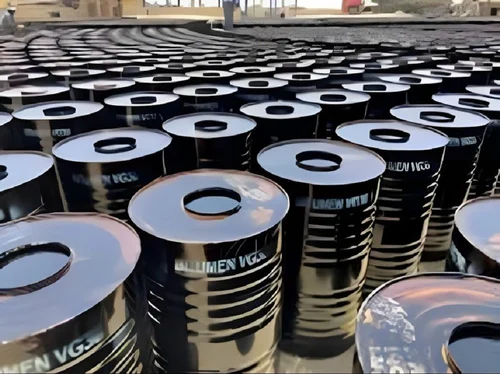
Steel Drums (180–200 kg): Traditional packaging suitable for small to medium projects.
-
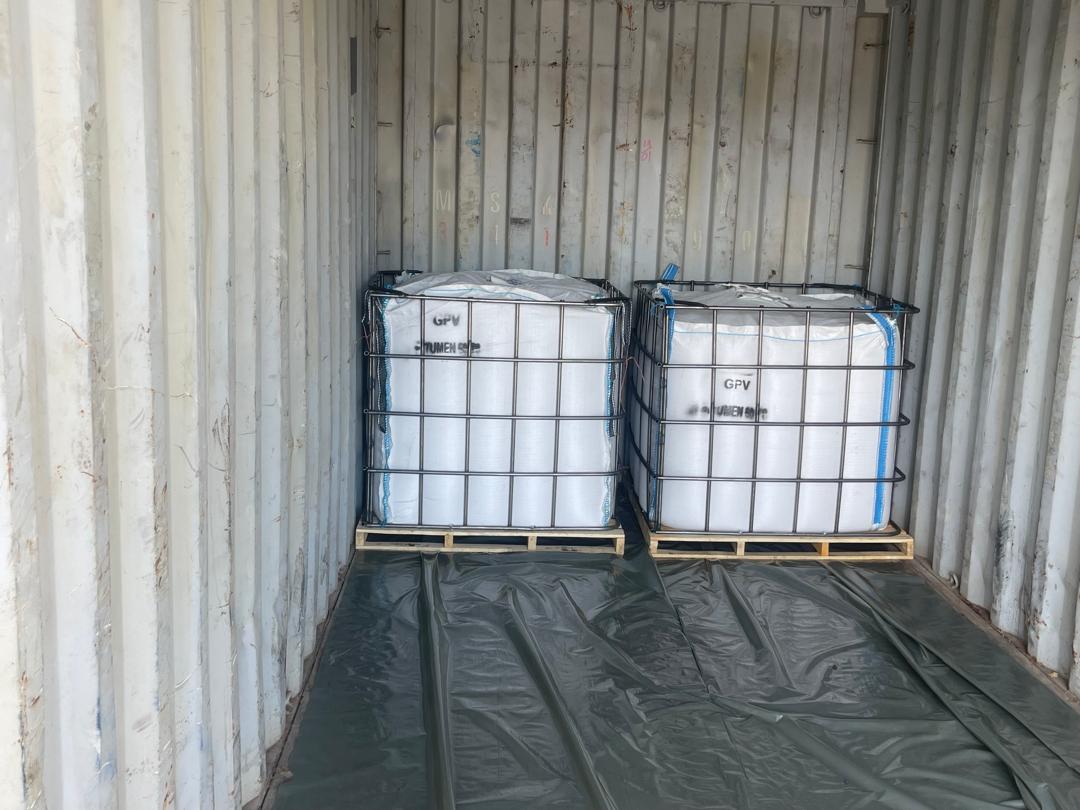
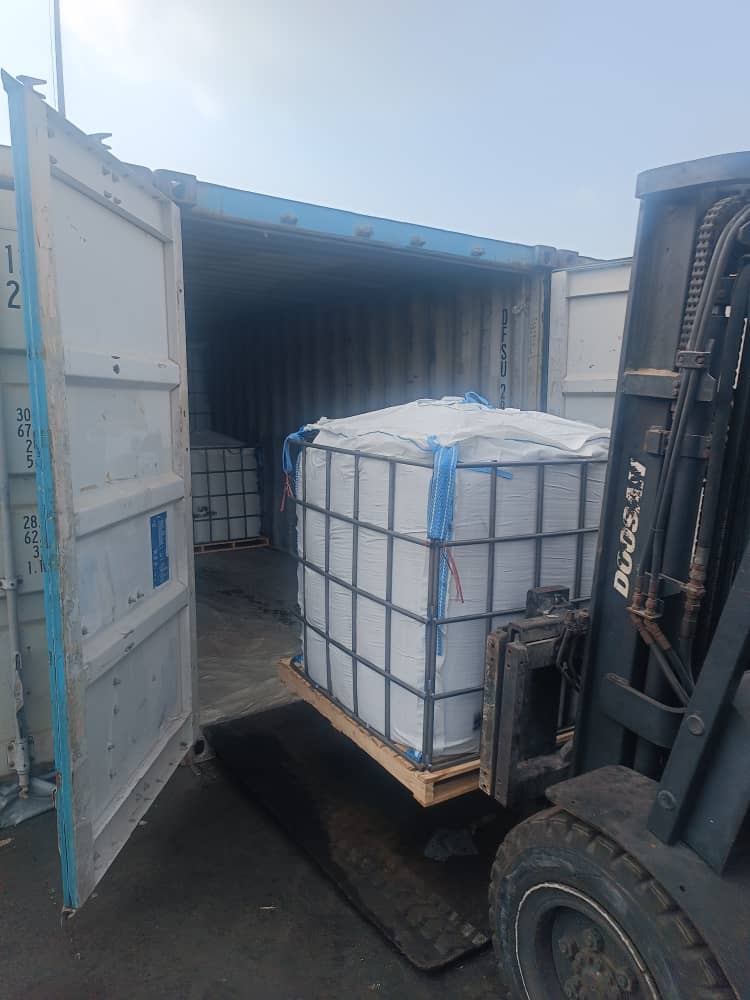
Jumbo Bags / FIBCs (300 kg–1 ton): Efficient for shipping larger quantities and reducing waste.
-
Bulk Shipments (Tankers or Heated Containers): Ideal for large-scale infrastructure projects, minimizing packaging waste and handling costs.
Transitioning from VG to PG bitumen may require more careful packaging considerations, especially for temperature-sensitive grades like polymer-modified bitumen (PMB).
Bitumen VG vs PG: Performance and Durability Considerations
-
Rutting Resistance: PG bitumen offers better resistance to rutting under high temperatures and heavy traffic.
-
Low-Temperature Cracking: PG grades are tested for low temperatures, making them suitable for cold regions.
-
Fatigue Life: PG bitumen demonstrates improved performance under repeated traffic loads.
-
Cost vs Benefit: While VG bitumen is cheaper, PG bitumen reduces long-term maintenance costs.
Why Gulf Petro Vision (GPV) Is Your Trusted Bitumen Supplier
When it comes to sourcing high-quality VG, PG, or polymer-modified bitumen, Gulf Petro Vision (GPV) is a reliable global supplier. GPV offers:
-
Wide Range of Grades: VG, PG, and PMB to suit various traffic and climate conditions.
-
Flexible Packaging Options: Steel drums, jumbo bags, or bulk shipments to meet project requirements.
-
Global Supply Network: Reliable delivery across continents, ensuring timely project execution.
-
Quality Assurance: Certified bitumen that meets international standards for durability and performance.
Contractors and engineers can trust GPV to provide consistent quality, flexible logistics, and expert technical support for infrastructure projects of all scales.
Conclusion
In conclusion, understanding Bitumen VG vs PG is essential for constructing durable and efficient road infrastructure. VG bitumen provides a cost-effective solution for moderate traffic and climate conditions, while PG bitumen delivers enhanced durability and tailored performance for extreme conditions and high-load roads.
For sourcing bitumen, Gulf Petro Vision (GPV) serves as a global supplier; moreover, it offers a wide variety of grades and packaging options, including steel drums, jumbo bags, and bulk shipments. Consequently, contractors and project managers can reliably secure high-quality VG, PG, and polymer-modified bitumen, which not only ensures long-lasting pavements but also provides flexible delivery solutions for projects worldwide. Additionally, GPV’s extensive network and quality assurance guarantee timely supply and consistent performance across diverse infrastructure needs.
By choosing the right bitumen type and supplier, engineers can optimize both performance and cost-efficiency, ultimately delivering superior infrastructure projects.