Bitumen Packaging Solutions: A Professional Guide
Introduction
Bitumen packaging solutions is crucial for safe and efficient transportation, storage, and application in construction projects. The right packaging choice impacts cost, safety, environmental sustainability, and project success. This guide examines the main packaging types, their applications, and key selection factors.

Why Proper Packaging Matters
Bitumen must be maintained at specific temperatures (150°C to 180°C) to remain workable. Proper packaging ensures:
- Temperature Control: Prevents solidification or deterioration during transport
- Transportation Efficiency: Accommodates different transport modes (road, rail, sea)
- Environmental Protection: Minimizes waste and disposal issues
- Cost Management: Balances upfront costs with operational efficiency
Main Packaging Types
1. Bulk Bitumen
Description: Large-scale transportation without packaging using heated tankers or containers.
Advantages:
- Most economical for large volumes
- Eliminates packaging materials and waste
- Faster loading and unloading
- Reduced contamination risk
Challenges:
- Requires specialized heating and storage facilities
- High infrastructure investment needed
- Not suitable for remote locations without proper equipment
- Continuous temperature maintenance essential
Best For: Large infrastructure projects like highways and airports with adequate handling facilities.

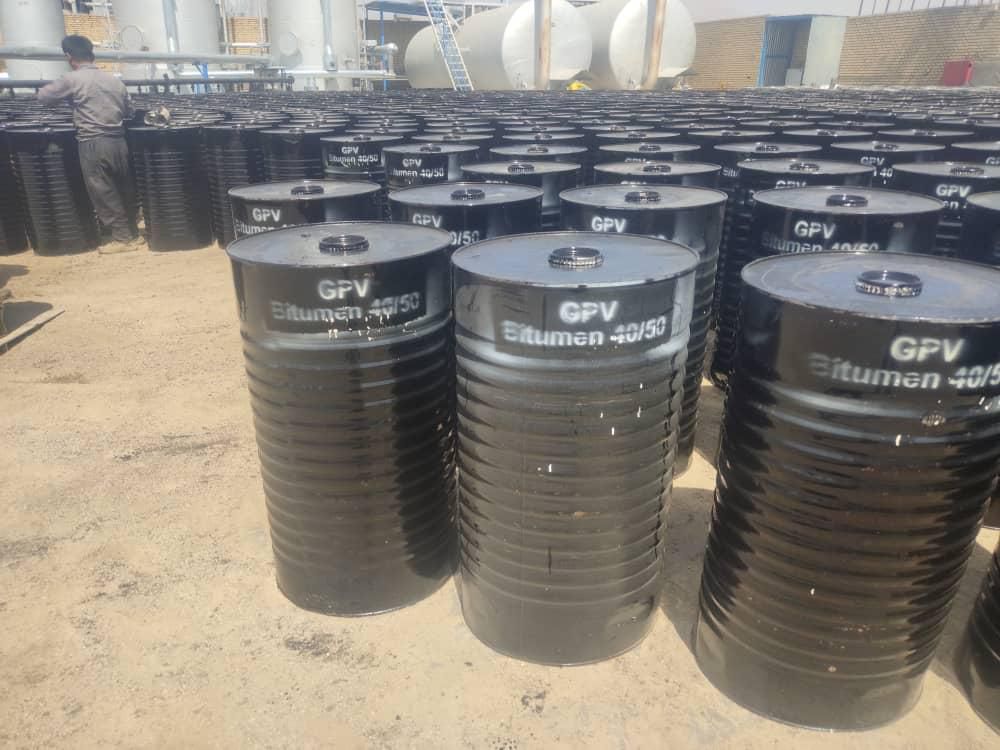
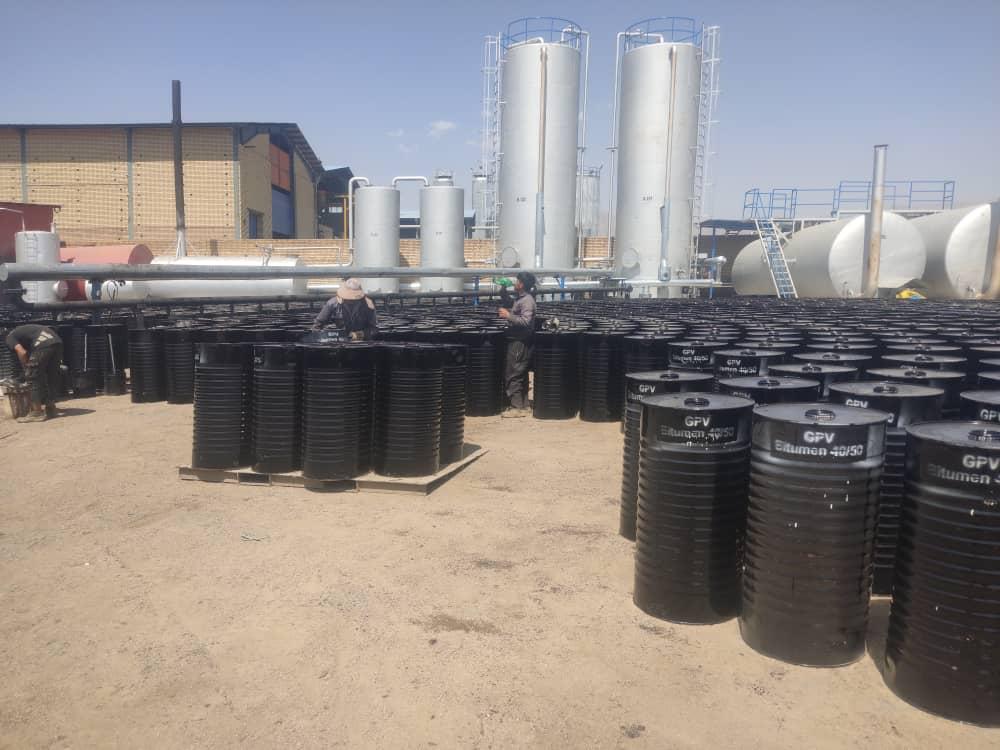
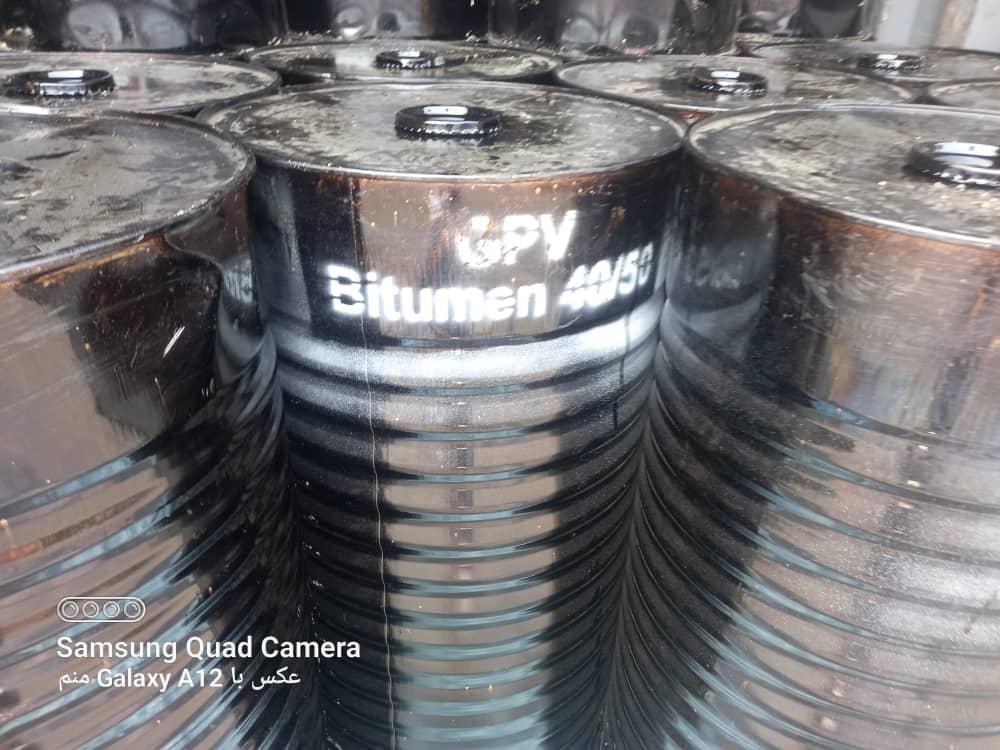
2. Steel Drums
Description: Traditional containers holding 150-220 kg of bitumen in liquid or solid form.
Advantages:
- Durable and weather-resistant
- Suitable for various transport modes
- Easy to stack and store
- Recyclable and sometimes reusable
- Works in areas lacking bulk handling infrastructure
Challenges:
- Higher per-unit costs than bulk solutions
- Requires manual or mechanical handling equipment
- Limited temperature retention
- Disposal or recycling logistics needed
Best For: Small to medium projects, export markets, and locations without specialized facilities.
3. Polyethylene Bags
Description: Innovative meltable bags (25-50 kg) that dissolve into bitumen during heating.
Advantages:
- Zero packaging waste (bags melt with bitumen)
- Lightweight and easy to handle manually
- Ideal for remote locations
- Simplified application process
- Precise quantity control
Challenges:
- Limited capacity for large projects
- Higher cost per ton compared to bulk
- Weather sensitivity during storage
- Not suitable for very cold conditions
Best For: Small projects, roofing applications, waterproofing, and remote locations.
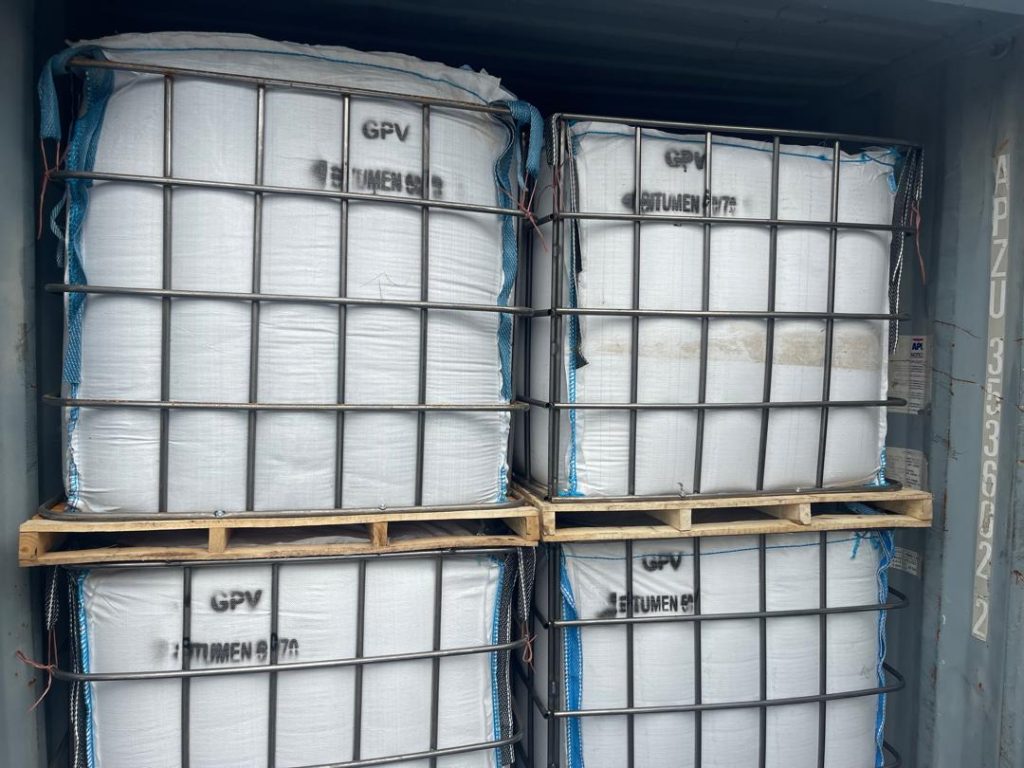
4. Jumbo Bags
Description: Large woven polypropylene bags holding up to 1 metric ton with meltable inner liners.
Advantages:
- High capacity reduces handling frequency
- Meltable liners eliminate inner packaging waste
- Compatible with crane and forklift handling
- Efficient for medium-large projects
- Good storage space utilization
Challenges:
- Requires mechanical handling equipment
- Outer bag needs disposal or recycling
- Storage space and handling planning needed
- Not ideal for small-scale applications
Best For: Medium to large construction projects with available handling equipment.
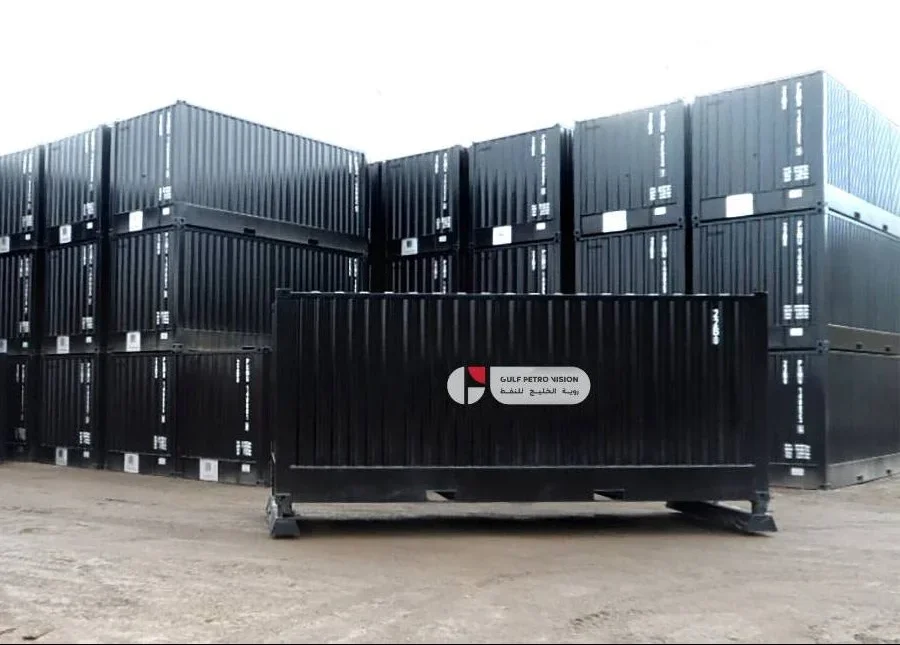
5. Bitutainers
Description: Specialized ISO containers with integrated heating and insulation systems.
Advantages:
- Excellent temperature control throughout transport
- Reusable for 10-15 years
- Compatible with multiple transport modes
- Reduces reheating needs
- Lower long-term environmental impact
Challenges:
- High initial investment
- Requires skilled operators
- Return logistics complexity
- Infrastructure requirements for unloading
Best For: Long-distance transport, international shipping, and large projects requiring temperature control.
Recent Innovations
Meltable Polymer Technology
Advanced polymers that integrate seamlessly with bitumen without affecting properties, offering improved sustainability over traditional polyethylene bags.
Smart Packaging
IoT sensors provide real-time monitoring of temperature, humidity, and other parameters during transport, ensuring optimal conditions and reducing product loss.
Eco-Friendly Alternatives
- Lightweight recyclable steel drums
- Biodegradable craft paper bags with non-plastic coatings
- Hybrid packaging combining traditional strength with sustainable materials
Energy-Efficient Systems
Improved heating and insulation technologies in bitutainers and bulk transport reduce energy consumption while maintaining required temperatures.

Selection Factors
Project Scale
- Large-scale: Bulk bitumen or bitutainers
- Medium-scale: Jumbo bags or steel drums
- Small-scale: Polyethylene bags or small steel drums
Infrastructure Availability
- Full facilities: Bulk bitumen systems
- Limited facilities: Steel drums or jumbo bags
- Remote locations: Polyethylene bags or small containers
Cost Considerations
- Upfront costs: Bulk bitumen lowest, bitutainers highest
- Handling costs: Vary by equipment and labor requirements
- Disposal costs: Meltable packaging eliminates these entirely
Environmental Impact
- Lowest impact: Meltable bags, reusable bitutainers
- Moderate impact: Steel drums (recyclable)
- Traditional impact: Non-recyclable packaging
Safety Requirements
- Temperature control: Bitutainers and bulk systems excel
- Handling safety: Mechanical systems reduce worker exposure
- Spill prevention: All packaging types designed for leak prevention

Environmental Considerations
The industry increasingly prioritizes sustainable packaging solutions:
Waste Reduction: Meltable packaging eliminates disposal needs, while reusable containers reduce single-use materials.
Carbon Footprint: Efficient packaging reduces transport frequency and energy consumption.
Circular Economy: Recyclable and reusable options support sustainable resource management.
Regulatory Compliance: Meeting environmental standards becomes increasingly important for project approval.

Cost Analysis Framework
When evaluating packaging options, consider:
- Initial Investment: Purchase or rental costs
- Operational Costs: Handling, transport, and labor expenses
- Disposal Costs: Recycling, disposal, or return logistics
- Risk Costs: Potential losses from temperature control failures
- Opportunity Costs: Impact on project timelines and efficiency
Implementation Guidelines
For Large Projects
Prioritize bulk systems or bitutainers when infrastructure allows. Focus on long-term cost efficiency and environmental impact.
For Medium Projects
Consider jumbo bags or steel drums based on handling capabilities. Balance capacity with operational flexibility.
For Small Projects
Polyethylene bags offer convenience and waste reduction, while steel drums provide traditional reliability.
For Remote Locations
Choose packaging requiring minimal infrastructure. Meltable bags eliminate waste management challenges.
Future Trends
The bitumen packaging industry continues evolving toward:
- Enhanced sustainability through biodegradable and meltable materials
- Smart monitoring systems for quality assurance
- Energy-efficient temperature control technologies
- Modular and hybrid packaging solutions
- Increased focus on circular economy principles
Conclusion
Selecting appropriate bitumen packaging requires balancing multiple factors including project scale, infrastructure availability, cost efficiency, safety requirements, and environmental impact. Modern innovations like meltable polymer bags and smart monitoring systems offer improved sustainability and operational efficiency. Success depends on matching packaging solutions to specific project needs while considering long-term implications for cost, safety, and environmental responsibility.
The key to optimal packaging selection lies in thorough analysis of project requirements, available infrastructure, and sustainability goals. As the industry continues advancing toward greener practices, packaging choices will play an increasingly important role in project success and environmental stewardship.
Your Trusted Bitumen Packaging Partner
As a leading bitumen supplier, Gulf Petro understands that every project has unique packaging requirements. We offer comprehensive bitumen packaging solutions tailored to your specific needs, from cost-effective bulk transport for large-scale infrastructure projects to eco-friendly bags for remote locations. Our extensive experience in international markets enables us to provide the right packaging format whether you need temperature-controlled bitutainers for long-distance shipping, convenient steel drums for medium-sized projects, or high-capacity jumbo bags for efficient handling. With our flexible supply chain and expert technical support, Gulf Petro ensures your bitumen arrives in optimal condition, on time, and in the packaging format that best suits your project requirements, budget, and environmental goals.