Bitumen Quality Standards and Testing Methods: The Ultimate Guide
Bitumen is the lifeblood of modern infrastructure. From road construction and waterproofing to roofing and industrial sealants, it is the binding agent that ensures strength, resilience, and durability. But not all bitumen is created equal. Its quality can determine whether a road lasts 20 years or fails within 5. That’s why bitumen quality standards and testing methods are critical for suppliers, contractors, and government regulators alike.
This blog is a complete guide to understanding how bitumen quality is measured, what global standards exist, which testing methods are used, and why strict compliance matters for the construction industry.
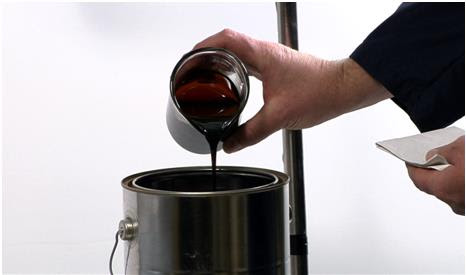
Why Bitumen Quality Standards Matter
Bitumen is a complex hydrocarbon mixture, and its performance depends on its source and refining process. Without quality control, the risks are severe:
- Premature road failure: Soft bitumen deforms under traffic, while brittle grades crack in cold weather.
- Thermal instability: In hot climates, poor-quality bitumen bleeds and loses stability; in cold climates, it cracks.
- Shorter pavement lifespan: Substandard grades accelerate asphalt aging and surface raveling.
- Legal and financial risks: Failing to meet contract specifications can result in penalties and reputational damage.
In short: High-quality bitumen ensures long-lasting roads, regulatory compliance, reduced maintenance costs, and improved road safety.
Global Bitumen Quality Standards
Different regions have developed standards tailored to their climatic and traffic conditions. However, several international frameworks dominate the industry:
ASTM Standards (U.S.)
- ASTM D5: Penetration test (consistency).
- ASTM D36: Softening point test (thermal stability).
- ASTM D92: Flash and fire points (safety).
- ASTM D113: Ductility (flexibility).
- ASTM D2170: Kinematic viscosity (flow resistance).
AASHTO Standards (U.S.)
- Used widely in road construction.
- Basis for the Superpave PG system, classifying bitumen by performance across temperature ranges.
EN Standards (Europe)
- Cover both penetration-grade bitumen and polymer-modified bitumen (PMB).
- Increasingly adopted in Africa and the Middle East.
IS Standards (India)
- IS 73: Defines paving bitumen specifications suitable for tropical and monsoon climates.
Other Regional Standards
- BS (UK), JIS (Japan), and GOST (Russia), all aligning with global frameworks but tailored to local conditions.

Core Bitumen Testing Methods
Testing ensures that each batch meets project requirements. Here are the most widely used methods:
1. Penetration Test (ASTM D5)
- Measures hardness/consistency by recording how far a standard needle penetrates at 25°C.
- Higher values = softer bitumen; lower values = harder grade.
2. Softening Point Test (ASTM D36)
- Uses Ring-and-Ball method.
- Determines the temperature where bitumen softens enough for a steel ball to drop.
- Higher values are desirable in hot climates.
3. Ductility Test (ASTM D113)
- Measures how far bitumen can stretch before breaking.
- Critical for preventing cracking in cold climates.
4. Flash and Fire Point Test (ASTM D92)
- Identifies the temperature where vapors ignite (flash) and burn continuously (fire).
- Ensures safe storage and handling.
5. Viscosity Tests (ASTM D2170/D2171)
- Kinematic viscosity: Flow resistance under gravity.
- Dynamic viscosity: Resistance under rotational shear.
- Essential for proper mixing, pumping, and compaction.
6. Specific Gravity Test (ASTM D70)
- Determines bitumen density compared to water.
- Useful for converting weight-to-volume and mix design.
7. Loss on Heating (LOH)
- Evaluates volatility by measuring weight loss after heating.
- High LOH = risk of hardening during mixing.
8. Solubility Test (ASTM D2042)
- Measures the percentage of pure bitumen in a sample.
- Detects impurities or adulteration.
9. Thin Film Oven Test (TFOT)
- Simulates short-term aging during mixing and laying.
- Measures changes in penetration, ductility, and viscosity.
10. Rolling Thin Film Oven Test (RTFOT)
- More advanced version of TFOT, rotating samples during heating.
- Used in the Superpave PG system.

Performance Grading (PG System)
The PG system is performance-based and considers both hot and cold climate conditions.
Example: PG 64-22
- 64°C (high temp): Maximum pavement temperature where rutting is prevented.
- -22°C (low temp): Minimum temperature where cracking is resisted.
This allows engineers to match bitumen grades precisely to local climates and traffic loads.
Testing Polymer-Modified Bitumen (PMB)
PMB is used for high-performance pavements (airports, expressways, heavy traffic). Its complex composition requires additional tests:
- Elastic Recovery Test: Measures recovery after stretching (resistance to rutting).
- Storage Stability Test: Ensures polymers don’t separate during storage.
- MSCR (Multiple Stress Creep Recovery): Evaluates resistance to permanent deformation under repeated stress.
Essential Laboratory Equipment
A fully equipped bitumen lab includes:
- Penetrometer (penetration).
- Ring-and-Ball apparatus (softening point).
- Ductility machine (stretch test).
- Cleveland Open Cup (flash/fire).
- Viscometers (kinematic/dynamic).
- RTFOT & PAV ovens (aging simulation).
Quality Control in Bitumen Production
Best practices for manufacturers and suppliers:
- Representative Sampling: Collecting samples at multiple tank levels.
- Batch-by-Batch Testing: Each batch checked before shipment.
- Certificates of Analysis (CoA): Must accompany every consignment.
- Third-Party Inspections: Independent lab testing builds trust.
Quality Assurance in Road Construction
Testing doesn’t stop at production—it continues throughout construction:
- Before construction: Verify delivered bitumen meets standards.
- During construction: Monitor temperature and viscosity during mixing and laying.
- After construction: Test pavement core samples for compaction and durability.

Industry Challenges
Even with strict standards, challenges remain:
- Adulteration: Mixing waste oils or paraffin reduces quality.
- Refining inconsistencies: Crude source variations impact properties.
- Extreme climates: Standard grades may fail; PMB or specialty grades required.
- Weak enforcement: In some regions, lack of enforcement allows substandard materials.
Future of Bitumen Testing
The industry is evolving with new technologies:
- AI & Machine Learning: Predictive quality monitoring in real time.
- Smart Sensors: On-site monitoring of viscosity, temperature, and flow.
- Sustainable Bitumen: Testing bio-bitumen, recycled asphalt, and green binders.

FAQs About Bitumen Quality Standards
1. Why is bitumen testing important?
Because it ensures compliance with global standards, extends pavement life, and improves safety.
2. What is the difference between penetration grade and PG grade bitumen?
Penetration grade measures hardness at a single temperature, while PG grade evaluates performance across a temperature range.
3. How is PMB different from conventional bitumen?
PMB contains polymers, making it more elastic, rut-resistant, and durable under heavy loads.
4. Which countries use EN standards for bitumen?
EN standards are widely used across Europe, Africa, and parts of the Middle East.
5. Can bitumen quality affect construction costs?
Yes. Poor-quality bitumen increases maintenance costs, while high-quality grades reduce life-cycle expenses.

Conclusion
The quality of bitumen determines the strength, safety, and durability of infrastructure. By adhering to strict international standards and conducting comprehensive testing, suppliers and contractors can ensure compliance, cost savings, and public safety.
Whether you are a bitumen supplier, road contractor, or government agency, mastering these standards and testing methods is non-negotiable.
Contact us today to learn more about our quality-tested bitumen solutions and request a free consultation and quotation.