

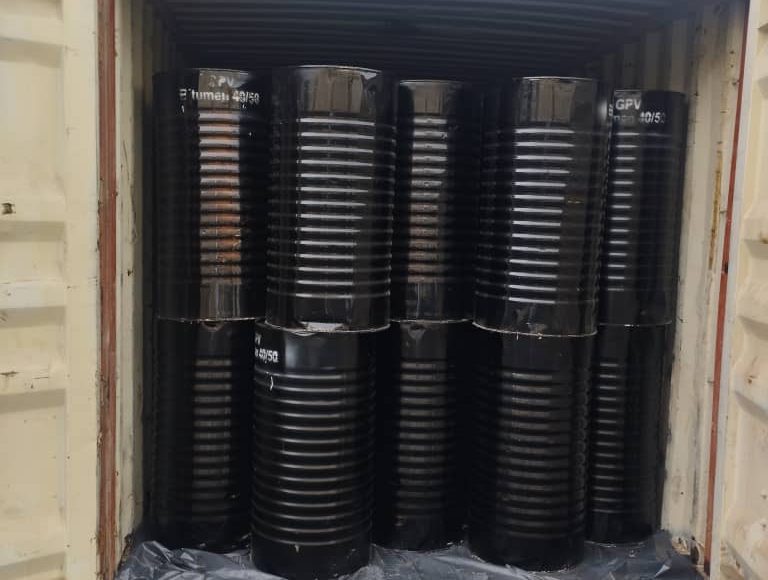

Follow air quality standards to control the emission of harmful fumes during heating and mixing processes.
Bitumen Safety, Handling & Storage Best Practices: A Comprehensive Guide
Introduction to Bitumen and Its Importance
Bitumen, also known as asphalt, is a dense, viscous material primarily used in the construction and road paving industries. Due to its complex chemical composition and high-density properties, bitumen plays a crucial role in enhancing road durability and ensuring long-lasting infrastructure. However, handling bitumen safely and efficiently requires careful attention to best practices regarding safety, handling, and storage.
In this blog, we will cover the essential bitumen safety guidelines, handling procedures, and storage techniques to ensure maximum efficiency and minimize risks during its use.
1. Understanding Bitumen and Its Hazards
Bitumen, a by-product of crude oil refining, is generally solid at room temperature but becomes liquid when heated. It is often used in its semi-solid or liquid form for various industrial applications, particularly in road construction. Although bitumen is a valuable material, improper handling can pose health, environmental, and operational risks.
Key Hazards of Bitumen:
-
High Temperatures: Bitumen is typically heated to 160-180°C (320-356°F) for use. This makes it a potential burn hazard if mishandled.
-
Toxic Fumes: During heating, bitumen can release fumes containing harmful substances, including hydrocarbons, which can pose respiratory and health risks if inhaled.
-
Slips and Spills: Bitumen can create slippery surfaces, making handling and transport potentially hazardous.
-
Fire Risk: Due to the high temperatures involved in bitumen handling, there is an increased risk of fire, especially if proper precautions are not taken.

2. Bitumen Safety Best Practices
A. Personal Protective Equipment (PPE)
Using appropriate PPE is critical for ensuring the safety of workers handling bitumen. The following protective gear should always be used:
-
Heat-resistant gloves: To protect hands from burns and blisters when working with heated bitumen.
-
Safety boots with non-slip soles: To prevent accidents from slipping on bitumen.
-
Face shields or goggles: To protect eyes from splashes of hot bitumen and harmful fumes.
-
Protective clothing: To prevent skin exposure to hot materials.
-
Respirators or masks: To protect against inhalation of fumes and hazardous particles.
B. Training and Awareness
Regular training sessions should be conducted to familiarize workers with the risks associated with bitumen and the correct procedures for its handling. Workers should be trained in:
-
Emergency procedures in case of burns or spills.
-
Proper ventilation techniques to minimize inhalation of toxic fumes.
-
Correct methods for heating and transporting bitumen.
-
Procedures to follow in case of a fire emergency.
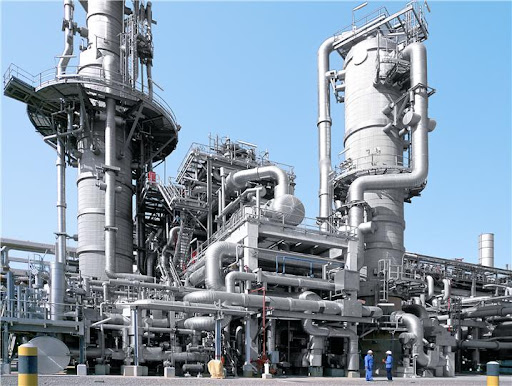
C. Ventilation and Fume Control
Proper ventilation is essential during bitumen heating. Fumes released during heating can be toxic and irritating to the respiratory system. To mitigate this risk:
-
Always ensure adequate ventilation in the workspace, especially in enclosed areas.
-
Use fume extraction systems or local exhaust ventilation (LEV) to remove fumes from the immediate area.
-
Install air quality monitoring systems to measure the concentration of harmful gases in the air and ensure safe limits are not exceeded.
D. Fire Safety Measures
Due to the high temperatures involved in bitumen handling, it is essential to have fire safety measures in place:
-
Fire extinguishers: Ensure that appropriate types of fire extinguishers are easily accessible.
-
Fireproof storage: Store bitumen in fireproof containers and areas to reduce the risk of spontaneous combustion.
-
Emergency procedures: Implement clear procedures for responding to fires, including evacuation plans and trained personnel for using fire safety equipment.
3. Bitumen Handling Best Practices
A. Proper Heating and Mixing
Bitumen must be heated carefully to the correct temperature before use. Overheating can cause the material to break down and release toxic fumes, while underheating can affect the quality of the final product. Best practices for bitumen heating include:
-
Use temperature-controlled equipment: Employ equipment with accurate temperature gauges to ensure bitumen is heated to the optimal range.
-
Monitor temperature continuously: Keep track of the temperature during mixing and application to prevent overheating or inconsistent mixing.
B. Handling and Transportation
When transporting bitumen, ensure the following best practices are adhered to:
-
Proper sealing: Transport bitumen in sealed, insulated containers to prevent spillage and maintain the material at the correct temperature.
-
Safety during unloading: When unloading bitumen, make sure to do so in a well-ventilated area. Use proper spill containment systems to avoid environmental contamination.
C. Spill Prevention and Response
Spills and leaks can occur during the transportation and application of bitumen. To manage this risk:
-
Install spill containment systems: Use barriers or containment trays during bitumen unloading to prevent spillage.
-
Emergency spill kits: Ensure that spill kits are available on-site for immediate response. These kits should include absorbent materials, gloves, and neutralizing agents.
-
Training on spill response: Conduct regular drills on how to handle spills and leaks effectively to minimize environmental damage.
4. Bitumen Storage Best Practices
Proper storage of bitumen is crucial for maintaining its quality and ensuring safety. Following these storage best practices will help you manage your bitumen efficiently:
A. Storage Temperature Control
-
Store bitumen in temperature-controlled containers: Use heated tanks or insulated storage to keep bitumen at the proper working temperature (160-180°C).
-
Avoid overheating: Ensure that storage tanks are not exposed to temperatures beyond the recommended range to prevent degradation of the material.
B. Storage Containers
-
Seal containers properly: Bitumen storage tanks should be sealed tightly to prevent air exposure and contamination.
-
Label storage containers: All storage tanks should be clearly labeled with relevant safety information, such as maximum temperature, material content, and handling instructions.
C. Environmental Protection
-
Avoid exposure to moisture: Bitumen can be affected by moisture, leading to contamination. Store bitumen in dry, protected areas.
-
Monitor for leaks: Check storage tanks regularly for signs of leakage or structural damage.
D. Stock Rotation
-
Use the first-in, first-out (FIFO) method for bitumen inventory management. This ensures that older material is used before newer batches, maintaining the quality of the product.
5. Environmental and Regulatory Compliance
In addition to the safety aspects, bitumen handling and storage must comply with environmental regulations. Key compliance areas include:
-
Dispose of any bitumen waste, including residue and empty containers, properly in accordance with local environmental regulations.
-
Conclusion: The Importance of Safe Bitumen Handling and Storage
In conclusion, the safe handling and storage of bitumen are essential to ensure both the health of workers and the quality of the final product. By adhering to best practices for safety, handling, and storage, companies can mitigate risks, comply with regulations, and improve efficiency.
The key takeaway is that training, proper equipment, safety measures, and regular monitoring are critical for managing bitumen safely. As the demand for quality road infrastructure continues to rise, it is important to stay informed about safety standards and to always follow best practices in bitumen handling and storage.