Polymer Modified Bitumen Consumption in Vietnam
Polymer Modified Bitumen (PMB) consumption in Vietnam has been on the rise due to the rapid growth in infrastructure development and the increasing need for durable, long-lasting materials in road construction and maintenance. As the country continues to urbanize and expand its transportation networks, PMB has emerged as a go-to material for projects requiring enhanced performance. This article explores the current trends in Polymer Modified Bitumen consumption in Vietnam, its major applications, and the factors contributing to its growth.
What is Polymer Modified Bitumen?
Polymer Modified Bitumen (PMB) is a modified form of bitumen in which polymer additives are incorporated to improve its performance. The inclusion of polymers such as Styrene-Butadiene-Styrene (SBS) or Atactic Polypropylene (APP) makes PMB more durable, elastic, and resistant to temperature fluctuations, oxidation, and cracking. PMB is primarily used in road construction, but its applications have extended to other sectors, such as roofing and waterproofing.
- Durability: PMB is known for its ability to withstand harsh conditions such as heavy traffic, extreme temperatures, and UV exposure.
- Elasticity: The added polymers make PMB more flexible, reducing the likelihood of cracking and deformation under stress.
- Temperature Resistance: PMB maintains its stability across a wider range of temperatures, making it suitable for use in regions with varying climates.
Polymer Modified Bitumen Consumption in Vietnam: Current Trends
The consumption of Polymer Modified Bitumen in Vietnam has seen substantial growth in recent years. As a result of the country’s expanding infrastructure projects and increasing demand for high-quality construction materials, PMB has become an essential material in various construction sectors.
Factors Driving PMB Consumption in Vietnam
The following factors have contributed to the rising consumption of PMB in Vietnam:
- Infrastructure Development: Vietnam is rapidly urbanizing and expanding its infrastructure, including constructing roads, highways, bridges, and airports. These large-scale projects require durable and high-performance materials, such as PMB.
- Government Investments: The Vietnamese government is heavily investing in infrastructure projects, particularly in transportation and public works. These investments have driven up the demand for materials like PMB, which provide long-term benefits for road construction and maintenance.
- Climate Variability: Vietnam experiences diverse climatic conditions, ranging from hot and humid to tropical and monsoon-driven. PMB performs well in these varying climates, making it the preferred material for road construction in both urban and rural areas.
- Increased Traffic Load: The growing number of vehicles on the roads has increased the need for more resilient road surfaces. PMB withstands high traffic loads and prevents rutting and cracking, leading to a higher consumption of the material.
Growth of the PMB Market in Vietnam
The demand for Polymer Modified Bitumen in Vietnam is projected to grow at a compound annual growth rate (CAGR) of around 6% over the next decade. With the government focusing on modernizing transportation infrastructure, the consumption of PMB is expected to rise significantly. The rise in urbanization, coupled with ongoing projects to upgrade road networks, is expected to fuel this growth.
Major Applications of Polymer Modified Bitumen in Vietnam
The consumption of PMB in Vietnam spans several key sectors, with road construction being the largest consumer. However, PMB’s applications extend beyond roads to include areas such as roofing, waterproofing, and industrial sectors.
Road Construction and Maintenance
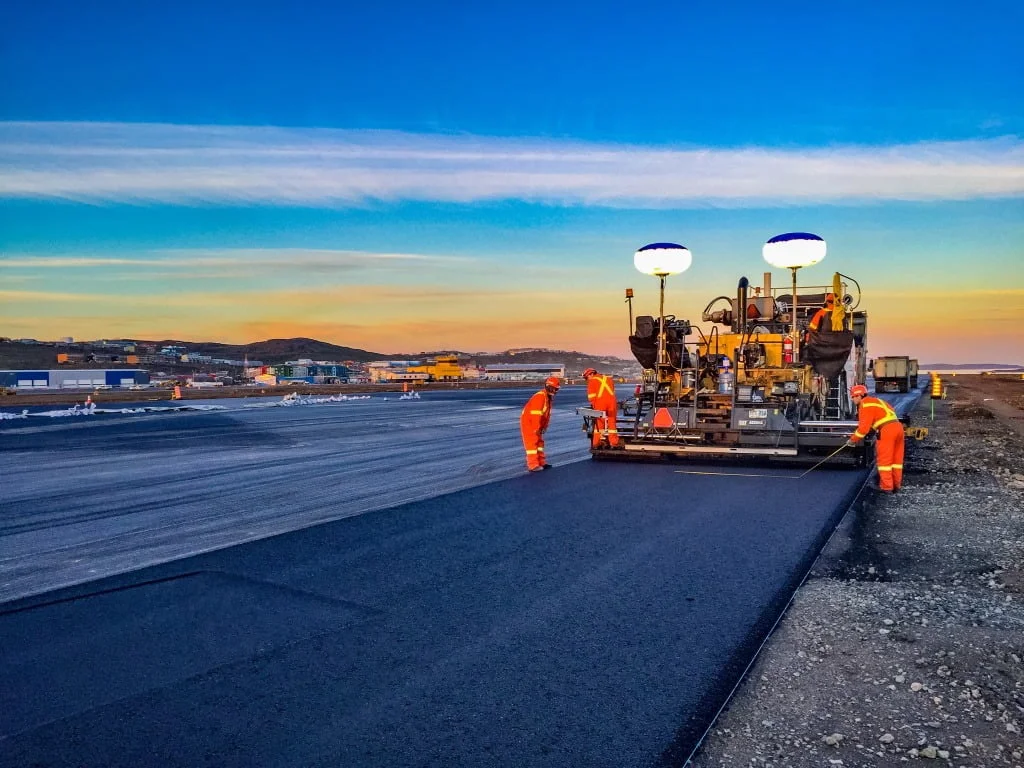
The largest share of Polymer Modified Bitumen consumption in Vietnam is attributed to road construction and maintenance. PMB is used extensively for the construction of new highways, expressways, and bridges, as well as for resurfacing and maintaining existing roads.
- Highways and Expressways: PMB is used in the construction of high-traffic highways and expressways, where durability and resistance to wear and tear are essential.
- Airport Runways: PMB is also used in the construction of airport runways, which require materials that can withstand heavy aircraft traffic and extreme weather conditions.
- Bridge Construction: Bridges, particularly those exposed to constant heavy traffic, benefit from PMB due to its enhanced flexibility and resistance to cracking.
Roofing and Waterproofing
The consumption of PMB in roofing and waterproofing is also on the rise in Vietnam. Due to its resistance to UV radiation and ability to maintain elasticity in various weather conditions, PMB is widely used in the production of waterproof roofing materials. These materials offer long-lasting protection against water ingress, ensuring that buildings remain dry and secure.
Industrial Applications
In addition to construction and roofing, PMB is used in other industrial applications. Its high-performance properties make it suitable for creating durable coatings and insulation materials. PMB is also gaining traction in the automotive industry for its use in various coatings and materials designed to withstand high temperatures.
Challenges in the Polymer Modified Bitumen Market
While the consumption of Polymer Modified Bitumen is increasing in Vietnam, several challenges need to be addressed for the market to continue growing.
High Production Costs
The production of Polymer Modified Bitumen is more expensive than traditional bitumen due to the additional cost of the polymers used in the modification process. These higher production costs can sometimes be a barrier for smaller projects, which may opt for traditional bitumen instead. However, the long-term cost savings due to reduced maintenance and increased durability may offset these initial expenses.
Supply Chain Issues
Vietnam’s PMB market relies on the importation of raw materials such as bitumen and polymers. Fluctuations in global supply chains or changes in raw material prices can impact the availability and cost of PMB, creating potential challenges for manufacturers and consumers.
Technical Expertise
The production and application of PMB require specialized knowledge and expertise. Ensuring that workers and contractors are trained to handle PMB properly is essential for maximizing its benefits. In some areas of Vietnam, there may be a shortage of qualified professionals to manage PMB-based projects.
Future Outlook for Polymer Modified Bitumen in Vietnam
Despite the challenges, the future outlook for Polymer Modified Bitumen consumption in Vietnam is highly positive. Several key factors are expected to drive the market forward:
Government Support for Infrastructure Projects
Vietnam’s government is expected to continue investing heavily in infrastructure projects, including roads, bridges, and public works. This investment will boost demand for durable materials like PMB, as these projects require long-lasting solutions.
Technological Advancements
Advancements in polymer technology are expected to improve the properties of PMB further. As manufacturers develop new polymers and improve the mixing processes, PMB will become even more cost-effective and efficient in a wider range of applications.
Growing Focus on Sustainability
As sustainability gains importance in construction, PMB’s long lifespan and low maintenance make it an ideal choice for sustainable infrastructure. Its ability to reduce repairs and enhance road quality will drive higher demand in the future.
Conclusion
As Vietnam invests heavily in infrastructure development, it will continue to drive the growth in Polymer Modified Bitumen consumption. With its enhanced durability, temperature resistance, and flexibility, PMB is the ideal material for various applications, particularly in road construction. While challenges such as high production costs and supply chain issues remain, the future of PMB in Vietnam looks promising, with the material playing an increasingly vital role in the country’s ongoing development.