Types of Bitumen Used in Road Construction Layers
Bitumen is the most widely used binding material in road construction. It provides strength, flexibility, and durability to asphalt pavements. In flexible pavements, different layers are constructed, and each layer requires a specific types of bitumen used in road construction layers.
This guide explains:
-
The structure of road construction layers
-
The role of each layer in pavement design
-
The specific types and grades of bitumen used in each layer
-
Protective bituminous treatments that extend the life of roads
By understanding which bitumen types are used in each road construction layer, engineers and contractors can build pavements that last longer and perform better under heavy traffic.

Main Layers of Road Construction
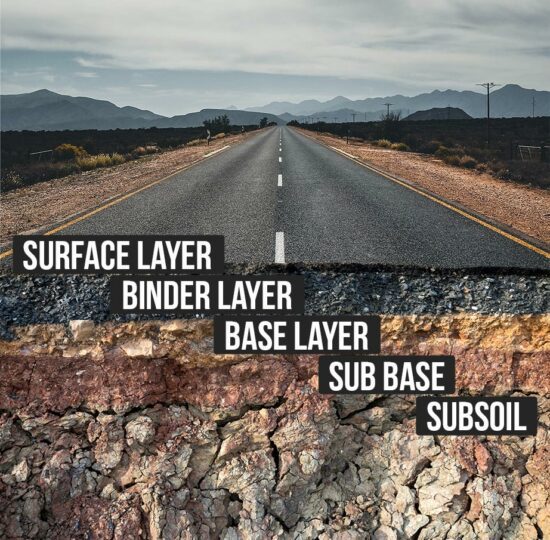
A flexible pavement is designed in several main layers:
-
Surface Course – The top asphalt layer directly exposed to vehicles.
-
Binder Course – Provides structural strength and distributes loads.
-
Base Course – Strong aggregate foundation under binder course.
-
Sub Base Course – Improves load distribution and drainage.
-
Sub Grade – The compacted natural soil beneath the pavement.
To improve adhesion and performance, additional bituminous coats like tack coat, prime coat, and protective asphalts are used between or above these layers.

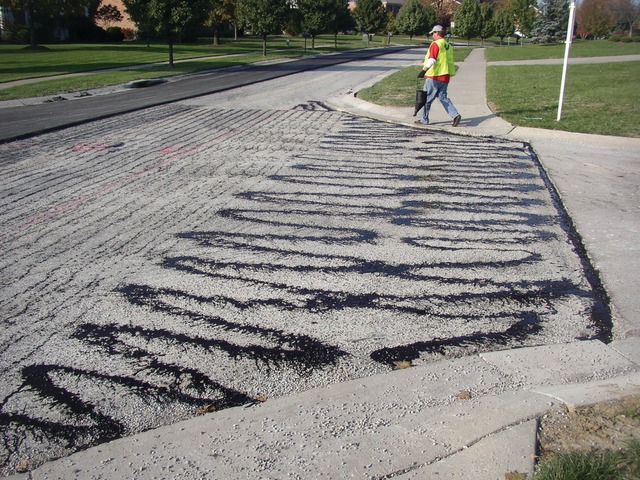
Tack Coat
-
Purpose: Tack coat is a thin layer of liquid bitumen applied between two asphalt layers.
-
Function: Ensures bonding so that layers act as a single, strong structure.
-
Bitumen Types Used:
-
Rapid-setting emulsion bitumen (RS-1, RS-2)
-
Cutback bitumen in some cases
-
Without tack coat, pavement layers may separate, leading to cracks and surface failure.
Binder Course
-
Position: Between surface course and base course.
-
Composition: Hot mix asphalt with coarse aggregates and bitumen.
-
Function:
-
Resists movement and shifting of the surface course.
-
Provides strength and distributes vehicle loads.
-
-
Bitumen Grades Used:
-
Penetration grades: 40/50, 60/70, 80/100
-
Viscosity grades: VG-30, VG-40
-
Note: Binder course asphalt contains less bitumen and coarser aggregates, so it is not suitable as a final road surface.
Prime Coat
-
Purpose: Applied over the base course before laying asphalt.
-
Function:
-
Seals the base surface.
-
Penetrates pores, improving adhesion with asphalt layers.
-
Protects against moisture infiltration.
-
-
Bitumen Types Used:
-
Cutback bitumen (MC-30, MC-70)
-
Slow-setting emulsions (SS-1, CSS-1)
-
Prime coat improves the bond between the unbound granular base and the upper asphalt layers.

Base Course
-
Position: Below the binder course and above the sub base.
-
Composition: Mountain gravel, riverbed rocks, or macadam (a mix of coarse aggregates and fine particles).
-
Function:
-
Provides strength and stability.
-
Transfers load to the sub base course.
-
Allows some drainage due to higher permeability.
-
-
Bitumen Use: While mainly aggregate-based, the base can be stabilized with bitumen to improve durability.
Sub Base Course
-
Position: Directly above the sub grade.
-
Composition: Aggregates such as riverbed materials, crushed rock, or alluvial deposits.
-
Function:
-
Supports the base layer.
-
Prevents soil particles from entering upper layers.
-
Provides drainage and distributes loads.
-
-
Stabilization: Sometimes stabilized with bitumen, cement, or chemicals.
Sub Grade
-
Definition: The natural soil layer prepared to carry the pavement structure.
-
Requirements:
-
Must withstand loads without deforming.
-
Should remain stable over time.
-
-
Role of Bitumen: Bitumen is not directly applied to the sub grade, but the stability of this layer is critical to the performance of all bituminous layers above it.
Protective Bituminous Treatments
Protective asphalts are temporary bituminous layers applied on the surface course to protect the pavement from weather, oxidation, and traffic wear.
-
Lifespan: Typically 3–5 years before replacement.
-
Main Benefit: Cost-effective, since they use emulsion or cutback bitumen, which are cheaper than penetration grades.
Common Types of Protective Asphalts
-
Seal Coat
-
Thin protective asphalt layer.
-
Improves durability and waterproofing.
-
Bitumen Types: Emulsion grades such as CSS-1, SS-1h, SS-1.
-
-
Slurry Seal
-
Mixture of emulsion, fine aggregates, and water.
-
Reduces oxidation damage and fills minor cracks.
-
Bitumen Types: SS-1, CSS-1h, CQS-1h.
-
-
Chip Seal
-
Asphalt surface sprayed with emulsion and covered with aggregates.
-
Protects against sun, rain, and surface wear.
-
Bitumen Types: CRS-2, RS-2, HFRS-2, Polymer Modified Bitumen (PMB).
-
-
Micro Surfacing
-
Advanced slurry seal with polymer-modified bitumen.
-
Uses additives like SBS or poly bitex.
-
Provides skid resistance and durability.
-
-
Fog Seal
-
A light spray of diluted emulsion.
-
Restores flexibility, prevents oxidation, and binds loose aggregates.
-
Leaves a thin protective film on the road.
-

Bitumen Quantity in Road Construction
The amount of bitumen required depends on the road’s thickness and design.
-
For a 6 cm asphalt layer, approximately 7 kg of bitumen per square meter is required.
-
For highways and heavy traffic, the quantity may increase based on mix design and load requirements.
Conclusion
Each layer of road construction requires a specific type of bitumen:
-
Tack coat and prime coat use liquid bitumen or emulsions for bonding.
-
Binder and surface courses use penetration or viscosity graded bitumen for strength.
-
Protective asphalts like slurry seals and chip seals use emulsions and modified bitumen for cost-effective maintenance.
By carefully selecting the correct bitumen grade for each layer, engineers can build long-lasting, durable, and economical roads.