Choosing the Right Bitumen Grade for Desert Roads in Djibouti
Road construction in extreme desert conditions presents unique challenges that require specialized solutions. In Djibouti, a strategic nation dominated by arid landscapes and soaring temperatures, selecting the appropriate bitumen grade can determine the difference between infrastructure success and costly failures. This comprehensive guide explores how to choose the right bitumen grade for desert roads in Djibouti, ensuring long-lasting and cost-effective road construction.
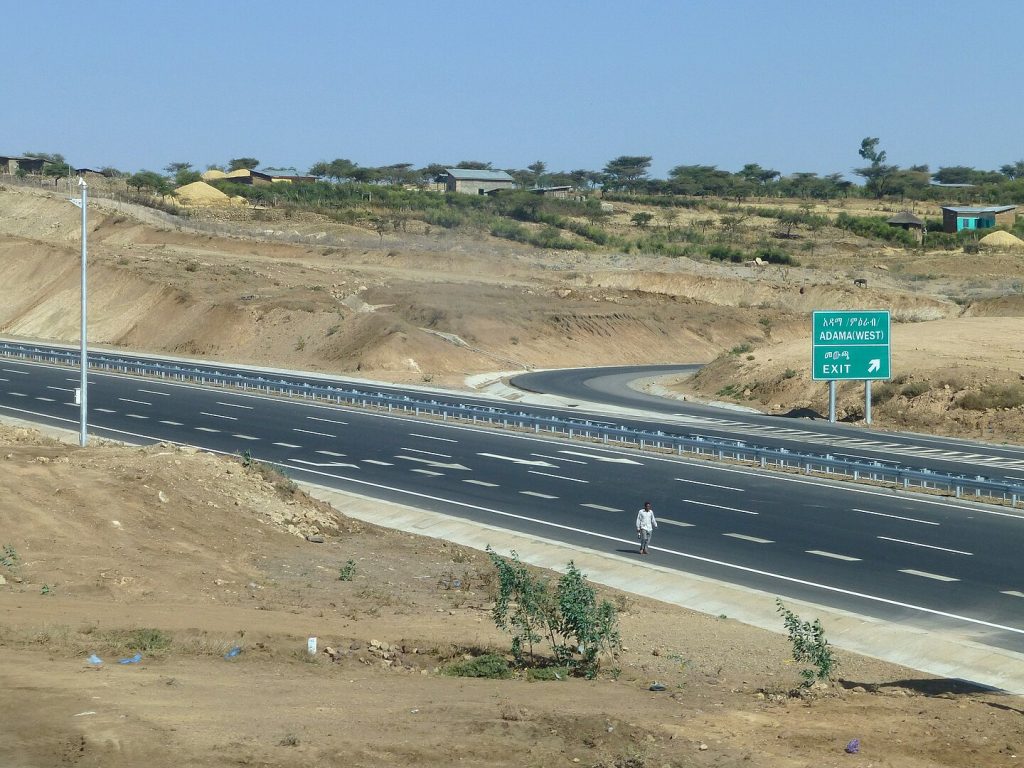
Understanding Djibouti’s Extreme Desert Climate
Djibouti’s harsh environmental conditions make it one of the most challenging locations for road construction in East Africa. The country experiences several extreme weather patterns that directly impact road infrastructure:
Temperature Extremes:
- Summer temperatures frequently exceed 45°C (113°F)
- Daily temperature fluctuations can range from 25°C to 50°C
- Surface temperatures on asphalt roads can reach 70°C during peak hours
Environmental Challenges:
- Annual precipitation remains below 150 mm, creating extremely dry conditions
- Intense UV radiation accelerates bitumen aging and oxidation
- Frequent dust storms cause abrasive wear on road surfaces
- Strong winds contribute to erosion and surface deterioration
These environmental factors cause rapid oxidation, premature softening, rutting, and accelerated aging of asphalt pavements when inappropriate bitumen grades are used. Therefore, selecting bitumen for desert climate applications requires careful consideration of thermal resistance, penetration characteristics, and long-term aging stability.
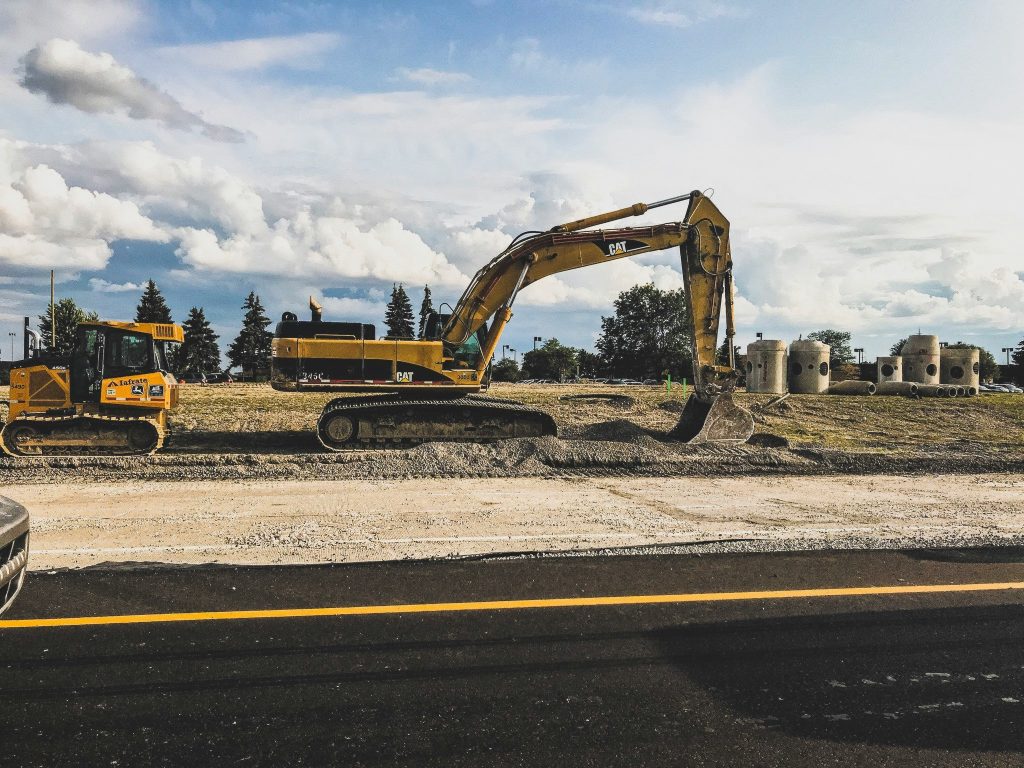
Why Bitumen 40/50 Is the Optimal Choice for Djibouti
Among various penetration grades available in the global market, bitumen 40/50 has established itself as the gold standard for hot and arid regions. This specific grade offers superior performance characteristics that align perfectly with Djibouti’s challenging climate conditions.
Technical Properties of Bitumen 40/50
| Property | Value | Benefits for Desert Climate |
|---|---|---|
| Penetration (25°C) | 40–50 dmm | Provides excellent hardness at high temperatures |
| Softening Point | 52–60°C | Prevents rutting and deformation in extreme heat |
| Viscosity @ 60°C | High | Maintains consistency under thermal stress |
| Flash Point | > 230°C | Ensures safety during hot weather handling |
| Ductility | > 100 cm | Allows flexibility without cracking |
Performance Benefits in Desert Conditions
Superior Heat Resistance: The low penetration value of bitumen 40/50 prevents excessive softening when road surfaces reach extreme temperatures, maintaining structural integrity even during peak summer months.
Rutting Prevention: The high softening point ensures that heavy vehicle traffic doesn’t cause permanent deformation, particularly important for cargo routes connecting Djibouti’s port to inland destinations.
UV Stability: Enhanced aging resistance properties protect against the degradation caused by intense solar radiation, extending pavement life significantly.
Traffic Durability: Proven performance on heavy-traffic roads in similar desert climates makes it ideal for Djibouti’s main transportation corridors.
Proven Performance in Similar Desert Markets
Bitumen 40/50 has demonstrated exceptional performance across various Middle Eastern and East African countries with comparable desert climates. Success stories from the UAE, Oman, Sudan, and Saudi Arabia provide compelling evidence of its effectiveness in extreme conditions.
In Djibouti specifically, the critical transportation routes connecting the Port of Djibouti with Ethiopia and other inland African destinations experience heavy cargo traffic under scorching conditions. Implementation of bitumen 40/50 in these strategic corridors ensures:
- Extended Pavement Life: Roads last 30-50% longer compared to softer bitumen grades
- Reduced Maintenance Costs: Lower frequency of repairs and resurfacing requirements
- Enhanced Safety: Consistent road surface quality reduces accident risks
- Economic Benefits: Improved infrastructure supports trade and economic growth
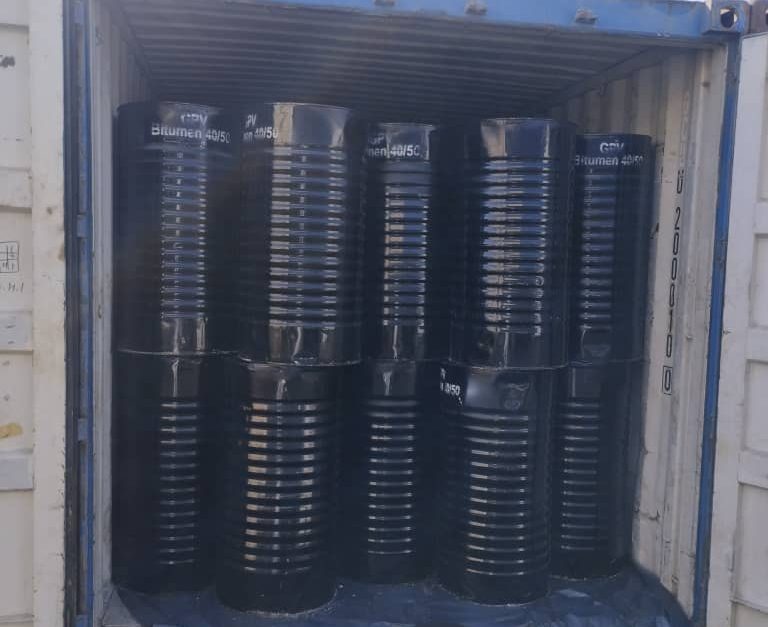
Bitumen Drum Packaging: The Practical Solution for Djibouti
Transporting and storing bitumen in Djibouti’s challenging environment requires robust packaging solutions. The bitumen drum Djibouti format has become the preferred choice for multiple practical reasons.
Advantages of Drum Packaging
Logistical Efficiency: Standard 180kg steel drums fit perfectly into shipping containers, with up to 110 drums per 20ft container, optimizing freight costs and handling procedures.
Environmental Protection: Sealed drums protect bitumen from contamination by dust, sand, moisture, and other environmental hazards common in desert conditions.
Storage Flexibility: Drums can be safely stored outdoors in designated areas without requiring expensive covered facilities, crucial given Djibouti’s limited warehouse infrastructure.
Handling Convenience: Compatible with standard forklifts and cranes available at Djibouti’s port facilities, ensuring smooth cargo operations.
Quality Preservation Benefits
The drum packaging system maintains bitumen quality throughout the supply chain, from manufacturing facilities to final application sites. This preservation is particularly important in desert climates where temperature fluctuations and environmental exposure can compromise product integrity.

Overcoming Desert Road Construction Challenges
Road contractors working in Djibouti face a unique combination of challenges that make bitumen selection critical for project success.
Primary Construction Obstacles
Accelerated Oxidation: Intense UV radiation causes rapid chemical changes in bitumen, leading to brittleness and cracking. Bitumen 40/50’s enhanced aging resistance counteracts these effects.
Thermal Bleeding: Extreme heat can cause softer bitumen grades to bleed through aggregate surfaces, creating slippery and unsafe conditions. The harder consistency of bitumen 40/50 prevents this problem.
Dust Integration: Fine desert sand and dust can interfere with bitumen-aggregate adhesion. The superior binding properties of bitumen 40/50 maintain strong bonds even with dusty aggregates.
Remote Area Access: Limited infrastructure in rural areas requires bitumen solutions that remain workable despite transportation delays and storage challenges.
Solution Strategies
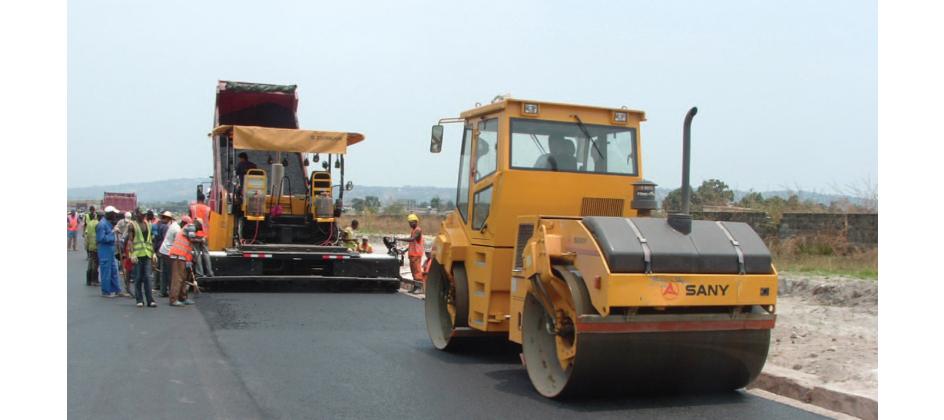
Implementing bitumen 40/50 addresses these challenges through its engineered properties, but success also depends on proper application techniques adapted for desert conditions. This includes temperature-controlled mixing, appropriate aggregate selection, and timing construction activities to avoid extreme weather periods.
Supplier Selection: Key Considerations for Procurement
Choosing the right bitumen supplier for Djibouti projects requires careful evaluation of multiple factors beyond price considerations.
Essential Supplier Qualifications
Technical Documentation: Reliable suppliers provide comprehensive technical data sheets, laboratory analyses, and quality certifications for their bitumen 40/50 products.
Packaging Standards: Suppliers should offer bitumen drum Djibouti packaging that meets international shipping standards, with rust-resistant coatings and leak-proof sealing systems.
Logistics Expertise: Experience with CFR (Cost and Freight) terms to Djibouti Port reduces procurement risks and simplifies import procedures.
Regional Experience: Suppliers with proven track records in desert climate markets understand the specific requirements and challenges of these applications.

Quality Assurance Protocols
Professional suppliers implement rigorous quality control measures, including batch testing, temperature monitoring during transport, and proper storage protocols that maintain product integrity throughout the supply chain.
Storage and Handling Best Practices
Proper handling and storage procedures are essential for maintaining bitumen quality in Djibouti’s harsh environment.
Optimal Storage Conditions
Temperature Management: Store drums in shaded areas to prevent unnecessary heating and thermal cycling that can affect product consistency.
Moisture Protection: Elevate drums on pallets to prevent ground moisture contact and ensure adequate ventilation around storage areas.
Inventory Rotation: Implement first-in-first-out inventory management to ensure optimal product freshness and performance.
Safe Handling Procedures
Heating Systems: Use mechanical drum heaters for controlled, even heating before application, avoiding overheating that can degrade bitumen properties.
Safety Equipment: Ensure workers use appropriate protective gear during transfer operations, including heat-resistant gloves and eye protection.
Transfer Protocols: Establish standardized procedures for moving bitumen from drums to mixing stations, minimizing waste and contamination risks.

Future Infrastructure Development in Djibouti
Djibouti’s strategic location as the gateway to East Africa continues to drive significant infrastructure investments. Major development projects include road connectivity improvements to Ethiopia, expansion of the Djibouti Damerjog Industrial Park (DDIP), and enhancement of rural road networks.
Market Trends and Projections
Increased Demand: Growing infrastructure projects will significantly increase demand for high-quality bitumen 40/50 suitable for desert applications.
Packaging Evolution: The shift toward drum packaging reflects the need for flexible, reliable transportation solutions in challenging logistics environments.
Quality Focus: Greater emphasis on bitumen for desert climate durability as project stakeholders recognize the long-term value of premium materials.
Supply Chain Optimization: Local contractors increasingly seek direct supplier relationships to ensure consistent quality and competitive pricing.
Investment Returns and Economic Benefits
Choosing the right bitumen grade represents a strategic investment in Djibouti’s infrastructure future. While bitumen 40/50 may command a premium price compared to softer grades, the total cost of ownership calculation clearly favors the higher-grade option.
Lifecycle Cost Analysis: Roads built with bitumen 40/50 require significantly less maintenance and last longer, reducing total infrastructure costs over time.
Economic Impact: Reliable road infrastructure supports trade efficiency, reduces transportation costs, and attracts additional investment in Djibouti’s growing economy.
Safety Returns: Consistent road quality reduces accident rates and associated costs, providing both economic and social benefits.

Conclusion: Building Sustainable Desert Infrastructure
Successfully navigating Djibouti’s road construction challenges requires more than just selecting quality materials—it demands a comprehensive understanding of desert climate impacts, proper supplier partnerships, and implementation best practices.
Bitumen 40/50 represents the optimal solution for Djibouti’s desert roads, offering the thermal resistance, durability, and aging stability necessary for extreme climate conditions. When combined with appropriate bitumen drum Djibouti packaging and professional handling procedures, this material choice ensures sustainable, long-lasting road infrastructure.
For contractors, procurement officers, and infrastructure developers involved in Djibouti’s growth, understanding these technical and logistical considerations is essential for project success. By prioritizing quality materials and proven application methods, Djibouti can build road networks that support its strategic role in East African trade and development for decades to come.
The investment in proper bitumen selection today creates lasting value through reduced maintenance costs, improved safety, and enhanced economic opportunities for this critical regional hub.