High-Altitude Bitumen in Ethiopia: Grades that Perform in Mountain Roads
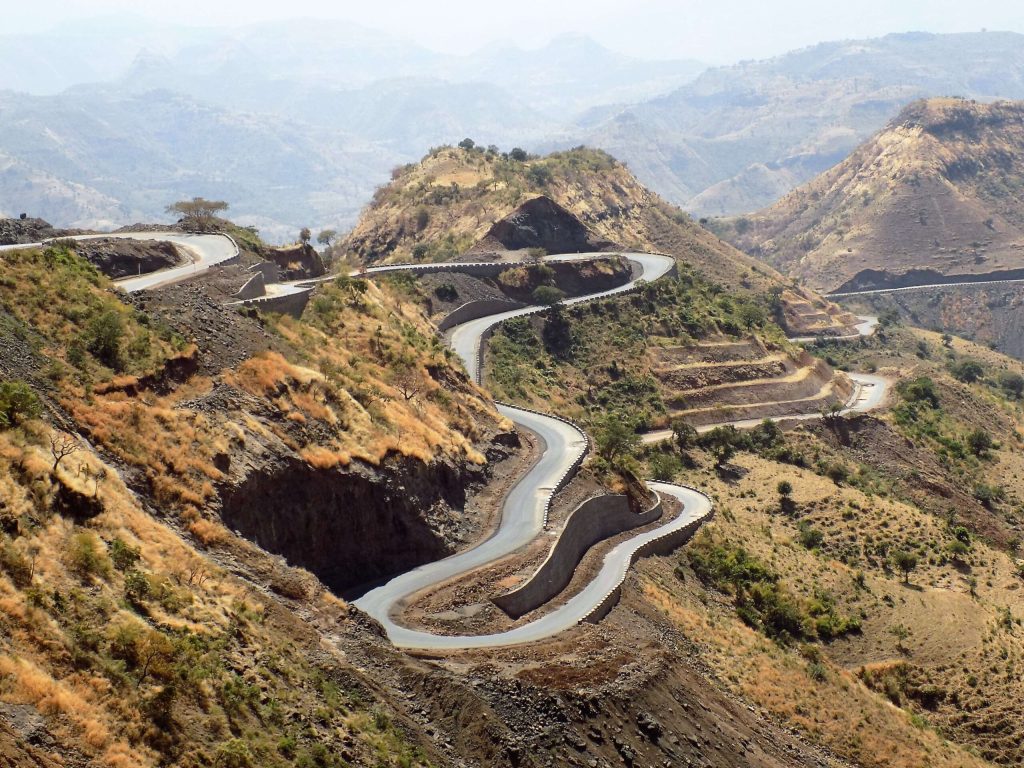
Ethiopia’s road network is expanding rapidly as the country invests heavily in infrastructure. But unlike many nations, Ethiopia faces a unique challenge—its mountainous terrain. More than 60% of the land sits above 1,500 meters, with roads passing through steep slopes and high-altitude zones. These conditions demand specialized construction materials, particularly bitumen in Ethiopia that can endure temperature fluctuations, heavy rainfall, and high traffic loads.
In this article, we will explore which penetration grade Ethiopia relies on for mountain roads, why bitumen for high-altitude conditions must be carefully chosen, and how the right grade ensures long-lasting, safe highways.
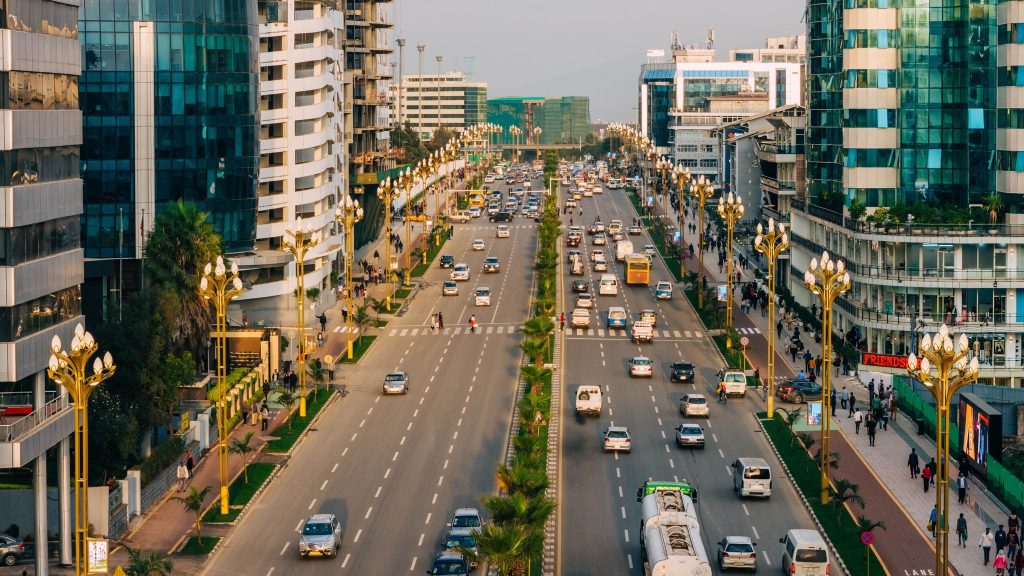
Why Bitumen Matters in Ethiopia’s Road Development
Roads are the backbone of Ethiopia’s economy. They connect agricultural regions, industrial hubs, and trade corridors. With more than 90% of passenger and freight transport relying on roads, the choice of construction materials plays a critical role.
For mountainous areas, bitumen Ethiopia imports and applies must provide:
-
Resistance to extreme day-night temperature shifts.
-
Strength to withstand steep gradients and heavy trucks.
-
Flexibility to prevent cracking in cold nights.
-
Durability against rainfall and water infiltration.
This makes the correct selection of penetration grade Ethiopia a vital decision in every high-altitude road project.
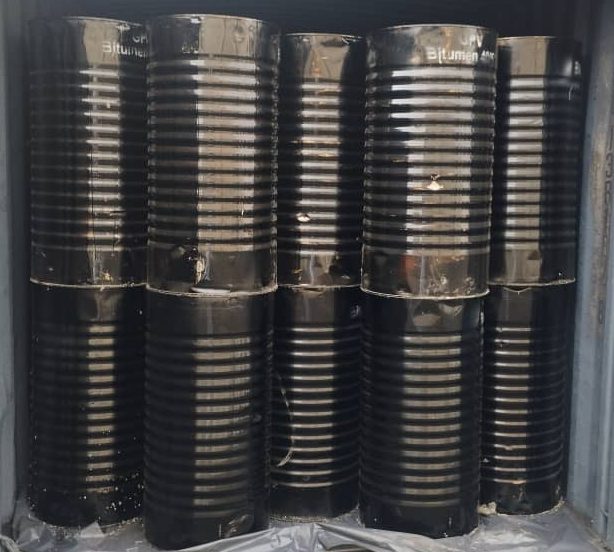
Challenges of Road Construction in Ethiopia’s Highlands
Building roads at high elevations is very different from constructing in lowlands. Engineers in Ethiopia face three main challenges:
1. Temperature Variations
In cities like Addis Ababa (2,300 meters above sea level), mornings can be chilly, while afternoons get warm. Bitumen expands and contracts with these shifts, and if the wrong grade is used, cracks form quickly.
2. Steep Slopes and Curves
Mountain roads handle frequent heavy braking and acceleration from trucks. The stress on asphalt is intense, which can cause rutting unless the right bitumen for high-altitude is applied.
3. Moisture and Rainfall
Ethiopia’s rainy season accelerates pavement damage. Water seeps into roads, weakening the structure if bitumen does not provide strong waterproofing.
These conditions make penetration grade selection more than a technical detail—it is the difference between durable infrastructure and constant costly repairs.
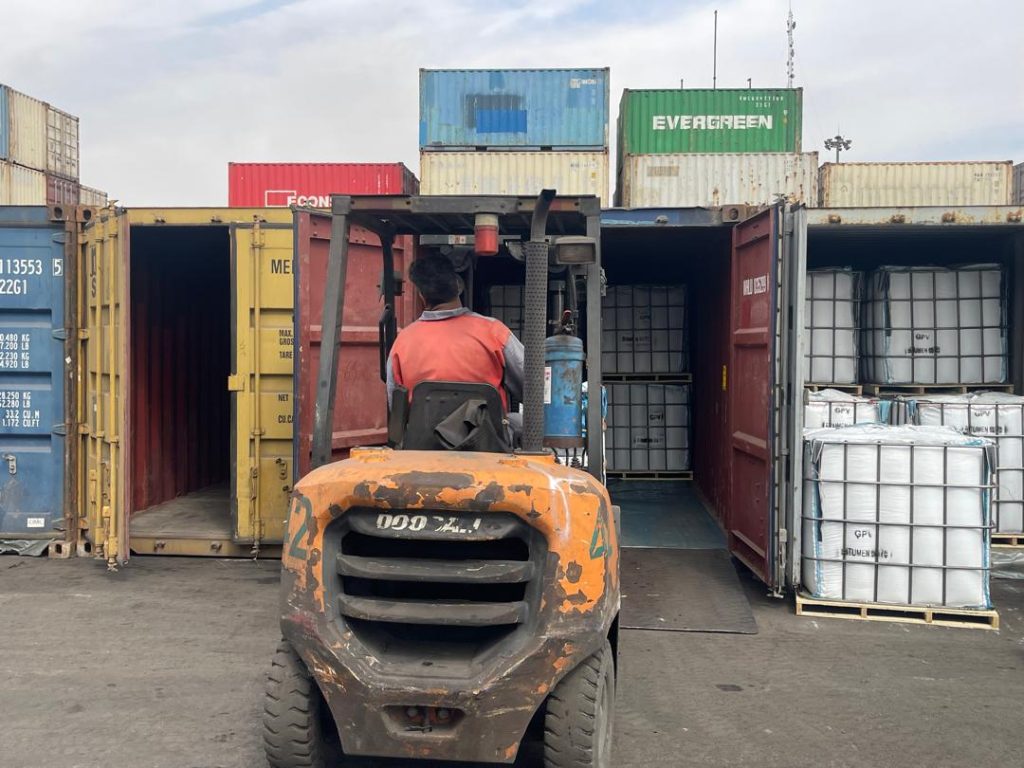
Penetration Grade Ethiopia Uses for High-Altitude Roads
The penetration grade system is one of the most common classifications of bitumen. It measures how hard or soft the bitumen is, which directly impacts its performance under different climates and traffic conditions.
The most suitable penetration grade Ethiopia applies in mountain roads includes:
-
Bitumen 60/70 – Ideal for moderate climates with balanced flexibility and strength.
-
Bitumen 80/100 – Softer grade used in cooler high-altitude regions where roads need flexibility to avoid cracking.
-
Bitumen 40/50 – Harder grade that performs under heavy loads but less common in Ethiopia’s mountains.
In most Ethiopian highland projects, bitumen 80/100 is preferred because it adapts better to wide temperature ranges and prevents thermal cracking.
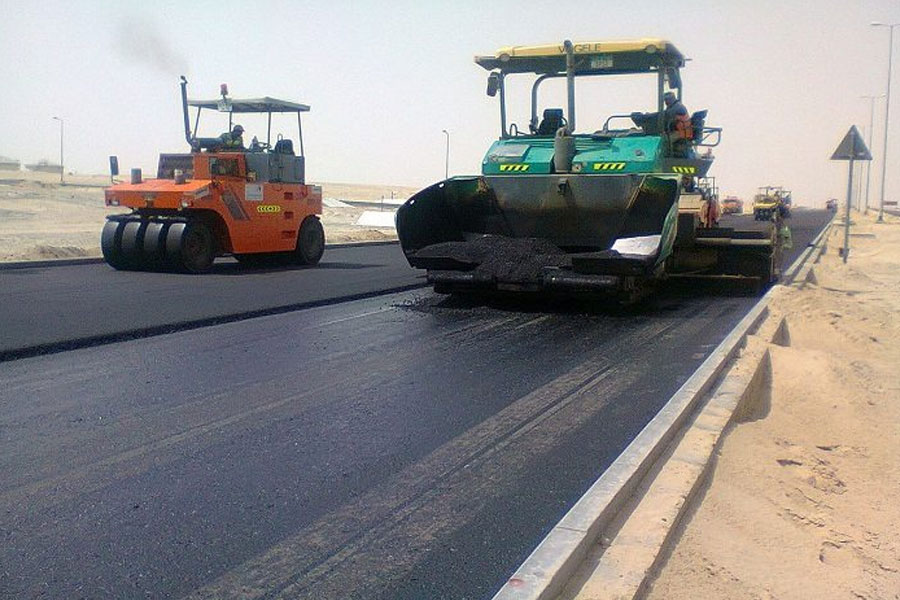
Why Bitumen 80/100 Performs Best in Ethiopian Highlands
Among all grades, bitumen 80/100 offers the best performance in Ethiopia’s mountains because:
-
It resists cracking caused by cold nights.
-
It provides flexibility under fluctuating temperatures.
-
It withstands heavy truck traffic on steep roads.
-
It improves road durability, reducing frequent maintenance costs.
This is why major projects such as Addis Ababa–Gondar Highway have successfully used penetration grade Ethiopia 80/100, ensuring long-lasting performance despite challenging geography.

Advantages of Using the Right Bitumen for High-Altitude
When road projects in Ethiopia use the correct bitumen for high-altitude, the benefits are clear:
-
Longer Road Lifespan – Less cracking and rutting.
-
Lower Maintenance Costs – Fewer repairs save government budgets.
-
Improved Safety – Smooth, stable roads reduce accidents.
-
Boosted Trade & Connectivity – Mountain communities remain accessible.
Poor material selection, however, leads to early road failure, economic losses, and transportation disruptions.
Current Supply of Bitumen in Ethiopia
Ethiopia imports most of its bitumen, mainly from Middle Eastern suppliers. However, supply faces challenges:
-
Import Dependence – Fluctuations in global markets impact prices.
-
Logistics Issues – Transporting hot bitumen to high-altitude areas requires proper equipment.
-
Seasonal Demand Peaks – Road projects peak in dry seasons, increasing demand pressure.
For these reasons, Ethiopia is exploring local refining capacity to reduce dependence on imports and secure steady supply of bitumen Ethiopia needs for road development.

Alternative Solutions: Modified Bitumen in Ethiopia
In addition to traditional penetration grades, engineers are testing new solutions:
-
Polymer Modified Bitumen (PMB) – Offers elasticity, great for high-altitude stress.
-
Crumb Rubber Modified Bitumen (CRMB) – Eco-friendly, adds flexibility.
-
Emulsified Bitumen – Easier transport and application in remote highlands.
Although costlier, these alternatives can significantly increase road durability in Ethiopia’s mountainous terrain.
Case Study: Addis Ababa to Gondar Highway
The Addis Ababa–Gondar road is one of Ethiopia’s busiest mountain highways. Engineers selected bitumen 80/100 because:
-
The region experiences daily temperature fluctuations.
-
Heavy truck traffic puts high stress on the road.
-
Rain and fog conditions demand strong waterproofing.
The use of the correct penetration grade Ethiopia proved successful, with the road lasting longer than similar projects that used lower-grade materials.
Future of Bitumen Ethiopia in High-Altitude Construction
Looking ahead, Ethiopia’s infrastructure strategy includes:
-
Developing Local Refining – Reducing reliance on imports.
-
Adopting Modified Bitumen – Increasing use of PMB and CRMB.
-
Research on Climate-Specific Grades – Creating blends designed for Ethiopian highlands.
-
Stronger Supply Chain – Improving logistics to deliver bitumen efficiently to mountain projects.
These steps will strengthen Ethiopia’s ability to build world-class roads, ensuring reliable bitumen for high-altitude applications.
Conclusion
High-altitude road construction in Ethiopia requires careful material selection. Standard grades may fail under mountain stress, but with the right penetration grade Ethiopia engineers ensure durable, safe, and cost-effective infrastructure.
-
Bitumen 80/100 is most widely used in Ethiopia’s highlands due to its flexibility and resistance to cracking.
-
Choosing the correct bitumen for high-altitude directly impacts road lifespan and safety.
-
With future innovations like PMB and CRMB, Ethiopia is preparing for stronger, longer-lasting mountain roads.
As Ethiopia continues to expand its road network, the role of bitumen Ethiopia will remain central to connecting communities, supporting trade, and driving economic growth.