Bitumen Consumption in South Africa: Complete Guide to Import, Export, and Industry Trends (2023-2024)
Introduction: Why Bitumen Matters for South Africa’s Infrastructure
Bitumen stands as one of the most critical materials in South Africa’s infrastructure landscape. As the country continues to develop and maintain its extensive road network, understanding bitumen consumption patterns, trade dynamics, and industry innovations becomes essential for stakeholders across the construction sector.
This comprehensive guide examines South Africa’s bitumen industry through 2023 and 2024, covering import and export trends, key trading ports, packaging innovations, and the adoption of advanced bitumen grades that are reshaping road construction standards.

Understanding Bitumen: The Foundation of Road Infrastructure
Bitumen, often called asphalt binder, is a viscous, black petroleum product that serves as the binding agent in asphalt concrete used for road construction. Its unique properties—waterproofing capabilities, adhesive strength, and durability—make it indispensable for building and maintaining highways, streets, and runways.
In South Africa, bitumen consumption directly correlates with economic growth, infrastructure investment, and urbanization rates. As the country pursues ambitious development goals, bitumen demand continues to evolve, presenting both challenges and opportunities for the industry.
Bitumen Import Trends: A Dramatic Surge in 2023-2024
The Import Explosion: Key Statistics
South Africa witnessed a remarkable transformation in its bitumen import landscape during 2023. The country imported approximately 185,000 metric tons of bitumen, representing an extraordinary increase from just 96,000 tons in 2022 and a mere 10,000 tons in 2021. This nearly 1,750% growth over two years signals a fundamental shift in how South Africa sources its bitumen supply.

Why Did Imports Surge? Understanding the Root Causes
The dramatic increase in bitumen imports stems primarily from domestic refinery challenges. Several key factors contributed to this trend:
Refinery Closures and Capacity Reductions: South Africa’s petroleum refining sector has undergone significant restructuring. Multiple refineries either closed operations or reduced capacity, directly impacting local bitumen production. These closures created a supply gap that could only be filled through international imports.
Infrastructure Development Demands: Government-led infrastructure projects and road maintenance programs continued despite reduced domestic production. Construction companies and contractors needed reliable bitumen supplies to meet project timelines, necessitating increased imports.
Quality Requirements: Modern infrastructure projects often require specific bitumen grades that may not be readily available from domestic sources, pushing buyers toward international suppliers who can provide specialized products.
Major Import Sources and Suppliers
While specific country-level data varies, South Africa typically sources bitumen from several key regions:
- Middle Eastern suppliers: Countries with substantial refining capacity provide significant volumes of bitumen to South African markets
- Asian refineries: Growing refining operations in Asia have become important suppliers
- European sources: Established refineries in Europe continue to supply specialized grades
The diversification of import sources helps South Africa maintain supply security and competitive pricing in its bitumen market.
Bitumen Export Activity: South Africa’s Global Reach
Export Performance in 2023-2024
Despite increased import reliance, South Africa maintained an active export presence in the bitumen market. Between October 2023 and September 2024, the country shipped 414 bitumen consignments to international destinations, marking a 4% increase compared to the previous twelve-month period.
This export activity involved 56 South African exporters serving 39 international buyers, demonstrating a well-diversified export market. The breadth of trading relationships indicates that South African bitumen products maintain competitiveness in quality and pricing across global markets.

Understanding South Africa’s Export Position
The simultaneous increase in both imports and exports may seem contradictory, but it reflects the complexity of the modern bitumen market:
Grade Specialization: South Africa may import specific grades needed domestically while exporting different grades produced locally that suit international requirements.
Regional Trade Dynamics: Proximity to neighboring countries makes South Africa a natural supplier for certain African markets, even as it imports from more distant sources.
Refinery Output Variation: Remaining operational refineries may produce bitumen grades better suited for export markets than domestic needs.
Key Export Destinations
South African bitumen exports typically flow to:
- Southern African Development Community (SADC) countries: Regional neighbors with developing infrastructure needs
- Sub-Saharan African nations: Countries with limited refining capacity
- Specialized international markets: Niche buyers seeking specific South African grades

Critical Infrastructure: Key Ports Driving Bitumen Trade
Port of Durban: Africa’s Busiest Gateway
The Port of Durban dominates South Africa’s bitumen trade landscape. As Africa’s busiest container port and one of the largest cargo ports on the continent, Durban offers unparalleled advantages for bitumen importers and exporters:
Advanced Infrastructure: Modern handling facilities accommodate both bulk bitumen shipments and packaged products efficiently.
Strategic Location: Positioned on the country’s eastern coast, Durban provides optimal access to Asian and Middle Eastern suppliers while serving South Africa’s industrial heartland.
Capacity and Throughput: High-volume capabilities ensure that large bitumen shipments can be processed without significant delays.
Logistics Integration: Well-developed road and rail connections from Durban facilitate rapid distribution to inland destinations.
Port of Cape Town: The Western Gateway
The Port of Cape Town serves as South Africa’s second major bitumen trading hub:
International Connectivity: Cape Town’s strategic position on major shipping routes makes it ideal for European and Atlantic trade.
Export Focus: The port handles significant bitumen export volumes, particularly for specialized grades destined for international markets.
Modern Facilities: Recent infrastructure upgrades have enhanced the port’s capacity to handle petroleum products safely and efficiently.
Port of Richards Bay: The Industrial Powerhouse
While primarily recognized for coal exports, Richards Bay has emerged as an important player in bitumen trade:
Deep-Water Capabilities: The port’s deep-water berths accommodate large tankers carrying bulk bitumen shipments.
Industrial Proximity: Location near major industrial areas reduces inland transportation costs for bitumen destined for local projects.
Specialized Handling: Facilities designed for bulk commodities adapt well to bitumen logistics requirements.

Port Selection Factors for Bitumen Trade
Companies choose ports based on several critical factors:
- Destination proximity: Selecting ports closest to final delivery points minimizes transportation costs
- Handling capabilities: Specialized equipment for bitumen loading and unloading
- Storage facilities: Availability of heated storage tanks for maintaining bitumen at required temperatures
- Customs efficiency: Streamlined documentation and clearance processes
- Cost structures: Port fees, handling charges, and associated logistics expenses
Packaging Solutions: Meeting Diverse Market Needs
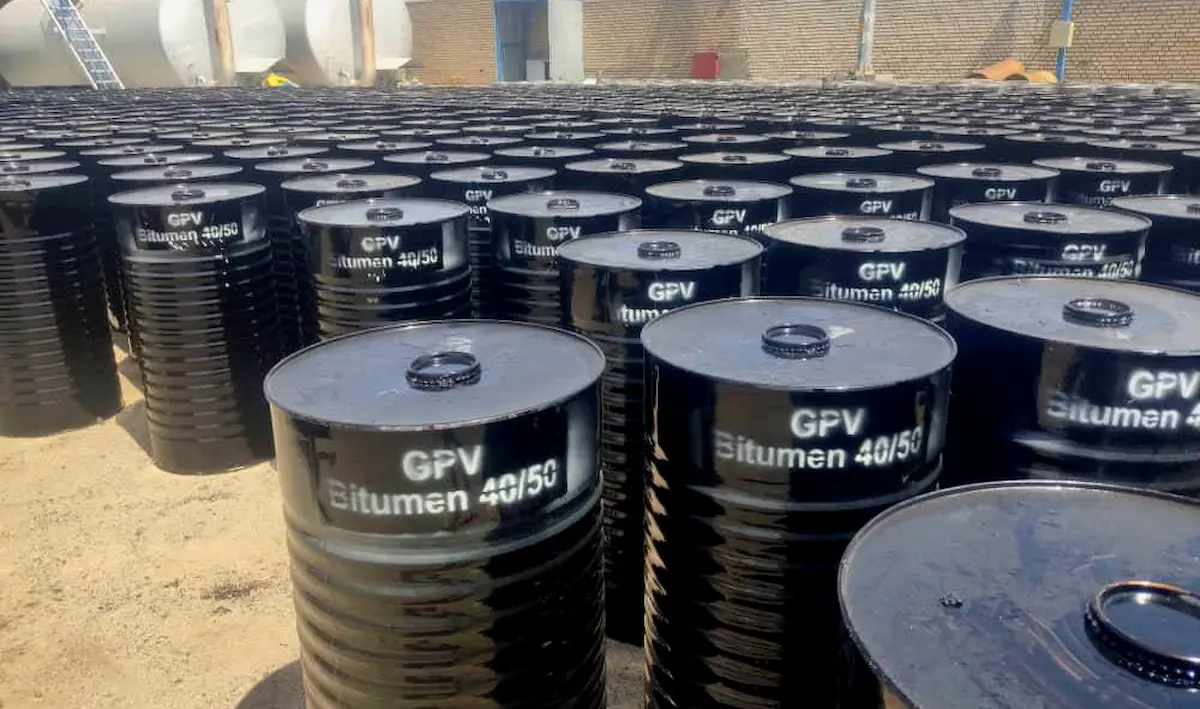
Steel Drums: The Traditional Standard
Steel drums remain the most widely used packaging solution for bitumen in South Africa:
Standard Capacities: Drums typically range from 150 to 210 liters, with 200-liter drums being most common.
Durability Advantages: Steel construction provides excellent protection during transportation and storage, preventing contamination and maintaining product quality.
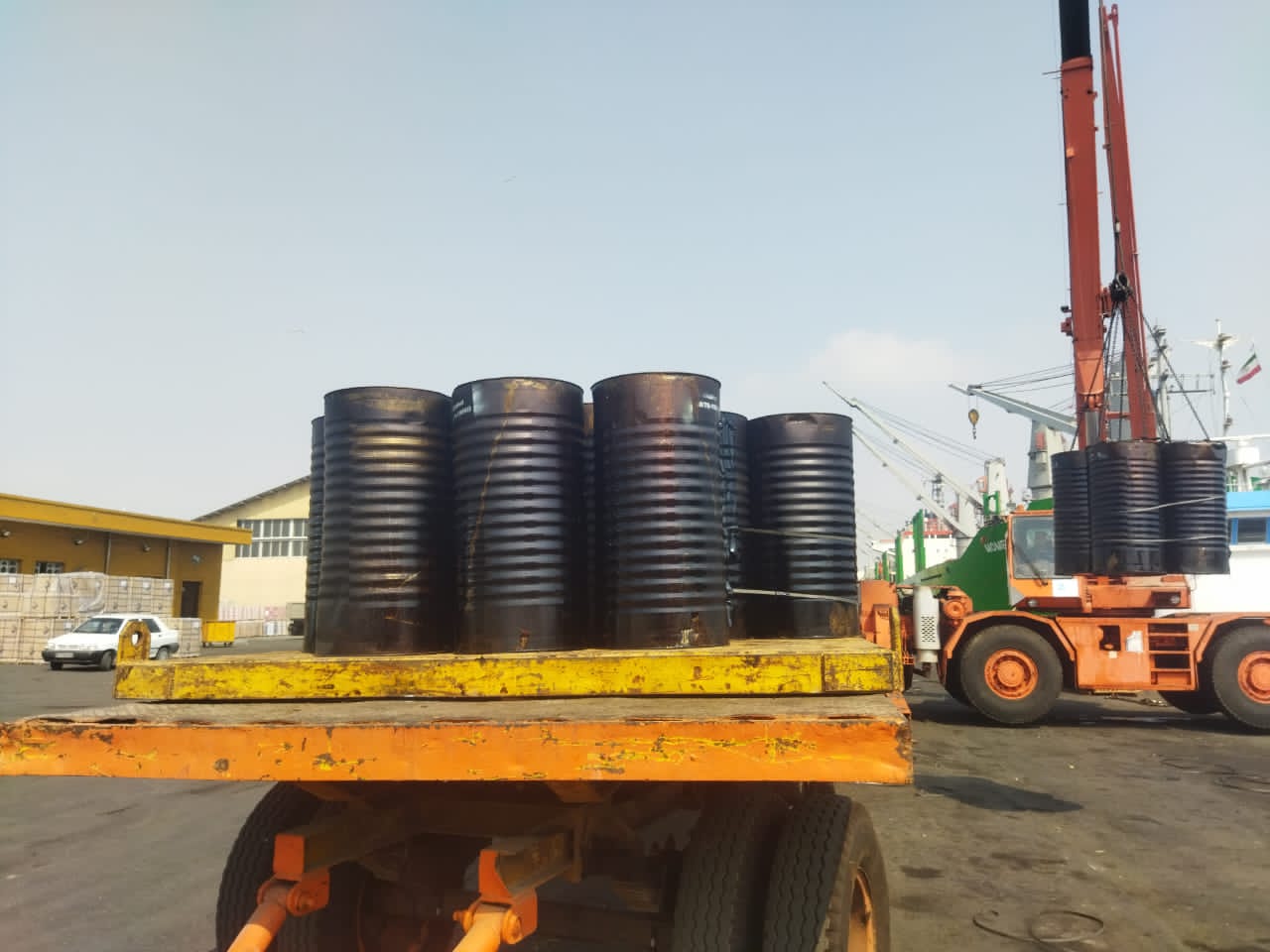
Handling Efficiency: Standardized drum sizes facilitate mechanical handling using forklifts and cranes, streamlining logistics operations.
Export Suitability: Steel drums meet international shipping standards, making them ideal for export consignments.
Cost Considerations: While initial costs are higher than some alternatives, steel drums offer reusability and long-term value.

Jumbo Bags: Bulk Efficiency
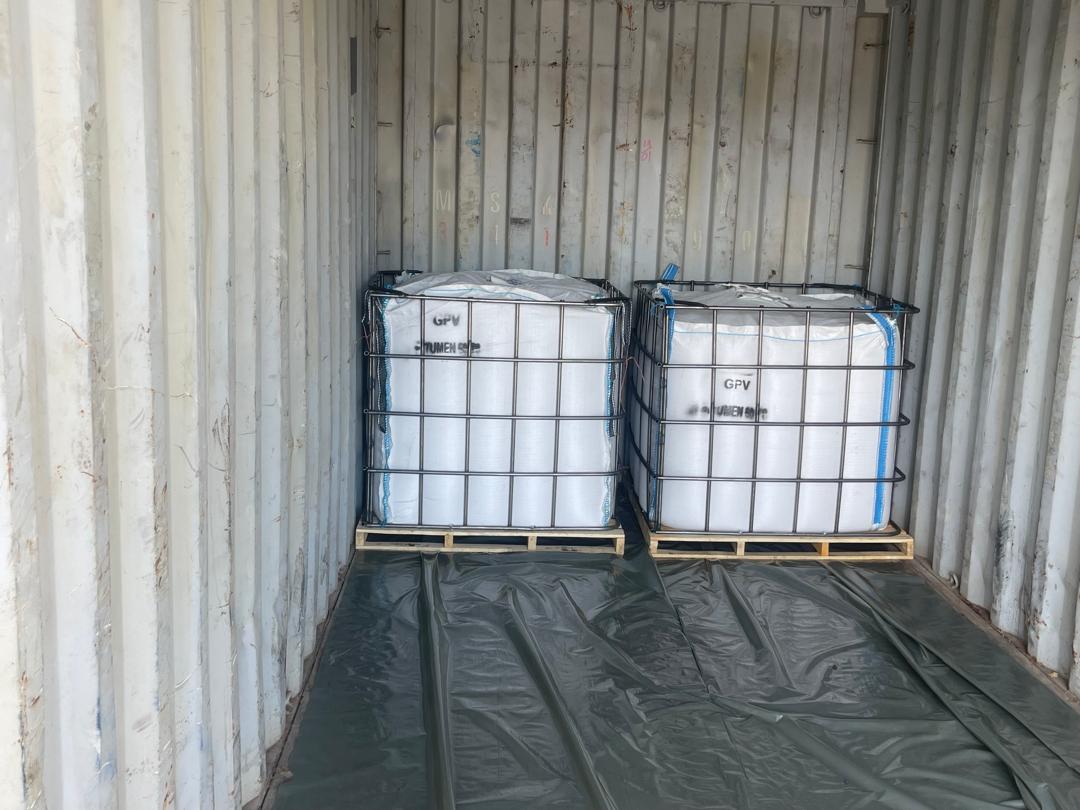
Large flexible containers, known as jumbo bags or bulk bags, have gained popularity for specific applications:
Volume Advantages: Jumbo bags can hold significantly larger quantities than drums, reducing per-unit packaging costs for bulk buyers.
Transportation Efficiency: Fewer individual units mean simplified loading, unloading, and inventory management.
Storage Optimization: Jumbo bags maximize warehouse space utilization through efficient stacking.
Environmental Considerations: Reduced packaging material per ton of bitumen can lower environmental impact.
Application Suitability: Particularly effective for large-scale construction projects with dedicated handling equipment.
Bulk Shipments: Maximum Scale Efficiency
For major infrastructure projects, bulk bitumen transportation offers optimal efficiency:
Cost Effectiveness: Eliminates packaging costs entirely, delivering maximum value for high-volume requirements.
Direct Application: Bulk bitumen can be transferred directly to heated storage tanks at construction sites or mixing plants.
Reduced Waste: Absence of packaging materials eliminates disposal concerns and environmental impact.
Quality Preservation: Maintained at controlled temperatures throughout transportation, ensuring consistent product quality.
Infrastructure Requirements: Requires specialized tanker trucks, heated storage facilities, and transfer equipment.
Choosing the Right Packaging Method
Selecting appropriate packaging depends on multiple factors:
- Project scale: Small projects favor drums; large projects benefit from bulk delivery
- Storage capabilities: Available facilities for handling different packaging types
- Transportation distance: Longer distances may favor more robust packaging
- Handling equipment: Availability of specialized machinery for different packaging formats
- Cost budgets: Balancing initial investment against operational efficiency
- Environmental goals: Minimizing packaging waste and carbon footprint

New Bitumen Grades: Advancing Road Performance Standards
Introduction to Performance Grade (PG) Bitumen
South Africa’s adoption of Performance Grade (PG) bitumen specifications represents a significant advancement in road construction technology. PG bitumen grades differ fundamentally from traditional penetration-grade classifications by focusing on actual performance characteristics under specific temperature conditions.
Understanding PG Grade Designations
PG grades use a two-number system that indicates performance temperatures:
First Number: Maximum pavement design temperature in degrees Celsius Second Number: Minimum pavement design temperature in degrees Celsius
For example, PG64-16 performs effectively at maximum temperatures up to 64°C and minimum temperatures down to -16°C.
Key PG Grades Adopted in South Africa
PG58-22: Designed for moderate climate conditions, this grade offers:
- Effective performance in regions with moderate maximum temperatures
- Resistance to thermal cracking in cooler conditions
- Balanced properties suitable for general highway construction
- Cost-effective solution for standard traffic loading
PG64-16: Suited for warmer regions and higher traffic loads:
- Enhanced rutting resistance at elevated temperatures
- Maintains flexibility at moderate minimum temperatures
- Ideal for heavy traffic corridors and urban highways
- Improved durability under challenging conditions
Benefits of PG Bitumen Adoption
The transition to Performance Grade specifications delivers multiple advantages:
Climate-Specific Selection: Engineers can select grades precisely matched to local temperature extremes, optimizing pavement performance.
Enhanced Rutting Resistance: PG grades show superior resistance to permanent deformation under heavy traffic loads, particularly in hot weather.
Reduced Thermal Cracking: Better low-temperature performance minimizes cracking during cold weather, extending pavement life.
Improved Durability: Roads constructed with appropriate PG grades demonstrate longer service lives and reduced maintenance requirements.
Standardized Testing: PG specifications employ standardized laboratory tests that more accurately predict field performance.
International Alignment: Adoption of PG grades aligns South African standards with international best practices, facilitating technology transfer and knowledge sharing.
Implementation Challenges and Solutions
Transitioning to new bitumen grades presents challenges:
Testing Equipment: Laboratories require specialized equipment for PG testing protocols.
Technical Training: Engineers and contractors need education on PG grade selection and application.
Supply Chain Adjustment: Refineries and suppliers must adapt production and inventory to accommodate new grade requirements.
Specification Updates: Government agencies must update technical specifications and bidding documents.
South Africa addresses these challenges through industry collaboration, training programs, and phased implementation approaches.
Future Outlook: Bitumen Consumption Trends and Projections
Infrastructure Investment Driving Demand
South Africa’s bitumen consumption trajectory points upward, driven by several factors:
Government Infrastructure Programs: Ongoing investment in road construction and maintenance sustains baseline demand.
Urban Development: Expanding cities require new road networks and upgrades to existing infrastructure.
Economic Growth: As economic activity increases, freight volumes rise, necessitating road improvements.
Regional Development: Rural connectivity initiatives extend road networks to previously underserved areas.
Domestic Production Considerations
The future balance between imports and domestic production remains a key industry question:
Refinery Rehabilitation: Potential investments in existing refineries could increase local bitumen production capacity.
New Production Facilities: Strategic decisions about developing new refining capacity will shape long-term supply patterns.
Technology Upgrades: Modern refining technologies could enable production of advanced bitumen grades domestically.
Energy Transition: South Africa’s energy policies and petroleum industry evolution will influence bitumen production capabilities.

Sustainability and Environmental Considerations
The bitumen industry increasingly focuses on environmental sustainability:
Recycled Bitumen: Growing use of reclaimed asphalt pavement (RAP) reduces virgin bitumen requirements.
Warm-Mix Technologies: Production methods that lower temperatures reduce energy consumption and emissions.
Bio-Based Additives: Development of sustainable bitumen modifiers from renewable sources.
Carbon Footprint Reduction: Industry efforts to minimize greenhouse gas emissions throughout the supply chain.
Technology and Innovation Trends
Emerging technologies promise to reshape South Africa’s bitumen landscape:
Modified Bitumens: Polymer-modified and other specialty bitumens offer enhanced performance characteristics.
Smart Road Technologies: Integration of sensors and monitoring systems in asphalt pavements.
Predictive Maintenance: Data analytics enabling proactive road maintenance strategies.
Nanotechnology Applications: Nano-modified bitumen showing promising performance improvements.

Conclusion: Navigating South Africa’s Bitumen Future
South Africa’s bitumen industry stands at a critical juncture. The dramatic increase in imports during 2023-2024, reaching 185,000 metric tons, reflects both challenges and adaptations within the sector. Domestic refinery constraints have necessitated greater reliance on international suppliers, while simultaneous export activity demonstrates continued market presence.
The country’s strategic ports—Durban, Cape Town, and Richards Bay—provide essential infrastructure for maintaining bitumen trade flows. Flexible packaging solutions, from traditional steel drums to bulk shipments, accommodate diverse market requirements efficiently.
Perhaps most significantly, the adoption of Performance Grade bitumen specifications positions South Africa to build more durable, climate-appropriate road infrastructure. Grades like PG58-22 and PG64-16 represent not just technical improvements but a commitment to international standards and long-term infrastructure quality.
As South Africa progresses with infrastructure development, stakeholders across the bitumen value chain must navigate evolving supply dynamics, embrace technological innovations, and maintain focus on sustainability. The interplay between import reliance, domestic production capabilities, and advancing specifications will define the industry’s trajectory.
For construction companies, engineers, and policymakers, understanding these trends provides essential context for strategic planning. The bitumen market’s complexity—spanning international trade, logistics optimization, technical specifications, and environmental considerations—demands informed decision-making and collaborative industry approaches.
South Africa’s infrastructure future depends substantially on reliable, high-quality bitumen supplies. By leveraging international partnerships, advancing technical standards, and optimizing logistics infrastructure, the country positions itself to meet growing demand while building roads that serve communities effectively for decades to come.
Your Trusted Bitumen Partner: Gulf Petro Vision (GPV)
For companies and contractors seeking a reliable bitumen supplier in Africa, Gulf Petro Vision (GPV) stands as a trusted partner with comprehensive solutions tailored to South Africa’s diverse infrastructure needs. With extensive experience in the African market, GPV understands the unique challenges and requirements of construction projects across the continent.
Gulf Petro Vision offers a complete range of bitumen grades, including traditional penetration grades and modern Performance Grade (PG) specifications such as PG58-22 and PG64-16. Whether your project requires standard grades for routine maintenance or specialized formulations for demanding applications, GPV’s technical expertise ensures you receive precisely the right product for your specific conditions.
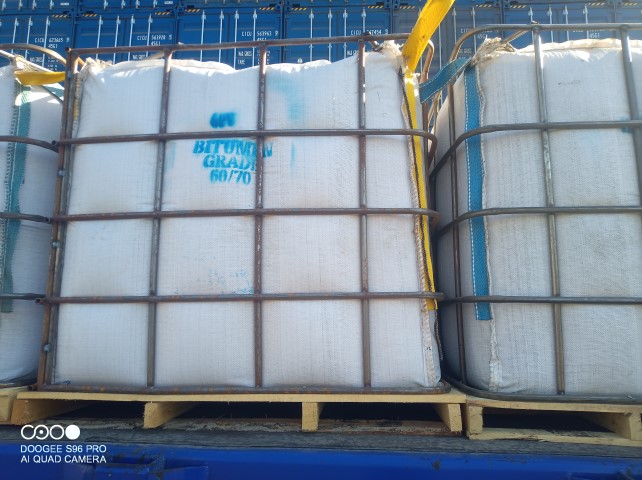
Understanding that different projects have different logistical requirements, GPV provides flexible packaging options to suit your needs. From standard steel drums (150-210 liters) ideal for smaller projects and easy handling, to jumbo bags for mid-scale operations, and bulk shipments for large infrastructure developments—GPV adapts to your operational requirements. This flexibility in packaging, combined with reliable delivery schedules and technical support, makes GPV an ideal partner for navigating South Africa’s evolving bitumen market.
With a commitment to quality assurance, competitive pricing, and customer service excellence, Gulf Petro Vision continues to support Africa’s infrastructure development goals by ensuring that high-quality bitumen products reach construction sites efficiently and reliably. Contact GPV today to discuss your bitumen requirements and discover how their expertise can contribute to your project’s success.