Bitumen Consumption in Nigeria: Import, Export, Packaging, and Application Trends (2023–2024)
Bitumen consumption in Nigeria has seen significant growth in recent years, largely due to the expansion of road networks, urban development, and industrial infrastructure projects. Bitumen, a critical material for road construction, waterproofing, and roofing applications, is in high demand across the country. Nigeria’s bitumen industry is characterized by a reliance on both domestic reserves and imports to meet consumption needs. Understanding bitumen consumption in Nigeria involves analyzing import and export trends, identifying key ports handling bitumen, examining packaging methods, and exploring the application of new bitumen grades. This comprehensive analysis aims to provide insights into the Nigerian bitumen market, highlighting consumption trends for 2023 and 2024.
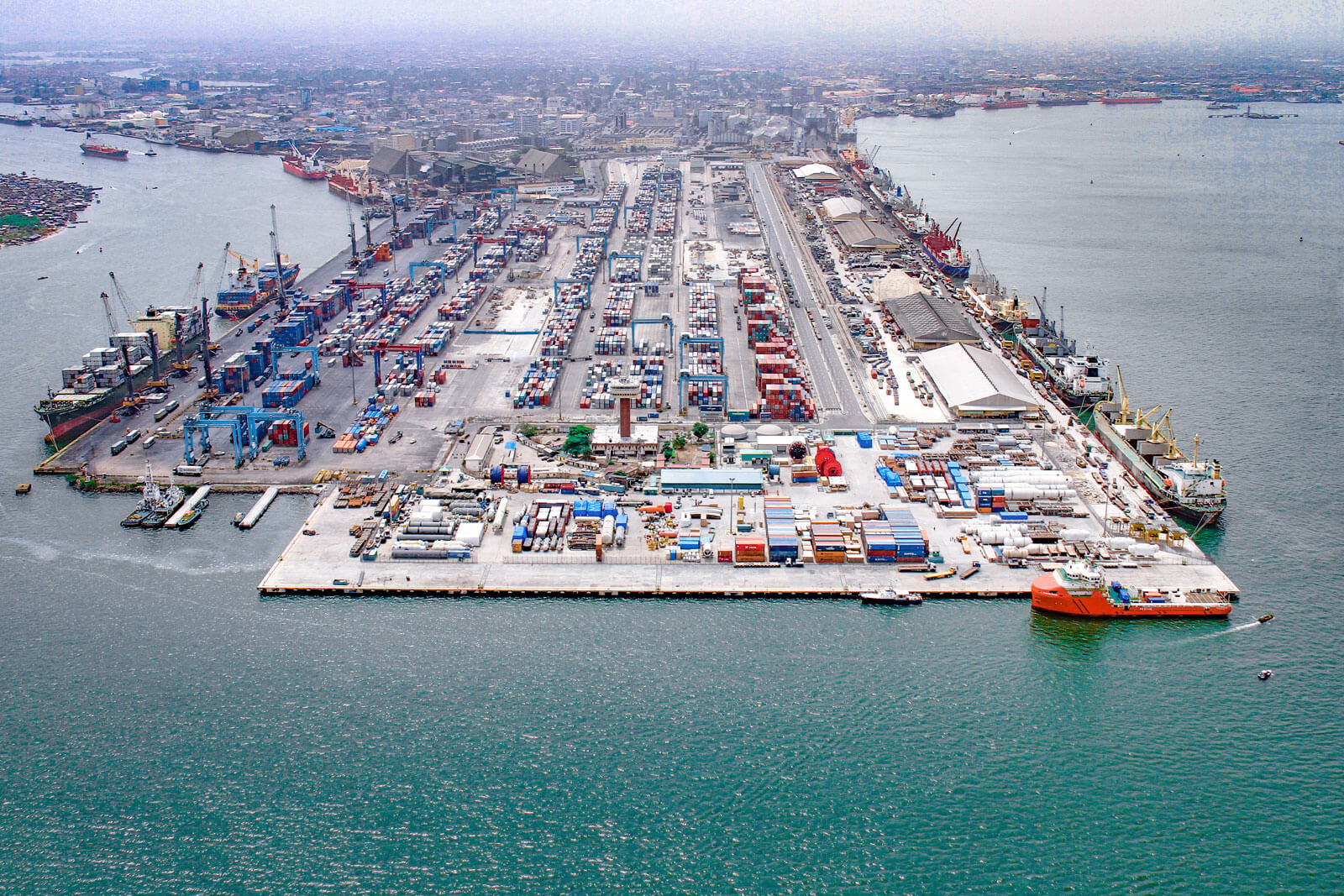
Bitumen Import and Export in Nigeria
Bitumen import and export in Nigeria reveal the dynamics of supply and demand within the country. Nigeria relies heavily on imported bitumen to supplement its local production, which remains underutilized despite large domestic reserves in Ondo State and other regions. The country’s import and export trends reflect a growing infrastructure sector, especially in road construction and industrial projects.
Import of bitumen in Nigeria have increased steadily in recent years:
- In 2023, Nigeria imported approximately $201.8 million worth of petroleum bitumen.
- Major source countries included Turkey, Greece, and Côte d’Ivoire.
- Imported bitumen catered to large-scale road construction projects, industrial use, and export-oriented private sector requirements.
Bitumen exports in Nigeria remain minimal due to local consumption needs:
- In 2023, the value of Nigeria’s bitumen exports was only about $1.19 thousand, ranking it among the smallest exporters globally.
- The minimal export reflects domestic utilization exceeding production capacity and a lack of export-oriented processing facilities.
Bitumen trade in Nigeria show a stark contrast: while imports have grown to meet increasing demand, exports remain negligible. In 2024, preliminary reports indicate a similar trend, with imports projected to increase slightly as road construction and infrastructure projects continue to expand.
Key points on bitumen import and export in Nigeria:
- Heavy reliance on imported bitumen to supplement domestic supply.
- Exports are minimal, highlighting the high domestic demand.
- Growth in imports aligns with ongoing road construction and industrial projects.
- Nigeria’s local bitumen reserves are largely untapped, presenting opportunities for future production expansion.

Major Ports Handling Bitumen in Nigeria
Major ports handling bitumen in Nigeria play a crucial role in ensuring the material is distributed efficiently across the country. These ports facilitate the importation of bitumen from international suppliers and enable smooth logistics for domestic consumption. Efficient port operations are essential to maintaining a consistent supply of bitumen for infrastructure projects.
The main ports handling bitumen in Nigeria include:
- Apapa Port (Lagos): The busiest and most significant port in Nigeria, Apapa Port handles the majority of the country’s imported bitumen. Its strategic location in Lagos enables efficient distribution to other regions.
- Port Harcourt Port: Located in the Niger Delta, Port Harcourt serves the southeastern and southern regions, ensuring bitumen imports reach industrial hubs and road construction zones.
- Warri Port: Also in the Niger Delta, Warri Port supports bitumen supply for projects in the southern region. It is vital for both bulk and packaged deliveries.
- Sapele Port: Sapele facilitates bitumen imports to southern Nigeria and complements Warri and Port Harcourt operations, supporting regional infrastructure development.
Major ports handling bitumen in Nigeria ensure that imported material reaches end-users efficiently. They serve as critical nodes in the supply chain, enabling timely delivery to construction sites and industrial facilities. Key functions of these ports include:
- Receiving imported bitumen in bulk or packaged forms.
- Coordinating logistics for onward transportation to construction and industrial sites.
- Ensuring quality control during unloading and storage.
- Facilitating compliance with customs and import regulations.

Common Bitumen Packaging Methods in Nigeria
Common bitumen packaging methods in Nigeria are designed to meet logistical requirements, storage conditions, and project needs. Packaging ensures safe handling, reduces losses, and improves efficiency in transportation.
The most common packaging methods for bitumen in Nigeria include:
- New Steel Drums: Typically weighing 180 kg, steel drums are the most widely used packaging method for bitumen. They are durable, secure, and suitable for both domestic and export purposes.
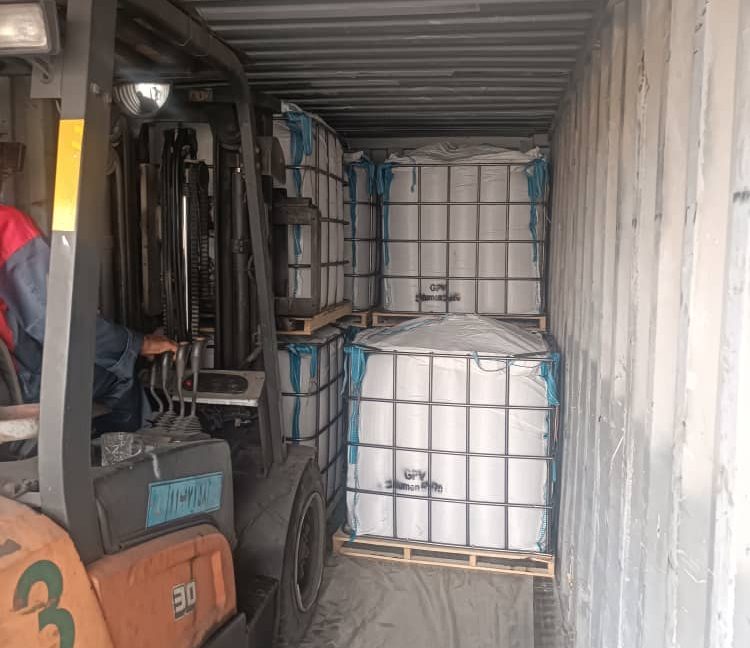
- Jumbo Bags: Jumbo bags, usually weighing 1,200–1,300 kg, are used for bulk deliveries. They allow for efficient loading and unloading while minimizing handling costs.
- Bulk Deliveries: For large-scale projects, bitumen is transported in bulk using tankers or specialized carriers. Bulk delivery reduces packaging costs and is practical for road construction contractors.
Common bitumen packaging methods in Nigeria are selected based on factors such as project size, delivery distance, storage capacity, and the type of bitumen grade being transported. The choice of packaging also affects project efficiency and overall costs.
Key considerations in packaging selection include:
- Ease of handling during loading and unloading.
- Minimizing risk of spillage or contamination.
- Compliance with safety and transportation regulations.
- Suitability for long-term storage or immediate use.

Adoption of New Bitumen Grades in Nigeria
Adoption of new bitumen grades in Nigeria reflects the country’s need for materials that can withstand varied climatic conditions, heavy traffic loads, and long-term durability requirements. The use of advanced bitumen grades is becoming more common in urban infrastructure projects and major highways.
The main bitumen grades used in Nigeria include:
- Penetration Grade Bitumen (60/70, 80/100): These are the most widely used grades for road construction, providing a balance of flexibility, hardness, and cost-effectiveness.
- Polymer-Modified Bitumen (PMB): Increasingly adopted for high-traffic roads, PMB offers superior durability, resistance to deformation, and enhanced performance under extreme temperatures.
- Oxidized Bitumen: Primarily used for waterproofing and roofing applications, oxidized bitumen provides strong water resistance and long-lasting protection.
- Performance Grade Bitumen: Emerging use of performance-based grading allows engineers to select bitumen tailored to specific climate zones and traffic loads.
Adoption of new bitumen grades in Nigeria is driven by infrastructure growth, demand for more resilient roads, and the need to reduce maintenance costs. Key benefits of new grades include:
- Longer lifespan of roads and highways.
- Reduced frequency of maintenance.
- Improved safety and driving comfort.
- Adaptation to extreme weather conditions and heavy traffic.

Factors Driving Bitumen Consumption in Nigeria
Factors driving bitumen consumption in Nigeria include government infrastructure projects, private sector construction, and urbanization. Nigeria’s increasing population and economic growth necessitate expanding road networks and industrial facilities.
Key drivers include:
Government Infrastructure Projects: To begin with, large-scale government initiatives such as road expansion, highway construction, and urban development continue to be the primary drivers of bitumen demand.
Urbanization: Moreover, as cities grow and populations increase, the need for extensive road networks and modern urban facilities continues to rise steadily.
Industrial Growth: In addition, rapid industrial expansion — including the establishment of new factories, refineries, and commercial complexes — further amplifies the demand for bitumen in various construction applications.
Export-Oriented Private Sector Projects: Finally, the growing number of export-oriented private sector developments, led by large construction companies, consistently drives the need for high-grade bitumen that meets international quality standards.
Challenges in the Nigerian Bitumen Market
Challenges in the Nigerian bitumen market affect production, distribution, and consumption. Despite having large bitumen reserves, Nigeria faces several issues:
- Limited Local Production: Insufficient processing capacity restricts the exploitation of domestic reserves.
- Import Dependency: High reliance on imported bitumen increases costs and affects supply stability.
- Logistical Bottlenecks: Transportation, port congestion, and inadequate storage facilities hinder timely delivery.
- Quality Control Issues: Maintaining consistent quality during importation and handling can be challenging.
- Technological Gaps: Modern bitumen processing and polymer-modification technologies are limited in local production facilities.
Addressing these challenges is essential for improving Nigeria’s self-sufficiency in bitumen and reducing import dependency.
Future Outlook for Bitumen Consumption in Nigeria
Future outlook for bitumen consumption in Nigeria is positive, with projections indicating growth in demand due to ongoing infrastructure expansion. The government’s focus on road construction, highway rehabilitation, and urban development is expected to sustain high bitumen consumption.
Key aspects of the future outlook include:
- Potential Increase in Local Production: Investments in processing facilities could reduce reliance on imports.
- Higher Adoption of Advanced Bitumen Grades: Polymer-modified and performance-graded bitumen will see increased usage.
- Expansion of Packaging Options: More efficient packaging solutions such as bulk delivery and jumbo bags may become standard.
- Growing Export Opportunities: As domestic production increases, Nigeria may explore regional exports in West Africa.
Conclusion
Bitumen in Nigeria is heavily import-dependent, with domestic reserves underutilized. Major ports such as Apapa, Port Harcourt, Warri, and Sapele ensure smooth distribution of bitumen across the country. Various packaging methods, including steel drums, jumbo bags, and bulk deliveries, cater to the logistical needs of construction projects. New bitumen grades, including polymer-modified and oxidized bitumen, are increasingly adopted for enhanced durability and performance.
Challenges remain, including limited local production, import dependency, and logistical bottlenecks. However, ongoing infrastructure growth and government initiatives are expected to drive further bitumen consumption and stimulate investment in domestic production capabilities. The Nigerian bitumen market presents opportunities for both domestic growth and potential regional exports as technological and infrastructural capacities improve.