Introduction to Bitumen 80/100
Bitumen 80/100 is one of the most commonly used penetration-grade bitumen types in the global construction industry. It is a standard paving grade bitumen produced from vacuum distillation of crude oil and widely applied in road construction and various industrial projects.
The number 80/100 refers to its penetration grade, meaning the material has a penetration value between 80 and 100 (measured in tenths of a millimeter) under standard testing conditions. This penetration level indicates medium hardness, making it ideal for moderate climate conditions.
In this blog, we will explore the key bitumen 80/100 applications in different fields, its technical advantages, and why it remains a preferred choice in infrastructure projects worldwide.

What is Bitumen 80/100?
Bitumen 80/100 is a thermoplastic material that softens when heated and hardens when cooled. It has excellent adhesive, waterproofing, and viscoelastic properties.
Key Characteristics
-
Medium penetration grade (80–100)
-
High durability
-
Strong binding properties
-
Good resistance to water
-
Suitable for moderate climates
-
Excellent workability during mixing and paving
Due to these properties, Bitumen 80/100 is widely used in both public infrastructure and industrial sectors.

Main Bitumen 80/100 applications
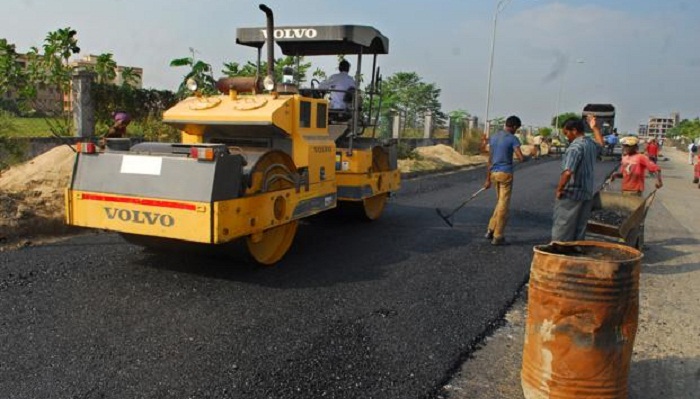
The primary and most important application of Bitumen 80/100 is in road construction.
Asphalt Concrete Production
Bitumen 80/100 acts as a binder in hot mix asphalt (HMA). It binds aggregates such as sand, gravel, and crushed stone to form a strong and flexible pavement structure.
Types of Roads Using Bitumen 80/100
-
Highways
-
Urban roads
-
Rural roads
-
Airport runways
-
Parking areas
-
Industrial yards
In countries with moderate climates, this penetration grade provides the right balance between flexibility and stiffness. It prevents excessive cracking in cold weather and rutting in warm weather.

Why It Is Preferred in Road Projects
-
Excellent adhesion to aggregates
-
Cost-effective solution
-
Long service life
-
Easy handling during paving
-
Suitable for heavy traffic conditions
Many infrastructure projects across Asia, Africa, and the Middle East rely on Bitumen 80/100 for durable and long-lasting pavements.
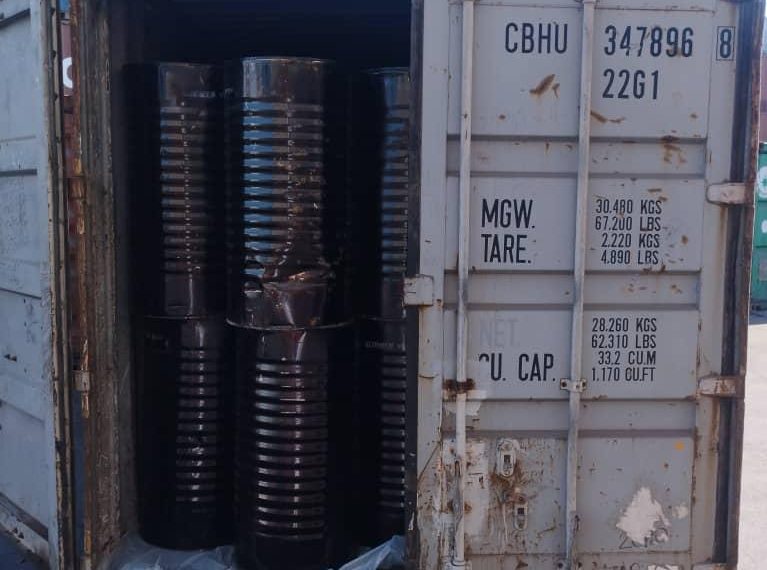
2. Waterproofing Applications
Bitumen 80/100 is widely used in waterproofing due to its water-resistant properties.
Roofing Systems
It is used in manufacturing:
-
Bituminous membranes
-
Roofing felts
-
Shingles
-
Damp-proof courses
These materials protect buildings from water penetration and moisture damage.
Basement and Foundation Waterproofing
Bitumen coatings made from 80/100 grade are applied to:
-
Concrete foundations
-
Retaining walls
-
Underground structures
This prevents water seepage and increases structural durability.

3. Industrial Flooring and Pavement Systems
Bitumen 80/100 is also used in industrial flooring systems where strong and flexible surfaces are required.
Applications Include:
-
Warehouse floors
-
Factory pavements
-
Container yards
-
Logistics hubs
Its binding strength ensures that heavy machinery and vehicles can operate without causing premature surface damage.
4. Airport Runways and Taxiways
Airports require pavements that can withstand heavy aircraft loads and temperature variations. Bitumen 80/100 is commonly used in asphalt mixtures for:
-
Airport runways
-
Taxiways
-
Aprons
Its medium penetration grade provides adequate flexibility while maintaining structural strength under repeated loading.

5. Bridge Deck Waterproofing
Bridge structures require specialized waterproofing layers to prevent water infiltration and corrosion of reinforcement.
Bitumen 80/100 is used as:
-
A protective coating
-
A binder in asphalt overlays
-
A waterproof membrane layer
This extends the life of bridges and reduces maintenance costs.

6. Railway Track Applications
In some regions, Bitumen 80/100 is used in railway construction for:
-
Ballast stabilization
-
Asphalt underlayment
-
Track bed waterproofing
It enhances load distribution and reduces vibration impact on railway systems.

7. Bituminous Emulsion and Cutback Production
Bitumen 80/100 can be processed into:
-
Bitumen emulsions
-
Cutback bitumen
-
Modified bitumen products
These derivatives are used for:
-
Prime coat
-
Tack coat
-
Surface dressing
-
Cold mix asphalt
This makes it a versatile raw material for secondary bitumen products.

Advantages of Using Bitumen 80/100
Understanding the benefits of Bitumen 80/100 helps explain why it is widely used across industries.
1. Cost Efficiency
Compared to polymer-modified bitumen, 80/100 grade offers a cost-effective solution for standard road projects.
2. Climate Suitability
It performs well in moderate temperature zones, making it ideal for many countries in the Middle East, Africa, and South Asia.
3. Strong Adhesion
It bonds effectively with aggregates, ensuring pavement stability and durability.
4. Workability
Its viscosity allows easy mixing, transportation, and application in asphalt plants.
5. Long Service Life
When properly applied, roads built with Bitumen 80/100 can last many years with minimal maintenance.
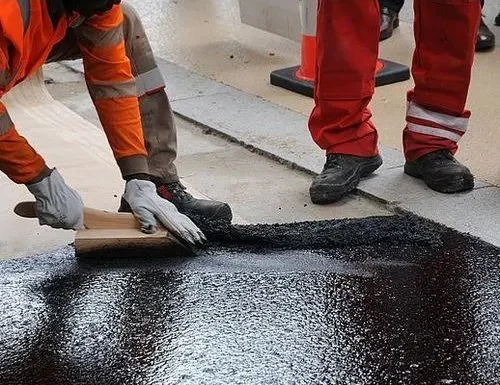
Bitumen 80/100 vs Other Penetration Grades
Compared to harder grades like 60/70, Bitumen 80/100 is slightly softer. This makes it:
-
More flexible
-
Less prone to cracking
-
Better suited for moderate climates
However, in extremely hot climates, harder grades may be preferred to prevent rutting.
Choosing the correct grade depends on:
-
Climate conditions
-
Traffic load
-
Project specifications
-
National standards

Global Demand for Bitumen 80/100
The demand for Bitumen 80/100 continues to grow due to:
-
Rapid urbanization
-
Highway expansion projects
-
Airport development
-
Infrastructure modernization
Countries investing heavily in road networks rely on penetration-grade bitumen as a fundamental construction material.

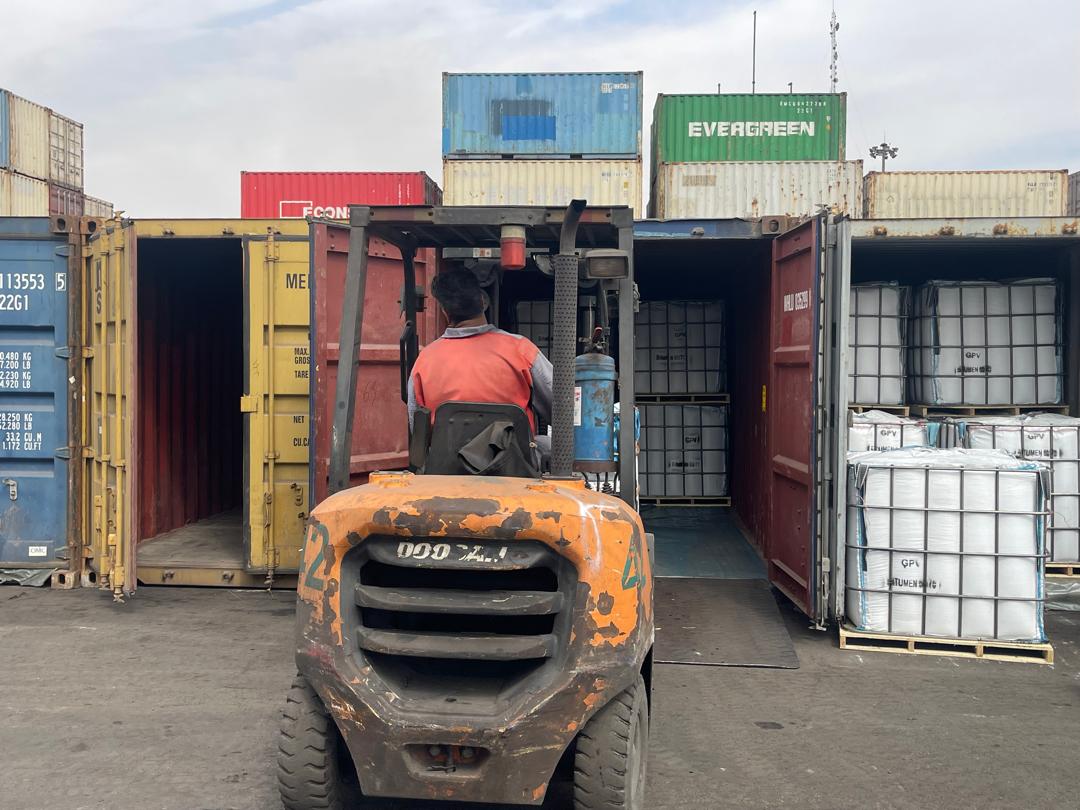
Storage and Handling Considerations
Proper storage is essential to maintain product quality.
Important Guidelines:
-
Store in heated tanks
-
Maintain proper temperature
-
Avoid water contamination
-
Use insulated tankers for transportation
Maintaining the correct temperature prevents oxidation and quality degradation.

Environmental Considerations
While bitumen is derived from petroleum, modern asphalt technology allows:
-
Recycling of old pavements (RAP)
-
Reuse of asphalt materials
-
Energy-efficient production methods
Recycling asphalt reduces environmental impact and improves sustainability.
Conclusion
Bitumen 80/100 is a versatile and essential material in the construction and industrial sectors. Its balanced penetration grade makes it suitable for road construction, waterproofing, airport runways, bridge decks, industrial flooring, and more. Its cost-effectiveness, durability, and adaptability to moderate climates explain why it remains one of the most widely used bitumen grades worldwide. For contractors, infrastructure developers, and industrial users looking for high-quality Bitumen 80/100, you can contact Gulf Petro Vision to get the latest prices and market insights for your destination. Their expertise ensures you receive reliable products and up-to-date information to plan your projects efficiently and cost-effectively.