What Is Bitumen 80/100? Complete Guide to Specifications, Applications, and Market Insights
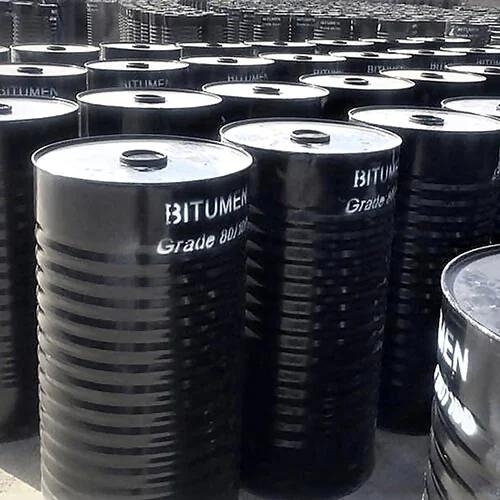
Bitumen 80/100 is one of the most widely used penetration grade bitumen types in global road construction. Known for its softer consistency and flexibility, it plays a critical role in pavement construction in moderate and cooler climates.
But what exactly is Bitumen 80/100? How is it different from other grades? And why is it widely used in infrastructure projects across Asia, Africa, and Europe?
This complete guide explains everything you need to know — from specifications and applications to performance benefits and pricing factors.

What Is Bitumen 80/100?
Bitumen 80/100 is a penetration grade bitumen, classified according to how deep a standard needle penetrates the material under specific test conditions.
The numbers 80/100 refer to a penetration value between:
-
80 to 100 dmm (decimillimeters)
-
Measured at 25°C
-
Under a 100g load
-
For 5 seconds
A higher penetration value means softer bitumen. Therefore, Bitumen 80/100 is softer than Bitumen 60/70 and 40/50.
Its softer structure makes it ideal for areas that experience:
-
Lower average temperatures
-
Moderate traffic loads
-
Seasonal climate variations
What Does “Penetration Grade” Mean?
Penetration grading is one of the traditional systems used to classify bitumen based on hardness.
Here’s a quick comparison:
| Grade | Hardness | Best Climate |
|---|---|---|
| 40/50 | Hard | Very hot regions |
| 60/70 | Medium | Warm climates |
| 80/100 | Soft | Moderate to cooler climates |
Bitumen 80/100 provides greater flexibility, which helps prevent cracking in lower temperatures.
What Are the Technical Specifications of Bitumen 80/100?
Understanding the physical properties helps explain its performance.
Typical specifications include:
-
Penetration at 25°C: 80–100 dmm
-
Softening Point: 42–52°C
-
Flash Point: Above 225°C
-
Ductility at 25°C: Minimum 100 cm
-
Solubility in Trichloroethylene: 99% minimum
-
Specific Gravity at 25°C: Approximately 1.01
These characteristics ensure:
-
Good flexibility
-
Strong adhesion to aggregates
-
Safe heating during asphalt production
-
Reliable pavement performance
Why Is Bitumen 80/100 Used in Road Construction?
Road pavements must balance strength and flexibility. If bitumen is too hard, it cracks. If it is too soft, it deforms.
Bitumen 80/100 offers:
-
Improved resistance to thermal cracking
-
Flexibility under light to medium traffic
-
Suitable performance in moderate climates
-
Cost-effective solution for large-scale projects
It is widely used for:
-
Urban roads
-
Rural roads
-
Light to medium traffic highways
-
Asphalt base and binder layers

How Does Bitumen 80/100 Perform in Different Climates?
Climate plays a major role in selecting bitumen grade.
In Cooler Regions
Bitumen 80/100 performs very well due to its softness. It reduces the risk of cracking caused by temperature drops.
In Warm Regions
It can still perform effectively if traffic loads are moderate. However, in extremely hot climates with heavy truck traffic, harder grades may be preferred.
In Tropical Regions
It is often used in areas with balanced temperature profiles and controlled traffic volumes.
Proper pavement design is always essential to ensure long service life.

What Are the Main Applications of Bitumen 80/100?
Bitumen 80/100 is versatile and used in multiple infrastructure sectors.
1. Asphalt Concrete Production
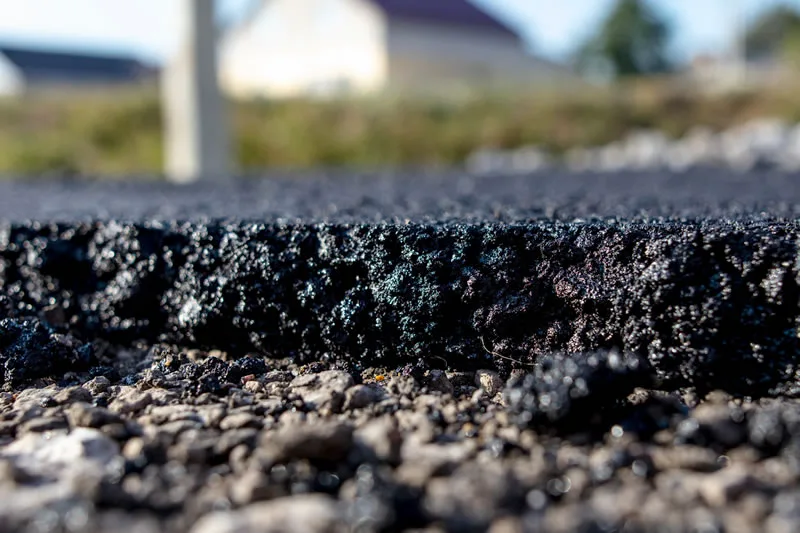
It acts as a binder in hot mix asphalt.
2. Surface Dressing
Used in spray applications combined with aggregates.
3. Road Maintenance Projects
Ideal for repair works and resurfacing.
4. Waterproofing
Sometimes used in industrial waterproofing applications.
What Are the Advantages of Bitumen 80/100?
Choosing the right grade affects pavement durability and project costs.
Key advantages include:
✔ Excellent Flexibility
Reduces cracking risk in cooler climates.
✔ Good Adhesion
Binds aggregates effectively.
✔ Workability
Easy to mix and compact during asphalt production.
✔ Cost Efficiency
Competitive compared to modified binders.
✔ Global Availability
Produced by major refineries worldwide.
How Is Bitumen 80/100 Manufactured?
Bitumen is produced through crude oil refining.
During the refining process:
-
Crude oil undergoes atmospheric distillation.
-
Lighter fractions are removed.
-
Residue undergoes vacuum distillation.
-
Final residue becomes penetration grade bitumen.
Quality control testing ensures the product meets international standards such as ASTM and EN specifications.

How Does Bitumen 80/100 Compare to 60/70?
Many buyers ask about the difference.
Here’s a simple breakdown:
-
Bitumen 80/100 is softer
-
Bitumen 60/70 is harder
-
80/100 offers better flexibility
-
60/70 offers better rutting resistance
For moderate climates and lighter traffic, 80/100 is often the preferred choice.
What Factors Influence Bitumen 80/100 Pricing?
Bitumen prices fluctuate based on several factors:
-
Crude oil benchmark prices
-
Refinery production levels
-
Seasonal construction demand
-
Export logistics and freight rates
-
Regional infrastructure spending
In developing markets, infrastructure expansion often increases demand, influencing price trends.

What Packaging Options Are Available?
Bitumen 80.100 is supplied in multiple forms:
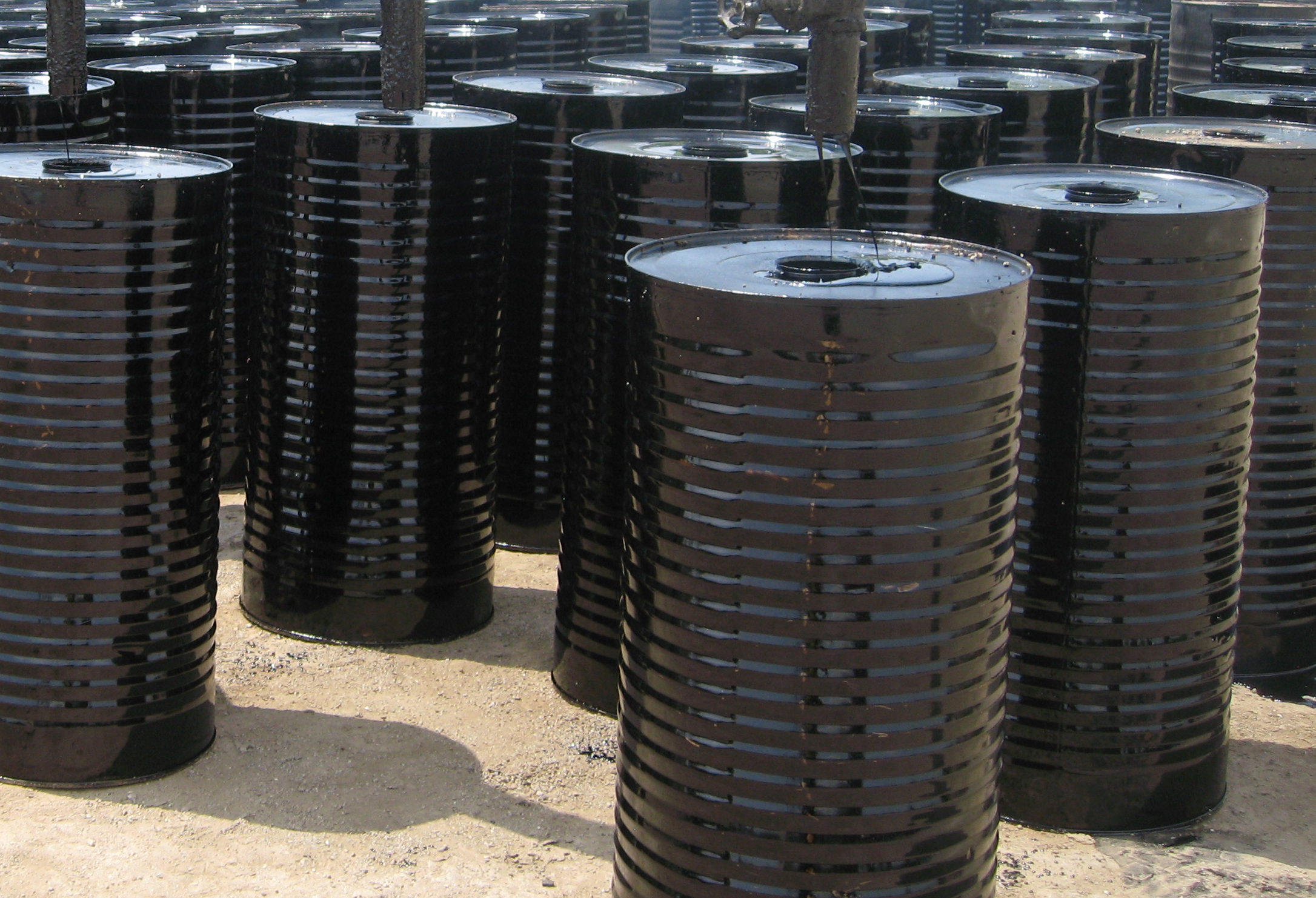
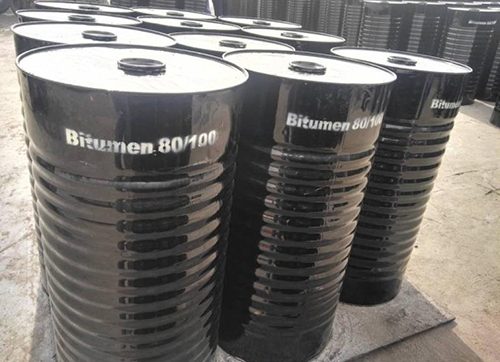
Drummed Bitumen
-
150–180 kg steel drums
-
Suitable for container shipments
-
Popular in export markets
Bulk Bitumen
-
Shipped in tankers or bulk vessels
-
Cost-efficient for large projects
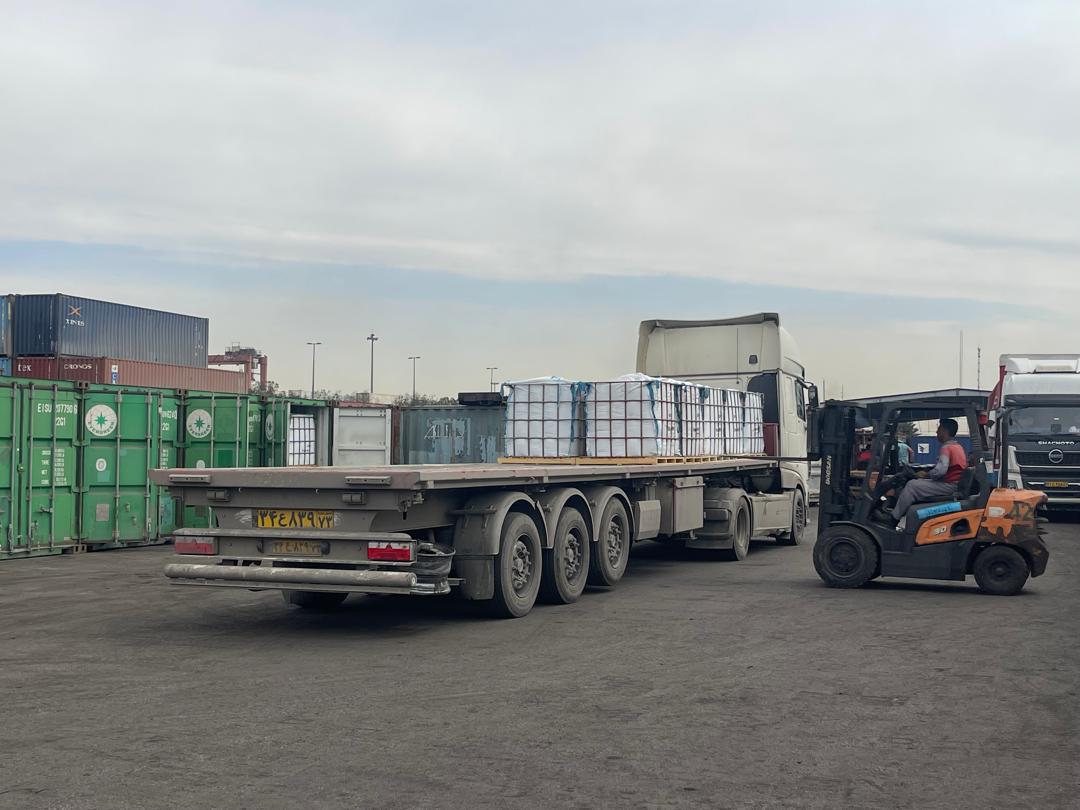
Jumbo Bags
-
Alternative packaging for certain markets
Choice depends on project size and logistics.
What Quality Standards Apply to Bitumen 80/100?
Reliable suppliers ensure compliance with:
-
ASTM D946
-
EN 12591
-
Local national standards
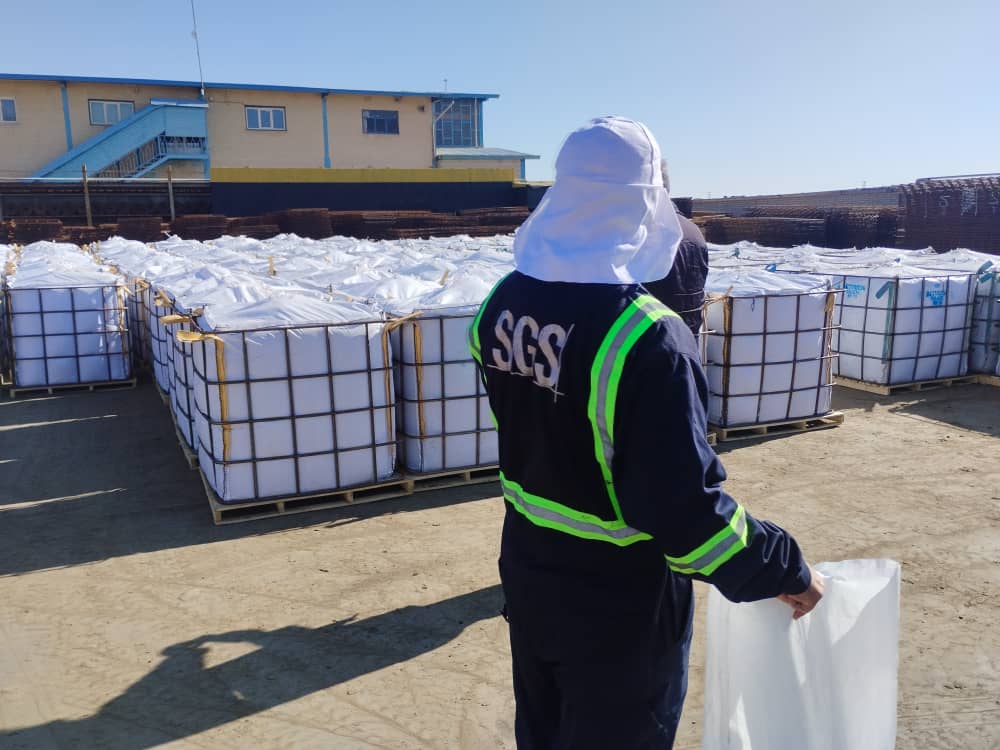
Each shipment should include:
-
Certificate of Analysis (COA)
-
Batch testing confirmation
This guarantees consistency and performance.
Is Bitumen 80/100 Environmentally Sustainable?
Traditional bitumen production is energy-intensive. However, sustainability efforts are increasing.
Modern practices include:
-
Warm mix asphalt technologies
-
Recycling reclaimed asphalt pavement (RAP)
-
Energy-efficient refining methods
Using proper pavement design also reduces long-term environmental impact by extending road lifespan.
Why Is Bitumen 80/100 Important for Infrastructure Development?
Road networks are essential for:
-
Trade expansion
-
Economic growth
-
Logistics efficiency
-
Urbanization
-
Rural connectivity
Bitumen 80-100 supports these developments by offering a reliable and cost-effective pavement binder.
What Should Buyers Look for When Sourcing Bitumen 80-100?
When purchasing, consider:
-
Supplier reliability
-
Consistent quality control
-
Export experience
-
Competitive pricing
-
Market insights and support
Working with experienced exporters ensures smooth logistics and stable supply.

Gulf Petro Vision – A Leading Bitumen Supplier in the Middle East
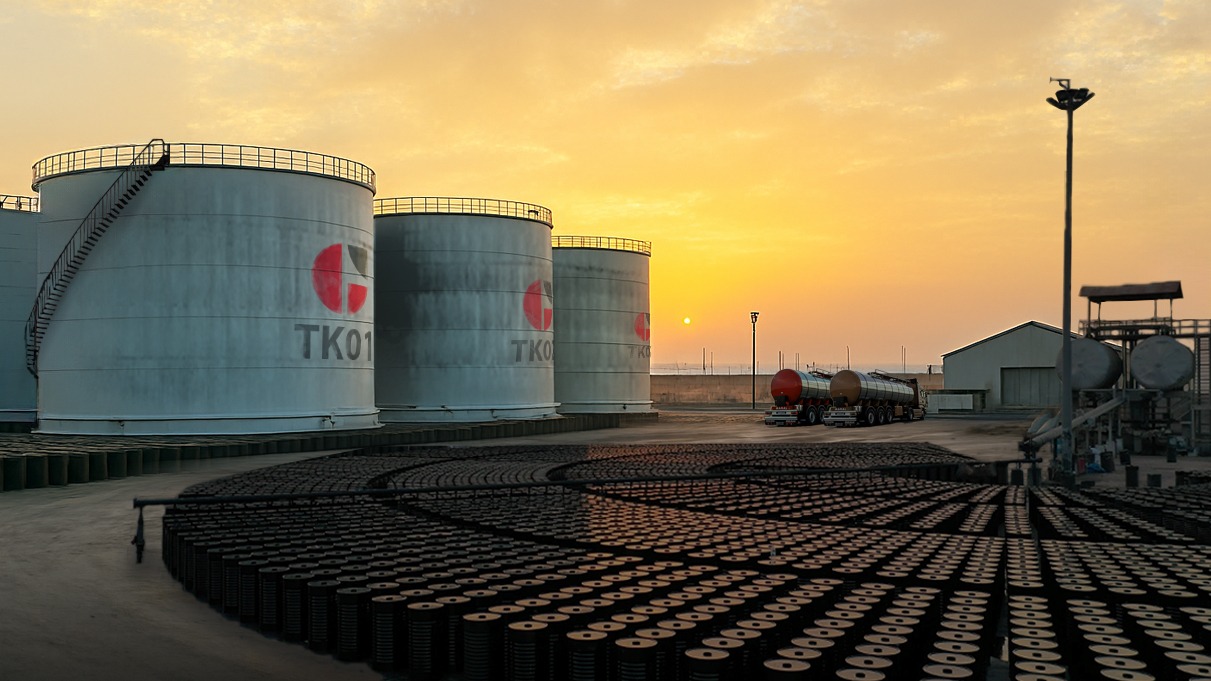
Gulf Petro Vision is recognized as a leading bitumen supplier in the Middle East, providing high-quality Bitumen 80/100 to contractors, distributors, and infrastructure developers worldwide. With strong refinery sourcing, strict quality control, and flexible packaging options including bulk and drummed shipments, Gulf Petro Vision supports road construction projects across Africa, Asia, and other global markets.
For the latest Bitumen 80/100 prices, market trends, and supply availability, contact Gulf Petro Vision today. Our team provides updated market insights and competitive quotations tailored to your project requirements.
Final Thoughts
Bitumen 80/100 remains one of the most widely used penetration grades in global road construction. Its flexibility, workability, and cost-efficiency make it ideal for moderate climates and light to medium traffic roads. Selecting the right grade ensures longer pavement life, lower maintenance costs, and better infrastructure performance. With proper sourcing and quality assurance, Bitumen 80-100 continues to play a vital role in modern road development worldwide.