Why Bitumen Quality is Important for Durable Roads?
Why bitumen quality is important cannot be overstated in modern road construction. As a vital component of asphalt pavements, its properties directly influence road lifespan, safety, and overall cost-effectiveness. This article, brought to you by Gulf Petro Vision, delves into the critical aspects of bitumen, from chemical composition and testing standards to future trends in sustainability and high-performance materials.
Bitumen is the binding matrix that holds aggregates together in asphalt pavement. Its intrinsic properties dictate how a road will respond to traffic loads, temperature fluctuations, and aging. Understanding the science behind these properties equips engineers to select the right binder, apply appropriate testing standards, and ultimately construct pavements that last longer with fewer repairs.
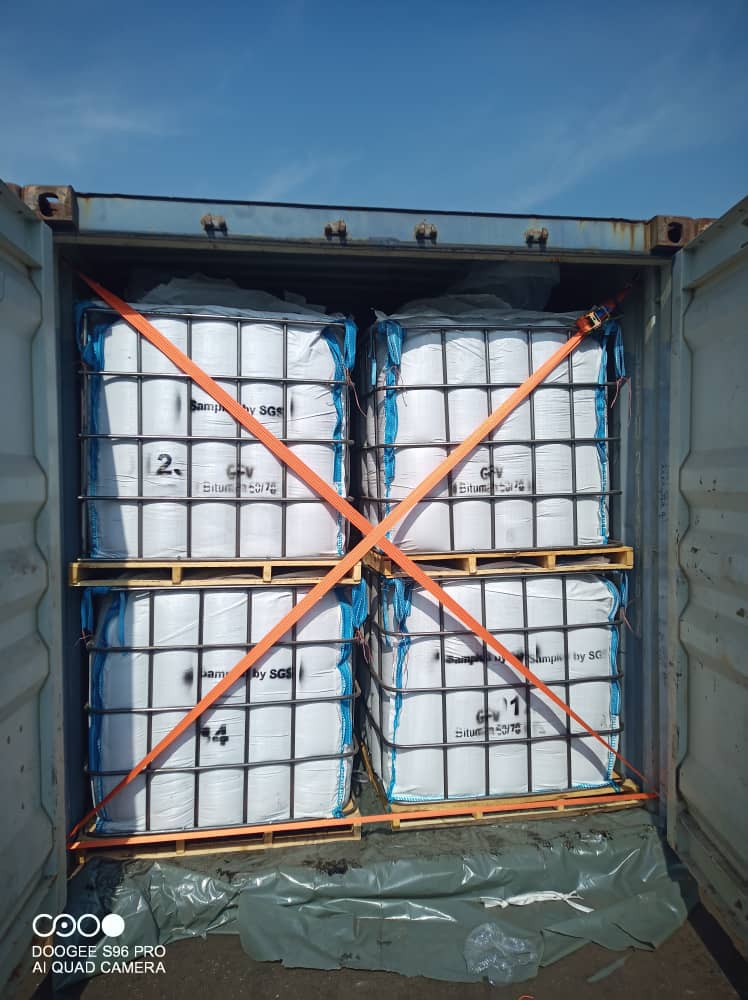
Why bitumen quality is important for road longevity?
High‑quality bitumen ensures that the asphalt binder meets the required asphalt binder specifications for viscosity, softening point, and ductility. When these parameters are controlled, the pavement exhibits superior resistance to cracking, rutting, and fatigue—key factors that determine the impact of bitumen quality on road lifespan. Consistency in quality also facilitates accurate bitumen testing standards, reducing variability during construction.
What chemical components define bitumen’s performance?
Bitumen is a complex mixture of three primary fractions:
- Asphaltenes: High‑molecular‑weight, polar compounds that provide stiffness and strength.
- Maltenes: The lighter oils (saturates, aromatics, resins) that give the binder its flow characteristics.
- Resins: Intermediate molecules that enhance adhesion between asphaltenes and maltenes, improving elasticity.
This chemical composition influences measurable properties such as viscosity, penetration, softening point, and ductility, each of which translates directly to field performance.

How do viscosity and penetration influence pavement behavior?
Viscosity reflects the flow resistance of bitumen at a given temperature. Higher viscosity at service temperatures reduces the likelihood of permanent deformation (rutting). Penetration, measured by the depth a needle penetrates under standard conditions, indicates softness; lower penetration values correspond to harder binders that resist cracking in cold climates. The chart below visualizes the correlation between these properties and common distress modes.
Bar chart linking key bitumen properties to typical pavement distress types.
What role does the crude oil source play in bitumen characteristics?
Crude oil origin determines the proportion of asphaltenes versus maltenes. Heavy, high‑acid crude yields bitumen with higher asphaltene content, resulting in a stiffer binder suitable for hot climates. Lighter crude produces softer binders with lower viscosity, favorable for cold regions. Selecting the appropriate bitumen grade selection based on source ensures that the binder aligns with climatic demands and traffic intensity.

How do asphalt binder specifications ensure consistent quality?
Specifications such as those outlined in national standards prescribe acceptable ranges for viscosity, softening point, and ductility. By adhering to these limits, producers implement rigorous bitumen quality control procedures, and users can perform reliable bitumen testing standards on site. Consistent compliance mitigates the risk of premature failures and supports cost‑effective maintenance strategies.
In summary, the interplay of chemical composition, measurable physical properties, and source material defines the performance envelope of bitumen. When engineers integrate these insights with strict binder specifications and robust testing, they create asphalt pavements that stand up to the rigors of traffic and climate, delivering the durability and service life that modern infrastructure demands.

What are the different grades of bitumen and how are they classified?
Bitumen is commonly classified by penetration grades (e.g., 40/60, 80/100) that describe hardness at 25 °C, and by performance grades (PG) such as PG 64‑22 or PG 76‑34, which specify the temperature range over which the binder maintains acceptable stiffness and low‑temperature cracking resistance. Penetration grades are useful for simple climatic zones, while PG specifications align binder behaviour with seasonal extremes, traffic loading, and pavement design life.
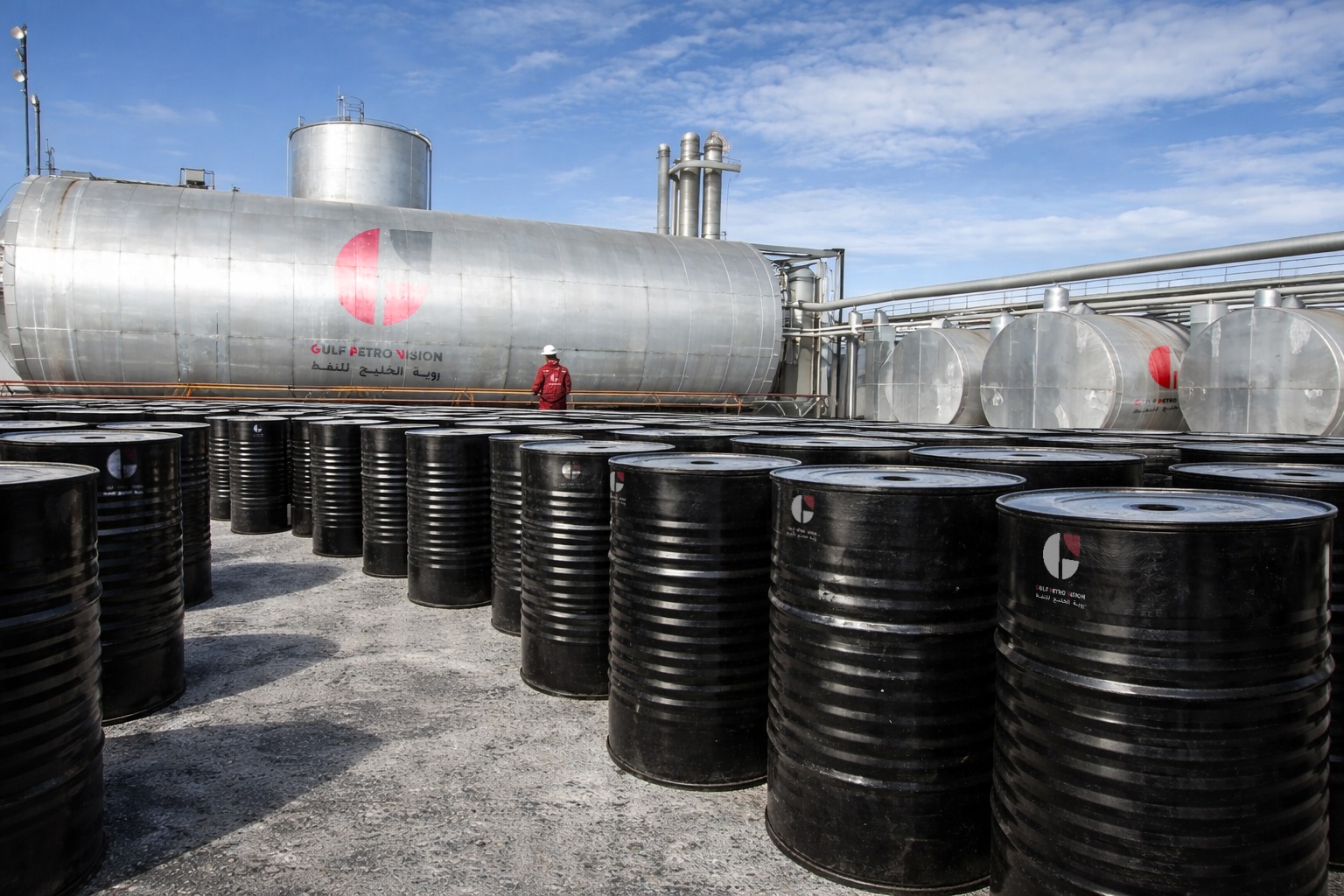
Why bitumen quality is important for selecting the right grade in varying climates?
High‑quality binder ensures that the selected grade truly reflects the intended bitumen properties and performance. Imperfections in chemical composition, excessive air bubbles, or inconsistent viscosity can shift the effective PG, leading to premature rutting in hot climates or cracking in cold regions. Adhering to rigorous bitumen testing standards during production guarantees the binder meets the declared specifications, directly influencing the pavement’s durability and the impact of bitumen quality on road lifespan.
How does grade selection affect aggregate gradation, binder content and compaction?
When a high‑stiffness PG binder is paired with well‑graded aggregates, the optimum binder content often falls between 4.5 % and 5.5 % by weight, providing sufficient coating without excess bleeding. Conversely, a softer binder may require a higher dosage to achieve adequate cohesion. Proper compaction—typically 95 % of the theoretical maximum density—locks the aggregate skeleton and binder together, minimizing air voids that could accelerate ageing. The synergy between bitumen grade selection, aggregate gradation, and compaction is the cornerstone of high‑performance asphalt pavement.
Illustrates how binder content typically rises with softer performance grades.
What are the consequences of an incorrect grade choice?
Deploying a binder that is too soft for a hot, high‑traffic corridor can lead to early rut formation, loss of structural capacity, and increased maintenance cycles. Conversely, an overly stiff binder in a cold region may cause transverse cracking, water infiltration, and ultimately a reduction in service life. Case studies reveal that mis‑graded binders are responsible for up to 30 % of premature failures, emphasizing the economic and safety implications of poor grade selection.

How does the selection process contribute to cost‑effective bitumen solutions?
By aligning the binder’s PG with local climate data and traffic forecasts, engineers can optimise the mix design to use the minimum effective binder content while maintaining performance targets. This precision reduces material waste, lowers haulage costs, and extends the interval between resurfacing activities, delivering a truly cost‑effective solution without compromising durability.

What global standards define bitumen testing procedures?
Bitumen testing standards are harmonised by organisations such as ASTM (United States), EN (European Norms) and AASHTO (American Association of State Highway and Transportation Officials). Each framework provides detailed methods for assessing key properties – penetration, viscosity, softening point, flash point and solubility – ensuring that the material meets the prescribed asphalt binder specifications across continents.

How is the Penetration test performed and why does it matter?
The ASTM D5 and EN 1426 penetration tests measure the depth (in tenths of a millimetre) a standard needle penetrates a bitumen sample under a 100 g load at 25 °C for 5 seconds. Lower penetration values indicate a harder binder, while higher values denote a softer mix. This result directly influences bitumen grade selection and predicts the performance of the pavement under traffic loads, making it a cornerstone of bitumen quality control procedures.
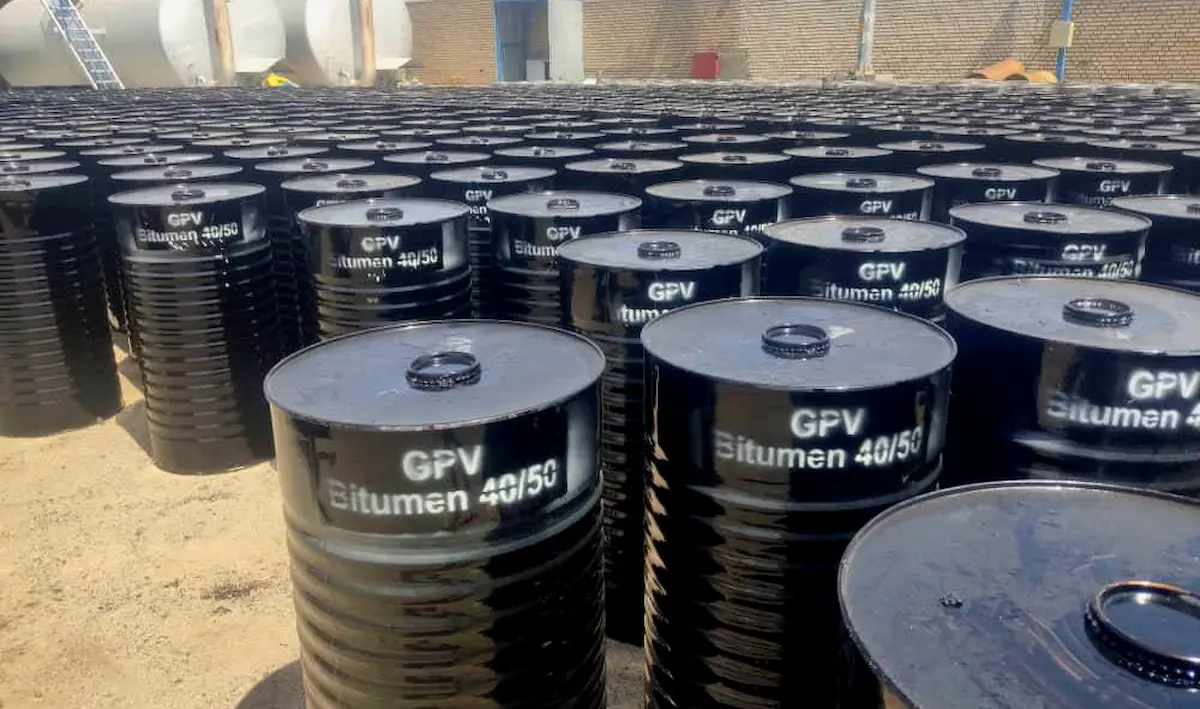
Why is viscosity testing essential for road construction material quality?
Viscosity, measured by ASTM D445 or EN 1427 using a rotational viscometer at 60 °C and 135 °C, reflects the flow resistance of the binder. Consistent viscosity ensures uniform mixing and compaction during asphalt paving. Deviations can lead to premature cracking or rutting, highlighting the impact of bitumen quality on road lifespan.
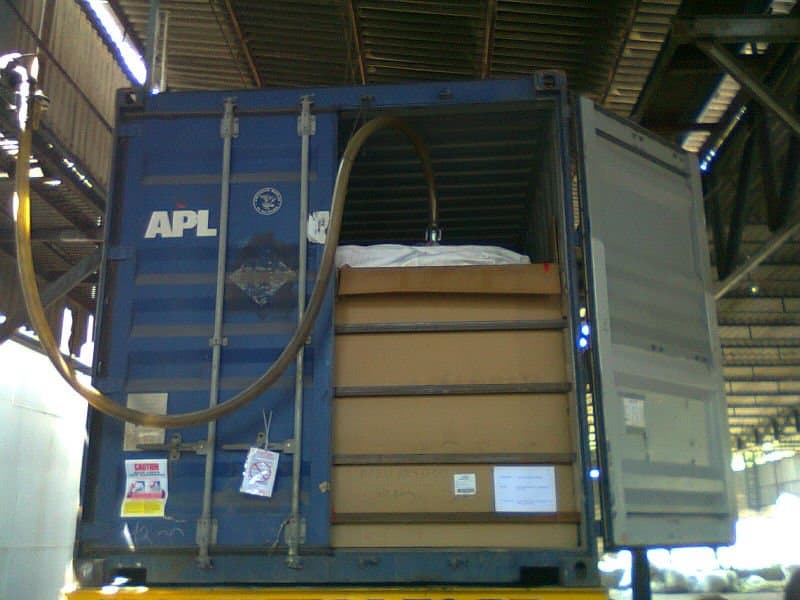
What does the Softening Point reveal about bitumen performance?
Using the Ring‑and‑Ball method (ASTM D36 / EN 14771), the temperature at which a bitumen sample softens enough to allow a steel ball to fall a specified distance is recorded. A higher softening point generally indicates better resistance to high‑temperature deformation, a critical factor for asphalt pavement durability in hot climates.

How does the Flash Point test safeguard construction safety?
The Flash Point (ASTM D92) determines the lowest temperature at which vapour from heated bitumen ignites briefly. This safety metric prevents fire hazards on site and also serves as an indicator of the binder’s volatility, linking chemical composition to handling practices.
What is the purpose of the Solubility test in bitumen quality assessment?
ASTM D71 evaluates the proportion of bitumen that dissolves in trichloroethylene at 25 °C. Low solubility can signal the presence of impurities or excessive asphaltenes, which may lead to adhesion failures and reduced moisture resistance – key elements in bitumen failure analysis.
Typical distribution of key bitumen tests across quality‑control labs.
How do bitumen testing standards ensure compliance with asphalt binder specifications?
Each test yields quantitative data that can be compared against the limits defined in regional specifications (e.g., AASHTO M320, EN 12697‑1). When a binder meets all criteria, it is classified within a specific grade (e.g., PMB 45, 60/70). This classification guides engineers in designing mixes that achieve the intended performance, aligning with cost‑effective bitumen solutions and sustainability goals for 2026.
Why bitumen quality is important for the durability of modern highways?
High‑performance bitumen 2026 integrates polymer modification and advanced additives, yet the underlying quality of the base binder remains decisive. Poor bitumen grade selection can accelerate oxidative ageing, leading to cracking, rutting, and costly rehabilitation. By rigorously adhering to testing standards, agencies can mitigate these risks and deliver road construction material quality that stands the test of time.

What role do quality‑control procedures play during production and construction?
Continuous monitoring—sampling at the refinery, plant storage, and loading stages—allows early detection of deviations in viscosity or flash point. Real‑time adjustments (e.g., blending, temperature control) prevent the propagation of defects into the field. This proactive approach is essential for maintaining asphalt pavement durability and for meeting the increasingly stringent bitumen sustainability 2026 benchmarks.

How does bitumen quality influence the lifespan of asphalt pavements?
When the binder meets the prescribed asphalt binder specifications, its rheological behavior remains stable across the temperature range experienced in service. A high‑grade, properly modified bitumen retains its elasticity during cold spells, reducing fatigue cracking, while its stiffness at elevated temperatures resists permanent deformation. Consequently, road sections constructed with premium binder often exceed their design life by 15‑30 % compared with pavements that rely on substandard material.

Why bitumen quality is important for long‑term road performance?
The direct correlation between binder performance and pavement durability is rooted in the chemical composition and physical properties of bitumen. Minor variations in penetration, softening point, or aging resistance can trigger early surface distress, ultimately compromising the road construction material quality and inflating maintenance budgets.
Typical distribution of failure modes observed in pavements with low‑grade bitumen.
What are the most common pavement failure modes linked to poor binder?
Three failure mechanisms dominate:
- Cracking – thermal contraction or repeated traffic loads generate fatigue cracks when the binder loses its flexibility.
- Rutting – permanent deformation in wheel paths occurs when the binder cannot sustain high‑temperature shear stresses.
- Stripping – loss of adhesion between aggregates and binder, often accelerated by moisture, leads to surface pitting.
Each of these failures can be traced back to deficiencies identified by bitumen testing standards such as low penetration values, inadequate ductility, or poor aging resistance.

How are failures diagnosed through bitumen failure analysis?
Failure analysis combines microscopic examination and chemical profiling. Scanning electron microscopy (SEM) reveals voids, aggregate‑binder detachment, and micro‑cracks, while Fourier‑transform infrared spectroscopy (FTIR) quantifies oxidative aging products like carbonyl and sulfoxide groups. The results are cross‑referenced with the original bitumen grade selection records to pinpoint whether the material fell short of the required performance envelope.

Can proactive quality control prevent premature deterioration?
Implementing rigorous bitumen quality control procedures—including real‑time viscosity monitoring, binder content verification, and periodic laboratory re‑testing—creates a feedback loop that catches deviations before the mix leaves the plant. When such controls are in place, the incidence of cracking, rutting, and stripping drops dramatically, extending service life and reducing life‑cycle costs.
PROS
- Enhanced durability and longer design life.
- Reduced maintenance frequency and associated traffic disruptions.
- Better compliance with international bitumen standards compliance frameworks.
CONS
- Higher initial material procurement costs.
- Need for specialized testing equipment and trained personnel.
- Potential schedule adjustments for additional quality checks.
What are the core objectives of modifying bitumen for pavement durability?
Bitumen modification is driven by the need to tailor the visco‑elastic response of the asphalt binder so that it can withstand the full range of traffic loads and temperature fluctuations. By adjusting stiffness, elasticity, and strain‑rate sensitivity, engineers aim to reduce cracking, rutting, and moisture‑induced distress, thereby extending the service life of the pavement. The selection of an appropriate modification pathway must align with asphalt binder specifications and local climate conditions, ensuring that the resulting mix meets the required performance criteria.

How do polymer modification techniques like SBS and crumb rubber improve performance?
Polymer‑modified bitumen (PMB) incorporates thermoplastic elastomers such as Styrene‑Butadiene‑Styrene (SBS) or recycled crumb rubber. These polymers create a three‑dimensional network within the binder, enhancing elasticity and fatigue resistance. SBS, for instance, raises the binder’s glass transition temperature, which improves high‑temperature rut resistance while maintaining flexibility at low temperatures. Crumb rubber, derived from end‑of‑life tires, adds damping capacity, reducing the propagation of micro‑cracks under repeated loading.
Performance index comparison illustrating the durability advantage of polymer‑modified binders.
Why bitumen quality is important for road longevity?
The answer lies in the direct link between bitumen quality and the long‑term structural integrity of pavement layers. High‑quality bitumen ensures consistent chemical composition, optimal penetration values, and reliable ductility, all of which are essential for resisting thermal cracking and oxidative aging. When quality control lapses, the impact of bitumen quality on road lifespan becomes evident through premature failures, increased maintenance cycles, and higher life‑cycle costs. Rigorous bitumen testing standards such as those prescribed in EN 12591 provide the analytical framework to verify these properties before production.

What role do chemical modifiers play in enhancing elasticity and fatigue resistance?
Chemical additives—such as sulfur, epoxy, or phosphoric esters—react with the asphaltene fraction of the binder, forming a more interconnected molecular network. This reaction raises the complex modulus at high temperatures while preserving low‑temperature flexibility, resulting in a binder that can absorb repeated traffic stresses without accumulating damage. The modification also improves resistance to moisture damage by reducing binder permeability, a critical factor in low‑temperature regions.

Can warm mix asphalt technologies deliver sustainable, cost‑effective solutions?
Warm mix asphalt (WMA) reduces the production temperature by 30–50 °C, cutting fuel consumption and greenhouse gas emissions. Additives such as water‑based foaming agents or synthetic zeolites act as temporary softeners, enabling adequate workability without compromising binder stiffness. While the initial material cost may be slightly higher, the overall cost‑benefit analysis shows lower energy expenses and a reduced carbon footprint, aligning with emerging bitumen sustainability 2026 goals.

Which modification approach offers the best cost‑benefit balance for 2026 projects?
Polymer modification, particularly SBS, delivers the highest performance uplift but carries a premium price. Chemical modifiers provide moderate improvements at a lower cost, making them attractive for medium‑traffic roads. Warm mix technologies offer the most sustainable economic profile, especially when combined with a modest polymer or crumb‑rubber dose. Selecting the optimal route depends on project-specific traffic forecasts, climate exposure, and budget constraints.

What emerging trends will shape high‑performance bitumen beyond 2026?
Research is converging on nano‑reinforced binders, bio‑based polymers, and self‑healing additives that activate under oxidative conditions. These innovations aim to further boost elasticity, extend fatigue life, and lower the environmental impact of bitumen production. As standards evolve to incorporate performance‑based criteria rather than solely grade‑based limits, the industry will increasingly adopt these next‑generation solutions to meet the rising demand for durable, low‑maintenance road infrastructure.
In the evolving landscape of infrastructure development, the quest for longer‑lasting, low‑maintenance roadways has placed bitumen quality at the forefront of engineering discussions. High‑performing bitumen not only determines the structural integrity of asphalt pavement durability but also drives the environmental and economic outcomes of modern road construction material quality initiatives.

Why bitumen quality is important for durable roads?
When the chemical composition of bitumen aligns with precise asphalt binder specifications, the resulting mix exhibits optimal stiffness, adhesion, and resistance to temperature‑induced cracking. These properties translate directly into the impact of bitumen quality on road lifespan, reducing premature failures and extending maintenance cycles. Adherence to rigorous bitumen testing standards ensures that each batch meets the performance thresholds required for heavy traffic loads and extreme climates.

How does recycled asphalt pavement (RAP) influence sustainability?
Integrating RAP and reclaimed asphalt shingles (RAS) into new mixtures recovers valuable binder material, cutting virgin bitumen demand by up to 30 %. This practice not only conserves natural resources but also diminishes greenhouse‑gas emissions associated with bitumen production. The reclaimed constituents act as micro‑fillers that can enhance the stiffness of the final pavement when properly blended, provided that quality control procedures verify compatibility.
Projected CO₂ reduction when incorporating RAP and RAS into bitumen mixes.
What environmental impacts arise from bitumen production and how are they mitigated?
The traditional refining process emits significant carbon dioxide and volatile organic compounds. Emerging low‑temperature production techniques, renewable feedstocks, and carbon‑capture technologies are reshaping the carbon footprint of bitumen. Regulatory bodies are encouraging the adoption of high‑performance bitumen 2026 formulations that incorporate bio‑based modifiers, thereby reducing reliance on fossil‑derived hydrocarbons.
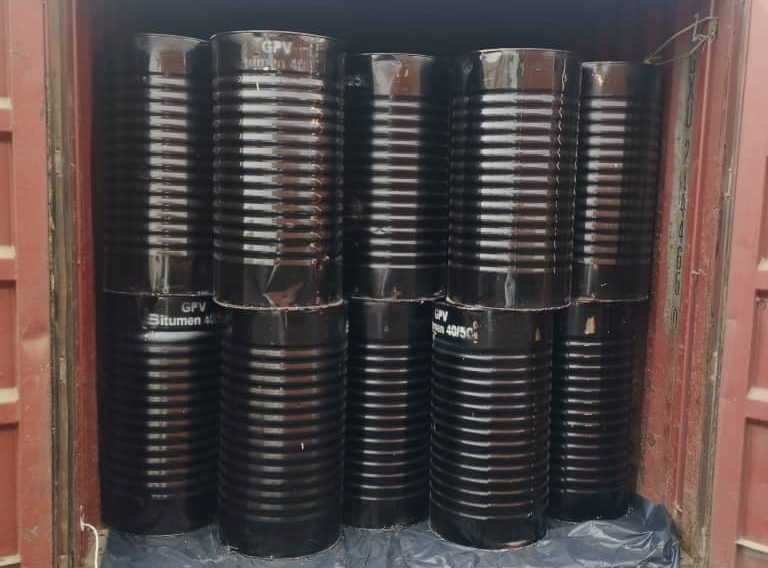
Which criteria define the best bitumen suppliers in 2026?
Choosing a partner goes beyond price. Professionals evaluate supply chain reliability, on‑site testing support, and a demonstrable commitment to sustainability. Robust quality control procedures, including laboratory‑verified bitumen grade selection, are essential. Suppliers that publish transparent bitumen testing standards and offer tailored modification techniques earn higher trust scores.
PROS
- Consistent compliance with international standards.
- Advanced recycling integration capabilities.
- Proactive carbon‑reduction initiatives.
CONS
- Higher upfront logistics coordination.
- Limited availability in remote regions.
How will bitumen standards compliance evolve to support sustainability goals?
Future revisions of specifications will embed lifecycle‑assessment metrics, mandating lower emissions per ton of binder. Performance‑based clauses will reward the use of modified binders that demonstrate superior fatigue resistance and reduced rutting. As regulatory frameworks tighten, the industry will witness a convergence of quality assurance, environmental stewardship, and economic viability, positioning firms like Gulf Petro Vision as trusted leaders offering tailored, sustainable bitumen solutions.
Understanding why bitumen quality is important is paramount for infrastructure professionals seeking long-lasting, reliable roads. From rigorous testing standards to innovative modification techniques, ensuring optimal bitumen performance is a continuous process. Gulf Petro Vision remains committed to providing high-quality bitumen solutions and expert guidance. Contact us today to discuss your project needs and explore how we can help you build a more durable future.