The 80/100 grade is more pliable and better resists cracking in Musanze’s cooler highland temperatures.
Bitumen Price Rwanda: Your 2026 Guide
Bitumen price Rwanda is a critical factor for infrastructure development and road maintenance projects. Understanding current costs, supply dynamics, and future projections is essential for effective budgeting. This guide provides a detailed overview of the Rwandan bitumen market, covering pricing trends, key suppliers, and factors influencing costs, helping you make informed procurement decisions. Gulf Petro Vision is here to help.
Understanding why the bitumen price Rwanda landscape is shifting is essential for any 2026 road‑construction budget. Below we break down the key drivers, the cost components that shape the final invoice, and the broader market signals that influence both bitumen and asphalt rates across Kigali and the nation.

What is driving the bitumen price Rwanda market today?
Four forces dominate the pricing equation: global crude oil benchmarks, the Rwandan franc‑to‑USD exchange rate, freight and handling expenses, and the scale of local infrastructure demand. When Brent crude climbs, the cost of the base oil that underpins all bitumen grades rises, directly inflating Rwanda’s import bills. Simultaneously, a weakening franc amplifies the dollar‑denominated freight and duty charges, squeezing project margins.
How do global crude oil trends affect Rwanda’s bitumen costs?
Bitumen is a refined product of crude; therefore, any swing in world oil prices is mirrored in the “bitumen supply Rwanda” market. In the last five years, price curves have shown a steep ascent during 2021‑2022, a corrective dip in 2023, and a moderate recovery in 2024, setting the baseline for current negotiations.

Why do exchange‑rate movements matter for Kigali projects?
Most contracts are settled in US dollars while local expenditures – labor, land, and taxes – are in Rwandan francs. A 5 % depreciation of the franc can add roughly the same percentage to the landed cost of a bitumen shipment, prompting developers to hedge or source locally when possible.
What role do import duties and transport play in the final cost?
Import duties, levied as a percentage of CIF value, combine with freight (sea‑to‑port, inland trucking), marine insurance, and terminal handling charges. Together, these elements often represent half of the landed price. Seasonal peaks, such as the rainy period, can raise trucking rates due to limited road capacity, while port congestion in neighboring Tanzania may add further delays and cost.
“In Rwanda, the interplay between oil markets and currency shifts drives more than 60 % of the final bitumen cost.”
Historical data shows that price volatility in the “bitumen price fluctuations Rwanda 2026” segment aligns closely with the timing of major government road programmes. When large projects launch, demand spikes, prompting importers to negotiate bulk contracts that can stabilize rates for a few months.
The current cost of asphalt in Rwanda follows the same trajectory, as asphalt mixes rely on the underlying bitumen binder. When bitumen grades such as 60 or 80/100 become pricier, asphalt producers adjust their mix formulas, passing a proportionate increase to the end‑user.
For a deeper dive into supplier strategies and procurement tips, see the comprehensive Rwanda bitumen supplier guide and explore how savvy sourcing can mitigate the impact of these market forces.
Which bitumen grades dominate Rwanda road projects?
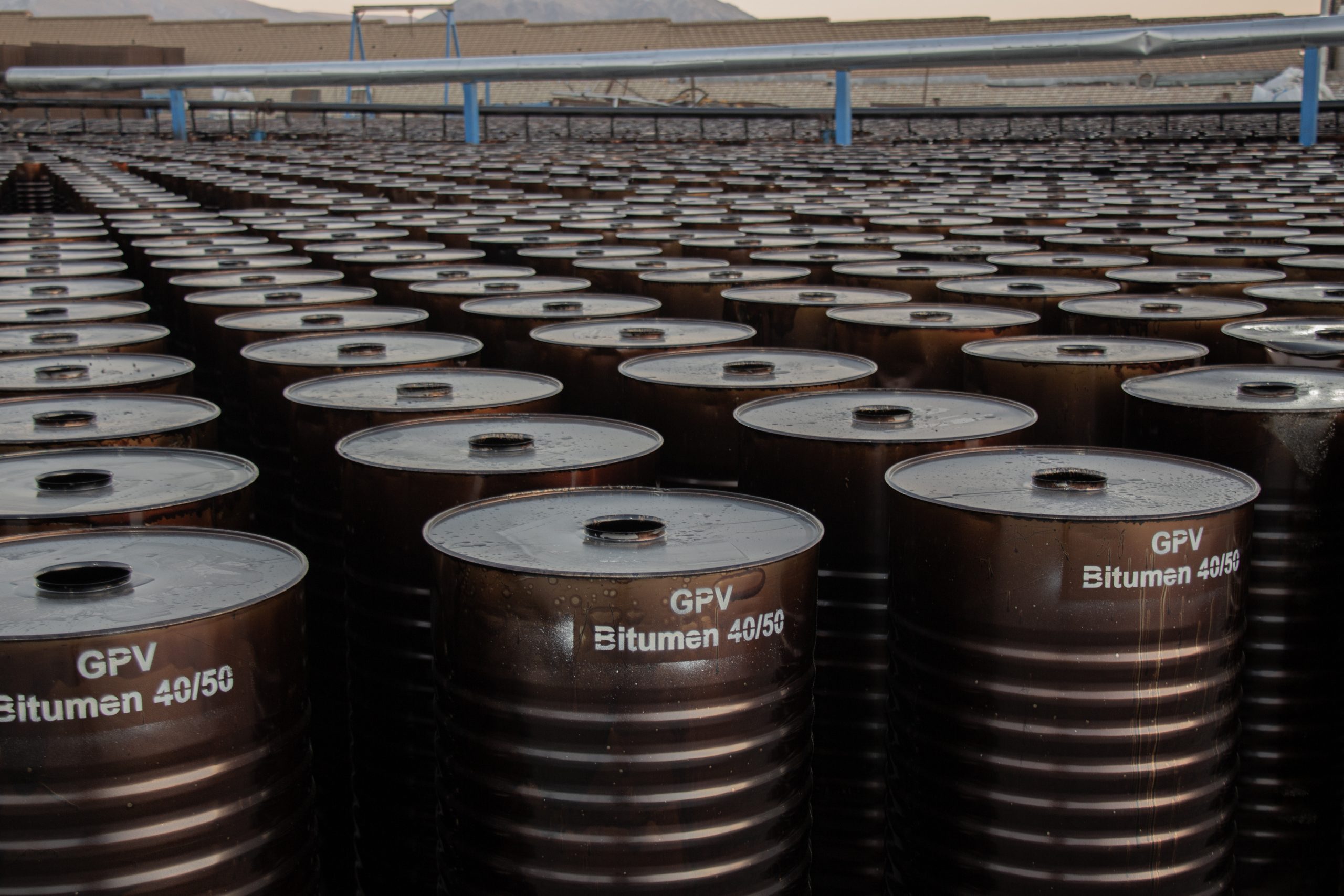
In the national road‑building program, the 60/70 penetration grade and the 80/100 penetration grade are the workhorses. The 60/70‑grade, with a medium hardness, is favoured for primary highways where traffic loads are high, while the softer 80/100‑grade fits secondary roads and urban resurfacing where flexibility is valued.
What are the typical applications and climate suitability of the 60/70 and 80/100 grades?
The 60/70 grade performs well under Rwanda’s wet‑and‑dry seasonal swings, offering resistance to rutting on steep gradients.
Choosing the right grade can cut maintenance costs by up to 15% over a project’s life‑cycle.
How does the bitumen price Rwanda vary by grade and order size?
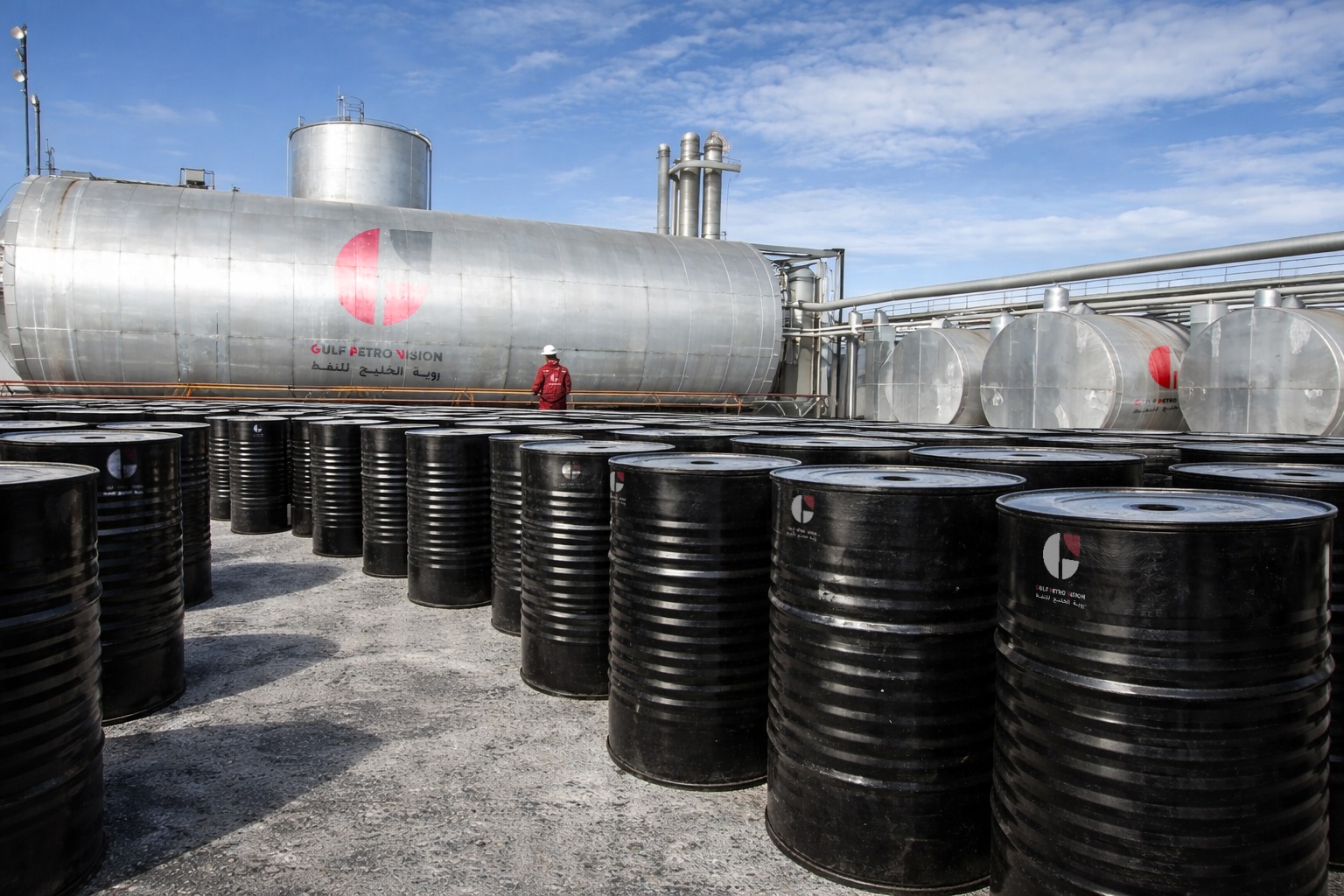
Market surveys show that the 60/70‑grade normally commands a modest premium over the 80/100‑grade because of its broader use in heavy‑load applications. Suppliers often set minimum orders at 15 tonnes for the 60/70 grade and 10 tonnes for the 80/100 grade, with lead times of 2‑4 weeks from Kigali ports. Bulk purchases above 50 tonnes can unlock tiered discounts, while smaller contracts may encounter higher logistics surcharges.
Are polymer‑modified bitumen options widely available, and what cost impact do they have?
Polymer‑modified (PMB) blends are entering the market to meet the demand for high‑performance pavements on bridges and airport runways. While PMB offers superior elasticity, its price is typically 20‑30 % above conventional grades, reflecting the added processing steps and limited local stock. Importers such as regional bitumen distributors list PMB alongside the standard grades, though lead times can stretch to six weeks.
Chart illustrates relative price movements for the two core grades over the last fiscal year.
Understanding these nuances helps procurement teams align the best sourcing strategies with budget constraints, ensuring that Rwanda’s expanding infrastructure remains both durable and cost‑effective.
Rwanda’s ambitious road‑building agenda for 2026 hinges on a stable supply of high‑grade bitumen. Global economic forecasts point to modest oil‑production growth, but heightened geopolitical tension could tighten crude supplies, prompting volatility in the bitumen price Rwanda market. When import costs rise, project budgets stretch and timelines can slip, especially for large‑scale corridors like the North‑South Highway.

What global factors could trigger bitumen price fluctuations Rwanda faces in 2026?
Key drivers include:
- OPEC+ output adjustments that affect feedstock for bitumen processing.
- Shifts in refinery margins as crude spreads widen.
- Currency swings—particularly the Rwandan franc against the US dollar.
These variables feed directly into the cost structure for comprehensive bitumen supplier guide, underscoring the need for proactive risk management.
How might price volatility impact ongoing and planned road construction projects?
“Even a 5 % swing in bitumen cost can add millions to a motorway budget, forcing redesigns or schedule delays.”
Projects reliant on fixed‑price contracts may see profit margins erode, while those with flexible procurement can absorb shocks more readily. The most vulnerable are rural feeder roads where funding is already tight; inflated material costs could postpone completion or reduce pavement thickness, compromising longevity.
Can long‑term contracts, hedging, or alternative materials mitigate the risk?
PROS
- Long‑term supply contracts lock in supply volumes and often include price‑review mechanisms.
- Financial hedging instruments can smooth out short‑term price spikes.
- Recycled Asphalt Pavement (RAP) reduces demand for virgin bitumen, cutting exposure.
CONS
- Contracts may carry premium clauses if market prices fall.
- Hedging requires financial expertise and may involve upfront costs.
- RAP integration demands quality‑control upgrades.
What is the projected demand for bitumen in Rwanda driven by upcoming infrastructure projects?
Projected national demand growth alongside major highway and urban road expansions.
Project managers should embed a contingency line in their budgets—typically 5‑10 % of total material cost—to accommodate price swings. Securing affordable bitumen options through diversified sourcing and encouraging RAP use can preserve project viability while supporting Rwanda’s broader infrastructure goals.
Staying informed about the bitumen price Rwanda is crucial for successful project execution in Rwanda’s growing infrastructure sector. Factors like global oil prices and local demand will continue to shape the market. For reliable bitumen supply and expert market analysis, connect with Gulf Petro Vision today. We provide data-driven insights to optimize your procurement strategy.