Bitumen Grades Rwanda: A Complete Guide
Bitumen grades Rwanda are crucial for the nation’s expanding infrastructure. This guide provides a comprehensive overview of bitumen types, specifications, and quality control measures essential for successful road construction projects. We’ll explore penetration grades, performance grades, and the role of key suppliers, ensuring optimal pavement performance. Gulf Petro Vision L.L.C is a trusted partner in sourcing quality bitumen.

What are the key bitumen grades Rwanda uses for durable road construction?
Rwanda’s road network relies on a defined set of bitumen grades that match local climate and traffic loads. The most common penetration grades are 80/100 and 60/70, which indicate the depth (in tenths of a millimeter) a standard needle penetrates the binder under specified conditions. For high‑traffic arterial roads, the performance‑grade (PG) system—such as PG 64‑22 or PG 76‑22—is preferred because it integrates temperature susceptibility and loading criteria, ensuring consistent performance from the rainy season to the dry highlands.
How does the Rwanda Road Authority (RRA) enforce Rwanda bitumen specifications?
The RRA mandates testing of viscosity (Brookfield or rotational viscometer at 60 °C), softening point (Ring‑and‑Ball), and ductility (minimum 100 cm at 25 °C). These methods are codified in the RRA Technical Specification No. 03‑2025. Results must fall within prescribed limits; for example, a 60/70 penetration grade must exhibit a viscosity between 200–400 cP at 60 °C and a softening point above 45 °C. Compliance is verified through third‑party laboratories accredited by the Rwanda Standards Board.
Viscosity ranges illustrate why PG grades are selected for high‑load corridors.
Why must asphalt binder grades align with Rwanda’s climate conditions?
The country experiences a bimodal rainfall pattern with temperatures ranging from 16 °C in the north to 28 °C in the south. Asphalt binder grades with a higher low‑temperature grade (the first number in the PG notation) resist thermal cracking during cooler nights, while the high‑temperature grade (the second number) prevents rutting under tropical heat. Selecting the appropriate grade therefore directly influences pavement life and maintenance cycles.

What is the impact of strict bitumen quality control Rwanda on road performance?
Robust quality control—continuous monitoring of penetration, viscosity, and ductility—reduces premature failures such as cracking, bleeding, and surface deformation. Projects that follow the RRA’s specifications report service lives extending beyond 15 years, compared with substandard mixes that may require resurfacing within five years.
For a comprehensive overview of national suppliers and the latest technical guidelines, explore the 2026 guide to bitumen suppliers in Rwanda. This resource links the discussed grades to certified distributors, ensuring that engineers source the correct binder for each project.
Viscosity governs how a bitumen binder behaves from the mixing drum to the final pavement. In Rwanda’s varied climate—from the cool highlands of Kigali to the hotter lowlands of the eastern province—understanding bitumen grades Rwanda is essential for engineers who must balance workability, compaction efficiency, and long‑term durability.
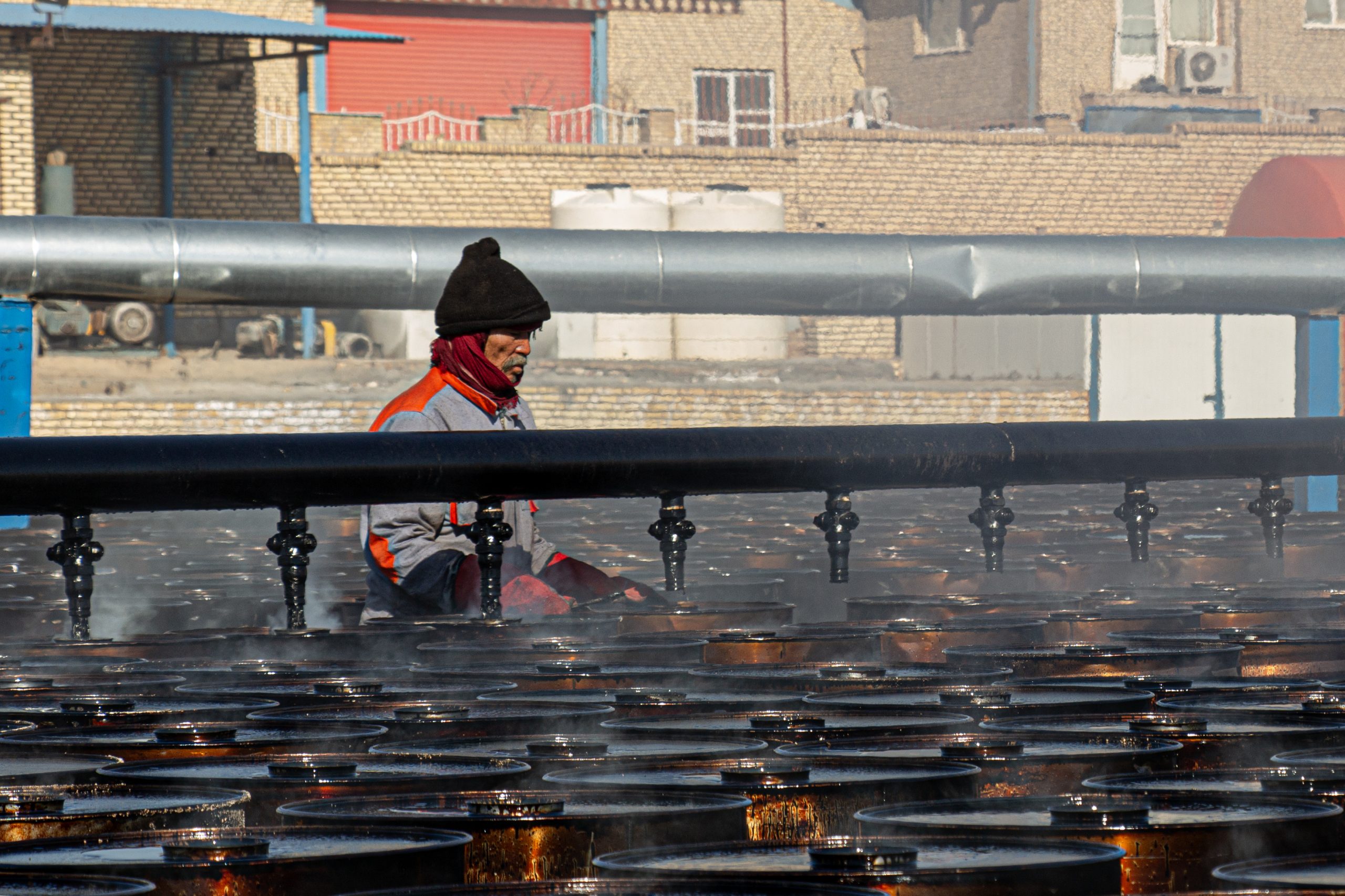
How do bitumen grades Rwanda relate to road performance?
Low‑viscosity binders flow easily, enabling thorough coating of aggregates and achieving the target voids‑in‑mix during compaction. However, they may soften excessively under high temperatures, leading to rutting. High‑viscosity binders resist deformation but can be harder to work with in cooler conditions, risking inadequate compaction and surface cracking. Selecting the correct grade aligns the binder’s temperature‑sensitivity with the expected service environment.
What role do performance grades (PG) play in Rwanda’s temperature spectrum?
The PG system expresses a binder’s suitability over a minimum and maximum service temperature range (e.g., PG 64‑22). Rwanda’s standards, aligned with find reliable bitumen suppliers in Rwanda, typically require PG 58‑22 for secondary roads and PG 70‑28 for major arteries. Matching the PG to regional climate data ensures the pavement can resist both low‑temperature cracking and high‑temperature rutting.
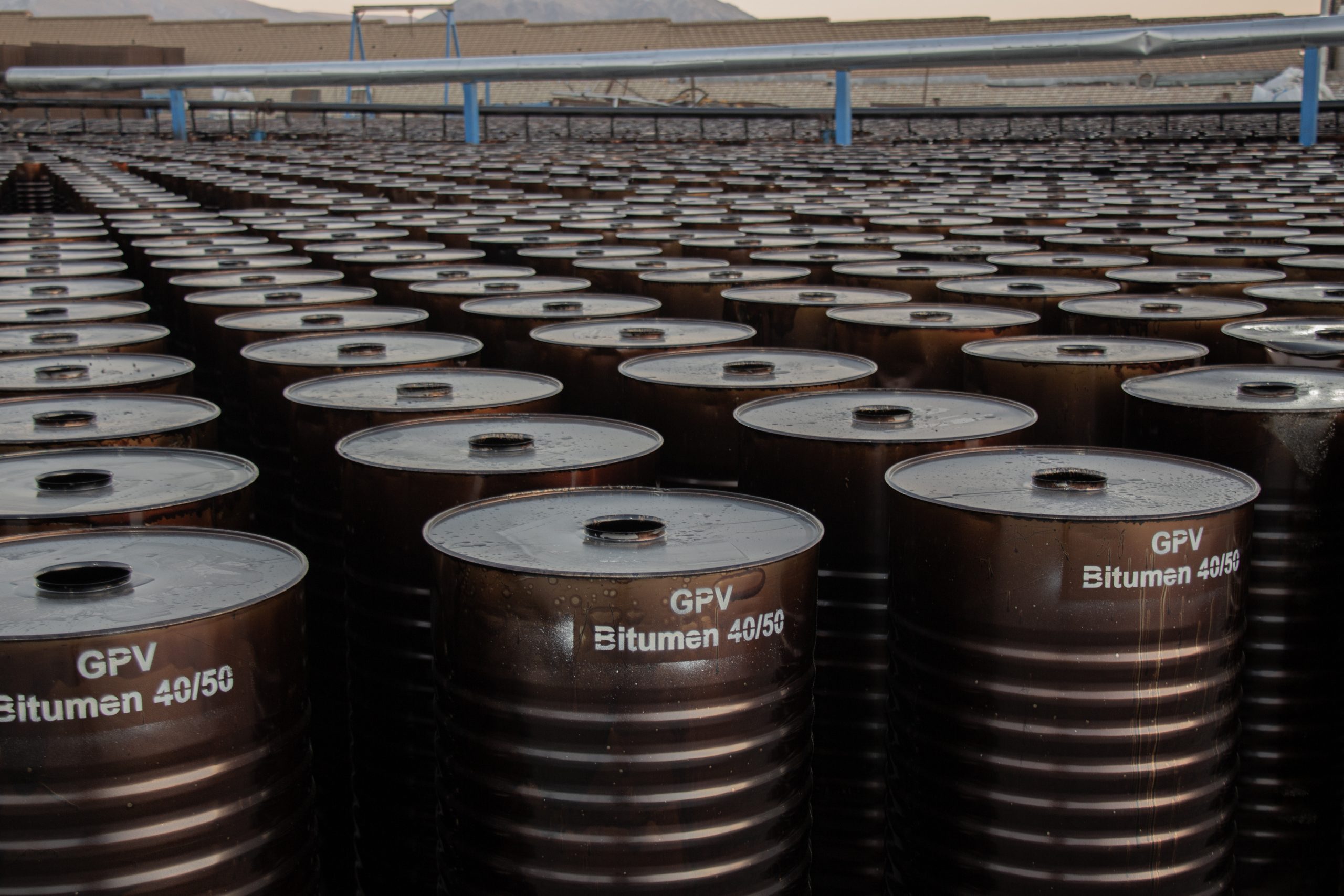
Why are bitumen grade 60 and grade 80 selected for specific applications?
Grade 60 (viscosity 60 cSt at 60 °C) is favoured for urban roads where traffic loading is moderate and ambient temperatures are lower. Its lower stiffness facilitates easier rolling and better surface finish. Grade 80 (viscosity 80 cSt at 60 °C) is preferred for heavy‑load highways and industrial zones, offering superior resistance to permanent deformation under repeated axle loads.
Higher viscosity improves rut resistance but may reduce workability.
Rigorous bitumen testing Rwanda—including penetration, softening point, and Dynamic Shear Rheometer (DSR) measurements—confirms that the selected grade meets the Rwanda bitumen specifications. As the nation expands its network toward 2026, the trend is a gradual shift toward higher-performance grades (PG 70‑28 and above) for principal corridors, while secondary routes will continue to rely on the proven balance of grade 60 binders.
The reliability of Rwanda’s road network hinges on a disciplined supply chain that delivers bitumen meeting strict Rwanda road authority standards. Selecting reputable bitumen suppliers who conform to international specifications safeguards pavement performance, minimizes premature cracking, and controls life‑cycle costs.
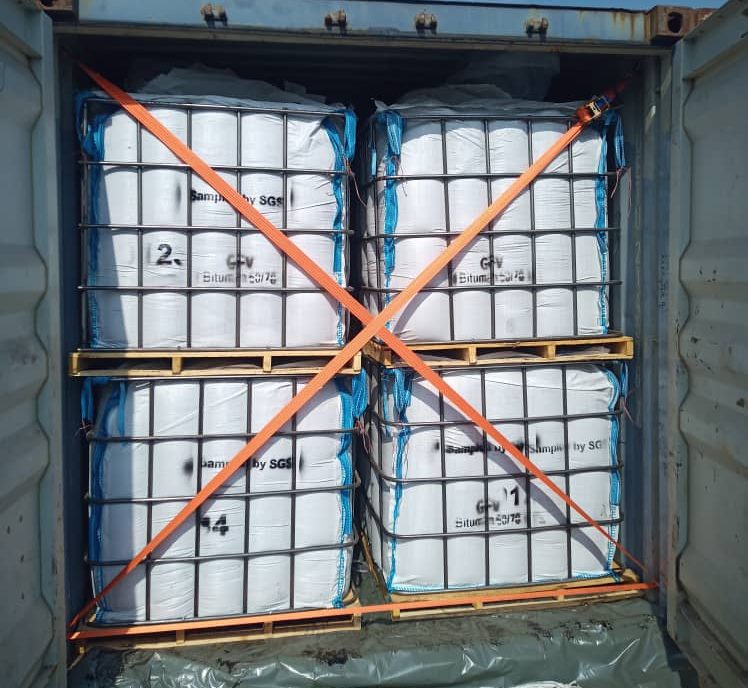
What are the key bitumen grades Rwanda uses for road construction?
Local specifications distinguish between penetration grades 60 and 80, viscosity grades 10 and 20, and performance‑based grades such as 60/70. The most common bitumen grades Rwanda include grade 60 for surface layers and grade 80 for binder courses, each calibrated to the region’s temperature fluctuations and traffic loads. Aligning supplier output with these grades ensures compatibility with the Rwanda bitumen specifications for asphalt binder grades.
Which bitumen suppliers serve Rwanda in 2026 and how do they guarantee quality?
Major regional producers—namely Gulf Petro Vision L.L.C, East African Refineries, and South‑West Asian Blenders—operate bulk terminals at Kigali and near the border. They provide continuous‑flow and batch‑produced bitumen, documented through certified test reports. Independent laboratories such as Rwanda Bitumen Testing Centre verify viscosity, penetration, and softening point before shipment.
Chart: Projected supply capacity of key bitumen suppliers Rwanda 2026.
How can storage, handling, and transport prevent bitumen degradation?
Bitumen must be stored in heated, insulated silos with temperature control between 150 °C and 180 °C. During transport, insulated tankers equipped with agitators avoid settlement and oxidation. Quick loading/unloading cycles, combined with sealed couplings, stop moisture ingress that would otherwise raise the penetration index.
What documentation and traceability practices are essential?
Each consignment requires a Certificate of Analysis, batch number, and a chain‑of‑custody log. Digital tracking platforms enable real‑time verification of grade 60 or 80 compliance, supporting audit trails for the Rwanda road authority.

Which bitumen offers the best balance of cost‑effectiveness and durability for paving?
Grade 60 (RAP‑compatible) delivers optimal stiffness for high‑traffic corridors while remaining affordable. Grade 80 provides enhanced flexibility for mountainous routes, extending service life under thermal stress.
For detailed guidance on supplier selection, see the comprehensive Rwanda bitumen supplier guide, which outlines how Gulf Petro Vision L.L.C can streamline sourcing and assure compliance with all relevant bitumen quality control Rwanda protocols.
Selecting the appropriate bitumen grades Rwanda is paramount for durable and cost-effective road infrastructure. Understanding specifications, performance characteristics, and quality control procedures, as outlined in Rwanda Road Authority standards, is vital. Gulf Petro Vision L.L.C remains committed to providing reliable bitumen solutions. Contact us today for your 2026 project needs.