What is Bitumen 60/70?
Bitumen 60/70 is one of the most commonly used grades of bitumen worldwide, particularly in road construction and industrial applications. If you are in the construction, civil engineering, or petroleum industry, understanding this bitumen grade is essential. This guide will cover everything about Bitumen 60/70, from its definition, properties, production process, uses, advantages, storage, pricing, and market trends.
Table of Contents
- Introduction to Bitumen
- What is Bitumen 60/70?
- Physical and Chemical Properties of Bitumen 60/70
- Production Process of Bitumen 60/70
- Applications of Bitumen 60/70
- Advantages of Using Bitumen 60/70
- Bitumen 60/70 Storage and Handling
- Bitumen 60/70 Price Trends and Market Outlook
- Environmental Impact and Sustainability Considerations
- Frequently Asked Questions (FAQs)
- Conclusion

1. Introduction to Bitumen
Bitumen, also known as asphalt, is a viscous, black, and sticky substance derived from crude oil. It is widely used in road construction, waterproofing, and roofing applications due to its adhesive and waterproofing properties.
- Chemical composition: Mainly hydrocarbons and trace elements
- Forms: Solid, semi-solid, or liquid depending on temperature
- Primary use: Asphalt pavements, industrial coatings, roofing, and waterproofing
Bitumen is categorized into different grades based on penetration and viscosity, which define its hardness and suitability for various climates and applications. One of the most popular grades in the global market is Bitumen 6070.

2. What is Bitumen 60/70?
Bitumen 60/70 is a penetration grade bitumen, meaning its consistency is measured by the depth a standard needle penetrates the bitumen under specified conditions. The numbers 60/70 refer to its penetration range in tenths of a millimeter (mm).
- Penetration value: 60 to 70 mm
- Softening point: Typically 45°C–55°C
- Application: Road surfacing, asphalt mixtures, and industrial uses
Key Features of Bitumen 60/70
- Moderate hardness: Not too soft or too hard
- Versatility: Suitable for tropical and temperate climates
- Widely available: Standard grade for many countries
- Cost-effective: Balances performance and affordability
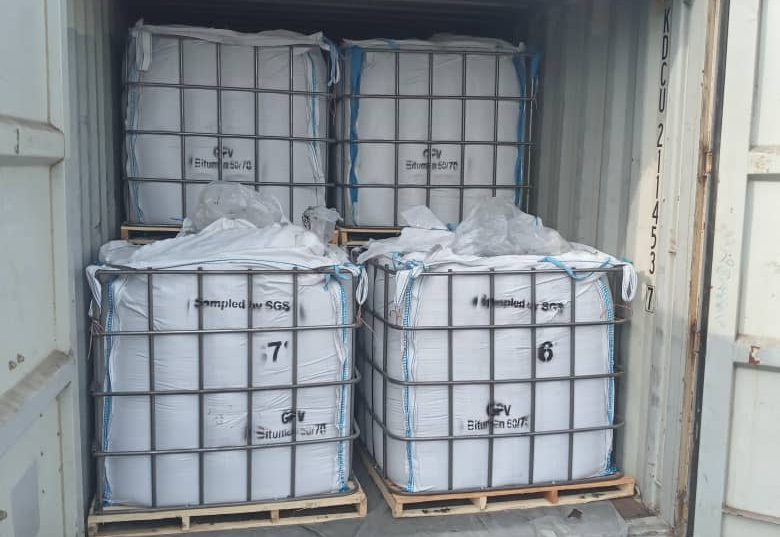
Bitumen 60/70 is ideal for highway construction, urban roads, and industrial paving, where durability and flexibility are critical.
3. Physical and Chemical Properties of Bitumen 60/70
Understanding the physical and chemical properties is crucial for engineers, contractors, and procurement teams.
| Property | Typical Value |
|---|---|
| Penetration (25°C, 100g, 5s) | 60–70 dmm |
| Softening Point (°C) | 45–55 |
| Flash Point (°C) | 230+ |
| Ductility (cm) | ≥100 |
| Solubility in Toluene (%) | >99 |
| Viscosity (150°C, cP) | 200–400 |
Explanation:
- Penetration: Measures hardness; higher value = softer bitumen
- Softening point: Temperature at which bitumen starts to soften
- Ductility: Ability to stretch without breaking; important for cracks and temperature variations
- Viscosity: Resistance to flow; affects pumping and mixing

4. Production Process of Bitumen 60/70
Bitumen 60-70 is produced from refined crude oil using specialized processes. The main methods include:
a) Refining Process
- Crude oil is distilled to separate light and heavy fractions
- Heavy residues are processed to remove impurities
- The final product is bitumen 6070
b) Blowing Process (Air Blown Bitumen)
- Air is passed through the hot bitumen to increase hardness and consistency
- Creates higher softening point bitumen, suitable for specific climates
c) Quality Control
- Each batch is tested for penetration, ductility, softening point, and viscosity
- Ensures compliance with ASTM D3381, EN 12591, and IS 73 standards

5. Applications of Bitumen 60/70
Bitumen 6070 has multiple industrial and construction applications:
a) Road Construction
- Asphalt pavements
- Highways and expressways
- Urban roads
b) Industrial Applications
- Roofing felt
- Waterproofing membranes
- Adhesives and sealants
c) Specialized Uses
- Airport runways
- Parking lots
- Cold-mix asphalt in temperate climates
Why it is preferred: Durability, moderate hardness, and adaptability to temperature changes.
6. Advantages of Using Bitumen 60/70
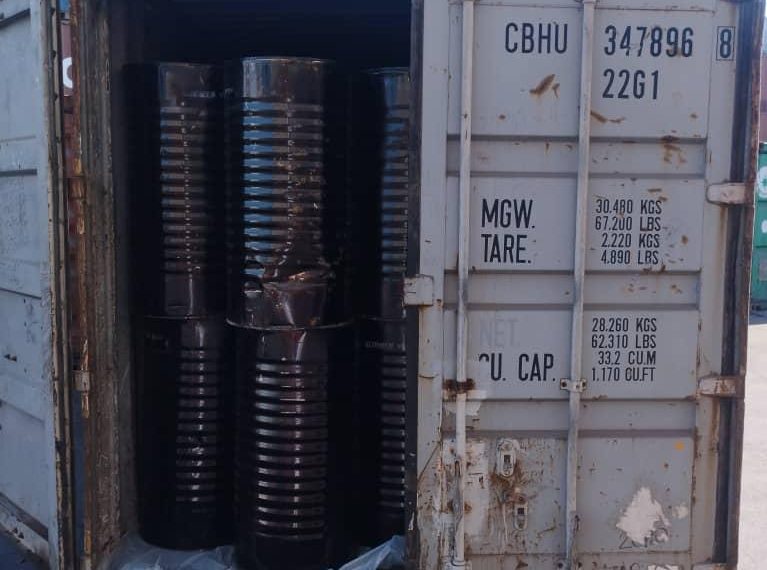
- Durability: Resistant to wear and tear under traffic
- Flexibility: Minimizes cracking under thermal expansion and contraction
- Cost-effective: Affordable compared to polymer-modified bitumen
- Easy to handle and store: Suitable for bulk storage and transport
- Versatility: Can be used in tropical and temperate regions
7. Bitumen 60/70 Storage and Handling
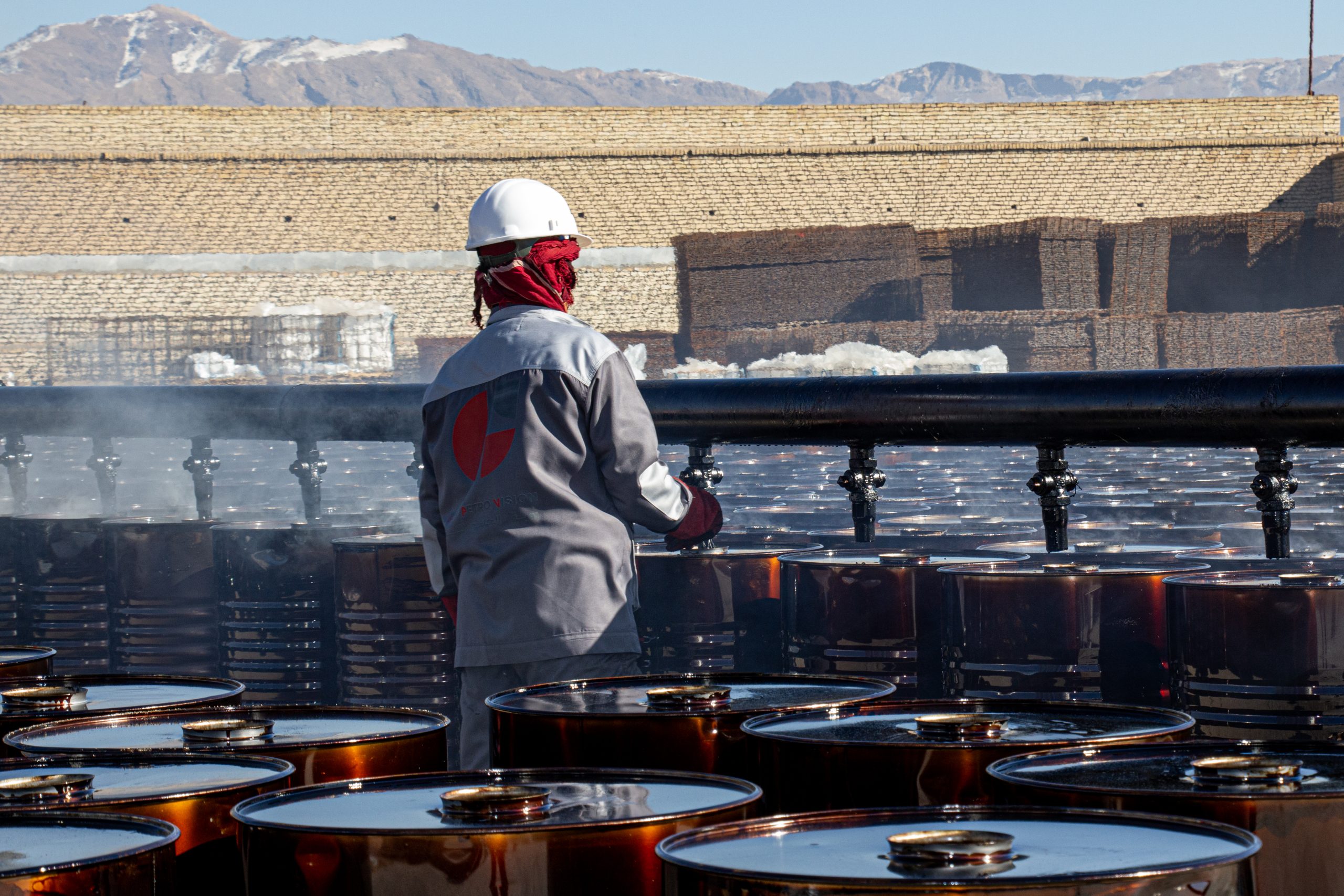
Proper storage ensures quality preservation and safety:
- Storage temperature: 150–180°C (for liquid handling)
- Storage tanks: Steel tanks with insulation
- Handling: Heated pipelines and pumps
- Safety: Avoid open flames; use protective clothing
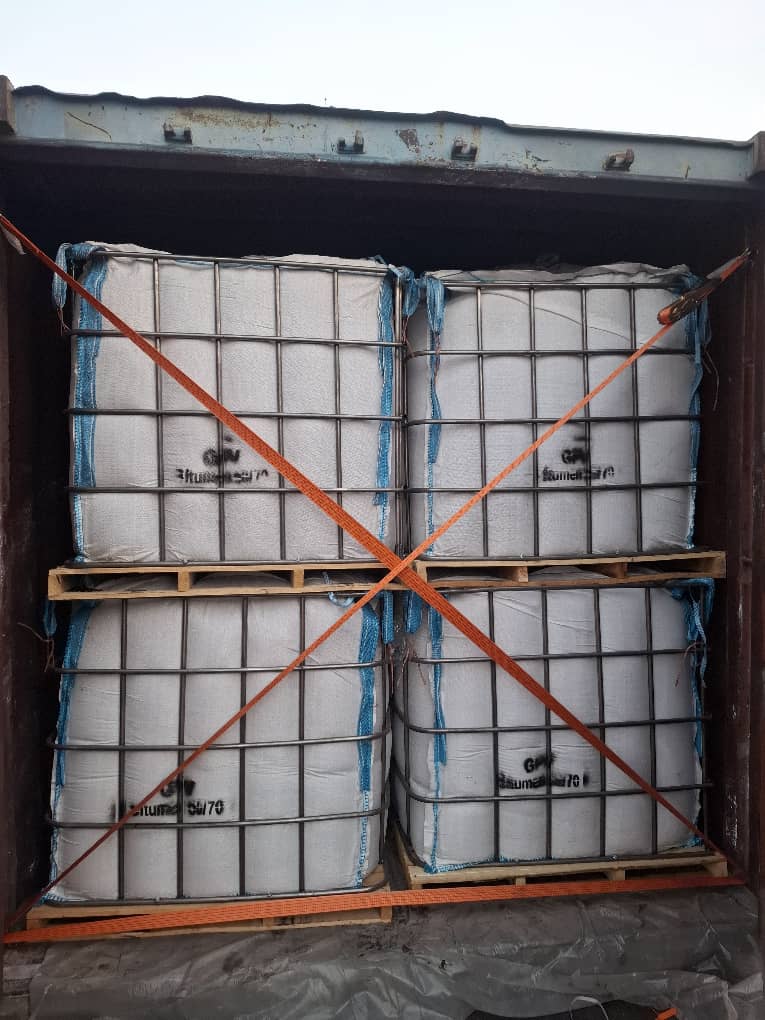
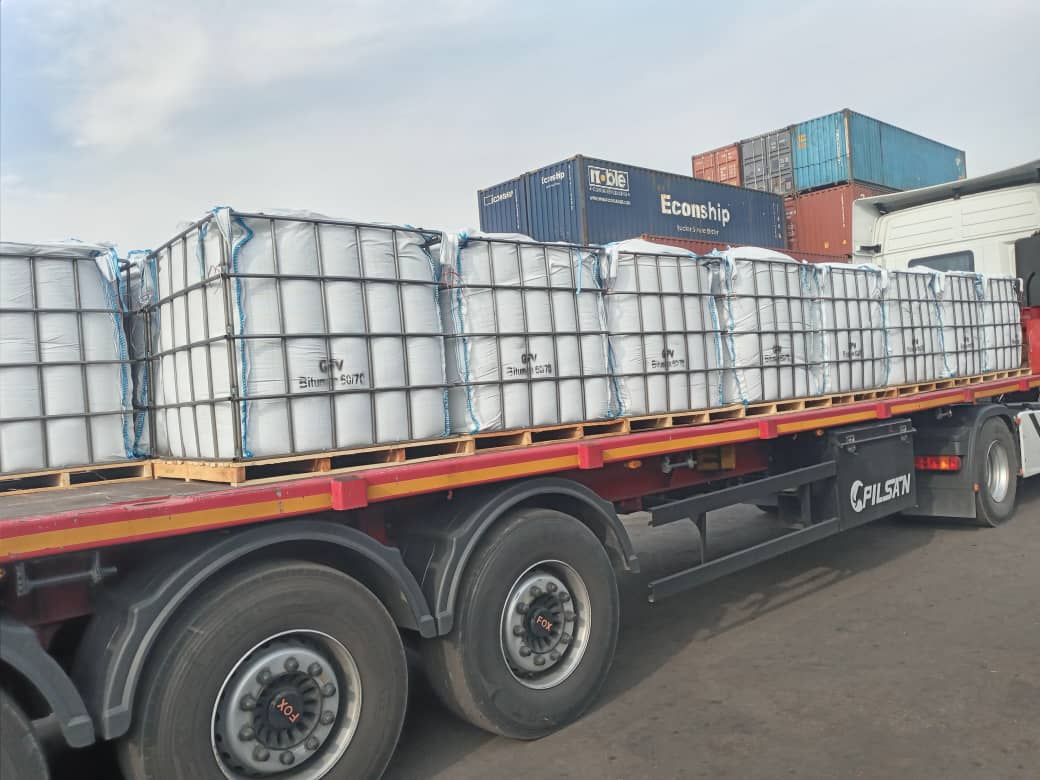
Bulk transportation is usually FOB or CFR shipping, depending on the buyer’s location.
8. Bitumen 60/70 Price Trends and Market Outlook
Bitumen 60-70 prices fluctuate based on:
- Crude oil prices (WTI, Brent)
- Regional demand and supply
- Seasonal construction trends
- Transportation and refinery capacity
Market insight 2026:
- Southeast Asia: Stable demand
- Europe: Supply slightly outweighs demand
- Middle East: FOB Bandar Abbas and UAE remain competitive
Investors and contractors should monitor crude oil futures, refinery outputs, and government infrastructure projects for accurate pricing.
9. Environmental Impact and Sustainability Considerations
Bitumen production and use have environmental concerns:
- CO2 emissions during refining
- Heat requirement for asphalt mixing
- Recycling of old asphalt is growing to reduce environmental impact
Sustainable practices include:
- Warm-mix asphalt to reduce heating
- Recycled asphalt pavement (RAP)
- Bio-bitumen additives from renewable sources
These practices reduce carbon footprint while maintaining performance.
10. Frequently Asked Questions (FAQs)
Q1: What does 60/70 mean in bitumen?
A1: It indicates the penetration range of the bitumen in tenths of a millimeter.
Q2: Can Bitumen 60/70 be used in cold climates?
A2: Yes, but it may require modification for extremely low temperatures.
Q3: How long does Bitumen 60/70 last on roads?
A3: Typically 10–15 years, depending on traffic, weather, and maintenance.
Q4: Is Bitumen 60/70 different from polymer-modified bitumen (PMB)?
A4: Yes, PMB has added polymers for extra strength and flexibility.
Q5: Where can I buy Bitumen 60/70?
A5: From refineries, authorized distributors, or global suppliers like Iran, UAE, India, or Europe.

11. Conclusion
Bitumen 6070 is a reliable and versatile penetration grade bitumen used widely in road construction and industrial applications. Its moderate hardness, durability, and adaptability make it a preferred choice for engineers and contractors.
Understanding its properties, applications, and market trends helps stakeholders make informed purchasing and construction decisions. With sustainable practices and proper handling, Bitumen 6070 can continue to be a cornerstone in modern infrastructure development.
For businesses seeking a reliable source of high-quality Bitumen 6070, Gulf Petro Vision stands out as a well-known and trusted supplier. With a strong track record in the petroleum and bitumen industry, Gulf Petro Vision ships bitumen globally, ensuring timely delivery, competitive pricing, and compliance with international standards. Whether for road construction, industrial applications, or large-scale infrastructure projects, Gulf Petro Vision provides tailored solutions to meet diverse client needs, making it a preferred partner for contractors, distributors, and government projects worldwide.