Bitumen Flexitank Cost: A 2026 Pricing Guide
Bitumen Flexitank Cost is a critical consideration for road construction, infrastructure projects, and bitumen traders. Efficient and cost-effective bitumen transportation is paramount, and flexitanks offer a compelling alternative to traditional methods. This guide, brought to you by Gulf Petro Vision, provides a comprehensive analysis of flexitank costs, factors influencing pricing, and strategies for optimization in 2026.
Understanding the forces that shape the Bitumen Flexitank Cost in 2026 is essential for logistics managers seeking to trim expenses without compromising safety. Below, we dissect the primary cost drivers and illustrate how they translate into a per‑liter price, offering actionable insights for procurement teams.

What drives Bitumen Flexitank Cost in 2026?
The cost per liter is a composite of raw material prices, transportation dynamics, tank specifications, and external market shocks. A typical cost breakdown might look like:
Key contributors to the overall Bitumen Flexitank pricing.
How do crude oil price fluctuations affect flexitank pricing?
Bitumen is a direct derivative of crude oil; when Brent or WTI spikes, the base product cost rises, pushing the flexitank price upward by roughly 0.5‑1 % per 5 % crude movement.
Does geography dictate the final price per liter?
Distance between the sourcing refinery and the destination port adds freight, handling, and possible border surcharges. For example, shipping from the Middle East to East Africa can raise the cost per liter by 12 % compared with a regional intra‑EU route.
Can material quality and certifications shift the cost?
High‑grade polyethylene and UN‑type D certifications add 8‑12 % to the base price but reduce risk of leaks and comply with hazardous‑material regulations, a trade‑off many contractors accept.
What role does tank size and capacity play?
Larger flexitanks (30 m³ vs. 20 m³) benefit from economies of scale, lowering the cost per liter by up to 6 %. However, oversized tanks may incur special permits and handling fees.
How do global supply chain disruptions and geopolitical events alter costs?
Port congestion, piracy alerts, or sanctions can trigger surcharge spikes of 5‑15 % on freight rates. In 2026, the Red Sea blockage added an average of $0.02 per liter to the overall cost.
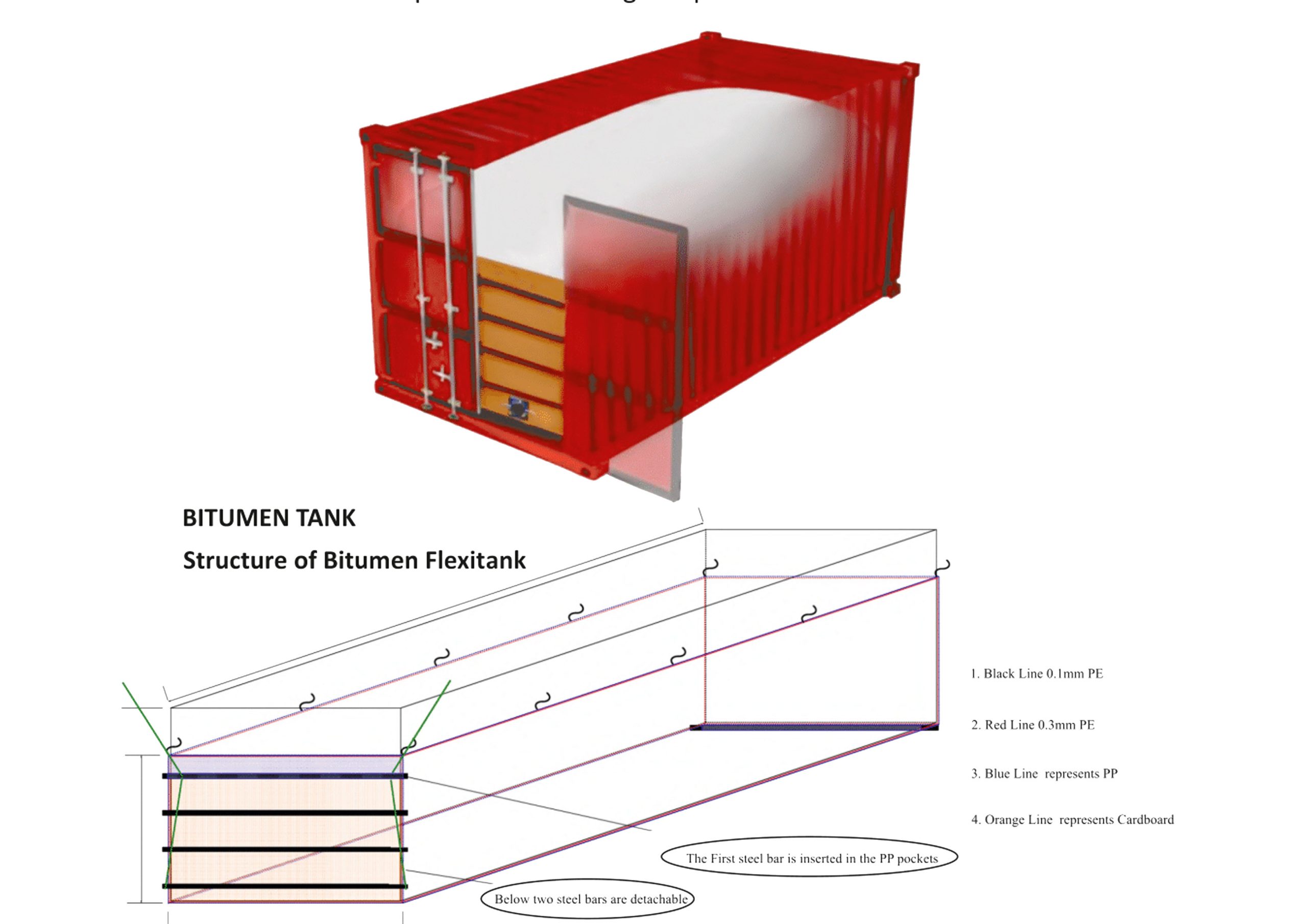
Specialized features such as heated circulation systems raise the rental or purchase price by 10‑18 %, yet they enable transport of high‑viscosity grades (e.g., 70/100 penetration) that otherwise demand insulated drums.
For a holistic view, consult our effective bulk bitumen shipping strategies guide, which aligns flexitank cost for bitumen 2026 with broader logistics optimization tactics.
How do the upfront expenses of flexitanks compare with steel drums for bitumen?
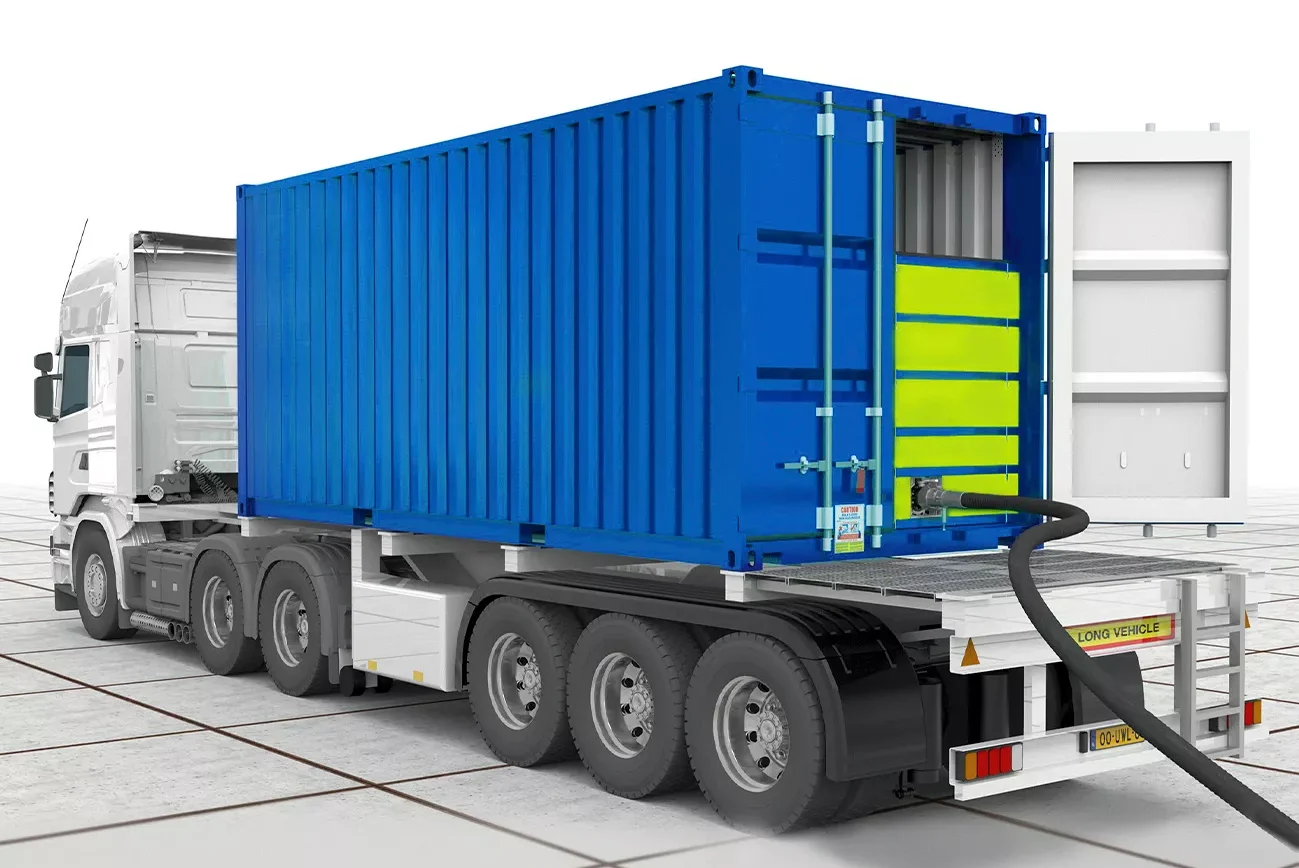
Flexitank rental rates are expressed per cubic meter, while drum purchases are calculated per unit. For a typical 20‑m³ shipment, the flexitank option spreads the cost across the container’s full volume, eliminating the need for 1,000 + individual drums. Drums, however, require a capital outlay for each 200‑liter container and generate a higher per‑liter price when volumes are modest.
What is the Bitumen Flexitank Cost advantage over drums?
When you factor in loading time, a single flexitank can be filled and sealed in under an hour. Drums demand repetitive sealing, labeling, and palletizing, which adds labor and handling fees. The efficient bulk bitumen shipping guide notes that handling savings can reduce total logistics spend by up to 15 % for large batches.
| One‑time rental per m³ | Purchase per 200 L drum |
| Single fill/empty cycle | Multiple fill/empty cycles |
| Lower loading labor | Higher palletizing cost |
| Reduced waste disposal | End‑of‑life drum recycling |
When does transportation distance make flexitanks more economical?
Because a flexitank occupies the same footprint as a standard ISO container, the freight cost per liter drops sharply on long hauls. Weight limits are similar—both options max out around 22 t—so the volume advantage drives savings. For routes exceeding 800 km, the per‑kilometer cost of flexitanks can be 30 % lower than drums, especially when the shipment fills the container to capacity.
Are there scenarios where drums remain the preferred choice?
Drums excel for small‑scale deliveries, remote sites lacking container‑handling equipment, or when shipments are under 5 m³. Their modular nature also allows for easier on‑site storage and selective dispensing, which can offset higher per‑liter costs in niche projects such as road construction bitumen transport cost‑sensitive contracts.
What environmental considerations influence the cost decision?
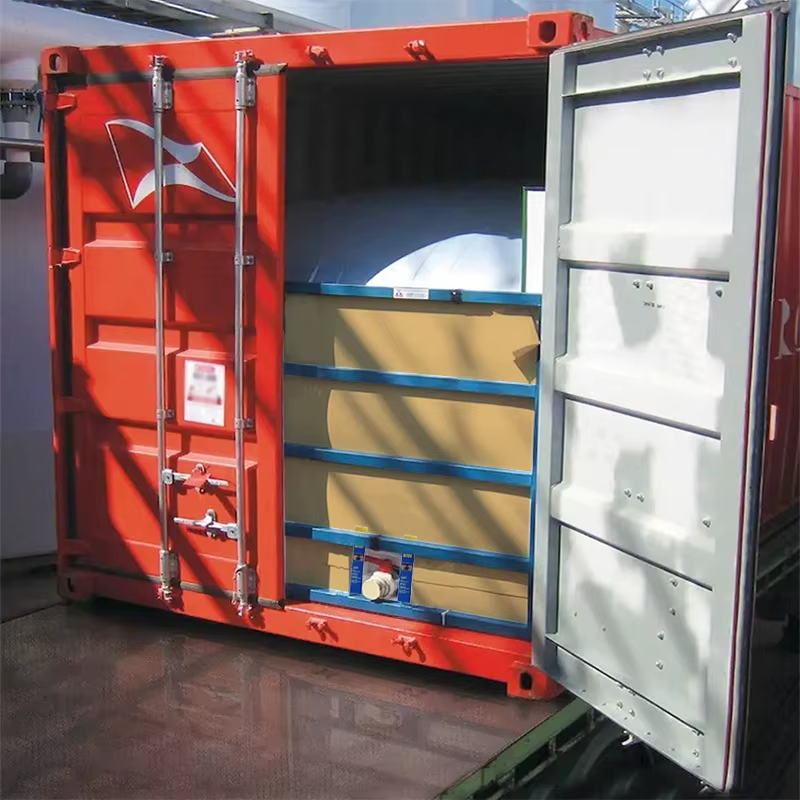
Flexitanks generate minimal solid waste; the bag is recyclable after use, and no drum scrap remains. Drums, while recyclable, entail additional processing energy and disposal fees. The reduction in packaging material translates into lower carbon footprints and potential tax incentives, further improving the overall cost profile for flexitank adoption.
Optimising bulk bitumen shipping hinges on treating the flexitank as a dynamic cost lever rather than a static container. Below are data‑driven tactics that procurement and logistics teams can apply today.
How Can Businesses Reduce Bitumen Flexitank Cost?
Consolidating multiple orders into a single flexitank maximises the payload per trip, driving economies of scale that shrink the cost per liter. A recent logistics insights report shows a 12 % reduction in bitumen transportation costs when load factors exceed 85 %.
What Role Does Supplier Selection Play in Flexitank Pricing?
Choosing the right provider is critical. Conduct a bitumen flexitank suppliers cost comparison that weighs rental fees, cleaning charges, and service reliability. Negotiation tactics such as volume‑based discounts and multi‑year contracts often lock in lower rates than spot rentals.
Chart: Cost advantage of a preferred partner versus a standard supplier.
How Can Efficient Route Planning Cut Transportation Expenses?
Deploy routing software that integrates real‑time traffic, road‑construction alerts, and carrier capacity. By avoiding detours, you can shave up to 8 % off the bulk bitumen shipping costs. Selecting carriers with proven on‑time performance further reduces demurrage and detention fees.
Can a Flexitank Cost Calculator Forecast Savings?
Input variables such as distance, payload, and fuel surcharge into a flexitank cost calculator bitumen. The tool highlights high‑impact levers—often the rental fee versus fuel consumption ratio—allowing you to experiment with load sizes before committing to a shipment.
Why Does Just‑In‑Time Delivery Boost Cost Efficiency?
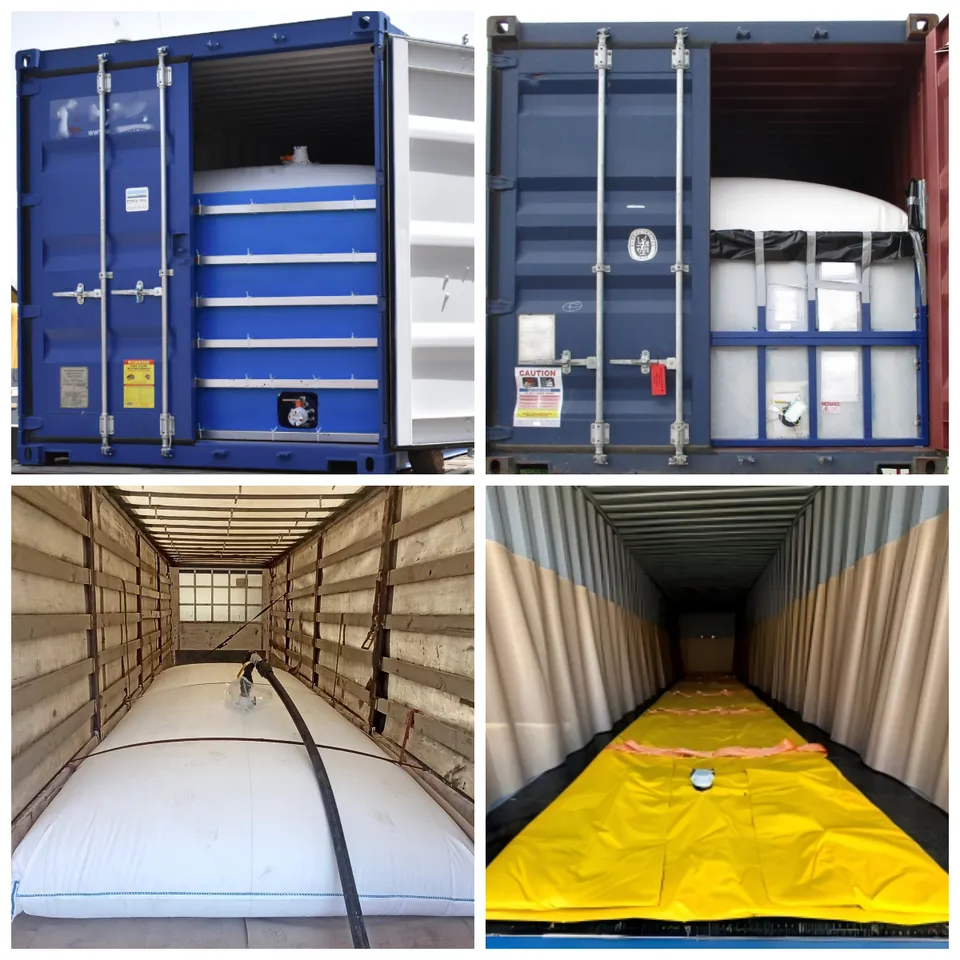
JIT inventory minimizes warehousing overhead and lowers the risk of excess stock. Aligning delivery windows with production cycles ensures the flexitank is turned around quickly, keeping carrier idle time—and associated costs—to a minimum.
What Strategies Prevent Demurrage and Detention Charges?
Pre‑schedule unloading slots, validate site readiness, and use electronic proof‑of‑delivery to streamline clearance. Proactive communication with the carrier can renegotiate wait times before they become billable.
How Does Road Construction Influence Bitumen Logistics Optimization?
Construction zones often force longer routes or lower weight limits, inflating the road construction bitumen transport cost. Incorporating construction forecasts into planning software helps you reroute proactively, preserving cost efficiency.

Can Technology and Data Analytics Unlock Further Savings?
Advanced analytics platforms aggregate shipment data, revealing patterns such as recurring high‑cost lanes or under‑utilised flexitank capacity. Machine‑learning models can then recommend optimal load consolidation schedules, carrier mixes, and even the cheapest way to transport bitumen under varying market conditions.
Understanding the nuances of Bitumen Flexitank Cost is essential for optimizing your bitumen supply chain. From supplier comparisons to transportation logistics, careful planning can yield significant savings. Gulf Petro Vision remains dedicated to providing actionable insights and reliable bitumen solutions. Contact us today for a tailored cost analysis and secure your bitumen supply for 2026 and beyond.