Bitumen Flexitank Sizes: A Complete Guide
Bitumen Flexitank Sizes are a cost-effective and efficient solution for the bulk transportation and storage of bitumen. Gulf Petro Vision L.L.C specializes in providing tailored bitumen solutions, and understanding the nuances of flexitank capacity is crucial for optimizing logistics and minimizing costs. This guide details everything you need to know about selecting the right flexitank for your needs.
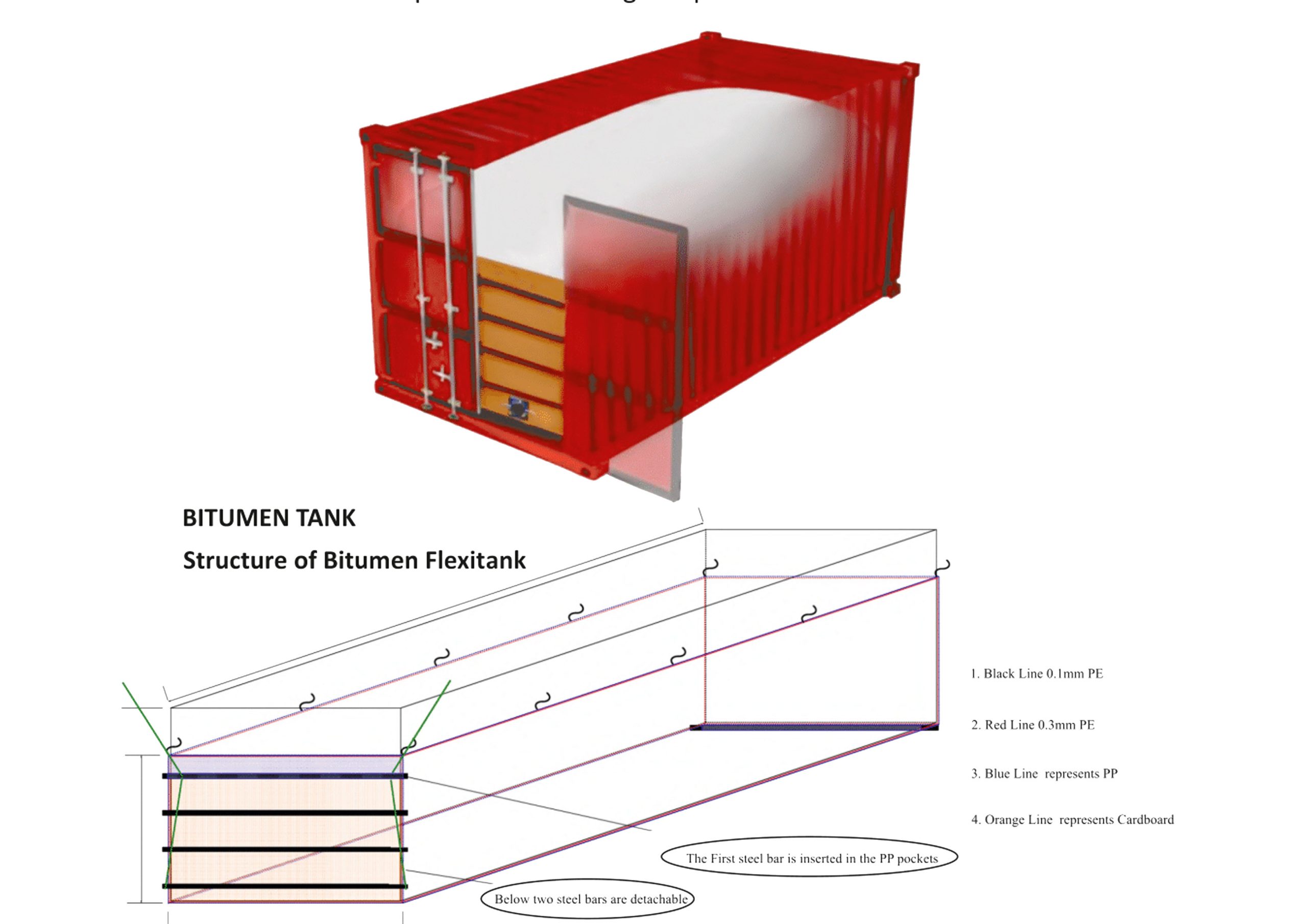
Choosing the optimal flexitank for bitumen hinges on a clear understanding of capacity options, the physical properties of the grade, and the logistics chain. The following sections break down each variable to help engineers and procurement teams make data‑driven decisions.
What range of Bitumen Flexitank Sizes is available for transport?
Standard flexitanks for hot bitumen typically start at 10 m³ (≈10,000 L) and extend to 30 m³. Large volume bitumen flexitanks push the envelope to 45 m³ or 60 m³, employing reinforced liners and higher‑grade polymers to resist the elevated temperatures of T11 or heavier grades. The detailed flexitank packaging guide outlines the engineering tolerances that enable these sizes.
How do bitumen grade, transport mode, and temperature influence the chosen capacity?
Higher‑grade T11 bitumen retains viscosity up to 200 °C, demanding larger internal volumes to limit the number of fill‑and‑discharge cycles. Road tankers favor 10‑20 m³ units for maneuverability, while rail and sea containers can accommodate 30‑60 m³, reducing handling steps. Temperature directly affects viscosity; as temperature rises, viscosity drops, allowing faster pumping but requiring insulated loading bays to maintain the temperature until discharge.
Which industry sectors typically require which flexitank capacity?
Road construction projects often order 15‑25 m³ flexitanks to match daily paving schedules. Roofing manufacturers, dealing with smaller batch sizes, usually select 10‑12 m³ units. Large‑scale infrastructure contracts may request 45‑60 m³ tanks to minimise trips and align with bulk storage silos.
PROS
- Higher capacity reduces per‑liter handling cost.
- Standard dimensions streamline regulatory approval.
CONS
- Large tanks need specialized loading equipment.
- Longer curing time for flexible liners.
When selecting a flexitank, reference the flexitank size regulations bitumen for the target jurisdiction and verify that the flexitank dimensions for bitumen 2026 meet both transport safety and storage volume requirements.
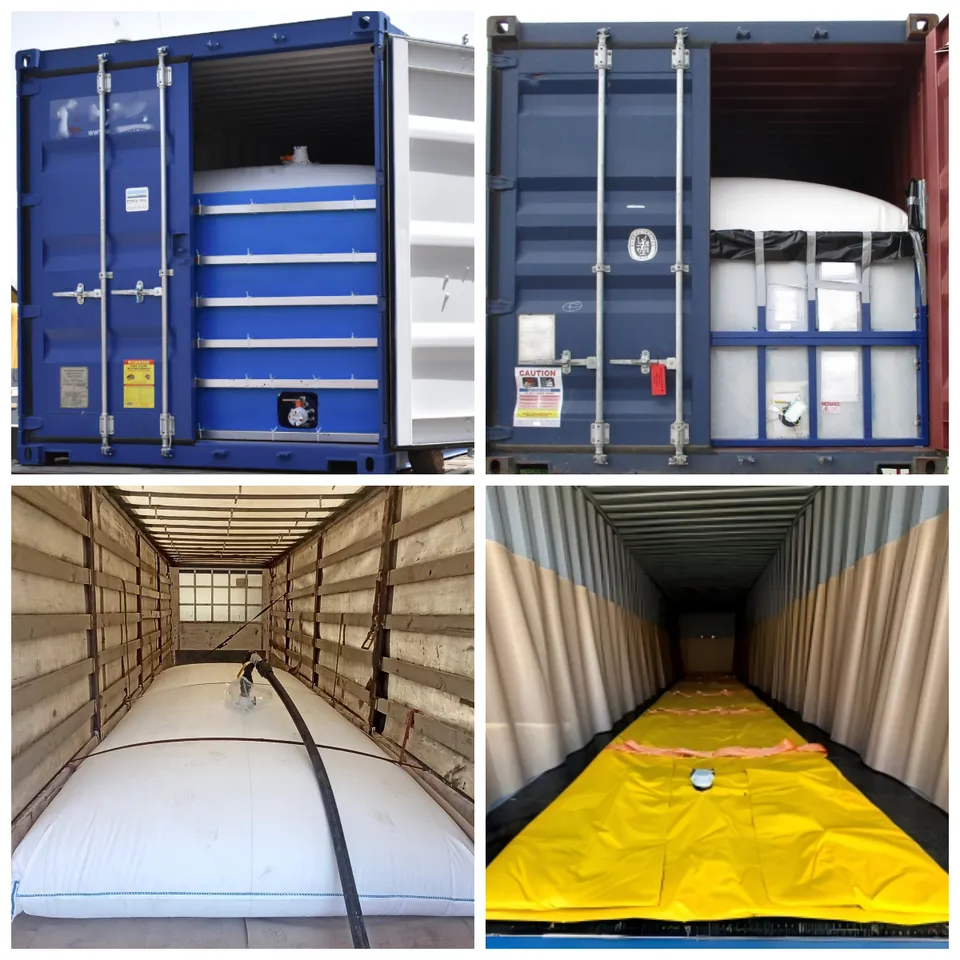
Choosing the optimal flexitank for bitumen hinges on a clear understanding of capacity options, the physical properties of the grade, and the logistics chain. The following sections break down each variable to help engineers and procurement teams make data‑driven decisions.
What range of Bitumen Flexitank Sizes is available for transport?
Standard flexitanks for hot bitumen typically start at 10 m³ (≈10,000 L) and extend to 30 m³. Large volume bitumen flexitanks push the envelope to 45 m³ or 60 m³, employing reinforced liners and higher‑grade polymers to resist the elevated temperatures of T11 or heavier grades. The detailed flexitank packaging guide outlines the engineering tolerances that enable these sizes.
How do bitumen grade, transport mode, and temperature influence the chosen capacity?
Higher‑grade T11 bitumen retains viscosity up to 200 °C, demanding larger internal volumes to limit the number of fill‑and‑discharge cycles. Road tankers favor 10‑20 m³ units for maneuverability, while rail and sea containers can accommodate 30‑60 m³, reducing handling steps. Temperature directly affects viscosity; as temperature rises, viscosity drops, allowing faster pumping but requiring insulated loading bays to maintain the temperature until discharge.
Which industry sectors typically require which flexitank capacity?
Road construction projects often order 15‑25 m³ flexitanks to match daily paving schedules. Roofing manufacturers, dealing with smaller batch sizes, usually select 10‑12 m³ units. Large‑scale infrastructure contracts may request 45‑60 m³ tanks to minimise trips and align with bulk storage silos.
PROS
- Higher capacity reduces per‑liter handling cost.
- Standard dimensions streamline regulatory approval.
CONS
- Large tanks need specialized loading equipment.
- Longer curing time for flexible liners.
When selecting a flexitank, reference the flexitank size regulations bitumen for the target jurisdiction and verify that the flexitank dimensions for bitumen 2026 meet both transport safety and storage volume requirements.
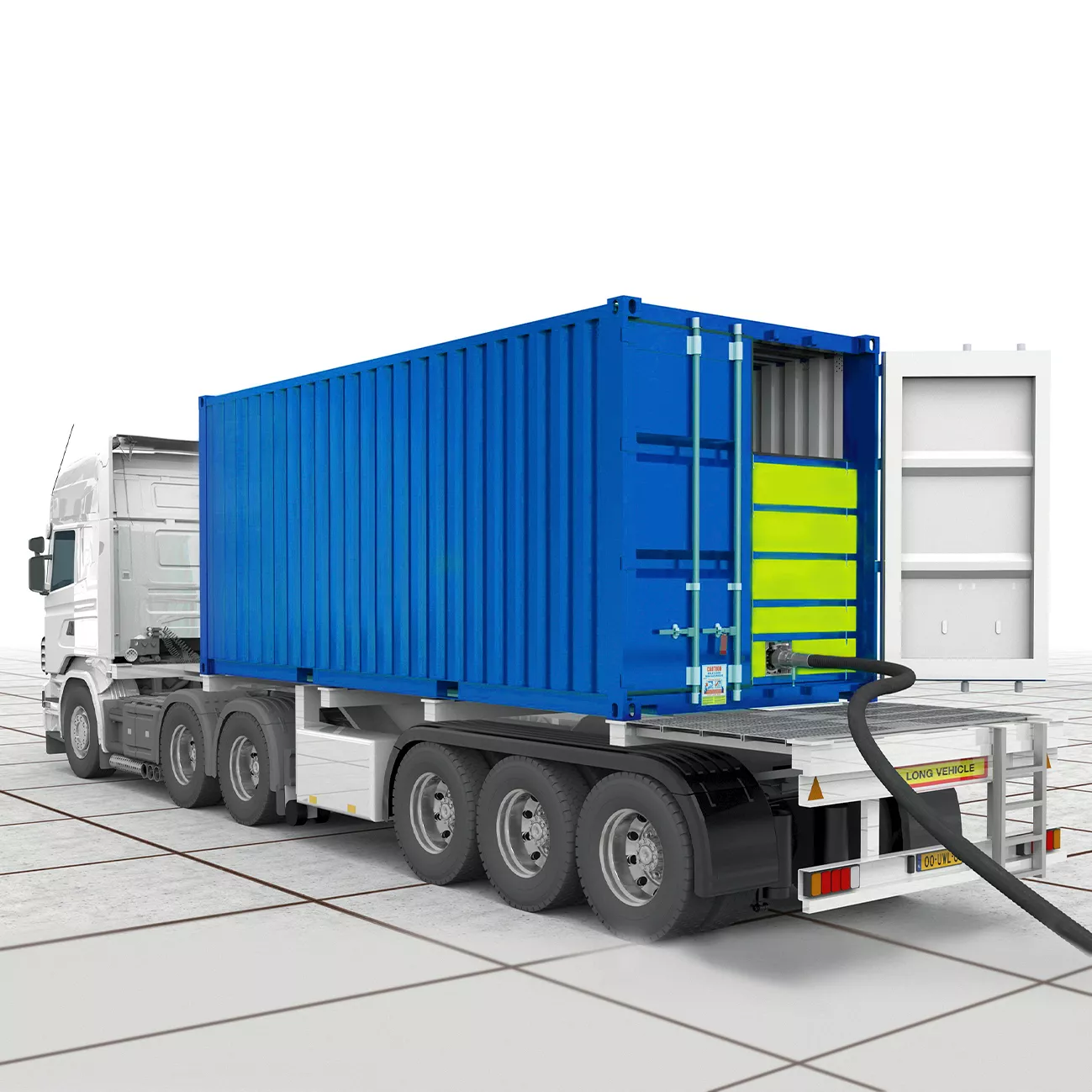
Choosing the optimal flexitank for bitumen hinges on a clear understanding of capacity options, the physical properties of the grade, and the logistics chain. The following sections break down each variable to help engineers and procurement teams make data‑driven decisions.
What range of Bitumen Flexitank Sizes is available for transport?
Standard flexitanks for hot bitumen typically start at 10 m³ (≈10,000 L) and extend to 30 m³. Large volume bitumen flexitanks push the envelope to 45 m³ or 60 m³, employing reinforced liners and higher‑grade polymers to resist the elevated temperatures of T11 or heavier grades. The detailed flexitank packaging guide outlines the engineering tolerances that enable these sizes.
How do bitumen grade, transport mode, and temperature influence the chosen capacity?
Higher‑grade T11 bitumen retains viscosity up to 200 °C, demanding larger internal volumes to limit the number of fill‑and‑discharge cycles. Road tankers favor 10‑20 m³ units for maneuverability, while rail and sea containers can accommodate 30‑60 m³, reducing handling steps. Temperature directly affects viscosity; as temperature rises, viscosity drops, allowing faster pumping but requiring insulated loading bays to maintain the temperature until discharge.
Which industry sectors typically require which flexitank capacity?
Road construction projects often order 15‑25 m³ flexitanks to match daily paving schedules. Roofing manufacturers, dealing with smaller batch sizes, usually select 10‑12 m³ units. Large‑scale infrastructure contracts may request 45‑60 m³ tanks to minimise trips and align with bulk storage silos.
PROS
- Higher capacity reduces per‑liter handling cost.
- Standard dimensions streamline regulatory approval.
CONS
- Large tanks need specialized loading equipment.
- Longer curing time for flexible liners.
When selecting a flexitank, reference the flexitank size regulations bitumen for the target jurisdiction and verify that the flexitank dimensions for bitumen 2026 meet both transport safety and storage volume requirements.

Selecting the appropriate Bitumen Flexitank Sizes is paramount for safe, efficient, and cost-effective bitumen handling. Gulf Petro Vision L.L.C offers expert guidance and a comprehensive range of flexitank solutions to meet your specific requirements. For detailed specifications, volume options, and a personalized consultation, contact us today to streamline your bitumen transport and storage needs.