Bitumen Testing Standards: Ensuring Road Quality
Bitumen testing standards are crucial for ensuring the durability and performance of road pavements. These standards, encompassing a range of asphalt testing methods, dictate the quality control procedures for bitumen used in road construction. At Gulf Petro Vision, we understand the importance of adhering to these rigorous specifications for optimal results.
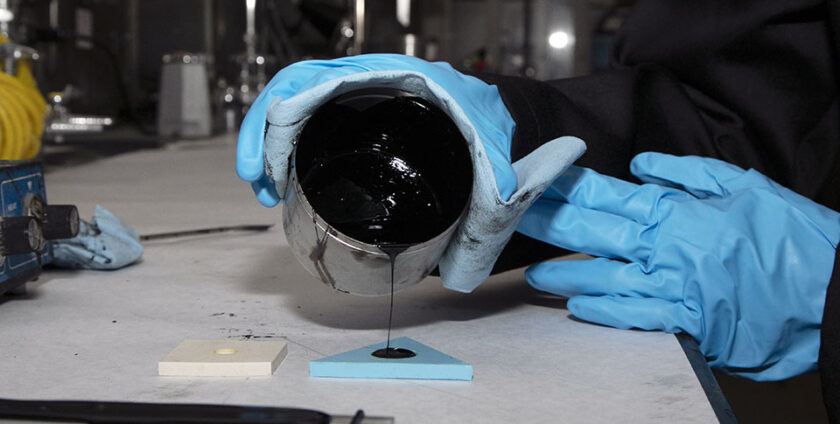
What are bitumen specifications and why do they matter for pavement performance?
Bitumen specifications are the quantitative limits set for binder properties that must be met before the material can be used in road construction. They serve as the first line of ensuring durable roads by defining acceptable ranges for hardness, flow, and ductility. When specifications are adhered to, the resulting pavement exhibits predictable resistance to cracking, rutting, and temperature‑induced distresses.
How do bitumen testing standards like penetration testing of bitumen ensure pavement quality?
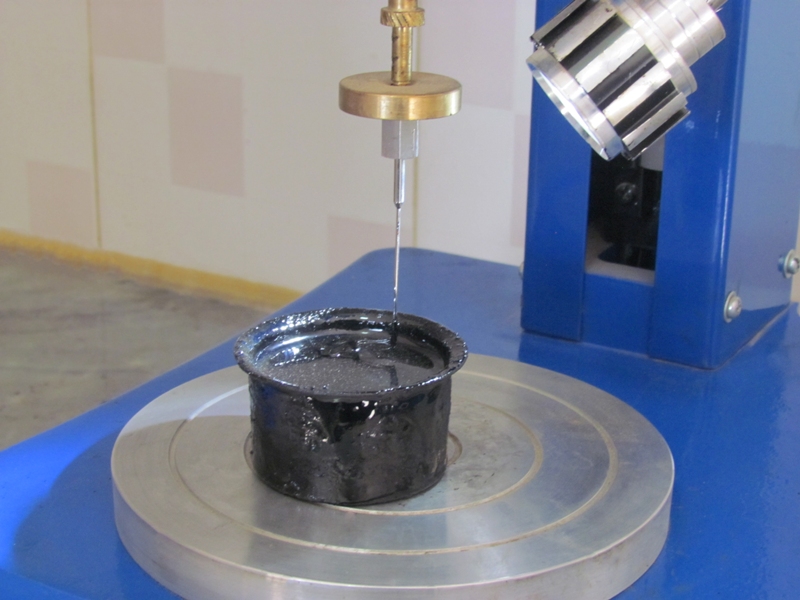
The most widely referenced bitumen testing standards are found in ASTM D2172 and EN 12697‑38. Penetration testing measures the depth (in 0.1 mm) a standard needle penetrates the sample under defined load, temperature (25 °C) and time. Results indicate hardness; lower penetration values mean a harder binder, suitable for hot climates.
Softening point testing (Ring‑and‑Ball) determines the temperature at which the bitumen reaches a specific softness, helping to predict flow behavior in summer heat. Viscosity measurements (ASTM D4402) assess the binder’s resistance to flow at 60 °C and 135 °C, directly linked to compaction quality and mixing plant performance.
Relative importance of core bitumen specification tests.
Which tests determine the bitumen grade specifications for road construction?
Ductility testing stretches a sample at 25 °C until it breaks, revealing the binder’s ability to accommodate strain without cracking. Combined results from penetration, softening point, viscosity, and ductility define the performance grade (PG) system, e.g., PG 64‑22, indicating suitability for 64 °C service and 22 °C minimum temperatures.
Laboratory testing of bitumen ensures compliance with road construction material standards and provides the data needed for quality control during production and placement. By following ASTM D2172 testing, EN 12697‑38 bitumen testing, and the 2026 bitumen testing updates, engineers can reliably predict long‑term pavement performance and select the appropriate bitumen grade specifications.

What are the origins and scope of ASTM D2172 and EN 12697‑38?
ASTM D2172, first published in the United States in the early 1990s, was created to standardise the performance‑grade (PG) classification of asphalt binders. Its scope covers binder preparation, testing temperature regimes, and the evaluation of rutting and cracking resistance. EN 12697‑38, meanwhile, emerged from the European Committee for Standardisation (CEN) in the late 1990s to harmonise binder testing across member states. While both documents address binder performance, EN 12697‑38 adds provisions for ageing procedures and incorporates the Superpave methodology alongside traditional penetration and softening‑point tests.
How do these bitumen testing standards differ in procedures and acceptance criteria?
Both standards require a series of laboratory tests, yet their acceptance criteria diverge. ASTM D2172 defines limits for parameters such as dynamic shear modulus and fatigue life at specified temperatures, using a “no‑pass” rule; any value outside the PG envelope fails the binder. EN 12697‑38 adopts a graded approach, allowing marginal deviations if the overall performance index remains within a prescribed tolerance. The procedural contrast also appears in specimen preparation – ASTM mandates a specific compacted film method, whereas EN prescribes a bulk‑sample conditioning protocol.
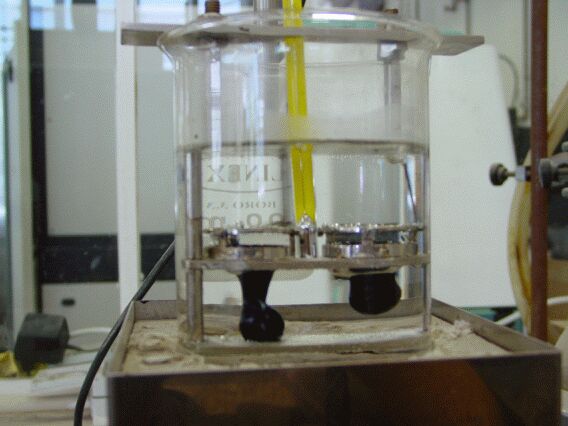
Which specific tests are covered under ASTM D2172 and EN 12697‑38?
Key tests include:
- Dynamic shear rheometer (DSR) analysis – core to performance grade bitumen testing.
- Rolling thin‑film oven (RTFO) and pressure ageing vessel (PAV) procedures.
- Penetration testing of bitumen and softening point testing bitumen for baseline properties.
- Viscosity measurement at 135 °C and 165 °C.
Comparison of test emphasis between the two standards.
Why is accurate laboratory testing of bitumen crucial for compliance?
Precise lab work safeguards the integrity of road construction material standards, ensuring that the chosen binder meets the specified bitumen grade specifications. Consistent results underpin bitumen quality control programmes, reduce premature failures, and support the claims made in Why Bitumen Quality is Important for Durable Roads?. Failure to adhere to ASTM D2172 testing or EN 12697‑38 requirements can lead to costly re‑works and undermine the long‑term reliability of road pavements.
How will 2026 bitumen testing standards reshape industry practices?
By the end of 2026 both ASTM and EN committees are expected to publish revisions that incorporate high‑temperature rheology, low‑temperature cracking resistance, and recycled‑content limits. These changes will shift the focus from purely descriptive tests, such as Why Bitumen Quality is Important for Durable Roads, to performance‑based metrics that better predict long‑term pavement behavior.
What new procedures are slated for ASTM and EN revisions?
Key updates include:
- ASTM D2172 testing will expand to cover shear‑modulus curves at multiple strain rates.
- EN 12697‑38 bitumen testing will add a mandatory thin‑film oven test for moisture susceptibility.
- Penetration testing of bitumen will be complemented by Dynamic Shear Rheometer (DSR) results to define performance grades.

Why are these updates driven by material science and sustainability?
Advances in polymer‑modified binders and reclaimed asphalt pavement (RAP) demand more nuanced assessment tools. Incorporating softening point testing bitumen and fatigue‑life models reduces the need for over‑design, directly supporting lower carbon footprints and the push for greener road construction practices.
Projected timeline for major ASTM and EN updates affecting bitumen testing.
How will non‑compliance affect suppliers and contractors?
Failure to meet the revised acceptance criteria can trigger project delays, re‑testing costs, and legal penalties. Moreover, non‑compliant binders often display premature cracking, inflating life‑cycle expenses and eroding stakeholder confidence.

What steps should stakeholders take now to stay ahead?
Invest in modular DSR units, train personnel on the expanded test matrix, and integrate performance‑grade bitumen testing into quality‑control plans. Proactive adaptation not only safeguards compliance but also reinforces the durability goals outlined in road construction material standards.
Maintaining stringent bitumen testing standards is paramount for long-lasting and safe road infrastructure. Understanding the nuances of asphalt binder testing standards, from penetration testing to upcoming 2026 updates, is vital for professionals. Gulf Petro Vision remains committed to providing high-quality bitumen and supporting industry best practices. Contact us today to discuss your bitumen needs.