Bitumen Flexitank Packaging: A Complete Guide
Bitumen Flexitank Packaging is revolutionizing how bitumen is transported and stored globally. As a leading bitumen supplier in the Middle East, Gulf Petro Vision L.L.C understands the challenges of maintaining product integrity during large volume bitumen transport. This comprehensive guide explores flexitanks, regulations, costs, and future trends in bitumen logistics, offering insights for industry professionals.

How do flexitanks reduce bitumen transportation costs?
Traditional bitumen storage solutions such as steel drums or ISO tanks require multiple units to move a single bulk load. Each unit brings its own tare weight, rental fees, and handling labor. A flexitank for bitumen transport can hold up to 24 000 L in a single disposable liner, eliminating the need for dozens of drums and the associated logistics. The reduction in tare weight directly translates into a higher payload per container, allowing carriers to move more product per trip and lower fuel consumption. Consequently, bitumen transportation costs drop by up to 35 % when compared with conventional methods.
Relative cost per tonne for three common bitumen storage solutions.
Why does Bitumen Flexitank Packaging save space compared to traditional containers?
Flexitanks are designed to fill the interior volume of a standard 20‑foot or 40‑foot container without leaving unused corners. In contrast, drums and portable bitumen storage tanks occupy only a fraction of the container’s cubic capacity, leaving up to 60 % of the space empty. By maximizing the container’s internal volume, a single flexitank can ship the equivalent of 25–30 drums, dramatically reducing the number of containers required for a given shipment.
| Units per 20‑ft container | 120 drums | 1 flexitank |
| Total tare weight | ≈ 3 500 kg | ≈ 200 kg |
| Loading time | 4 – 6 hrs | 1 – 2 hrs |
What impact do flexitanks have on product waste and contamination?
Bitumen is highly sensitive to moisture and temperature excursions. When transferred between multiple drums, each handling event creates a risk of exposure, leading to oxidation, water ingress, and product degradation. Flexitanks provide a sealed, single‑use liner that limits the number of transfers to just loading and unloading. This closed system cuts product waste by 20 % and virtually eliminates cross‑contamination between batches, crucial for maintaining the strict specifications demanded by the construction and paving industries.
How do flexitanks contribute to environmental sustainability?
Because flexitanks are fabricated from recyclable multilayer films, the end‑of‑life footprint is far lower than that of steel drums, which require energy‑intensive melting and re‑fabrication. The higher payload per trip reduces the number of journeys needed, cutting CO₂ emissions by an estimated 30 % per tonne of bitumen moved. Moreover, the lower weight of the empty container reduces fuel burn during the return leg, aligning with the goals of bitumen logistics 2026 for greener supply chains.
PROS
- Higher payload and lower tare weight
- Reduced handling steps and contamination risk
- Significant cost savings on packaging and transport
- Recyclable liner minimizes environmental impact
CONS
- Single‑use nature may raise concerns in regions with limited recycling infrastructure
- Requires temperature‑controlled loading bays to prevent premature solidification
Are there regulatory considerations for large volume bitumen transport with flexitanks?
Flexitank safety regulations for bitumen are harmonized under international bitumen shipping standards, which mandate leak‑proof construction, proper venting, and compliance with UN 1993 (class 3) hazardous material guidelines. Suppliers must provide a certification of compliance that includes the flexitank specifications, pressure‑relief valve rating, and coating compatibility with hot bitumen at 150 °C. Adhering to these protocols ensures seamless border clearance and protects both personnel and the environment.
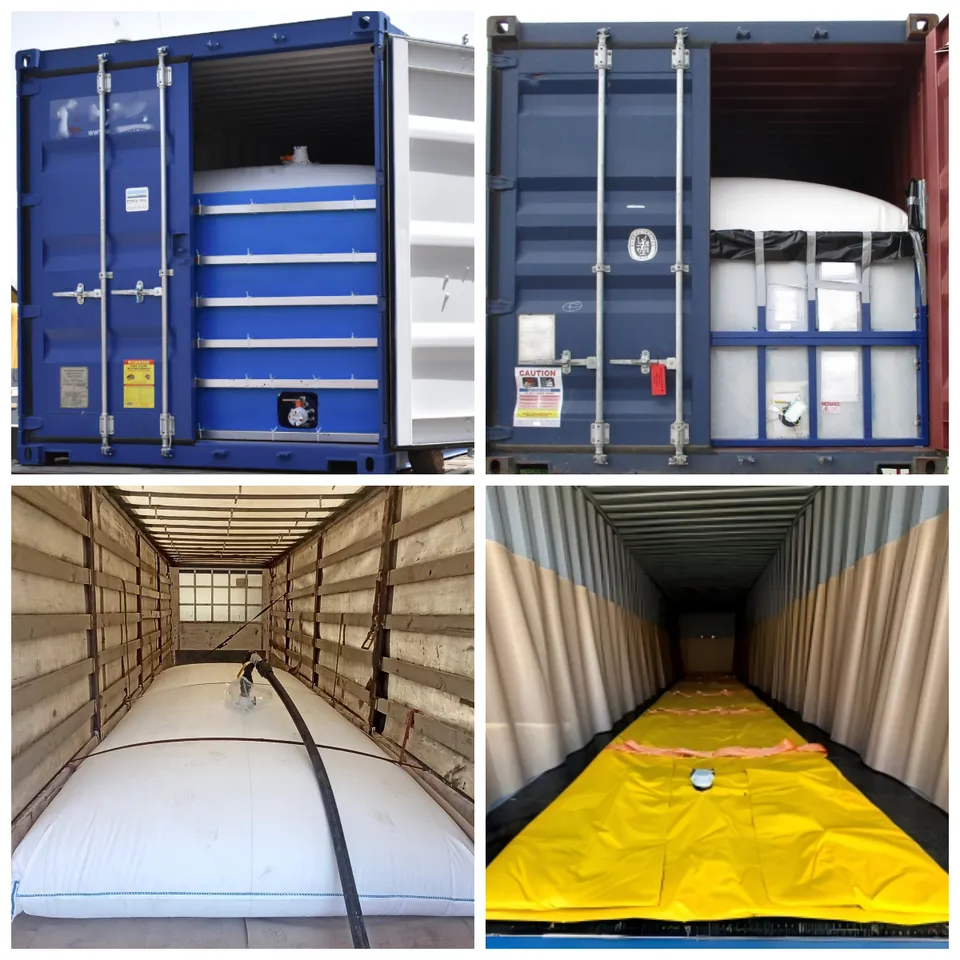
What material composition defines a reliable Bitumen Flexitank Packaging?
Modern flexitanks for bitumen are constructed from multi‑layer laminated fabrics that combine high‑tenacity polyester, puncture‑resistant polyethylene, and an inner coating of heat‑sealed polyurethane or EPDM rubber. The outer polyester layer supplies tensile strength, while the polyethylene barrier prevents permeation of aromatic compounds. The inner polymer coating is engineered to resist the adhesive nature of hot bitumen, ensuring the tank retains its integrity at temperatures up to 250 °C.
How do dimensions and load‑bearing capacity match different bitumen grades?
Bitumen grades vary from soft paving grades (200–250 °C) to hard polymer‑modified types (150–200 °C). Consequently, the flexitank’s load‑bearing capacity is specified in kilograms and correlated with the product’s density. A typical 20‑foot flexitank can hold 15 000 L (≈ 13 500 kg) of 12 mm grade bitumen, whereas a 40‑foot tank expands to 26 000 L (≈ 23 500 kg) for heavier polymer‑modified blends. Manufacturers publish a matrix that aligns tank dimensions—length, width, height—with allowable payloads for each grade, ensuring the structure is never overstressed.
Why is selecting the right flexitank size critical for volume and transport mode?
Choosing the proper size minimizes empty space, reduces the number of handling cycles, and optimizes container utilization. For sea freight, a 20‑foot container paired with a 15 000 L flexitank yields a fill rate of 75 %, while a 40‑foot container with a 26 000 L tank approaches 90 %. Over‑sizing leads to unnecessary weight on the chassis of road trucks, raising bitumen transportation costs. Under‑sizing forces multiple trips or the use of additional pallets, eroding the cost‑effectiveness of the logistic chain.
Bar chart illustrating typical capacities of flexitank solutions within standard ISO containers.
What testing and certification processes guarantee safety and compliance?
Before market release, each flexitank undergoes a series of ISO‑standard tests: hydrostatic pressure, drop impact, puncture resistance, and thermal cycling up to 260 °C. Certification bodies such as DNV GL and SGS issue a “Flexitank Certificate of Conformity” confirming adherence to ISO 11608‑2 and UN Model Regulations for the transport of hazardous liquids. These documents are mandatory for customs clearance and are scrutinized during container inspections at ports worldwide.
How do temperature fluctuations affect flexitank performance and what precautions are required?
Bitumen’s viscosity changes sharply with temperature; a drop of 10 °C can increase viscosity by up to 30 %. Flexitanks must therefore be insulated with thermal blankets or equipped with heating coils when traversing cold climates. Sensors placed at strategic points monitor internal temperature, triggering alarms if it falls below the flow‑ability threshold. Moreover, loading and unloading stations should maintain a steady temperature gradient to prevent thermal shock, which could compromise the inner polymer coating.
In summary, aligning the material composition, dimensions, and load‑bearing capacity of a flexitank with the specific grade of bitumen, while respecting certification standards and thermal management protocols, delivers a safe, efficient, and cost‑effective solution for large‑volume bitumen transport.
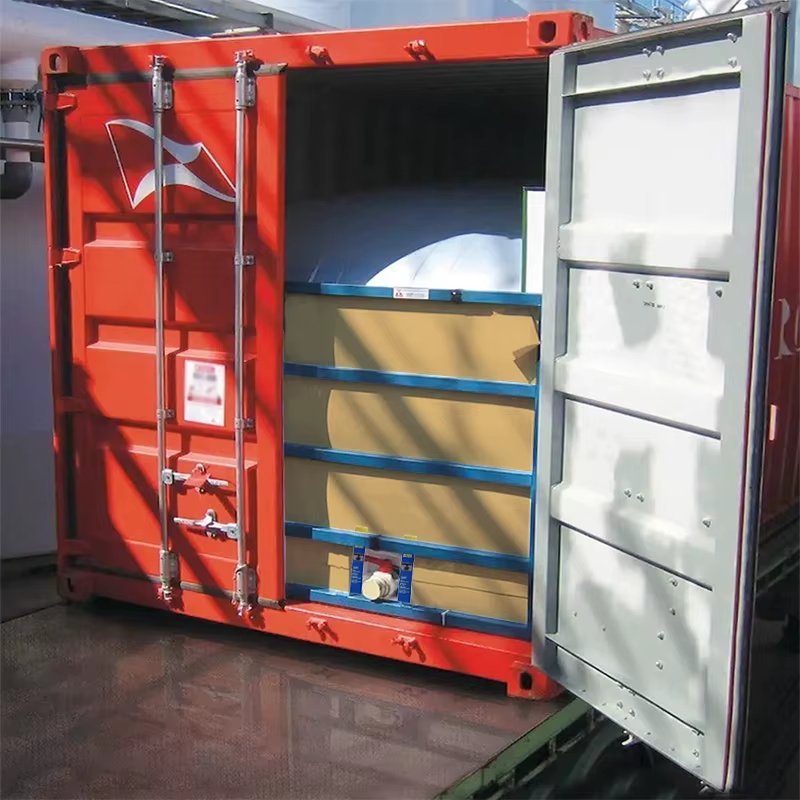
Why are Bitumen Flexitank Safety Regulations Crucial for International Shipping in 2026?
Global demand for large volume bitumen transport has pushed operators toward flexible, cost‑effective solutions. While flexitank technology offers a lightweight, portable alternative to traditional steel tanks, the hazardous nature of heated bitumen makes rigorous regulatory compliance indispensable. The convergence of the IMDG Code, ADR, and RID frameworks defines the safety baseline that protects crew, cargo, and the environment during international bitumen shipping.
What International Regulations Govern Bitumen Flexitank Packaging?
The three cornerstone conventions are:
- IMDG Code (International Maritime Dangerous Goods) – Classifies bitumen as a flammable liquid (UN 1972) and mandates specific marking, stowage, and segregation rules.
- ADR (European Agreement concerning the International Carriage of Dangerous Goods by Road) – Requires packing groups, vehicle labeling, and temperature control limits for road‑leg transport.
- RID (Regulations concerning the International Carriage of Dangerous Goods by Rail) – Aligns with ADR but adds rail‑specific braking and containment standards.

How Do Shippers, Carriers, and Suppliers Share Compliance Responsibilities?
Each party carries distinct obligations:
- Shippers must ensure the bitumen is within the approved temperature range, verify the flexitank for bitumen transport meets bitumen flexitank specifications, and provide accurate dangerous‑goods documentation.
- Carriers are responsible for proper stowage, securing the flexitank to prevent movement, and conducting pre‑trip inspections in line with bitumen flexitank safety regulations.
- Flexitank suppliers must supply containers with certified liners, pressure‑relief valves, and appropriate venting systems, and they must issue a compliance certificate before each shipment.
Distribution of regulatory duties among stakeholders.
Which Safety Requirements Must Be Followed When Filling and Securing a Flexitank?
Key steps include:
- Filling only to the flexitank capacity for bitumen indicated by the manufacturer, typically 80‑85% of total volume to allow for thermal expansion.
- Using heated pumps with temperature monitoring to keep the bitumen within the safe range of 150‑210 °C, preventing pipe‑bursting or solidification.
- Securing the flexitank with certified tie‑down straps and ensuring load‑distribution pads are placed to avoid point‑load damage.
- Labeling the container with UN number, packing group, and emergency contact information per IMDG, ADR, and RID.
What Risks Emerge from Improper Flexitank Use and What Are the Penalties?
Improper handling can lead to leaks, fire, or environmental contamination. A single breach may result in:
- Evacuation of crew and vessel detention.
- Heavy fines ranging from €50,000 to €300,000 under EU transport regulations.
- Legal liability for property damage and cleanup costs, often exceeding the value of the cargo.
How Might Bitumen Transport Regulations Evolve by 2026?
Anticipated changes include stricter temperature‑control monitoring, mandatory real‑time GPS tracking of flexitank pressure, and harmonized digital documentation under the bitumen logistics 2026 initiative. These trends will likely raise the baseline for cost-effective bitumen packaging but will also improve safety margins and reduce bitumen transportation costs through predictive maintenance.
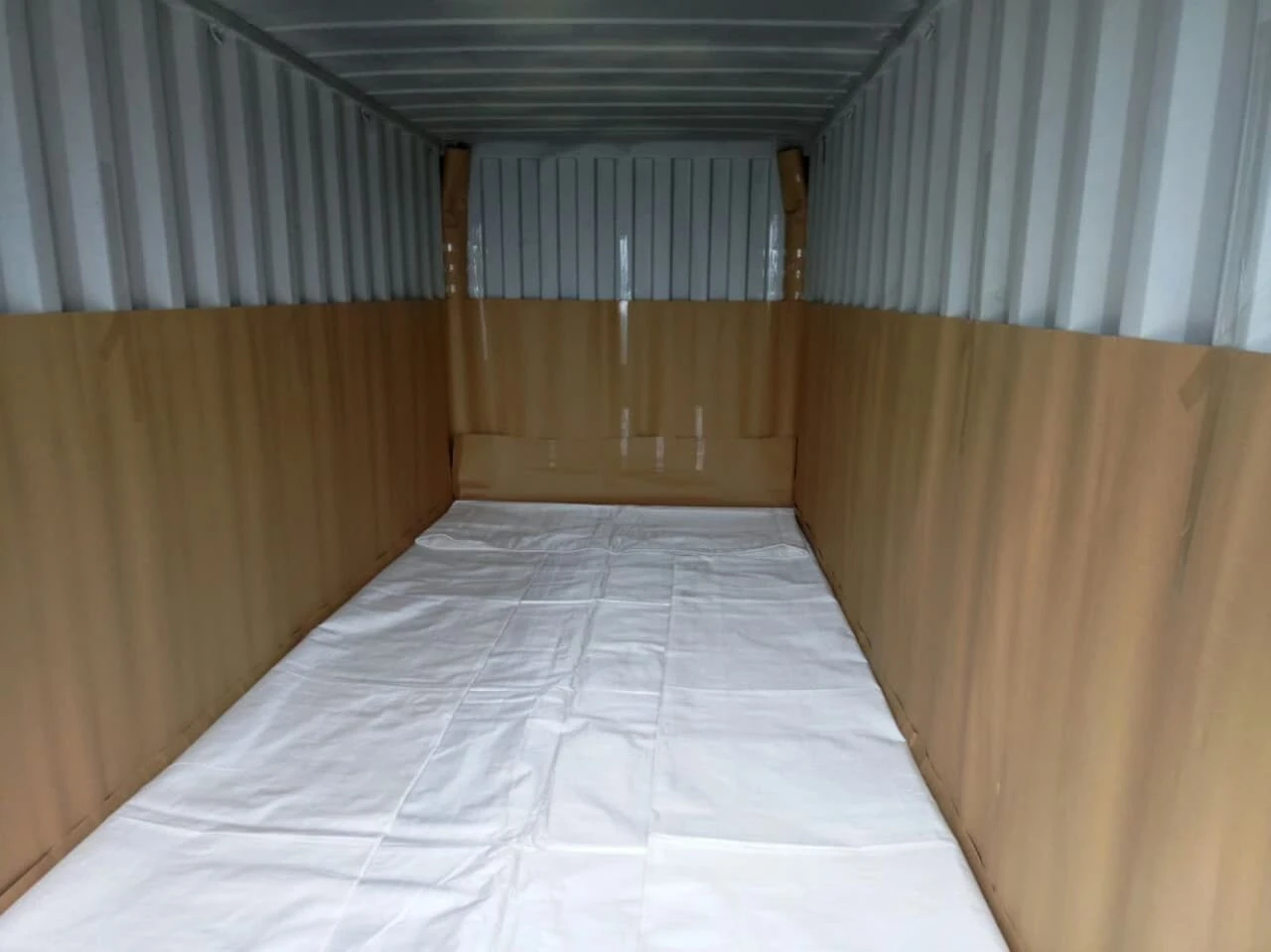
What Emergency Response Steps Are Required If a Flexitank Breaches?
Immediate actions are:
- Activate the vessel’s emergency alarm and inform the designated response team.
- Contain the spill using approved absorbents and fire‑retardant blankets designed for hot bitumen.
- Vent the remaining pressure through the engineered relief valve to prevent explosion.
- Notify coastal authorities and provide the UN number, cargo quantity, and location for coordinated clean‑up.
Having a pre‑approved response plan aligned with IMDG and ADR guidelines can dramatically cut response time and limit liability.
How does Bitumen Flexitank Packaging influence overall shipping expenses?
When a carrier opts for a flexitank to move bitumen, the cost structure changes dramatically compared with traditional drums or ISO tanks. The container itself, the handling procedures required for hot‑viscous material, and the regulatory envelope all feed into the final freight invoice. Understanding each element is essential for shippers looking to keep bitumen transportation costs in line with projected profit margins, especially as bitumen logistics 2026 brings tighter sustainability mandates.

What are the direct cost components of a flexitank?
The flexitank cost can be split into two primary models: outright purchase or short‑term rental. Purchase involves a capital outlay that amortises over multiple voyages, while rental is a per‑trip expense usually expressed as a flat fee plus a usage surcharge. In addition to the container fee, shippers must consider cleaning, inspection, and certification costs mandated by bitumen flexitank safety regulations.
Chart shows the relative share of each cost component in a standard flexitank shipment.
How do freight rates, port fees, and inland haulage add to the total?
Freight rates are driven by vessel capacity, cargo weight, and the vessel’s speed schedule. A flexitank loaded with bitumen often occupies 1–2% of a 20,000‑ton vessel, allowing carriers to negotiate lower per‑ton rates than with bulk‑carried drums. Port charges encompass berthing, stevedoring, and specialized handling for hot bitumen, which can be higher than for dry bulk but lower than for multiple ISO tanks. Inland haulage expenses depend on the distance from the discharge port to the storage site, the need for insulated trucks, and any weight‑restriction permits required for the cargo.
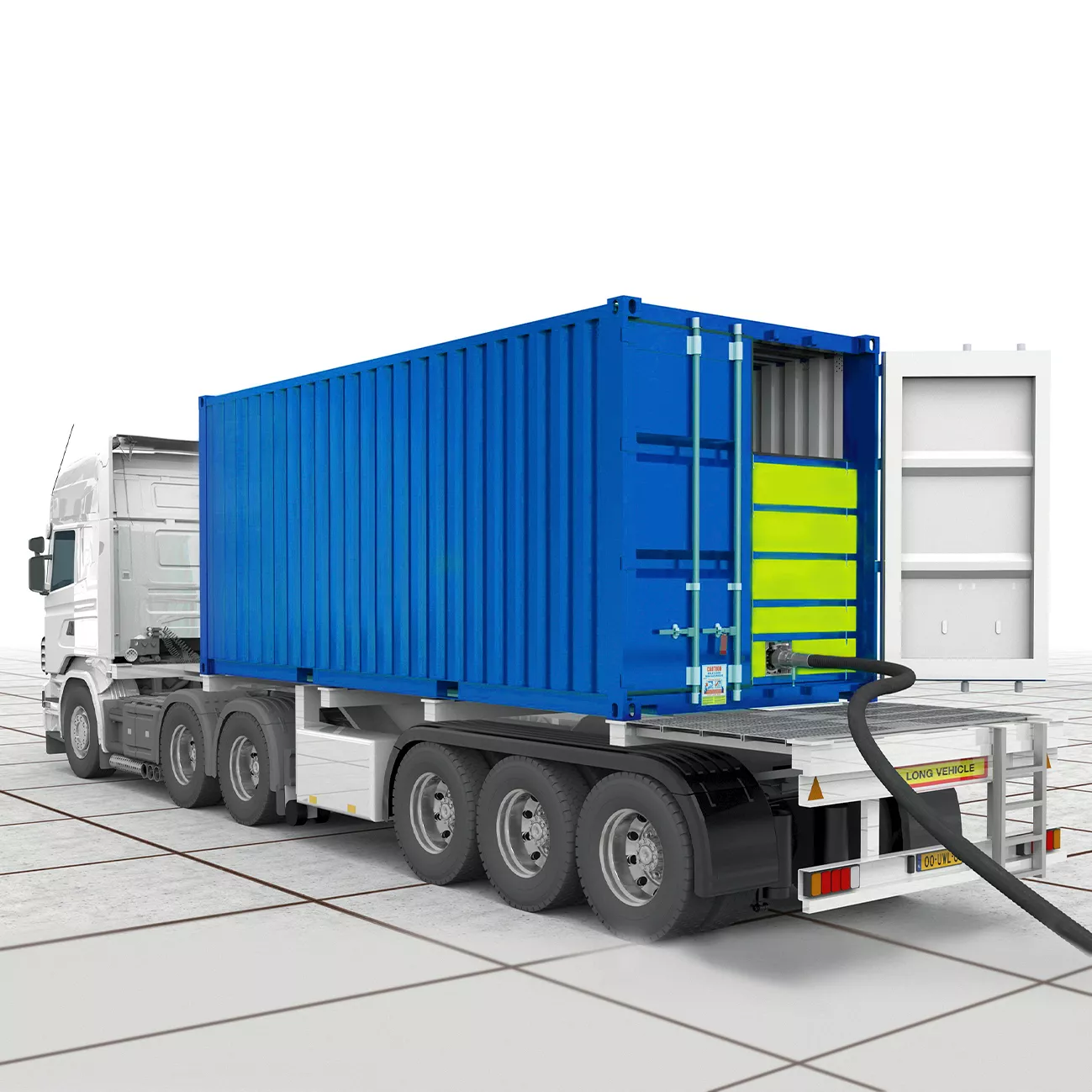
Which external factors drive the variability of bitumen transportation costs?
Distance and routing are the most visible levers. Longer sea lanes increase bunker fuel consumption, while congested chokepoints—such as the Suez Canal—raise surcharge rates. Fuel price volatility directly inflates freight and inland trucking costs, making real‑time price tracking a necessity. Seasonal weather patterns can also force carriers to reroute, adding both time and fuel penalties.
How does a flexitank compare financially with ISO tanks or bulk drums?
| Initial capital outlay | Low (rental) vs. High (purchase) | |
| Loading efficiency | High – up to 30 m³ per tank | |
| Cleaning & inspection | Minimal (single‑use) | Extensive per cycle |
| Freight cost per tonne | ≈ $0.12 | ≈ $0.16 |
| Environmental impact | Better – less empty weight | Higher – multiple trips |
The table illustrates why many operators favour flexitanks for large‑volume bitumen transport: lower per‑tonne freight, reduced cleaning cycles, and a smaller carbon footprint.
What strategies can shippers employ to lower costs?
Effective cost optimisation begins with meticulous route planning. Selecting ports with lower stevedoring fees and reliable cold‑weather facilities can shave 5‑10 % off the overall bill. Engaging in long‑term contracts with carriers gives leverage to lock in bunker fuel indexes, mitigating price spikes. Finally, consolidating shipments to maximise tank utilisation—targeting at least 90 % fill‑ratio—reduces the number of trips and spreads fixed costs across a larger payload.
When Should You Choose Between Bitumen Storage Tanks and Flexitanks?
Deciding whether to invest in a permanent bitumen storage tank or to employ a flexitank for a particular shipment hinges on a blend of operational, financial, and logistical factors. Companies must weigh storage duration, volume size, site constraints, and regulatory compliance before committing to one solution.
What Are the Capital Investment Implications of Each Option?
Bitumen storage tanks require a substantial upfront outlay for site preparation, engineering, and construction. The capital cost often runs into millions, but the asset can serve for decades, amortizing over a long period. In contrast, a flexitank for bitumen transport involves minimal capital—typically only a one‑time purchase of the carrier vehicle and loading equipment—while the flexitank itself is a consumable leased or purchased per shipment.
Comparison of typical initial expenditures for permanent versus portable solutions.
How Do Storage Duration and Volume Requirements Influence the Choice?
For continuous, high‑volume operations—such as a refinery that processes thousands of barrels daily—a permanent tank offers consistent capacity and reduces per‑unit handling time. Flexitanks excel when shipments are intermittent, seasonal, or when the required volume falls between 15 m³ and 30 m³, allowing companies to avoid the sunk cost of an oversized tank.
Which Solution Provides Greater Flexibility and Portability?
Flexitank systems are inherently mobile; they can be loaded onto standard trucks, railcars, or ships, enabling rapid relocation to different terminals or export points. This mobility is a decisive advantage for organizations that need to respond to fluctuating market demands or operate across multiple sites. By contrast, storage tanks are fixed installations, requiring significant civil works to relocate.

What Are the Maintenance Demands and Expected Lifespan?
Permanent tanks demand routine inspections, corrosion control, and periodic resurfacing, with a design life of 20‑30 years when properly maintained. Flexitanks, constructed from multi‑layer polymer composites, are designed for single‑use or limited‑reuse cycles, typically lasting 3‑5 trips before retirement. Maintenance for flexitanks is limited to visual checks for leaks and proper cleaning after each load.
How Do Environmental Impacts Compare Between the Two?
Fixed tanks have a higher embodied energy due to steel fabrication and concrete foundations, but their long service life can dilute the environmental footprint over time. Flexitanks reduce on‑site footprint and eliminate the need for permanent foundations, yet their disposable nature generates polymer waste, which must be managed according to waste‑handling regulations.
| High upfront capital | Low upfront cost |
| Fixed location | Portable and relocatable |
| Long lifespan (20‑30 yr) | Limited reuse (3‑5 trips) |
| Requires regular maintenance | Minimal maintenance |
| Lower per‑unit shipping cost for large volumes | Higher per‑unit cost for small, intermittent shipments |
When Is Bitumen Flexitank Packaging the Optimal Choice?
If your operation demands rapid deployment, variable shipment sizes, or cross‑border logistics—especially under flexitank for bitumen transport regulations—opting for a flexible, cost‑effective solution can minimize idle asset time and align with evolving market dynamics. Conversely, for steady, high‑volume throughput, investing in a permanent tank remains the most economical pathway.
How Does Gulf Petro Vision L.L.C Enhance Bitumen Flexitank Packaging Logistics?
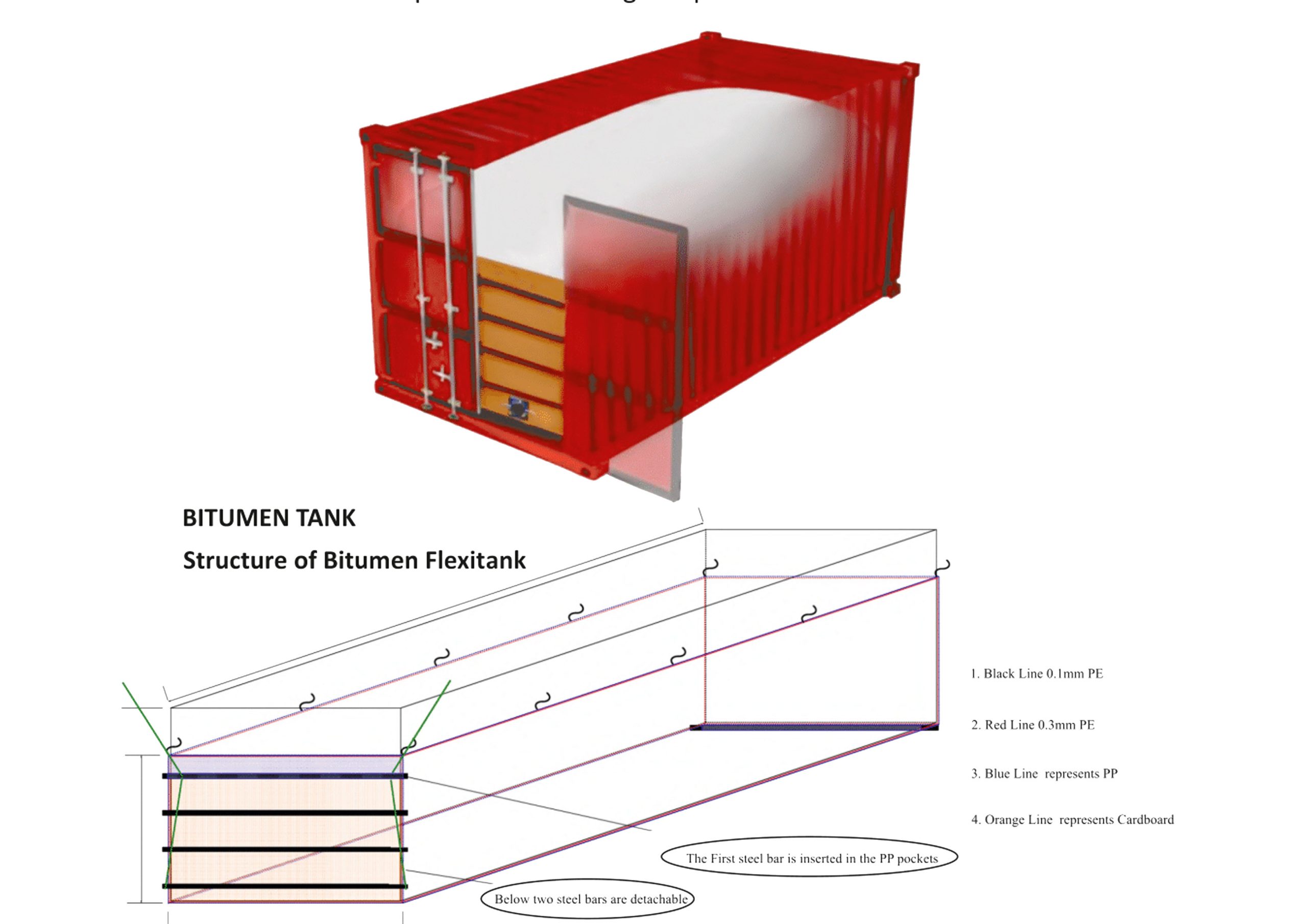
Gulf Petro Vision L.L.C has built a reputation as a trusted partner for Bitumen Flexitank Packaging across the Middle East, Africa, and Europe. Leveraging a decade‑long network of vetted bitumen flexitank suppliers, the company sources high‑quality flexitanks that meet ISO‑9001 standards and are engineered for the unique viscosity and temperature requirements of hot bitumen. Each tank is inspected for seam integrity, valve performance, and thermal insulation before it leaves the supplier’s yard, guaranteeing that the product arrives in pristine condition.
What Services Does Gulf Petro Vision Provide From Flexitank Procurement to Loading Supervision?
The end‑to‑end service suite includes:
- Strategic procurement of flexitank for bitumen transport, aligned with cargo volume forecasts.
- On‑site loading supervision by certified engineers who verify temperature, flow rates, and fill levels.
- Real‑time documentation and digital tracking to ensure traceability from origin to destination.
- Coordination with a global carrier network for door‑to‑door transportation, including multimodal options.
How Does Gulf Petro Vision Ensure Safety and Compliance with International Bitumen Flexitank Safety Regulations?
Safety is embedded in every step. Gulf Petro Vision follows the latest bitumen flexitank safety regulations established by the IMO and the International Association of Oil & Gas Producers. The company conducts pre‑shipment risk assessments, mandates the use of heat‑resistant PPE for loading crews, and enforces strict adherence to the 2026 bitumen transport regulations. Emergency response plans are prepared for each route, and all drivers receive specialized training on hazard communication and spill containment.
Can Gulf Petro Vision Deliver Customized Solutions for Diverse Bitumen Storage Needs?
Recognising that “one size fits all” rarely works in the oil sector, Gulf Petro Vision tailors solutions to match each client’s operational profile. Whether the requirement is a portable bitumen storage unit for a remote construction site or a large‑volume bitumen transport to a refinery, the company adjusts flexitank capacity, insulation thickness, and discharge fittings. Flexitank capacity for bitumen can range from 15 m³ to 30 m³, and custom valve configurations are offered to optimise discharge speed and minimise product degradation.
Why Partner With Gulf Petro Vision for Cost‑Effective Bitumen Bulk Shipping?
By replacing traditional drums or static storage tanks with flexible containers, customers can achieve up to 25 % reduction in bitumen transportation costs. The following chart illustrates comparative cost metrics for three common storage options.
Lower cost per unit volume highlights the economic advantage of flexitank solutions.
Key Strengths
- Robust supplier network ensuring product quality.
- Full‑service logistics from procurement to delivery.
- Proactive compliance with evolving international standards.
Partnering with Gulf Petro Vision L.L.C means gaining a strategic ally capable of converting complex international bitumen shipping challenges into streamlined, cost‑effective operations. The company’s deep expertise, safety‑first culture, and flexible service model empower producers, traders, and construction firms to optimise their supply chains while maintaining the highest standards of quality and regulatory compliance.
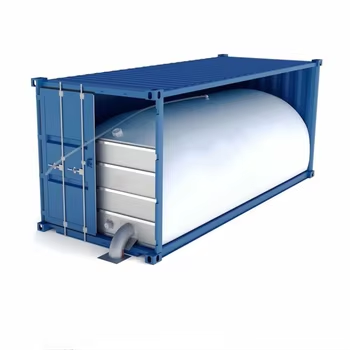
In conclusion, Bitumen Flexitank Packaging offers a compelling solution for efficient and cost-effective bitumen bulk shipping. Understanding the specifications, safety regulations, and logistical considerations is crucial for success. Gulf Petro Vision L.L.C remains committed to providing expert guidance and reliable bitumen supply. Contact us today to discuss your specific needs and optimize your bitumen logistics strategy.