Bitumen vs Asphalt: Which Paving Material is Best?
Bitumen vs asphalt are often used interchangeably, yet significant differences exist between these crucial road construction materials. This article provides a detailed, data-driven comparison of their composition, properties, costs, and environmental impact. Gulf Petro Vision L.L.C, a leading bitumen supplier in the Middle East, offers insights to help you make informed decisions.
Understanding the compositional foundation of the two most common paving agents clarifies why engineers choose one over the other. While both rely on a hydrocarbon binder, the pathways that lead from raw material to finished pavement differ markedly, influencing viscosity, temperature sensitivity, and long‑term durability.
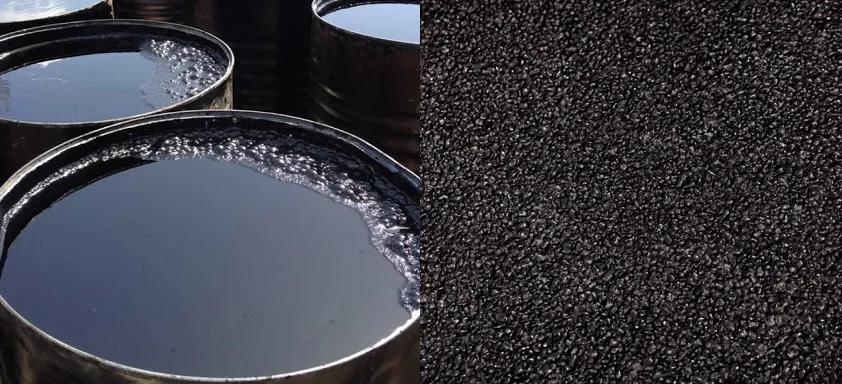
What are the origins of bitumen and asphalt in the bitumen vs asphalt debate?
Bitumen is the heavy, viscous residue extracted during the vacuum distillation of crude oil. It is refined further to meet specific performance grades (PG 46‑22, PG 70‑22, etc.) defined by the Superpave system. Asphalt, by contrast, is a composite material: refined bitumen mixed with mineral aggregates (gravel, crushed stone, sand) at the plant or on‑site. This blending creates a structural skeleton that bitumen alone cannot provide.
How do aggregate types influence the composition of asphalt mixtures?
The aggregate fraction determines load distribution, skid resistance, and drainage. Coarse gravel contributes strength, crushed stone improves interlock, and fine sand fills voids to reduce permeability. Mix designs are governed by ASTM D1559 and EN 12591, specifying optimum aggregate gradations for a target voids‑in‑mix (VIM) of 3‑5 %.

What chemical grades of bitumen affect performance?
Bitumen grades differ in penetration, softening point, and viscosity. A common classification uses the 60 °C penetration (e.g., 40/60) and the range of temperature susceptibility (e.g., PG 46‑22). Higher‑grade binders retain stiffness at elevated temperatures, reducing rutting, while softer grades remain flexible in cold climates, minimizing cracking.
Viscosity range across common performance‑grade binders.
How does an asphalt binder differ from a bitumen binder?
The term “asphalt binder” usually refers to the bitumen component after it has been modified (polymer‑modified, rubber‑modified) and blended to meet a specific mix design. “Bitumen binder” denotes the untreated refinery product. Modified binders exhibit reduced temperature susceptibility, a key factor in the asphalt vs bitumen durability discussion. Standards such as AASHTO M320 and ASTM D6840 prescribe testing for penetration, viscosity, and rheological behavior.
These compositional nuances dictate performance, environmental impact, and suitability for sustainable paving options in 2025. For a deeper dive into the hydrocarbon base, see What is Bitumen? A Complete Guide.

What factors drive the price of bitumen and asphalt?
Both bitumen and asphalt are anchored to the global oil market, but the cost drivers diverge after the raw material stage. Crude oil prices set the baseline for bitumen; any swing in barrel prices ripples through refinery margins, heating value adjustments, and storage fees. Refining costs, which include catalytic cracking and de‑asphalting, add a layer of volatility that can push the What is Bitumen? A Complete Guide price up or down within weeks.
Transport expenses—rail, tanker or truck—are amplified in remote regions, where distance and fuel taxes become decisive. Meanwhile, asphalt’s price profile is heavily influenced by the cost and availability of aggregates (crushed stone, sand, gravel). Seasonal quarry constraints or logistics bottlenecks can make aggregate premiums rise, even when bitumen remains stable.
How does the cost of bitumen vs asphalt vary with crude oil and aggregates?
Below is a simplified visual of the relative impact of each cost component.
Bar chart illustrating how each factor contributes to overall pricing.
Standard bitumen grades typically sit at a lower cost tier than premium blends, while asphalt mixes that use high‑quality aggregates command a modest premium. The blend ratio (binder to aggregate) further tilts the expense curve; richer binder contents raise material cost but can improve durability, impacting long‑term economics.
What are the projected cost trends for 2025 and the total lifecycle expense?
Looking ahead, analysts expect oil markets to experience moderate volatility, driven by geopolitical shifts and the gradual rollout of renewable fuels. If crude prices edge upward, bitumen pricing will follow, but advances in refinery efficiency could mitigate some of the impact. On the asphalt side, infrastructure investment programmes are likely to boost aggregate demand, tightening supply and nudging prices higher in high‑growth corridors.
When evaluating the total lifecycle cost, maintenance frequency and repair techniques matter more than initial outlay. Bitumen’s higher binder content often translates to smoother rides and longer resurfacing intervals, reducing long‑term upkeep. Conversely, asphalt mixes with lower binder may require more frequent seal‑coating but benefit from quicker placement.
In sum, the choice between bitumen or asphalt for roads hinges on a balanced view of short‑term material pricing, projected market dynamics through 2025, and the broader lifecycle cost picture. For a deeper dive into the material fundamentals, see What is Bitumen? A Complete Guide.
The environmental performance of road‑building materials depends on every stage—from raw‑oil extraction to end‑of‑life recycling. Asphalt and bitumen, though often used interchangeably, have distinct production pathways that shape their carbon footprints, VOC emissions, and potential for sustainable reuse.

How does the lifecycle of bitumen vs asphalt impact the environment?
During hot‑mix production, asphalt requires temperatures of 150‑180 °C, consuming large amounts of fuel and releasing CO₂. Bitumen, the binder component, is distilled from crude oil at lower temperatures, but its purification steps still emit greenhouse gases. When the pavement reaches the end of its service, both materials can be reclaimed; however, reclaimed asphalt pavement (RAP) recycles the aggregate‑binder matrix, significantly reducing the need for virgin resources.
Comparative CO₂ intensity for typical pavement mixes.
What carbon emissions arise from asphalt production versus bitumen refining?
Asphalt’s energy‑intensive heating accounts for roughly 60 % of its total GHG output, while the remaining 40 % derives from the bitumen binder itself. Bitumen refining, though less heat‑demanding, releases methane and sulfur compounds. The overall carbon footprint of a standard road surface therefore hinges on the proportion of binder used and the efficiency of the mixing plant.

Are volatile organic compound (VOC) emissions a concern for asphalt pavements?
Hot‑mix asphalt can emit VOCs during laydown and cooling, especially in high‑temperature climates. These emissions contribute to smog formation and occupational health risks. Warm‑mix technologies, operating 30‑40 °C lower, cut VOC release by up to 40 % and also lower fuel consumption.
How do bitumen uses beyond road construction influence sustainability?
Bitumen is pivotal in roofing, waterproofing membranes, and industrial sealants. In these applications, its longevity reduces material turnover, yet the manufacturing phase still incurs significant energy use. Recycling roof shingles into RAP‑like aggregates offers a pathway to reuse bitumen’s binder properties while lowering overall demand for new crude.
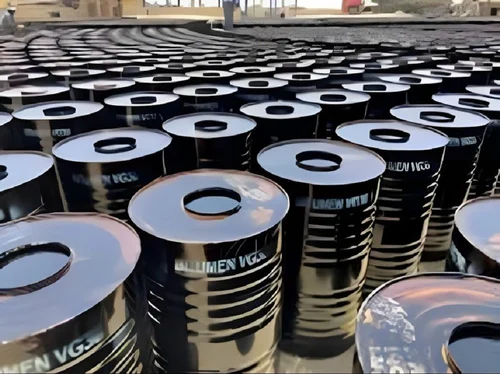
Which sustainable paving options are emerging in 2025?
Three trends dominate:
- Recycled asphalt pavement (RAP) blended with virgin mix to retain performance while cutting emissions.
- Warm‑mix asphalt, which lowers production temperatures and VOC output.
- Bio‑based binders and polymer‑modified bitumen, extending service life and reducing crack‑related waste.
Adopting these methods can shrink the ecological footprint of both road and roofing projects, aligning infrastructure with 2025’s climate targets.
For a deeper understanding of bitumen’s properties and applications, see What is Bitumen? A Complete Guide.
Ultimately, the choice between bitumen vs asphalt depends on specific project requirements and budgetary constraints. Understanding the nuances of each material – from their composition to their long-term durability – is paramount. As we look towards 2025, sustainable paving options are gaining traction. Contact Gulf Petro Vision L.L.C for expert guidance on selecting the optimal binder for your needs.