What is Bitumen? A Complete Guide
What is bitumen? It’s a sticky, black, highly viscous liquid or semi-solid form of petroleum. Often confused with asphalt, bitumen is a crucial component in road construction and numerous other applications. This comprehensive guide from Gulf Petro Vision will explore its composition, properties, uses, and future outlook, providing a detailed understanding for professionals and those simply curious about this essential material.
Bitumen is not a single chemical; it is a dense, viscous blend of thousands of hydrocarbon molecules that together give the material its unique stiffness, waterproofing, and adhesive qualities. Understanding the fundamental components and composition of bitumen is essential for engineers, architects, and manufacturers who must select the right grade for road construction, roofing, or emerging applications.

What is bitumen? How does its molecular makeup define its behavior?
The answer lies in the balance of three major fractions: asphaltenes, maltenes, and resins. These fractions arise from the complex breakdown of crude oil during refining and each contributes distinct bitumen properties such as viscosity, temperature susceptibility, and adhesive strength.
Which hydrocarbons make up bitumen and why do they matter?
Bitumen’s hydrocarbon structure can be divided into:
- Aliphatic chains (straight or branched) – provide flexibility.
- Aromatic rings – increase stiffness and resistance to deformation.
- Polar hetero‑atoms (sulfur, nitrogen, oxygen) – influence adhesion and aging.
The proportion of these molecules determines how the binder reacts under traffic loads or climatic cycles. For example, a higher aromatic content typically raises the material’s softening point, a key factor in “bitumen grades 2025” for high‑temperature pavements.

How is bitumen extracted from crude oil?
During refining, crude oil undergoes atmospheric and vacuum distillation. The heavy residues left after lighter fractions are removed become the feedstock for bitumen. Further processing—such as de‑asphalting, air blowing, or solvent extraction—adjusts the balance of asphaltenes and maltenes, tailoring the final product for specific uses.
Typical proportion of the three main fractions in a standard paving grade.
What roles do asphaltenes, maltenes, and resins play?
Asphaltenes are high‑molecular‑weight, polar compounds that create a rigid, glass‑like network, giving bitumen its high temperature stability. Maltenes—comprising saturates, aromatics, and naphthenes—act as a solvent matrix, providing flow and workability at lower temperatures. Resins sit between these extremes, enhancing adhesion and modifying the interaction between asphaltenes and maltenes, which is crucial for “bitumen for roofing” where waterproofing and flexibility must coexist.
Why does the source of crude oil affect the final product?
Crude oils differ in API gravity, sulfur content, and geographic origin. Heavy, high‑sulfur crudes yield bitumen with more asphaltenes and resins, resulting in a stiffer binder, while light, low‑sulfur crudes produce a softer maltene‑rich product. Engineers must therefore consider the feedstock when specifying a grade, because the same refining process can produce markedly different performance characteristics.

How does composition guide the choice of bitumen grade for road construction or roofing?
By analyzing the relative percentages of the three fractions, designers can match a grade to the intended application:
- High‑asphaltene blends for hot climates and heavy traffic (high permanent deformation resistance).
- Maltene‑dominant blends for colder regions (greater flexibility, lower cracking risk).
- Resin‑enhanced mixes for waterproof roofing membranes.
This compositional insight is the foundation of “bitumen testing methods” that evaluate viscosity, penetration, and softening point before deployment.
What distinguishes petroleum‑based binders from other binder types?
Petroleum‑based binders, such as conventional bitumen, derive directly from crude oil residues and inherit the hydrocarbon complexity described above. Alternative binders—like polymer‑modified bitumen, bio‑based binders, or mineral‐based adhesives—introduce external polymers, renewable oils, or inorganic matrices to alter performance. While these can improve specific traits (e.g., elasticity, sustainability), the baseline chemistry of petroleum‑based binders remains the benchmark for evaluating any modification.

What is bitumen? – The raw binder behind every road
Bitumen is a viscous, petroleum‑based binder extracted from crude oil during refining. Its chemistry is dominated by long‑chain hydrocarbons that give it excellent adhesion, water‑resistance, and flexibility at a wide range of temperatures. As the primary component of many road construction materials, bitumen’s properties—softening point, penetration, and viscosity—define how the final surface will behave under traffic loads and environmental stresses.
How does asphalt differ from this raw material?
While “bitumen” refers to the pure binder, “asphalt” (or “asphalt concrete”) is a composite mixture of bitumen and mineral aggregates such as sand, gravel, or crushed stone. The proportions of each ingredient vary: a dense‑graded mix might contain roughly 5‑7 % bitumen, 30 % fine aggregates, and 60‑65 % coarse aggregates. This blend transforms a fluid binder into a load‑bearing, durable pavement.
This chart shows the typical percentage breakdown of a dense‑graded asphalt mix.
What is the difference between “bitumen” and “asphalt” in everyday language?
Geographically, the term “bitumen” dominates in Europe, the Middle East, and Africa, while “asphalt” is the preferred word in North America and Australia. The confusion often leads people to treat them as interchangeable, but the distinction matters when specifying materials for a project. Selecting “bitumen” when a pre‑mixed “asphalt” is required can cause delays, and vice‑versa, especially in large‑scale municipal contracts.

Why do mix designs change with climate and traffic load?
In hot, arid regions, a higher‑grade binder (e.g., 70/100 pen) is used to resist rutting, while colder climates favor softer grades to prevent cracking. Traffic intensity also dictates aggregate gradation: heavily loaded highways benefit from stone‑on‑stone structures with high stiffness, whereas residential streets can employ more flexible mixes. Understanding bitumen grades 2025 projections helps engineers choose binders that balance high‑temperature stability with low‑temperature flexibility.
How are modern modification techniques reshaping durability and sustainability?
Polymer‑modified bitumen, crumb‑rubber additives, and bio‑based enhancers are now mainstream. These modifications improve resistance to fatigue, temperature swings, and oxidative aging, allowing thinner layers and lower overall material consumption. The result is a reduction in carbon footprint and longer service intervals—key objectives of the 2025 road‑infrastructure agenda.
| Lower cost | Higher initial expense |
| Standard performance | Enhanced fatigue resistance |
| Shorter lifespan in extreme climates | Extended lifespan and recyclability |
What are the practical implications for choosing the correct material?
When designing a highway in a high‑temperature desert, engineers may select a polymer‑modified binder (e.g., SBS‑modified) combined with a dense‑graded aggregate skeleton. For a suburban street with moderate traffic, a conventional bitumen‑asphalt mix using a 45/80 grade binder is often sufficient. Matching the material to the local environment and expected load ensures optimal performance, safety, and cost‑effectiveness.
Bitumen’s performance on the road, the roof, or in industrial applications hinges on a handful of measurable characteristics. Understanding these properties—how they are tested, how temperature shifts them, and how modern grading and modification systems tame them—gives engineers the confidence to select the right petroleum‑based binder for any project.

What is bitumen?
In simple terms, bitumen is a viscous, black mixture of hydrocarbons that remains after the lighter fractions of crude oil are distilled off. Its complex composition—comprising asphaltenes, resins, aromatics and saturates—provides the adhesive strength and water‑proofing qualities that make it indispensable in road construction materials, roofing membranes, and countless bitumen applications.
How do viscosity and penetration influence performance?
Viscosity measures a binder’s resistance to flow at a specified temperature, typically expressed in centistokes (cSt). A high‑viscosity grade remains stiff in hot climates, reducing the risk of rutting, while a low‑viscosity binder stays workable in cold regions, allowing easier placement.
Penetration, determined by the depth (in 0.1 mm units) a standard needle penetrates a bitumen sample under controlled load and temperature, gives a quick, relative indication of softness. The classic penetration test (ASTM D5) is still a cornerstone of bitumen testing methods.
Typical property values for a Performance Grade (PG) 64‑22 binder.
Why is the softening point critical for climate adaptation?
The softening point (Ring‑and‑Ball test, ASTM D36) marks the temperature at which bitumen softens enough to allow a steel ball to fall a set distance. A higher softening point indicates greater resistance to high‑temperature deformation—essential for hot‑climate highways—while a lower point helps maintain flexibility during cold winters, reducing cracking risk.

What does the Performance Grade (PG) system tell us about suitability?
Developed by the Asphalt Institute, the PG system pairs a high‑temperature grade (e.g., 64) with a low‑temperature grade (e.g., –22). This duo directly reflects the binder’s expected performance in a given climate range. Designers select a PG that meets both the summer rutting and winter cracking challenges of a specific site, ensuring the binder’s behavior aligns with the projected temperature envelope.
How does modification change bitumen properties?
Adding polymers (SBS, EVA), crumb rubber, or reactive modifiers adjusts key metrics:
- Viscosity increases, boosting high‑temperature stability.
- Ductility and elongation improve, enhancing crack resistance.
- Softening point shifts upward, extending the service window.
These changes are quantified through the same testing regime—penetration, ductility, flash point—allowing “bitumen modification” to be evaluated objectively against unmodified grades.

Which safety measures protect workers handling bitumen?
Because bitumen is a hot, petroleum‑based material, safety considerations are paramount:
PROS
- High flash point (>200 °C) reduces fire risk under normal handling.
- Availability of emulsified forms lowers temperature requirements.
CONS
- Potential skin burns from hot contact.
- Inhalation of fumes containing polycyclic aromatic hydrocarbons (PAHs).
Best practices include wearing heat‑resistant gloves, using ventilation or fume extraction, storing bitumen in insulated containers, and monitoring temperature to stay below the flash point. Proper training and personal protective equipment (PPE) turn a hazardous material into a manageable, high‑performance resource.
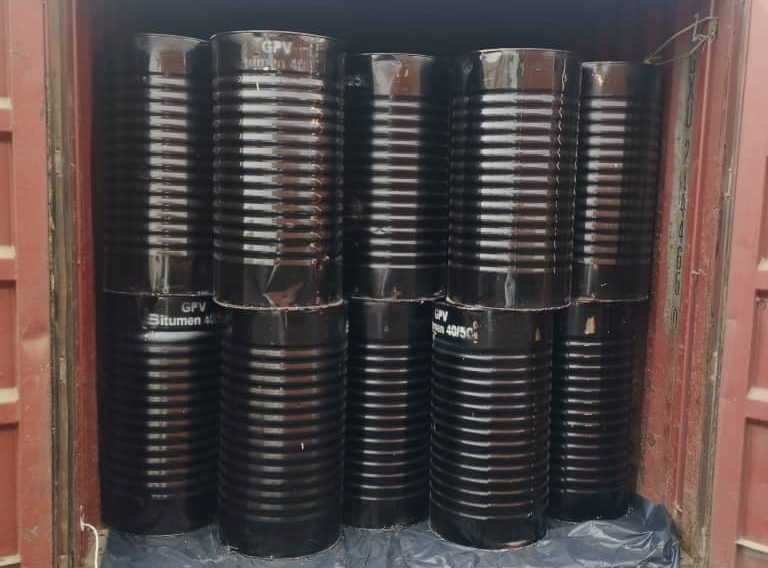
Bitumen’s reputation as the backbone of road construction often overshadows its remarkable versatility. From keeping rooftops dry to stabilising soils, this petroleum‑based binder delivers performance where water, temperature extremes, and mechanical stress are constant challenges. Understanding the breadth of bitumen’s applications helps engineers, architects, and sustainability planners choose the right material for each project.
What is bitumen? How does it fit beyond road paving?
At its core, bitumen is a complex mixture of high‑molecular hydrocarbons, typically derived from crude oil refining. Its viscous, adhesive nature, coupled with excellent water resistance, makes it ideal for a range of non‑pavement uses. While the term “asphalt” is often used interchangeably, what is asphalt vs bitumen is a subtle distinction: asphalt refers to the composite mixture of aggregates and bitumen, whereas bitumen alone is the binder that holds everything together.
Why is bitumen the go‑to material for roofing?
Roofing systems have relied on bitumen for decades due to its durability and flexibility. Three main roofing formats dominate the market:
- Built‑up roofing (BUR) – layers of bitumen and reinforcing fabrics create a seamless, long‑lasting membrane.
- Modified bitumen membranes – polymer‑enhanced bitumen improves tensile strength and UV resistance.
- Bitumen shingles – economical, easy to install, and recyclable at end‑of‑life.
These solutions benefit from the inherent water‑proofing and thermal stability of bitumen, making them suitable for residential, commercial, and industrial roofs alike.
How does bitumen protect structures through waterproofing?
Beyond roofs, bitumen excels in waterproofing critical infrastructure. Applications include:
- Dam and reservoir liners – continuous bitumen sheets prevent seepage, preserving water quality.
- Tunnel and underground facility membranes – the low permeability of bitumen shields against groundwater infiltration.
- Foundation and basement barriers – bitumen emulsions can be sprayed or rolled to form a crack‑resistant seal.
These uses leverage bitumen’s ability to adhere to diverse substrates while maintaining flexibility under soil movements.

What industrial roles does bitumen play in modern construction?
Industries exploit bitumen’s protective qualities in several ways:
- Pipe coatings – interior and exterior bitumen layers guard against corrosion and abrasion.
- Sealants and adhesives – hot‑applied or cold‑emulsion formulations bond components ranging from metal to concrete.
- Protective coatings for storage tanks and bulkheads – resisting chemical attack and temperature swings.
Distribution of major bitumen applications across sectors.
What benefits do bitumen emulsions bring to specific projects?
PROS
- Low‑temperature application reduces energy consumption.
- Improved workability on vertical surfaces and complex geometries.
- Enhanced adhesion to granular bases without heating.
CONS
- Requires precise water content control.
- Potential for premature setting in high humidity.
Emulsified bitumen is prized for slurry seals on low‑traffic roads, bonding of paving stones, and as a protective coat for earthworks.
Are emerging applications expanding bitumen’s role in infrastructure?
Researchers are exploring novel uses such as:
- Soundproofing panels – the dense, viscoelastic nature of modified bitumen attenuates vibration and noise.
- Soil stabilisation – mixing bitumen with fine aggregates creates a semi‑rigid layer that reduces settlement and increases load‑bearing capacity.
- Smart‑grid encapsulation – bitumen’s electrical insulating properties protect underground cables.
These innovations align with the push for resilient, multi‑functional materials in the bitumen in paving 2025 era, where sustainability and performance converge.
By extending beyond traditional road construction, bitumen demonstrates its status as a versatile, petroleum‑based binder capable of meeting the diverse demands of modern infrastructure. Its proven track record, coupled with ongoing research, ensures that bitumen will remain integral to building safer, longer‑lasting environments for decades to come.
What is bitumen? – Understanding the basic definition and composition
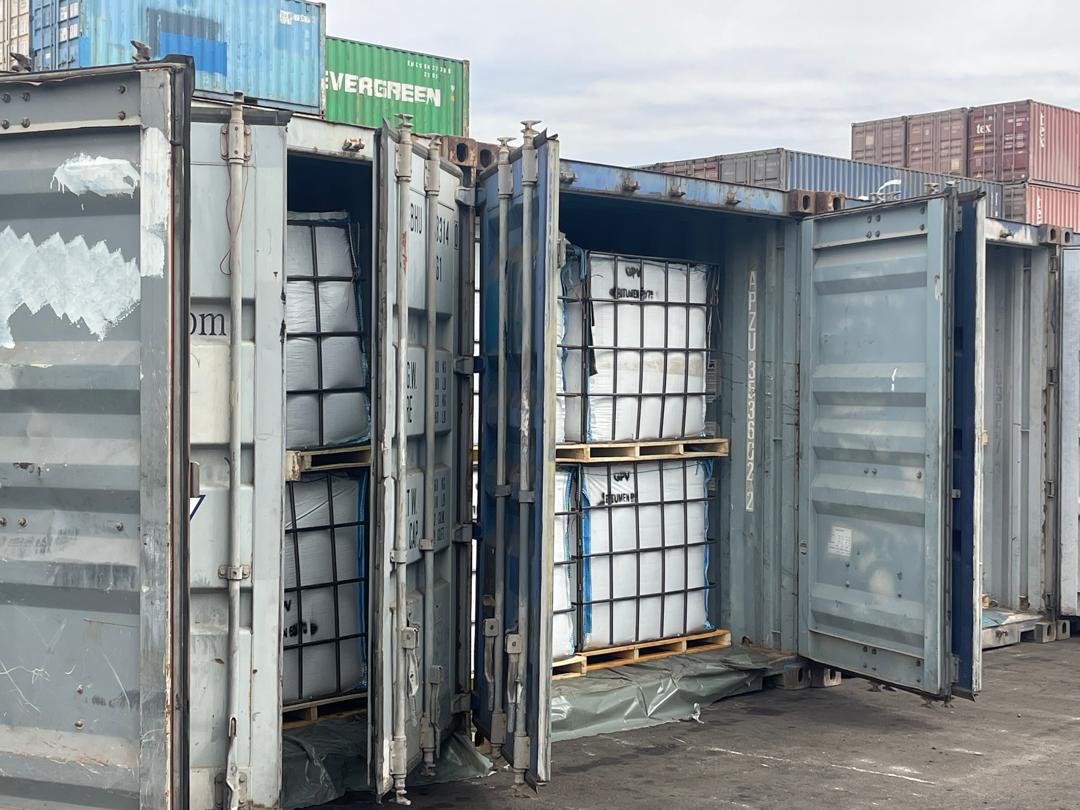
Bitumen is a viscous, petroleum‑based binder that results from the fractional distillation of crude oil. Its complex mixture of hydrocarbons gives it adhesive, waterproofing, and temperature‑sensitive properties that make it indispensable in road construction and roofing. In simple terms, bitumen is the “glue” that holds aggregates together, while its composition—ranging from saturated to aromatic fractions—determines the performance characteristics such as stiffness, ductility, and aging resistance.
How are the different types of bitumen classified?
Three primary production routes dominate the market:
- Straight‑run bitumen: Directly distilled from crude, it retains a broad molecular weight distribution and is the baseline for most traditional pavements.
- Vacuum residue bitumen: Extracted from the vacuum distillation tail, this type is richer in asphaltenes, offering higher softening points and better suitability for high‑temperature climates.
- Air‑blown bitumen: Produced by oxidizing vacuum residue with air, it achieves superior oxidative stability, making it ideal for extreme weather and heavy‑traffic applications.

Which grading systems determine bitumen performance?
Industry standards use several complementary grading methods:
- Penetration grading: Measures the depth (in tenths of a millimeter) a standard needle penetrates the bitumen at 25 °C, indicating softness (e.g., 40/50).
- Viscosity grading: Assesses flow resistance at 60 °C, expressed in centistokes (cSt), useful for mixing and compaction calculations.
- Performance grading (PG): Aligns binder behavior with climate data, expressed as PG xx‑yy (high‑temperature grade/low‑temperature grade). This is the most widely adopted system for modern highways.
What are the most common bitumen grades in 2025 and where are they used?
Typical grades include:
- PG 64‑22 (standard for temperate regions, used in urban roads).
- PG 76‑22 (high‑temperature grade for hot climates, common in Middle Eastern highways).
- PG 58‑28 (low‑temperature grade for cold climates, often in northern Europe).
- Grade 70/100 air‑blown bitumen (specialty for high‑load airport pavements).
- Polymer‑modified bitumen (PMB) such as SBS‑modified 10/30, delivering enhanced elasticity for bridge decks and noise‑reduction surfaces.
Distribution of bitumen applications by sector in 2025.
What trends are shaping bitumen grades for the future?
Climate change and rising traffic loads are driving three key trends:
- Higher temperature grades: PG 80‑28 and beyond are being introduced to withstand hotter pavement temperatures without rutting.
- Enhanced low‑temperature flexibility: Modified PG 45‑34 solutions address cracking in colder regions.
- Increased polymer and crumb‑rubber modification: These additives improve fatigue resistance and reduce the environmental footprint by recycling waste rubber.

How does Gulf Petro Vision support diverse industry needs?
Gulf Petro Vision (GPV) offers a full spectrum of bitumen products—from straight‑run to air‑blown and polymer‑modified variants—tailored to specific performance grades. Their state‑of‑the‑art blending facilities enable rapid formulation of custom PG grades, ensuring compliance with both local regulations and global standards. GPV’s commitment to rigorous testing and sustainable sourcing positions it as a reliable partner for infrastructure projects, roofing manufacturers, and specialty paving applications worldwide.
What is bitumen? How does modification change its behavior?
Bitumen, a viscous petroleum‑based binder, forms the core of modern road construction materials and roofing systems. Its natural bitumen properties—high adhesion, water‑resistance, and flexibility—make it indispensable, yet raw bitumen can become brittle in cold climates or overly soft under extreme heat. Engineers therefore modify bitumen to tailor its physical and chemical behaviour, enhancing durability, elasticity, and performance across a wide temperature spectrum.

Why are polymers such as SBS and SBR added to bitumen?
Polymer modification is the most prevalent technique to boost elasticity and crack resistance. Styrene‑Butadiene‑Styrene (SBS) creates a block‑copolymer network that behaves like a rubbery phase within the bitumen matrix, delivering superior stretchability and resilience. SBR (Styrene‑Butadiene Rubber) offers a comparable effect with slightly lower cost, improving fatigue life and reducing permanent deformation. The result is a composite that retains its shape under heavy traffic loads and resists thermal cracking.
How does crumb rubber from recycled tires contribute to sustainability?
Ground‑up tire crumb rubber acts as a sustainable modifier, recycling waste while enhancing bitumen’s impact resistance. The rubber particles swell in the bitumen, increasing its viscosity and providing a rubber‑like elasticity that helps absorb dynamic loads. This dual benefit reduces landfill waste and lowers the carbon footprint of road projects, aligning with circular‑economy goals.

What role do chemical additives play in bitumen modification?
Beyond polymers, chemical additives—such as anti‑oxidants, anti‑stripping agents, and fillers like lime or silica—fine‑tune bitumen characteristics. Anti‑oxidants retard ageing, preserving ductility over decades. Anti‑stripping agents improve adhesion between bitumen and aggregate, preventing moisture‑induced loss of bond. These additives collectively enhance bitumen safety and longevity under aggressive environmental conditions.
How does modification affect performance in extreme temperatures and heavy traffic?
Modified binders maintain higher softening points, allowing pavements to stay firm during scorching summers without rutting. In winter, the polymer network prevents the binder from becoming overly rigid, limiting thermal cracking. Under sustained heavy traffic, the enhanced visco‑elastic response distributes stresses more evenly, reducing fatigue cracks and extending the service life of the road surface.
Bar chart comparing performance gains of polymer‑modified bitumen versus unmodified binders.
What are the newest advancements in bitumen modification technology?
Recent research focuses on nano‑additives, such as graphene and nano‑clays, which create ultra‑fine reinforcement networks, further improving stiffness and resistance to moisture damage. Additionally, bio‑based polymers derived from lignin or algae are emerging as greener alternatives to traditional petro‑polymers. These innovations promise higher performance while reducing reliance on fossil‑derived inputs, paving the way for next‑generation, sustainable road construction.

How do these modifications support the longevity and sustainability of infrastructure?
By enhancing durability, modified bitumen reduces the frequency of resurfacing and reconstruction, conserving resources and lowering emissions associated with construction activities. The integration of recycled crumb rubber and bio‑polymers contributes to circular‑economy objectives, turning waste streams into valuable performance‑boosting ingredients. Ultimately, these advances in bitumen modification underscore a shift toward resilient, low‑impact infrastructure that meets the demands of growing traffic volumes and climate variability.
In conclusion, understanding what is bitumen is vital given its widespread applications, from paving roads to roofing and industrial uses. Its unique properties and adaptability make it an indispensable material in modern construction. Gulf Petro Vision remains committed to providing high-quality bitumen grades to meet evolving industry demands. Explore our range of products and contact us for your bitumen needs – let’s build a stronger future together.