Bitumen Production Process: A Complete Guide
Bitumen production process is fundamental to modern infrastructure, serving as the key binder in asphalt for roads, roofing, and various industrial applications. This article, brought to you by Gulf Petro Vision L.L.C, a leading Omani bitumen supplier, provides a comprehensive overview of the entire process, from crude oil to finished product, addressing current challenges and future trends.
The transformation of raw crude into a durable pavement binder involves a tightly sequenced set of operations. Understanding each step—from feedstock selection to final grading—allows plant engineers to optimize yield, meet ASTM/EN specifications, and minimise environmental footprints.
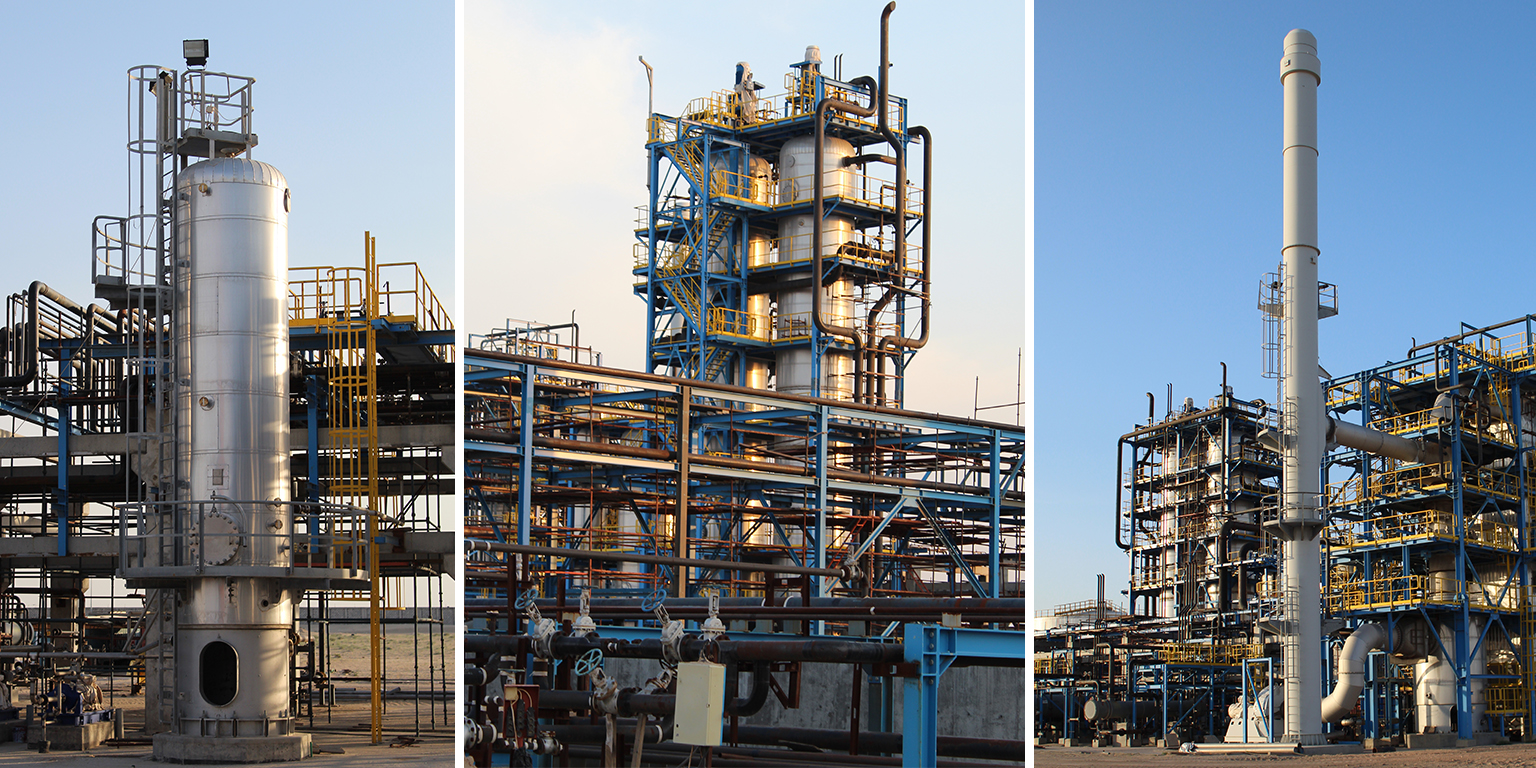
How does crude oil selection affect the bitumen production process?
Heavy, high‑asphaltene crudes provide greater bitumen yields, while light, sweet crudes generate more diesel and naphtha. Sulphur, metal content and wax levels dictate downstream energy demand and catalyst life. Selecting a feedstock aligned with the target grade (e.g., PG 64‑22 or penetration 60/70) reduces the need for extensive blowing or polymer modification.
What are the key distillation stages in the bitumen manufacturing stages?
Atmospheric distillation separates light fractions (C₅‑C₁₀) from the residue. The residue then enters a vacuum distillation column where pressure is lowered to 10–30 mbar, allowing further removal of vacuum gas oils and enhancing the purity of the remaining heavy oil. This vacuum residue becomes the primary feed for deasphalting and oxidation.
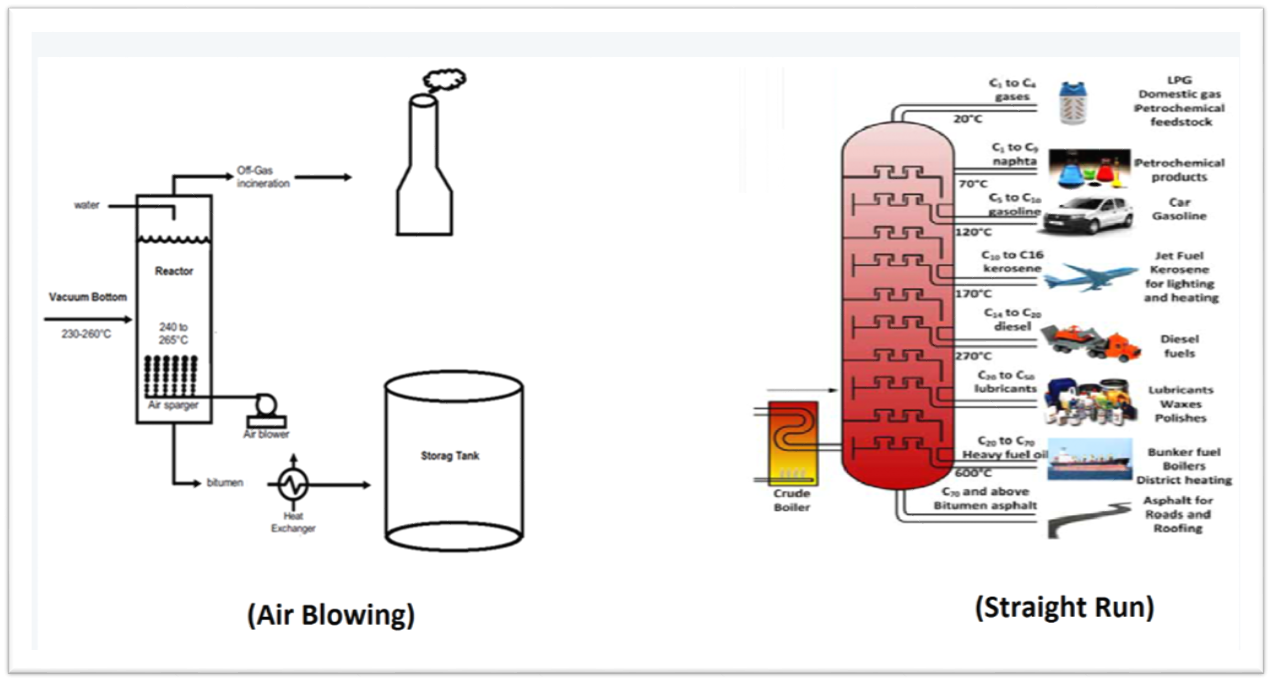
Why is solvent deasphalting essential before air blowing?
Using light aliphatic solvents (e.g., propane or butane) extracts most maltenes, leaving a deasphalted oil rich in asphaltenes. This step improves viscosity control during the subsequent air blowing/oxidation stage, where controlled introduction of oxygen at 200‑250 °C raises molecular weight and introduces polar functional groups, producing the final graded bitumen.
Which modification techniques tailor bitumen for specific performance needs?
Polymer modification (SBS, EVA), crumb‑rubber blending, and chemical additives (anti‑stripping agents) are applied post‑oxidation to achieve desired elasticity, fatigue resistance, or reduced temperature susceptibility. These techniques are critical for hot mix asphalt production and for meeting specialised EN 12591 grades.
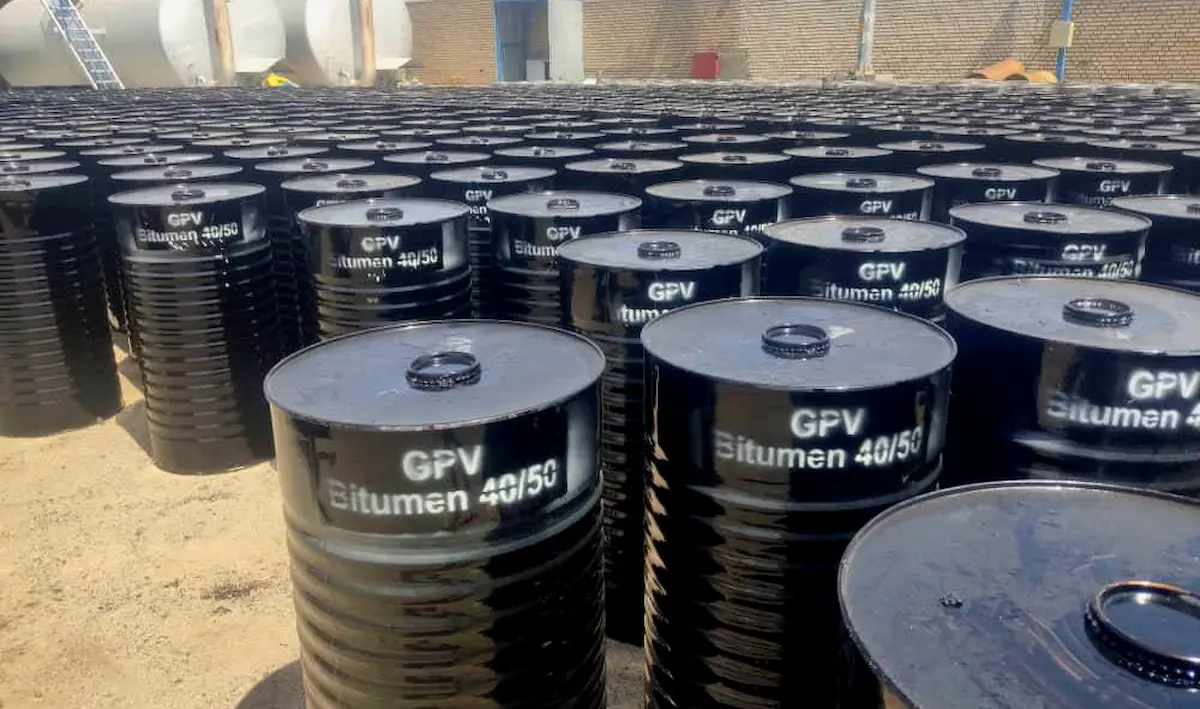
How is quality control maintained throughout the bitumen production process?
Sampling at each unit is tested against ASTM D946, D6370 and EN 12591 standards. Parameters—penetration, softening point, viscosity, and performance grade—are recorded in real‑time, enabling rapid corrective actions and ensuring consistent product quality.
What are the energy and environmental impacts of each stage?
Relative energy consumption across major process units.
Each unit emits CO₂ and VOCs; modern plants employ waste‑heat recovery and low‑NOₓ burners to mitigate impact, aligning with sustainable bitumen production 2025 goals.
Why is bitumen emulsion production vital for specialised applications?
Emulsions (cWMA) disperse bitumen in water with surfactants, allowing low‑temperature placement and rapid cure. They are essential for cold mix asphalt, bridge deck repairs, and environmentally sensitive zones where traditional hot mix would be impractical.
For a deeper dive into the fundamentals of the binder, consult What is Bitumen? A Complete Guide.
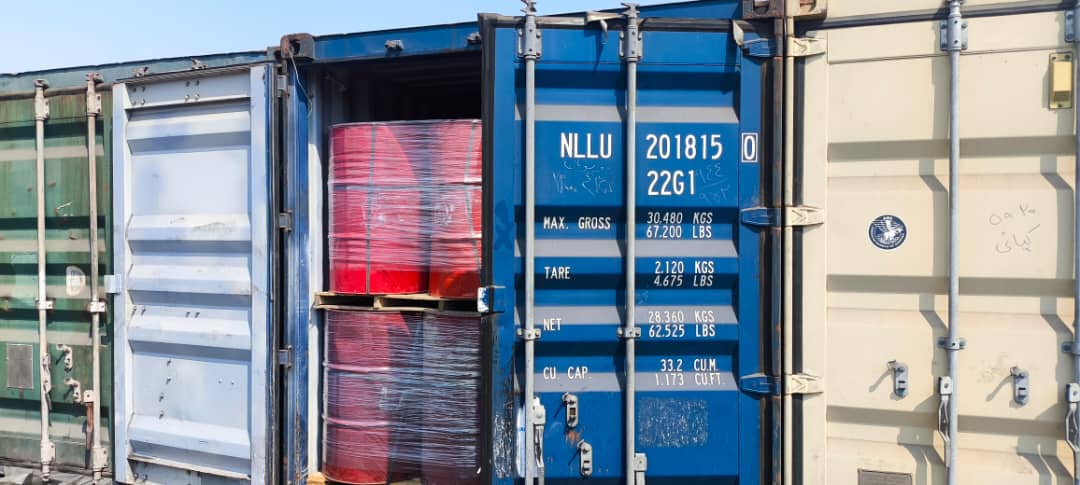
How Does the bitumen production process Influence Asphalt Production Methods?
The link between the refinery’s output and the paving plant is direct: every change in temperature, composition, or viscosity at the What is Bitumen? A Complete Guide stage reverberates through hot mix, warm mix, and cold mix operations. Understanding this cascade is essential for engineers seeking predictable performance and cost control.
What are the specific bitumen requirements for HMA, WMA, and CMA?
Hot Mix Asphalt (HMA) demands a binder with a high softening point and low penetration to sustain temperatures above 150 °C. Warm Mix Asphalt (WMA) tolerates a slightly lower softening point, allowing additives that reduce mixing temperature by 30–50 °C. Cold Mix Asphalt (CMA) relies on a bitumen emulsion or cut‑back binder with high penetration and low viscosity to flow at ambient temperature. Each method therefore imposes distinct quality thresholds on the refinery’s output.
How do viscosity, penetration, and softening point shape mix design?
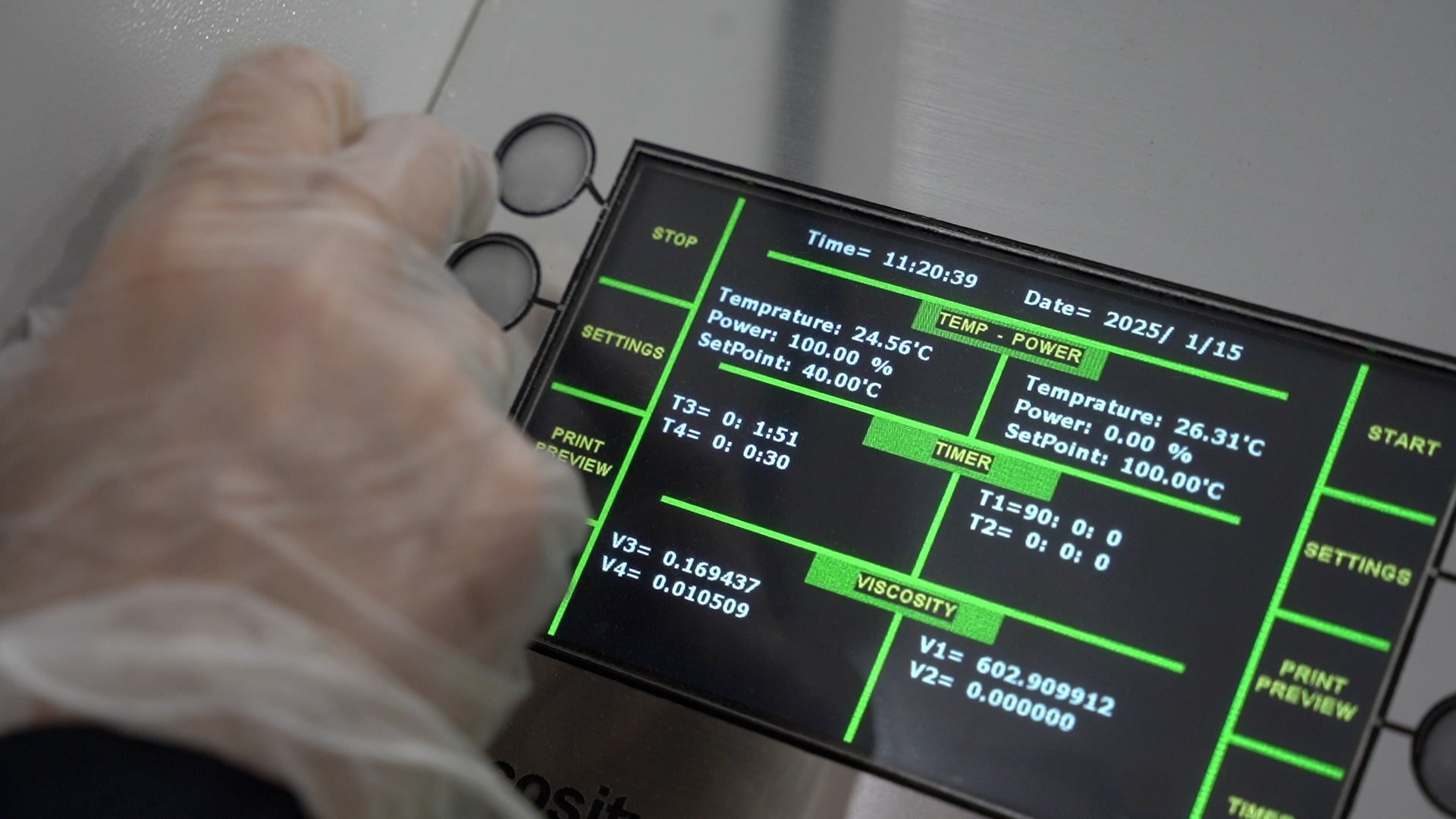
Viscosity controls plant dosage rates; high‑viscosity binders require longer mixing times, affecting plant throughput. Penetration (a 25 mm needle test) indicates softness; a 40–60 0.1 mm range is typical for HMA. The softening point, measured by the Ring‑And‑Ball test, predicts temperature susceptibility. Balancing these three parameters enables engineers to meet both performance specifications and production efficiency.
Can bitumen modification improve rutting resistance and fatigue life?
Performance boost achieved through common bitumen modification techniques.
Polymer modifiers (SBS, crumb‑rubber) raise the high‑temperature stiffness, reducing rutting, while elastomers improve fatigue life by enhancing low‑temperature flexibility.
What are the cost implications of different bitumen grades?
Premium modified binders increase material cost by 10–25 % but can lower life‑cycle expenses by extending pavement service life. Conversely, lower‑grade straight‑run bitumen reduces upfront spend but often requires more frequent resurfacing, eroding total cost advantage.
How is sustainable bitumen production 2025 reshaping the industry?
By 2025, refineries are integrating reclaimed asphalt pavement (RAP) and bio‑based additives into the bitumen refining process. Technologies such as oxidative de‑asphalting and solvent‑based recycling deliver a circular product stream, cutting greenhouse‑gas emissions and conserving crude oil. The challenge remains to maintain tight quality control across variable feedstocks while meeting the stringent performance criteria of modern asphalt production environments.

Why is the bitumen production process evolving?
The industry is shifting from batch‑type distillation to highly automated, digitally‑linked units. Real‑time data acquisition, predictive maintenance, and AI‑driven feedstock optimization cut cycle time by up to 15 % while meeting stricter emissions limits.
What drives innovation in bitumen manufacturing stages?
Regulatory pressure for lower VOCs, the rise of high‑performance asphalt grades, and the need to trim operating costs compel refiners to adopt advanced stripping columns, solvent‑enhanced deasphalting, and modular heat‑integration schemes.
How are emerging technologies reshaping crude oil to bitumen conversion?
Bio‑bitumen blends, produced from pyrolyzed agricultural residues, now account for 3–5 % of feedstock in pilot plants. Parallel trials with waste plastic depolymerisation provide a supplementary carbon‑neutral source, expanding the What is Bitumen? A Complete Guide narrative on sustainable pathways.
Typical cost distribution for a modern bitumen plant.
Which challenges threaten sustainable bitumen production 2025?
Feedstock volatility, geopolitical swings in crude pricing, and the carbon intensity of traditional cracking remain critical. Simultaneously, the sector must achieve a 20 % reduction in CO₂e by 2030 to align with international climate accords.
What strategies mitigate the environmental impact of bitumen refining?
Carbon capture and storage (CCS) modules integrated into condensate recovery loops can sequester up to 0.8 t CO₂ per barrel of output. Coupled with waste heat recovery, these measures shrink the plant’s carbon footprint by roughly 12 %.

How do bitumen plant operations ensure safety and efficiency?
Automated shutdown logic, lock‑out/tag‑out procedures, and continuous gas‑monitoring sensors create a safety‑first culture. Operational dashboards display key performance indicators (KPIs) such as viscosity consistency and batch yield in real time.
Why is rigorous bitumen quality control essential?
Adherence to ASTM D5 and EN 12591 standards guarantees that hot‑mix and cold‑mix asphalt meet design specifications. Inline viscometers, FTIR spectroscopy, and pilot‑mix trials verify modification techniques before bulk dispatch.

How does a bitumen production cost analysis guide investment decisions?
By breaking down expenses into raw materials, energy consumption, labor, and maintenance, stakeholders can model scenarios for feedstock substitution or process upgrades, ensuring optimal ROI while staying compliant with evolving regulations.
Understanding the intricacies of the bitumen production process is crucial for industry professionals seeking efficiency and sustainability. From refining techniques to quality control measures, optimizing each stage is paramount. As we look towards 2025 and beyond, Gulf Petro Vision remains committed to providing high-quality bitumen and insightful market analysis. Contact us today to discuss your specific needs.