Different grades of bitumen: A Complete Guide
Different grades of bitumen are essential components in road construction and infrastructure projects. Selecting the appropriate grade is crucial for pavement longevity and performance. At Gulf Petro Vision L.L.C, we specialize in supplying a comprehensive range of bitumen grades tailored to diverse industry needs, ensuring optimal results for every application. This guide provides a detailed overview.
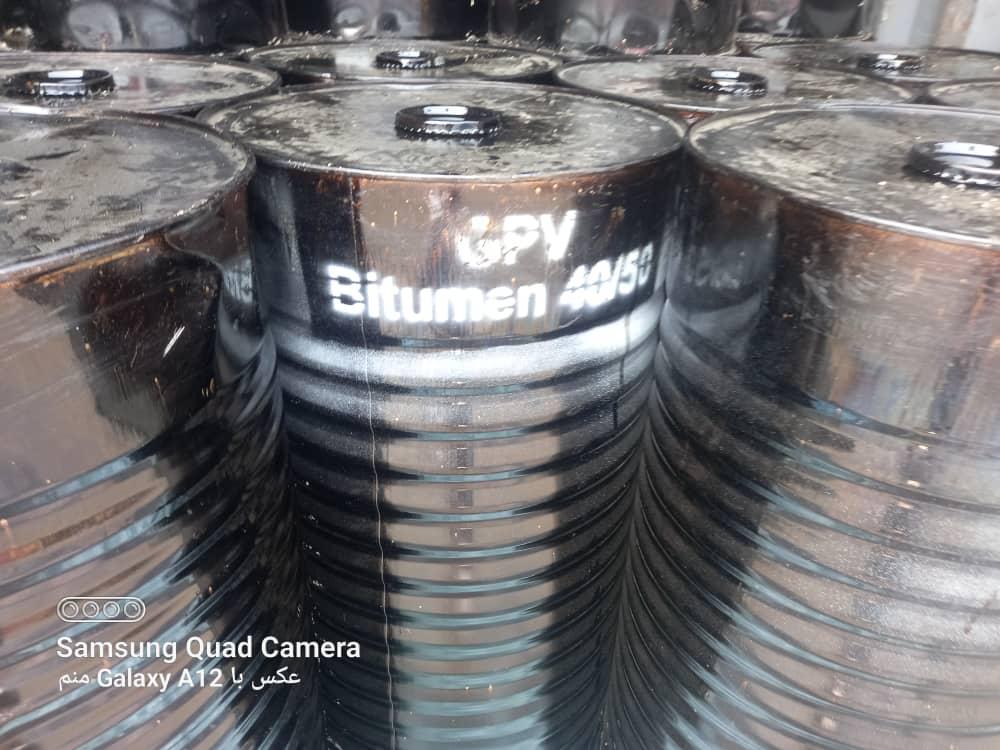
What physical and chemical characteristics define bitumen?
Bitumen’s behavior on a road surface is governed by four core properties: viscosity, penetration, softening point, and ductility. Viscosity measures resistance to flow and is temperature‑dependent, typically expressed in mm²/s at 60 °C (ASTM D217). Penetration gauges hardness by the depth (in 0.1 mm) a standard needle penetrates under a 100 g load for 5 seconds at 25 °C (ASTM D5). The softening point indicates the temperature at which the material transitions from rigid to semi‑fluid, determined by the Ring‑and‑Ball test (ASTM D36). Ductility reflects the material’s ability to stretch before breaking, measured in centimeters at 25 °C (ASTM D113). Together, these parameters form the basis of bitumen grades explained and dictate how the binder will perform under traffic loads and climatic variations.
How are viscosity, penetration, softening point, and ductility measured according to testing standards?
Key ASTM tests that quantify the four fundamental properties.
Why does the grading of bitumen based on penetration matter for road performance?
Penetration grades (e.g., 40/60, 80/100) are directly linked to hardness. A lower penetration number yields a harder binder suitable for hot climates where high temperatures could otherwise cause rutting. Conversely, higher penetration numbers produce softer binders ideal for cold regions, allowing the pavement to flex without cracking. The relationship between penetration and performance underlies the concept of viscosity grades of bitumen and informs the selection of asphalt binder grades for specific climate zones.
How do crude oil source and refining processes affect these fundamental properties?
Crude origin dictates the aromatic‑saturate balance of the resulting bitumen. Light, high‑API crudes generally yield softer binders with higher penetration values, while heavy, paraffinic crudes produce harder, high‑temperature‑resistant binders. Refining techniques such as vacuum distillation, deasphalting, and polymer modification further tailor viscosity and ductility. Polymer‑modified bitumen, for instance, dramatically raises the softening point while preserving ductility, expanding the range of modified bitumen applications in high‑traffic corridors.
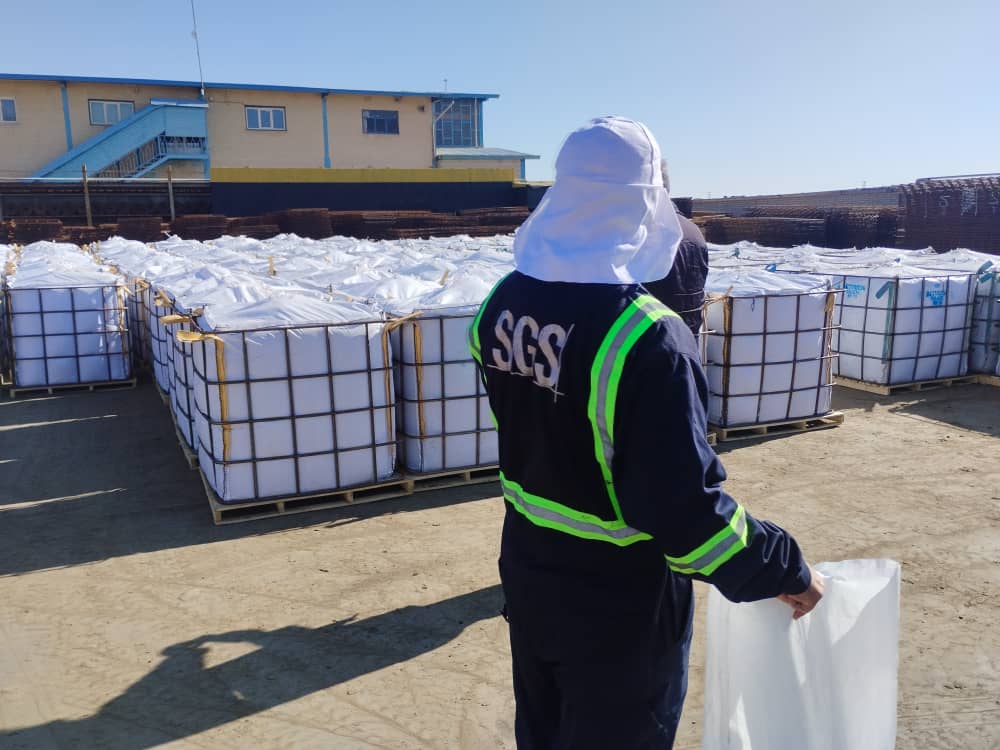
How can engineers use a bitumen specification chart to select the right grade for a project?
Specification charts compile the target ranges for viscosity, penetration, softening point, and ductility alongside the intended climate and traffic loading. By cross‑referencing project requirements with the chart, engineers can quickly narrow down the appropriate grade—whether it is a PG 64‑22 binder for moderate climates or a PG 76‑28 polymer‑modified mix for heavy freight routes. This systematic approach reduces trial‑and‑error and ensures compliance with regional road‑bitumen specifications.
What role does a bitumen specification chart play in grading and performance prediction?
The chart acts as a decision matrix, translating laboratory‑derived numbers into practical performance expectations. For example, a viscosity of 250 mm²/s at 60 °C correlates with reduced low‑temperature cracking risk, while a penetration of 45 0.1 mm aligns with higher rutting resistance. Engineers therefore rely on the chart not only for bitumen grade selection guide purposes but also for anticipating long‑term maintenance needs.
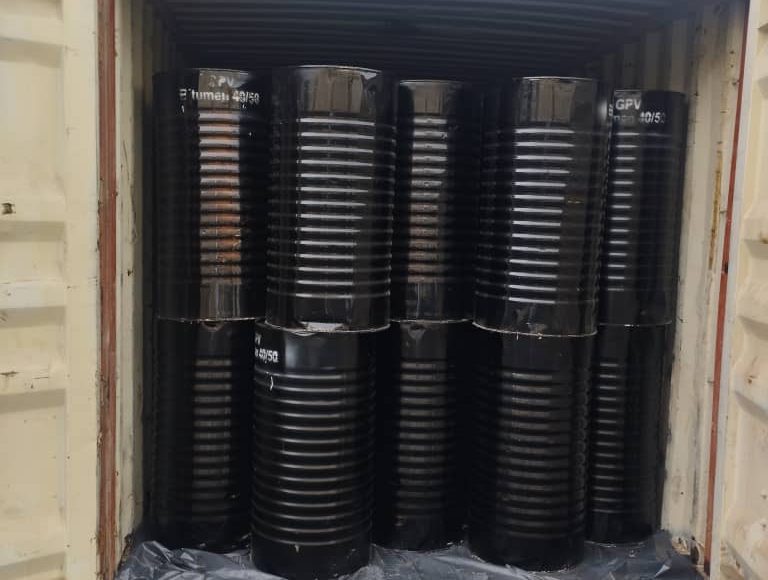
What is the traditional penetration grading system for bitumen?
The penetration test measures the depth (in tenths of a millimetre) that a standard needle penetrates a bitumen sample under a 100 g load at 25 °C for 5 seconds. The result, expressed as “Pen xxx”, where xxx is the penetration value, defines the bitumen’s softness or hardness. Typical penetration grades range from Pen 10 (very hard) to Pen 200 (very soft). This system has been the cornerstone of bitumen specifications for decades and is still referenced in many national standards.
How does penetration value correlate to consistency and temperature susceptibility?
A higher penetration number indicates a softer binder, which remains more flexible at low temperatures but tends to become overly fluid at high service temperatures. Conversely, a low penetration grade (e.g., Pen 10–40) provides higher stiffness, offering better resistance to rutting in hot climates but may become brittle in cold environments. Engineers therefore select a penetration grade that balances the expected temperature spectrum of the pavement.

How does the viscosity grading system differ from penetration grading?
Viscosity grading evaluates the binder’s resistance to flow by measuring its kinematic viscosity (mm²/s) at a specified temperature, most commonly at 60 °C for unmodified bitumen. The result is reported as “V xxx”, where xxx denotes the viscosity range (e.g., V 150–250). Unlike penetration, viscosity directly reflects the binder’s performance under real‑time temperature conditions, making it suitable for high‑temperature pavements and polymer‑modified binders.
What are the advantages and disadvantages of penetration versus viscosity grading?
PROS
- Penetration test is simple, inexpensive, and widely understood.
- Viscosity provides a direct link to high‑temperature performance.
- Viscosity measurements accommodate modified bitumen blends.
CONS
- Penetration does not capture temperature‑dependent flow behaviour.
- Viscosity testing requires precise temperature control and sophisticated equipment.
- Both methods alone may overlook low‑temperature cracking potential.
Different grades of bitumen: How do penetration and viscosity grades compare for typical road applications?
Below is a practical comparison that aligns common penetration and viscosity grades with their preferred uses in the Gulf region and beyond.
The bar chart illustrates the suitability rating for different penetration/viscosity grades across common climatic scenarios.
How are these grading systems incorporated into road bitumen specifications?
Project specifications typically reference a bitumen grade selection guide that lists acceptable penetration or viscosity ranges, accompanied by performance‑based clauses such as “PG 2025” for polymer‑modified binders. The specification may require a minimum penetration (e.g., Pen 40) for cold‑climate highways or a maximum viscosity (e.g., V 500) for hot‑climate inter‑urban roads. Test standards—ASTM D5 for penetration and ASTM D4402 for viscosity—ensure uniformity across batches, enabling engineers to meet the bitumen specification chart requirements reliably.
By understanding both grading methodologies, civil engineers can confidently select the appropriate binder, control temperature susceptibility, and achieve long‑lasting pavement performance under the diverse conditions encountered across the Gulf and worldwide.

Why is the industry moving from penetration and viscosity grades to Performance Grades (PG)?
For decades road designers relied on grading of bitumen based on penetration and viscosity grades of bitumen to select binders. Those methods describe a material’s softness at a single temperature, offering little insight into how the binder will behave over the life of a pavement exposed to seasonal thermal swings. As projects grew in scale across the Gulf’s hot summers and occasional cold snaps, engineers demanded a more predictive approach. The Performance Grade (PG) system answers that demand by linking laboratory‑derived properties to real‑world performance criteria such as rutting resistance, low‑temperature cracking, and long‑term aging.
How do Different grades of bitumen compare under the PG system?
The Superpave PG framework evaluates a binder at two temperatures: a high temperature that reflect the hottest expected service condition and a low temperature that safeguards against thermal cracking. By testing the binder’s rheology at these extremes, the PG designation directly tells you whether a particular grade is suitable for a specific climate. This shift from bitumen grades explained to performance‑oriented grading has standardized specifications across Gulf states, simplifying procurement and ensuring consistent pavement quality.

How does the Superpave PG system predict pavement performance in diverse climates?
Superpave (Superior Performing Asphalt Pavement) uses a suite of tests—Dynamic Shear Rheometer (DSR) at the high temperature and Bending Beam Rheometer (BBR) at the low temperature—to quantify stiffness, elasticity, and relaxation. The results are plotted against climate data, producing a performance envelope that forecasts rut depth, fatigue life, and thermal cracking potential. Engineers can therefore select a binder that meets the design’s performance targets rather than merely matching a penetration number.
What does a PG notation such as PG 64‑22 actually mean?
In the PG 64‑22 label, “64” represents the maximum service temperature in degrees Celsius at which the binder will resist permanent deformation (rutting). The “22” denotes the minimum temperature in degrees Celsius below which the binder may become too brittle and crack. A PG 64‑22 binder therefore contracts a performance window from 22 °C to 64 °C, making it appropriate for most Gulf highways where summer peaks near 50 °C and winter lows rarely drop below 5 °C.
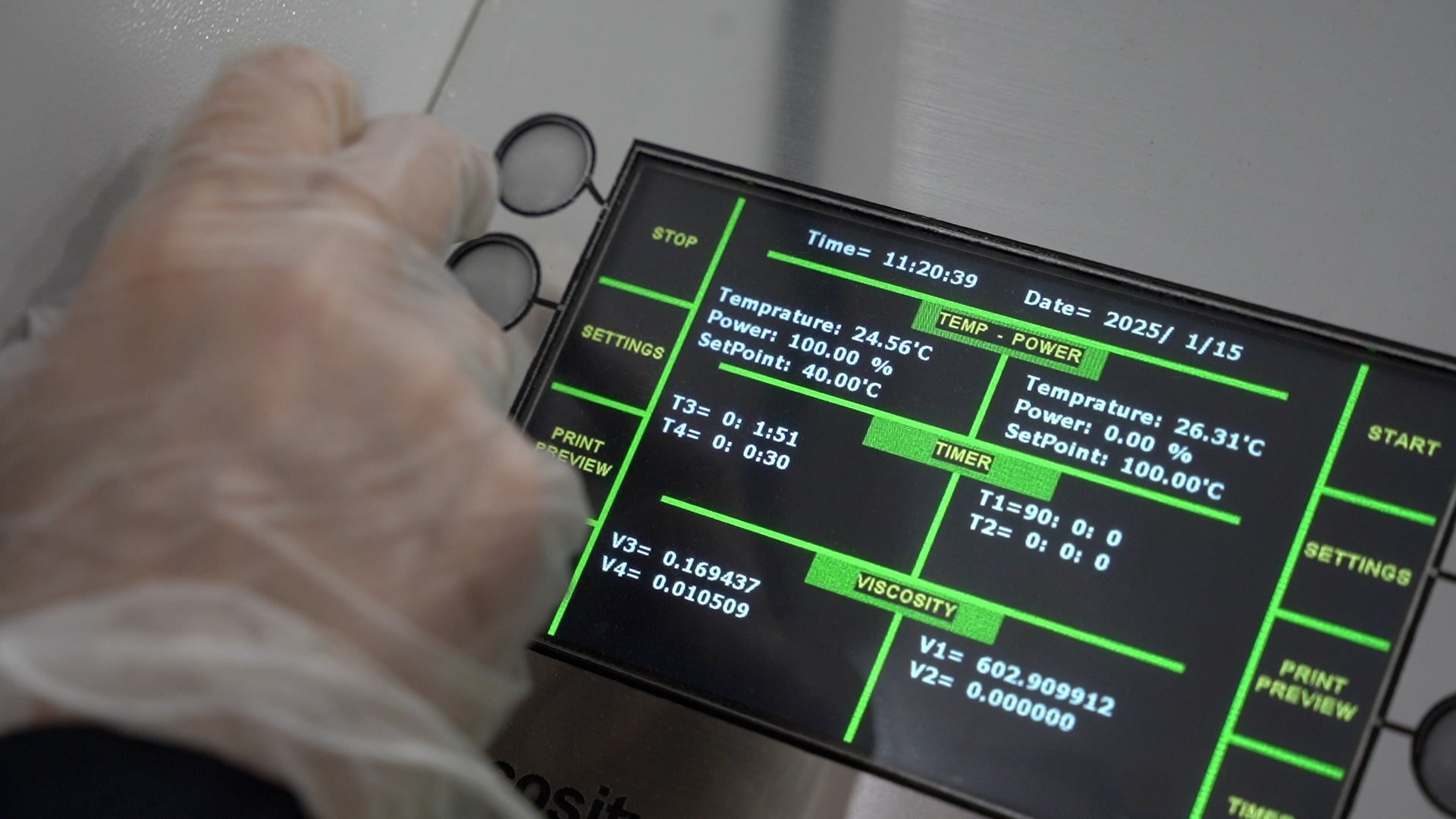
Why is long‑term aging and RTFO testing crucial in the PG framework?
Bitumen hardens over time due to oxidative aging, compromising flexibility. The Rolling Thin Film Oven (RTFO) test simulates short‑term aging that occurs during mixing and placement, while the Pressure Aging Vessel (PAV) mimics long‑term field aging. PG ratings are assigned after RTFO conditioning, ensuring that the binder’s high‑temperature modulus and low‑temperature stiffness remain within acceptable limits throughout its service life.
Illustrative share of common PG grades used in Gulf road projects.
What advancements are expected for bitumen performance grades 2025 and beyond?
Research is already exploring PG extensions beyond the traditional 70 °C high limit to address ultra‑high‑temperature surfacing, as well as lower low‑temperature limits for high‑altitude routes. Anticipated new specifications may incorporate polymer‑modified binders and nano‑additives directly into the PG label, creating hybrid grades such as “PG 70‑34‑PM” that certify both temperature performance and modified‑binder characteristics. These emerging standards aim to reduce the need for separate “modified bitumen applications” notes, streamlining the bitumen grade selection guide for designers.
When highways traverse the Gulf’s scorching summers and the occasional winter chill, the binder’s ability to stay flexible yet strong becomes a decisive factor. Extreme temperature environments test the limits of conventional bitumen, demanding a nuanced selection of grades and, often, polymer modification to ensure long‑term pavement performance.
What challenges do extreme temperatures pose for bitumen performance?
In sub‑zero conditions, low‑temperature cracking emerges as the primary distress, driven by the binder’s reduced ductility. Conversely, temperatures above 60 °C accelerate softening, leading to permanent deformation (rutting) under traffic loads. These opposing failure modes require engineers to balance stiffness and flexibility through careful bitumen grade selection and additive strategies.
How do Different grades of bitumen affect performance in hot and cold climates?
Harder grades—characterised by higher penetration values (e.g., 30/40) and greater viscosity—retain structural integrity in hot weather, resisting shear. Softer grades—such as 160/220—exhibit lower penetration numbers, providing the pliability needed to absorb thermal contraction without cracking. The grading of bitumen based on penetration and the corresponding viscosity grades of bitumen form the backbone of the bitumen grade selection guide used across Gulf projects.
This bar chart illustrates how a harder grade maintains higher rutting resistance as temperature rises.
Why are softer grades preferred in cold regions to prevent cracking?
Softer binders lower the modulus at low temperatures, allowing the pavement to expand and contract without generating high tensile stresses. The bitumen grades explained in many Gulf specifications recommend a penetration range of 120/160 for mountainous or desert‑edge routes where winter lows can breach ‑5 °C. Incorporating a bitumen for cold climates approach often involves using a 10/20 grade as a base and blending in a polymer modifier.
What makes harder grades essential for hot environments to resist rutting?
In high‑heat zones, a high‑viscosity binder (e.g., 30/40) maintains a higher softening point, limiting flow under the repeated axle loads of heavy traffic. The road bitumen specifications in Saudi Arabia and UAE frequently mandate a minimum penetration of 30/40 for highways with average summer temperatures exceeding 45 °C, ensuring the pavement structure stays intact over its design life.
How does polymer modification improve bitumen for both extremes?
Polymer‑modified bitumen (PMB) introduces elastomeric networks that enhance both low‑temperature flexibility and high‑temperature stiffness. The most common modifications include:
- Styrene‑Butadiene‑Styrene (SBS) – excels in cold climates by raising the low‑temperature ductility while slightly increasing the softening point.
- Elastomers such as crumb rubber or ethylene‑vinyl acetate (EVA) – boost rutting resistance in hot climates.
SBS‑modified bitumen has become the de‑facto solution for high‑traffic roads that cross temperature gradients, providing a balanced performance envelope without the need for separate binders.

Which specific grades are recommended for cold climates?
- Base grade: 120/160 penetration, 45–55 °C softening point.
- Modification: 5–7 % SBS polymer to achieve a penetration‑grade equivalent of 160/220 at service temperature.
- Typical application: Mountain passes, coastal highways with winter lows.
Which specific grades are recommended for hot climates?
- Base grade: 30/40 penetration, 55–65 °C softening point.
- Modification: 4–6 % SBS or crumb‑rubber polymer to raise the high‑temperature grade to a Performance Grade (PG) 76‑22.
- Typical application: Desert expressways, airport runways, heavy‑load freight corridors.
In the Gulf region, the choice of binder is as critical as the aggregate blend. Understanding the Different grades of bitumen allows engineers to match material behavior with traffic intensity, climate exposure, and pavement design. This chapter decodes the four principal families—conventional, cut‑back, emulsion, and modified—highlighting composition, performance, and selection criteria.

What are the different grades of bitumen used in road construction?
Bitumen grades are defined by penetration, viscosity, and polymer content. Conventional binders are classified by penetration (e.g., 40/60) or viscosity grades (e.g., 10/30). Cut‑back bitumen incorporates a light petroleum solvent to lower viscosity for cold applications. Emulsion bitumen is a water‑based mixture, stabilised with emulsifiers, that can be placed at ambient temperatures. Modified bitumen includes polymers (SBS, crumb rubber) or additives that enhance elasticity and temperature susceptibility. These categories form the backbone of bitumen grades explained and guide the bitumen specification chart used by Gulf agencies.
How does conventional bitumen differ from modified bitumen?
Conventional bitumen is a refined petroleum product with a defined softening point and penetration value. Its performance declines at extreme temperatures, leading to rutting in hot climates and cracking in cold regions. Modified bitumen, by contrast, blends polymers or elastomers to create a binder with higher stiffness at high temperatures and improved flexibility at low temperatures. This makes it suitable for heavy‑traffic highways and for “bitumen for hot climates” where thermal cracking is a concern.
PROS
- Higher resistance to permanent deformation.
- Improved fatigue life under repetitive loads.
CONS
- Higher material cost.
- Requires careful temperature control during mixing.
When should cut‑back bitumen be selected for a project?
Cut‑back bitumen is employed where hot‑mix facilities are unavailable or where rapid work is needed in cold seasons. The solvent lowers viscosity, allowing placement without reheating. However, it releases volatile organic compounds (VOCs) during curing, raising environmental concerns. Its use is generally limited to low‑traffic rural roads, temporary repairs, or paving in remote locations where logistics dominate.

Why choose emulsion bitumen for cold‑climate paving?
Emulsion bitumen offers a “cold‑mix” solution, ideal for “bitumen for cold climates” and for surface treatments such as chip seals and tack coats. The water‑based carrier permits easy handling, reduced energy consumption, and lower emissions. Performance depends on the stability of the emulsion; a broken emulsion can lead to premature stripping. Proper storage and application temperature control are essential.
How can I use a chart to compare the performance of each bitumen type?
What guidelines help in selecting the right bitumen for paving?
The selection process follows a structured bitumen grade selection guide:
- Assess traffic volume and axle load – heavy traffic favors modified or high‑viscosity grades.
- Identify climate zone – hot‑climate roads require binders with higher softening points; cold‑climate applications may benefit from emulsion or polymer‑modified grades.
- Determine pavement type – surface treatments, tillage layers, or structural layers each have distinct binder demands.
- Consider environmental regulations – limit cut‑back usage where VOC emissions are restricted.
By aligning these criteria with the asphalt binder grades and the relevant bitumen testing standards, engineers can achieve optimal durability, cost‑effectiveness, and sustainability for Gulf road networks.
Choosing the appropriate bitumen grade is not a cosmetic decision; it directly governs how a pavement behaves under traffic loads, temperature swings, and aging. When the selected grade aligns with the climate, traffic intensity, and structural design, the pavement can sustain its integrity for decades. Conversely, a mismatch accelerates cracking, rutting, and fatigue, inflating life‑cycle costs through frequent maintenance and premature resurfacing.
How do Different grades of bitumen affect long‑term pavement performance?
Bitumen grades are defined by penetration, viscosity, and performance‑based criteria such as the bitumen performance grades 2025. Soft grades (high penetration, low viscosity) remain flexible in cold weather, reducing thermal cracking but tend to flow under heavy loads, leading to rutting. Hard grades (low penetration, high viscosity) resist deformation at high temperatures, yet become brittle in low temperatures, making them prone to low‑temperature cracking. The balance between stiffness and flexibility determines the pavement’s fatigue life under repeated traffic stressing.
Typical distress incidence for incorrectly graded bitumen in mixed climates.
What happens when the grade selection is improper?
An underspecified binder in a hot climate rapidly softens, creating permanent deformations that manifest as rutting within months. In a cold region, using a hard grade can produce transverse and longitudinal cracks as soon as temperatures dip below the binder’s glass transition point. Both scenarios trigger early maintenance cycles—crack sealing, milling, and overlay—escalating the road bitumen specifications budget by 30‑50 % over the design life.
Why is regular pavement monitoring essential for bitumen‑related issues?
Continuous performance tracking—through visual surveys, falling weight deflectometer (FWD) tests, and pavement‑condition indices—identifies the onset of binder‑related distress before it propagates. Early intervention, such as surface rejuvenators or targeted milling, preserves the pavement structure and avoids costly full‑depth reconstruction.

How does a bitumen grade selection guide minimize life‑cycle costs?
The guide synthesizes bitumen testing standards, climate data, and traffic projections into a decision matrix. By aligning the grading of bitumen based on penetration and viscosity grades of bitumen with project‑specific requirements, engineers can select the optimal binder that delivers the lowest total cost of ownership. The result is a pavement that meets performance targets while limiting the frequency and scope of maintenance interventions.
| Better low‑temp flexibility | Higher high‑temp stiffness |
| Higher rutting risk | Higher cracking risk |
| Ideal for cold climates | Ideal for hot climates |
What role do asphalt binder grades play in overall pavement durability?
Modern specifications classify binders by performance grades (PG) that incorporate temperature and loading parameters. Selecting a binder whose PG range envelops the site’s extreme temperatures ensures that the pavement remains within acceptable stiffness limits throughout its service life. Combined with appropriate additives—polymer modifiers or fibers—the binder can further enhance resistance to fatigue and thermal cracking, extending the pavement’s design life by 10‑15 %.
In summary, a disciplined approach to selecting the right bitumen for paving, backed by a robust grade selection guide and ongoing performance monitoring, provides the most effective defense against premature distress. The resulting reduction in maintenance frequency and cost solidifies the pavement’s long‑term reliability, delivering value for both investors and road users.
Understanding the nuances of different grades of bitumen is paramount for successful road construction. From penetration testing to performance grading, selecting the right asphalt binder is a complex process. Gulf Petro Vision L.L.C remains dedicated to providing expert guidance and high-quality bitumen products. Contact us today to discuss your project requirements and ensure lasting pavement performance.