Bitumen Flexitank Loading: A Complete Guide
Bitumen Flexitank Loading is a crucial aspect of bitumen logistics, demanding meticulous attention to safety and efficiency. Gulf Petro Vision L.L.C understands the complexities involved in transporting this vital petrochemical feedstock. This guide provides a comprehensive overview of procedures, regulations, and best practices for successful and secure flexitank loading operations, ensuring product integrity and operational safety.
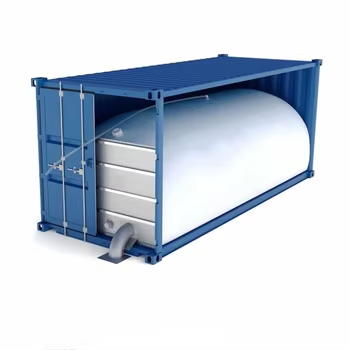
What are the essential steps in preparing a flexitank for Bitumen Flexetank Loading?
Before any bitumen reaches the vessel, the flexitank must pass a rigorous preparation routine. Start with a visual inspection for tears, bulges, or compromised seams. Verify that the tank’s material‑type matches the bitumen grade—typically a high‑density polyethylene liner is required for 350 °C+ grades. Once integrity is confirmed, proceed to thorough cleaning (solvent‑based if residue is present) and, when mandated by the carrier, sterilization using approved chemical agents.
How do you conduct the pre‑loading inspection checklist?
- Flexitank outer fabric condition – no cuts or abrasions.
- Liner integrity – pressure test at 1.5 × rated pressure.
- Valve operation – smooth opening, no leaks, proper torque.
- Securing mechanisms – straps, lashing points inspected.
- Pressure monitoring device calibrated.
- Temperature sensor placement verified.
All items are documented on the Flexitank Preparation Form, which must be signed by the loading supervisor and the quality assurance officer.
Why is nitrogen purging critical during bitumen flexitank filling procedures?
Introducing inert nitrogen displaces oxygen, reducing oxidative aging that can alter viscosity and color. A typical purge rate of 0.2 Nm³/min for 10 minutes creates a protective blanket, especially important for high‑grade bitumen destined for long‑haul logistics.
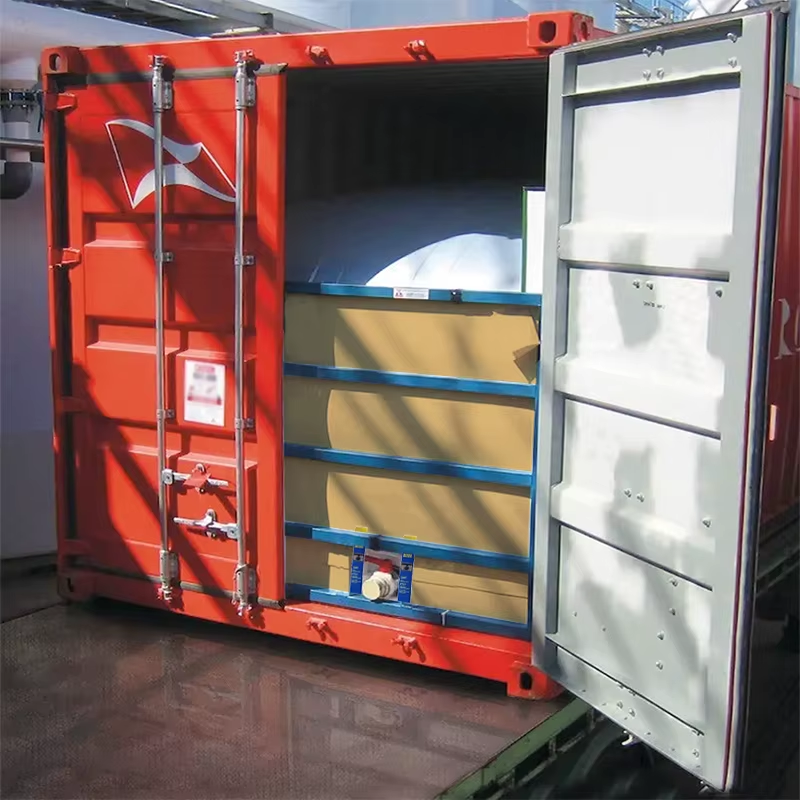
How should temperature be managed to meet flexitank loading temperature requirements for bitumen?
Maintain the bitumen within the 350 °C ± 5 °C window throughout filling. Use insulated hoses and pre‑heated pumps; monitor with a dual‑sensor system linked to the tank’s pressure gauge. If temperature drifts, pause loading and re‑heat the product to avoid premature solidification.
What documentation is required for safe bitumen flexitank loading in 2026?
Regulatory compliance demands a complete packet: preparation checklist, pressure test report, nitrogen purge log, temperature trace chart, and the carrier’s loading manifest. These records must be retained for 24 months and be available for audit by the Ministry of Oil and Gas.
Chart comparing pump capacities for typical bitumen grades.
For a broader view on compatible packaging, see our article on advanced bitumen packaging strategies. Following this flexitank bitumen loading checklist ensures both safety and product integrity, aligning with the latest 2026 regulations.
What are the essential steps in preparing a flexitank for Bitumen Flexetank Loading?
Before any bitumen reaches the vessel, the flexitank must pass a rigorous preparation routine. Start with a visual inspection for tears, bulges, or compromised seams. Verify that the tank’s material‑type matches the bitumen grade—typically a high‑density polyethylene liner is required for 350 °C+ grades. Once integrity is confirmed, proceed to thorough cleaning (solvent‑based if residue is present) and, when mandated by the carrier, sterilization using approved chemical agents.
How do you conduct the pre‑loading inspection checklist?
- Flexitank outer fabric condition – no cuts or abrasions.
- Liner integrity – pressure test at 1.5 × rated pressure.
- Valve operation – smooth opening, no leaks, proper torque.
- Securing mechanisms – straps, lashing points inspected.
- Pressure monitoring device calibrated.
- Temperature sensor placement verified.
All items are documented on the Flexitank Preparation Form, which must be signed by the loading supervisor and the quality assurance officer.
Why is nitrogen purging critical during bitumen flexitank filling procedures?
Introducing inert nitrogen displaces oxygen, reducing oxidative aging that can alter viscosity and color. A typical purge rate of 0.2 Nm³/min for 10 minutes creates a protective blanket, especially important for high‑grade bitumen destined for long‑haul logistics.
How should temperature be managed to meet flexitank loading temperature requirements for bitumen?
Maintain the bitumen within the 350 °C ± 5 °C window throughout filling. Use insulated hoses and pre‑heated pumps; monitor with a dual‑sensor system linked to the tank’s pressure gauge. If temperature drifts, pause loading and re‑heat the product to avoid premature solidification.
What documentation is required for safe bitumen flexitank loading in 2026?
Regulatory compliance demands a complete packet: preparation checklist, pressure test report, nitrogen purge log, temperature trace chart, and the carrier’s loading manifest. These records must be retained for 24 months and be available for audit by the Ministry of Oil and Gas.
Chart comparing pump capacities for typical bitumen grades.
For a broader view on compatible packaging, see our article on advanced bitumen packaging strategies. Following this flexitank bitumen loading checklist ensures both safety and product integrity, aligning with the latest 2026 regulations.
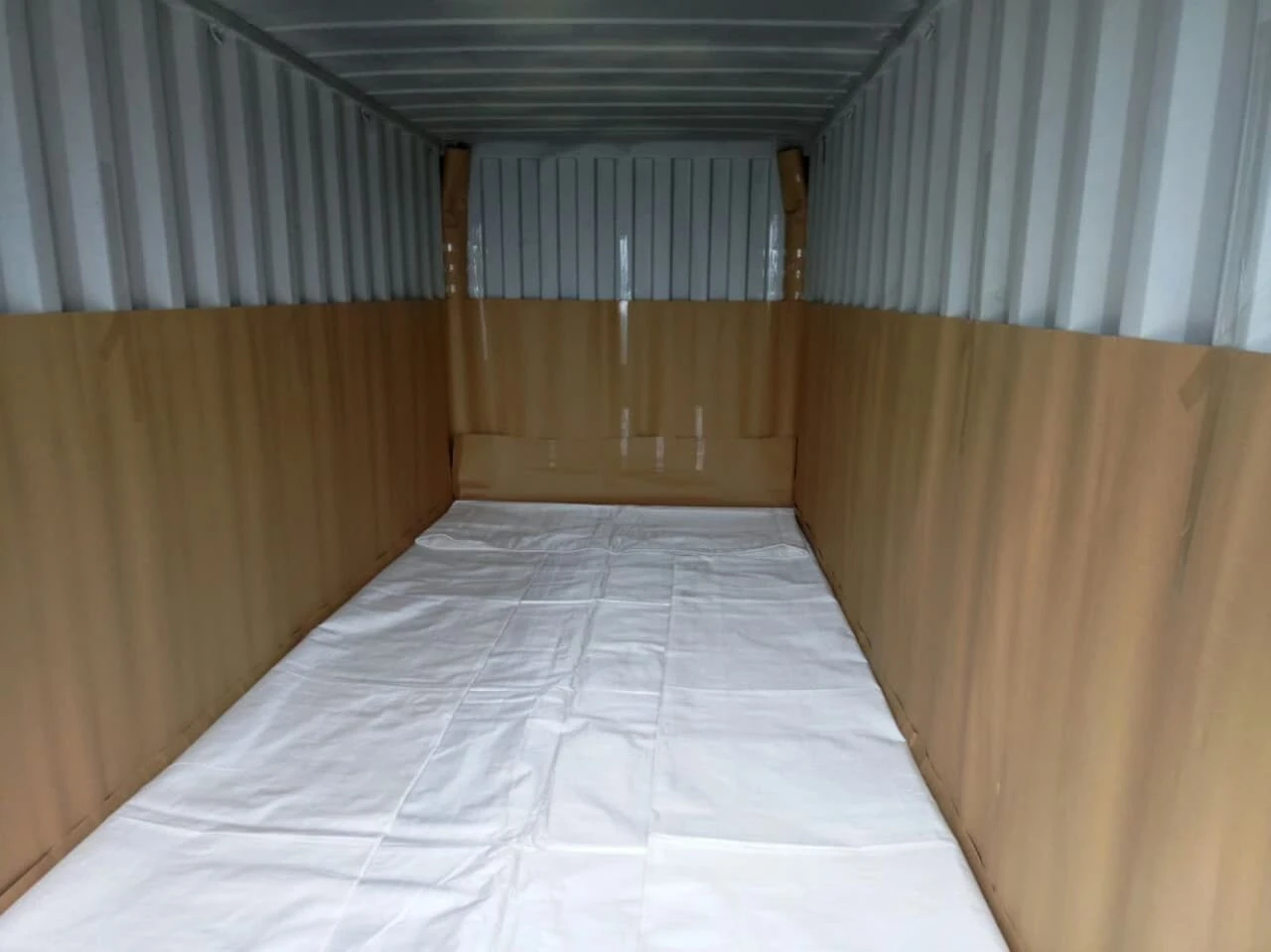
What are the essential steps in preparing a flexitank for Bitumen Flexitank Loading?
Before any bitumen reaches the vessel, the flexitank must pass a rigorous preparation routine. Start with a visual inspection for tears, bulges, or compromised seams. Verify that the tank’s material‑type matches the bitumen grade—typically a high‑density polyethylene liner is required for 350 °C+ grades. Once integrity is confirmed, proceed to thorough cleaning (solvent‑based if residue is present) and, when mandated by the carrier, sterilization using approved chemical agents.
How do you conduct the pre‑loading inspection checklist?
- Flexitank outer fabric condition – no cuts or abrasions.
- Liner integrity – pressure test at 1.5 × rated pressure.
- Valve operation – smooth opening, no leaks, proper torque.
- Securing mechanisms – straps, lashing points inspected.
- Pressure monitoring device calibrated.
- Temperature sensor placement verified.
All items are documented on the Flexitank Preparation Form, which must be signed by the loading supervisor and the quality assurance officer.
Why is nitrogen purging critical during bitumen flexitank filling procedures?
Introducing inert nitrogen displaces oxygen, reducing oxidative aging that can alter viscosity and color. A typical purge rate of 0.2 Nm³/min for 10 minutes creates a protective blanket, especially important for high‑grade bitumen destined for long‑haul logistics.
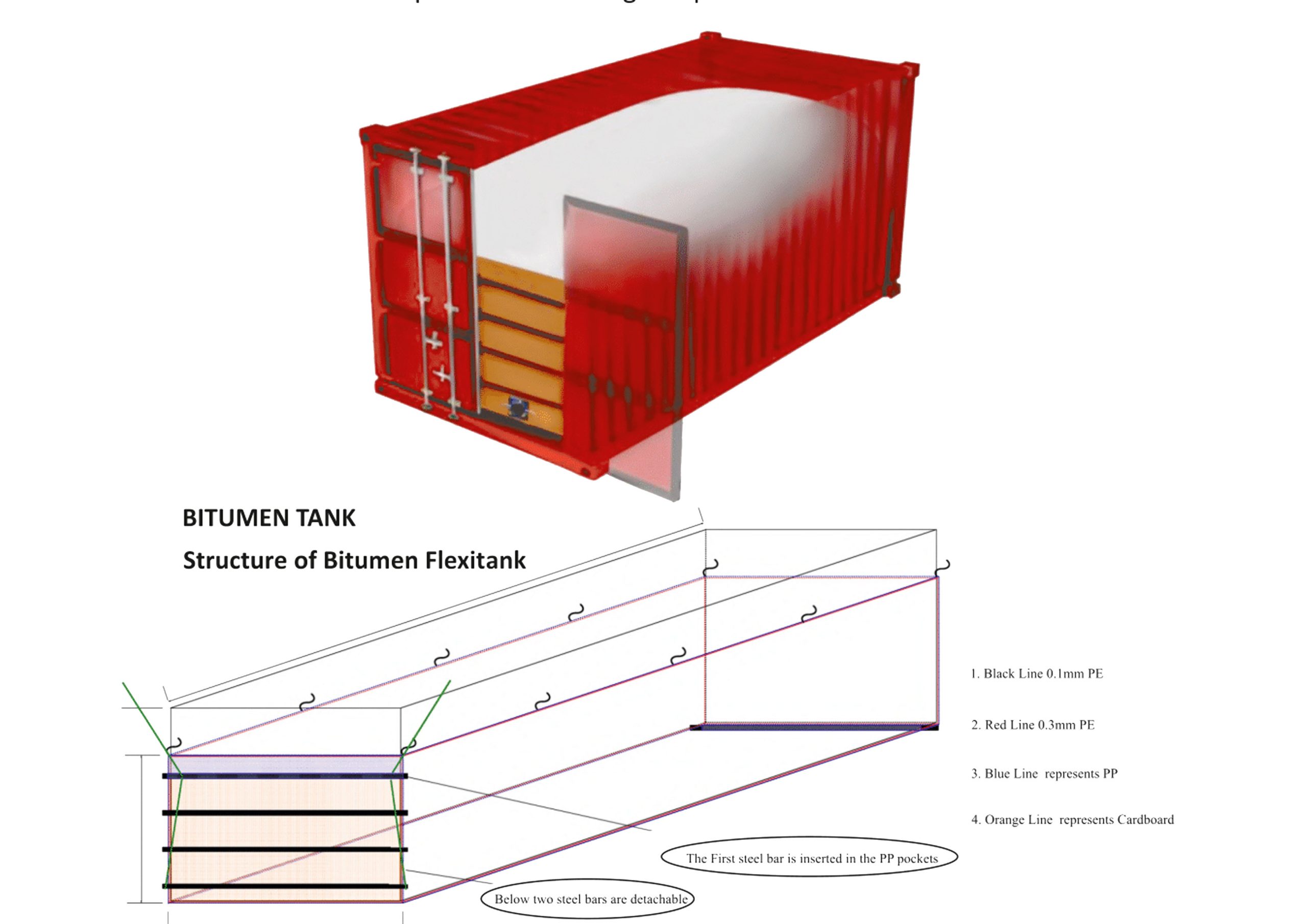
How should temperature be managed to meet flexitank loading temperature requirements for bitumen?
Maintain the bitumen within the 350 °C ± 5 °C window throughout filling. Use insulated hoses and pre‑heated pumps; monitor with a dual‑sensor system linked to the tank’s pressure gauge. If temperature drifts, pause loading and re‑heat the product to avoid premature solidification.
What documentation is required for safe bitumen flexitank loading in 2026?
Regulatory compliance demands a complete packet: preparation checklist, pressure test report, nitrogen purge log, temperature trace chart, and the carrier’s loading manifest. These records must be retained for 24 months and be available for audit by the Ministry of Oil and Gas.
Chart comparing pump capacities for typical bitumen grades.
For a broader view on compatible packaging, see our article on advanced bitumen packaging strategies. Following this flexitank bitumen loading checklist ensures both safety and product integrity, aligning with the latest 2026 regulations.
Successfully executing Bitumen Flexitank Loading requires a thorough understanding of procedures, adherence to safety guidelines, and consistent quality control. Gulf Petro Vision L.L.C is committed to providing the expertise and resources needed for safe and efficient bitumen transport. For further assistance and tailored solutions, explore our services and contact our team today to optimize your bitumen supply chain.