Flexitank Bitumen Safety: A Complete Guide
Flexitank Bitumen Safety is paramount in the petrochemical logistics industry. Gulf Petro Vision L.L.C, a leading bitumen supplier, understands the complexities of transporting this vital commodity. This comprehensive guide details best practices, regulatory compliance, and emergency procedures for the safe handling of bitumen in flexitanks, minimizing risks and ensuring operational efficiency.

What does Flexitank Bitumen Safety entail during transport?
Flexitank Bitumen Safety is the umbrella term for all controls required to move high‑temperature, viscous bitumen without jeopardising personnel, the environment, or the cargo value. It covers risk identification, compliance with bitumen transport safety regulations, and the implementation of preventive actions from loading through discharge.
Which failure modes threaten a flexitank carrying bitumen?
Common failure modes include seam delamination, valve‑seal rupture, and punctures caused by cargo shifting or external impacts. When bitumen cools, it contracts, creating tensile stresses that can open seams. A comprehensive guide to bitumen flexitank packaging illustrates the importance of selecting a tank rated for the specific grade and temperature range.
Chart showing the relative frequency of key failure modes in bitumen flexitank operations.
How do temperature fluctuations compromise tank integrity?
Bitumen is usually loaded at 150‑190 °C. Rapid cooling or exposure to ambient temperatures can cause thermal shock, leading to material brittleness and crack propagation. Maintaining a consistent flexitank bitumen temperature control regime—often with insulated blankets or active heating—prevents this risk.
What are the consequences of a flexitank breach?
Immediate hazards include scald burns to crew, fire ignition, and loss of product. Long‑term effects involve soil contamination, costly cleanup, and regulatory fines. Financial losses compound when the cargo is contaminated, requiring re‑processing or disposal.
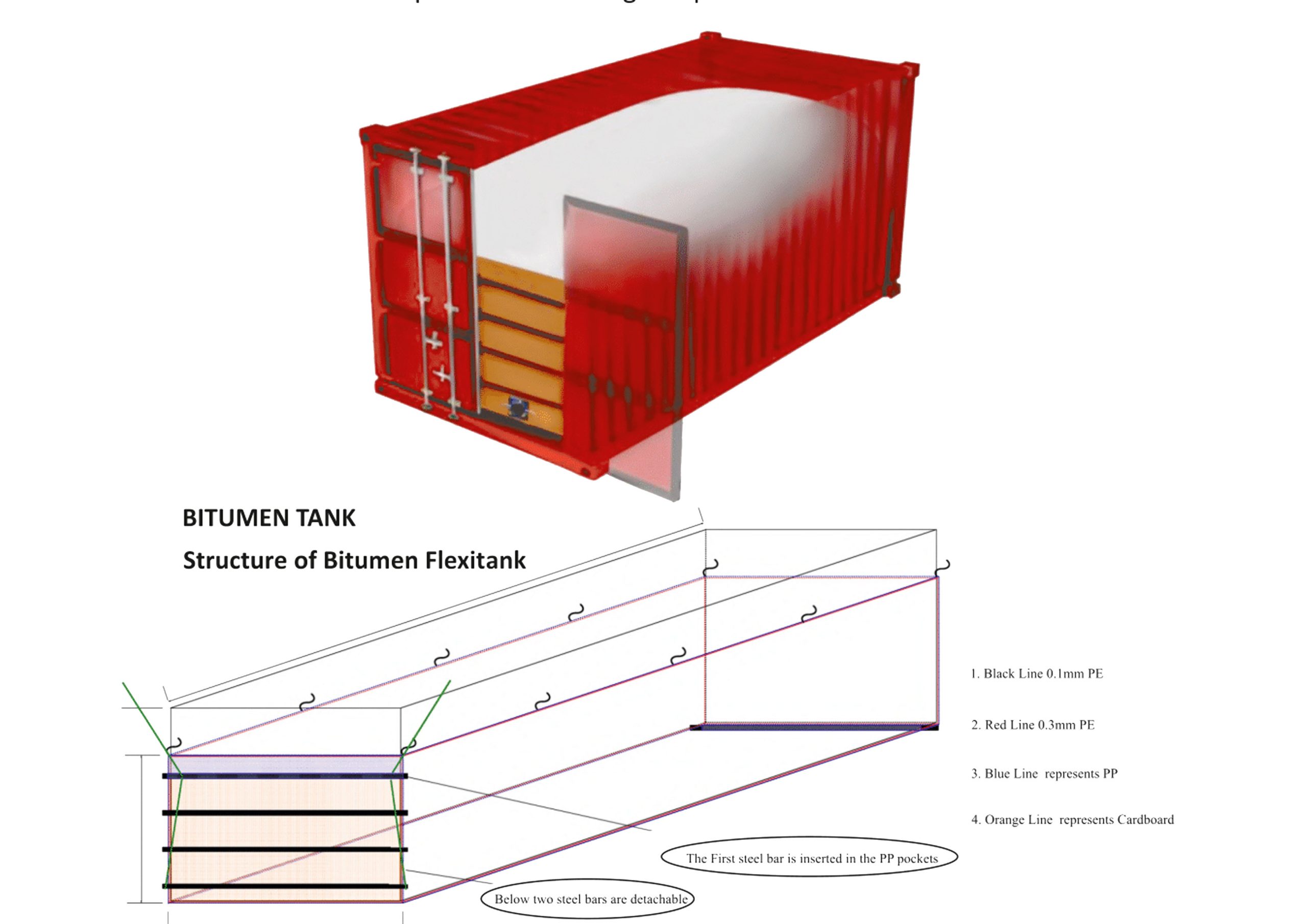
How can loading procedures reduce flexitank bitumen risks?
Proper flexitank loading procedures demand pre‑inspection using a bitumen flexitank inspection checklist, even distribution of the cargo, securing the tank to the chassis, and verifying temperature sensors. Selecting the correct flexitank type—single‑use versus reusable, reinforced versus standard—aligns with the selected bitumen grade and journey duration, ensuring compliance with upcoming 2026 bitumen shipping guidelines.
Transporting bitumen in flexitanks involves a dense web of legal requirements and operational controls. By understanding how these two worlds intersect, and consequently how they influence each other, we establish the cornerstone of Flexitank Bitumen Safety; thus, every load not only complies with the highest standards but also avoids costly incidents.
What International and Regional Regulations Govern Bitumen Transport?
Bitumen is classified as a dangerous good under UN 1993, triggering the International Maritime Dangerous Goods (IMDG) Code, the ADR (European road) and the US 49 CFR 172. The 2026 bitumen shipping guidelines, now emerging from the International Maritime Organization, tighten limits on temperature‑controlled loads and mandate electronic SDS (Safety Data Sheet) submission. The documentation must include the UN number, proper shipping name, and net weight; furthermore, labeling should prominently display the orange “flammable liquid” diamond, while additionally, vehicle placarding must clearly indicate the Class 3 hazard.
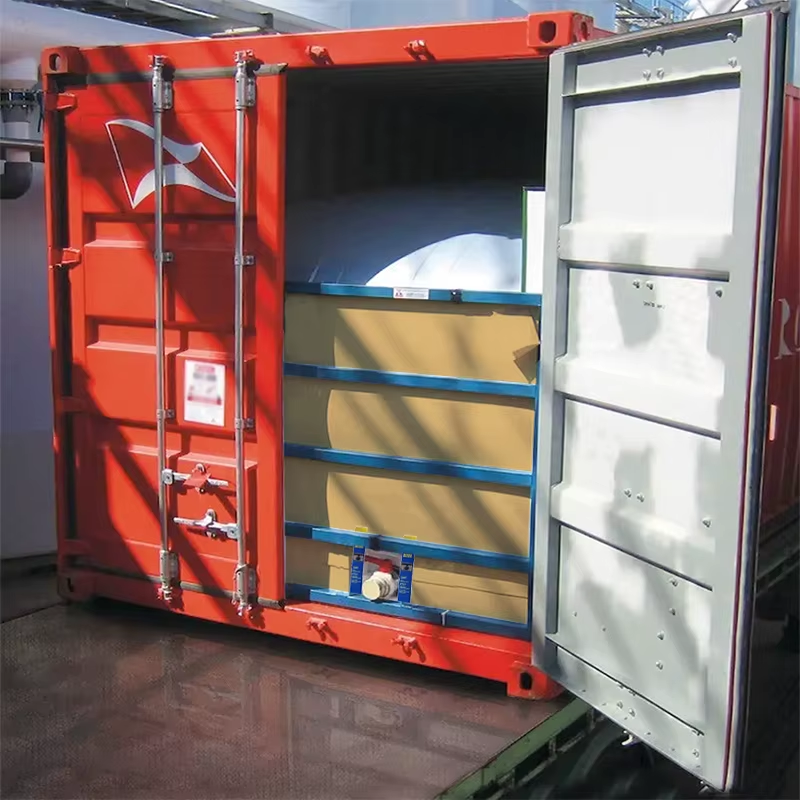
How Do Flexitank Loading Procedures Align with These Regulations?
Loading a flexitank begins with a step‑by‑step guide on bitumen flexitank handling that integrates regulatory checkpoints. A compliance checklist confirms that the tank’s material compatibility, pressure rating, and expiration date match the cargo specifications. Only qualified personnel, certified in dangerous‑goods handling, may initiate the fill.
Flexitank Bitumen Safety: What Are the Critical Pre‑Loading Inspection Steps?
The bitumen flexitank inspection checklist covers: visual damage, seal integrity, inlet/outlet valve function, and cleanliness to prevent contamination. A pull‑quote highlights its importance:
Why Is Grounding, Bonding, and Temperature Control Essential for Safe Loading?
Static discharge is mitigated by grounding the tanker and bonding the loading hose; a resistance check below 5 Ω is mandatory. Bitumen’s viscosity demands temperature control—maintaining 150 °C ± 5 °C prevents premature solidification and ensures a uniform flow, reducing the risk of flexitank rupture.
Current alignment of loading practices with the 2026 guidelines.
What Responsibilities Do Shipper, Carrier, and Receiver Carry?
First, the shipper must provide accurate documentation, certify the tank’s suitability, and train operators accordingly. Meanwhile, the carrier is responsible for ensuring the vehicle is correctly placarded, conducting thorough pre‑trip inspections, and continuously monitoring temperature throughout transit. Finally, the receiver validates the seal, checks for leaks, and completes the hand‑over documentation; thus, effectively closing the compliance loop.
By embedding a detailed flexitank loading procedure and thorough record‑keeping, all parties uphold bitumen transport safety regulations and advance the industry toward a zero‑incident future.
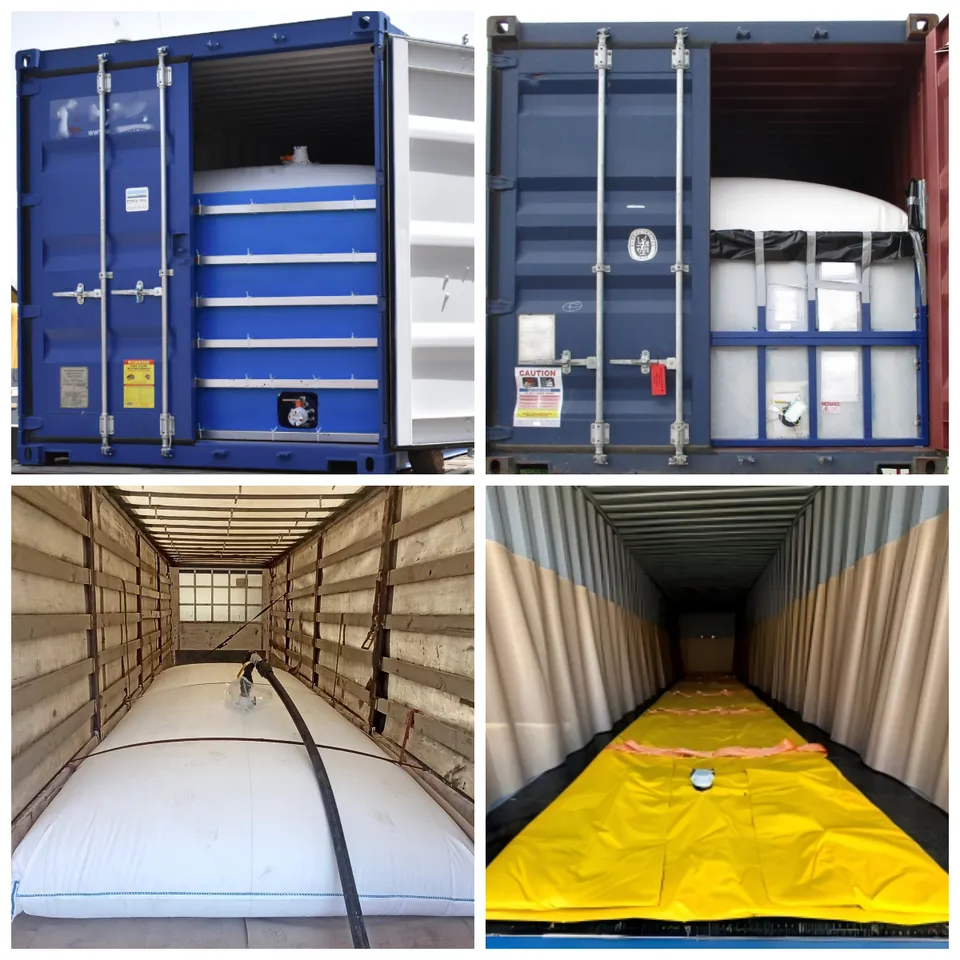
How does a thorough inspection checklist protect Flexitank Bitumen Safety?
Before any cargo is loaded, the flexitank must be examined for visible damage, seal integrity, and proper securing straps. Check for dents, punctures, or corrosion on the liner and reinforcement fabric. Verify that the tank’s pressure‑relief valves are unobstructed and that temperature sensors are calibrated. During transit, monitor for shifted restraints, abnormal temperature fluctuations, and any moisture ingress that could weaken the container. After discharge, inspect the tank for residual bitumen hardening, strap wear, and general cleanliness. This three‑phase approach—pre‑loading, in‑transit, post‑discharge—forms the backbone of a bitumen flexitank inspection checklist that minimizes flexitank bitumen risks.
Chart illustrates the typical number of checklist items verified at each stage.
What specific steps ensure safe bitumen discharge from a flexitank?
Begin with a hazard assessment that references the flexitank safety data sheet (SDS) for temperature limits, flash points, and recommended personal protective equipment (PPE). Operators must wear heat‑resistant gloves, face shields, and flame‑retardant coveralls. Connect discharge hoses using double‑locking couplings; verify alignment before opening the valve. Monitor flow rates with calibrated meters to prevent over‑pressurisation and spill formation. In case of a leak, activate containment booms and follow the emergency response plan prescribed in the SDS. After the final drop, clean the hose interior with approved solvents and dispose of solidified residues according to local hazardous‑waste regulations.

Why is documentation essential for ongoing Flexitank Bitumen Safety compliance?
Every inspection and discharge activity should be recorded in a logbook that captures dates, personnel signatures, temperature readings, and any corrective actions taken. This documentation supports compliance with 2026 bitumen shipping guidelines and demonstrates adherence to bitumen transport safety regulations during audits. Consistent record‑keeping also creates a feedback loop for continuous improvement, reinforcing best practices for safe handling of bitumen in flexitanks.
For a deeper dive into the full logistics workflow, see the comprehensive bitumen flexitank guide.
Maintaining robust Flexitank Bitumen Safety protocols is crucial for protecting personnel, assets, and the environment. Gulf Petro Vision L.L.C remains committed to providing the expertise and resources needed to navigate the evolving landscape of bitumen logistics, including the upcoming 2026 shipping guidelines. Contact us today to learn how we can support your safe and compliant bitumen transport operations.