Bitumen Grades in Uganda
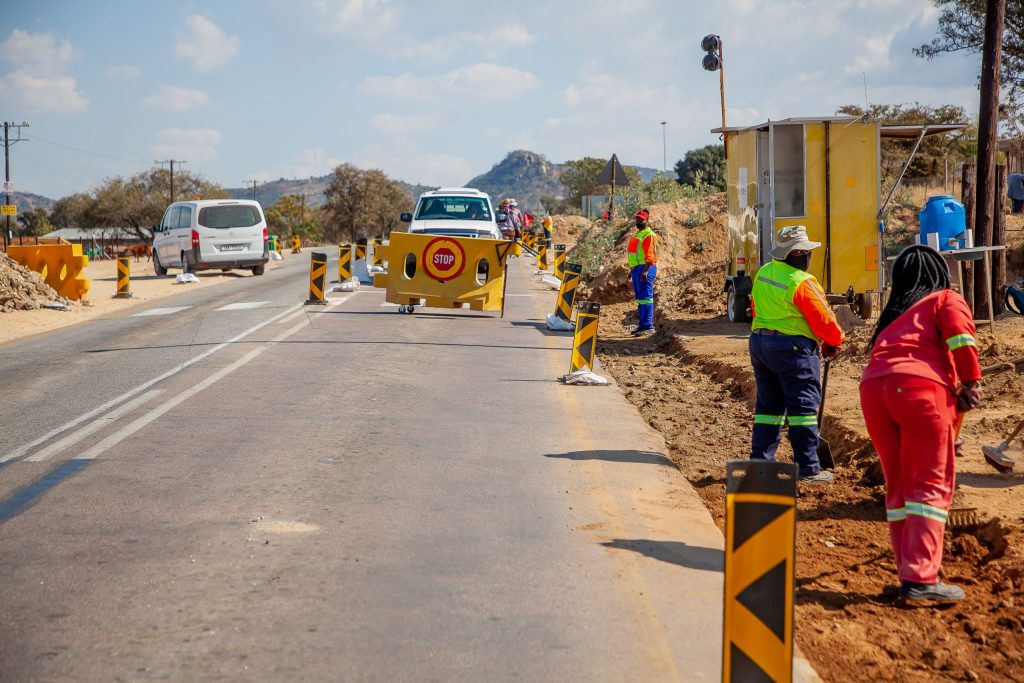
Uganda has been experiencing rapid infrastructure development, particularly in road construction, which has created a growing demand for high-quality bitumen. With new projects connecting major cities, highways, and rural areas, contractors and government agencies increasingly require reliable suppliers and durable products. Choosing the correct grade of bitumen is essential for road performance, especially in a country with Uganda’s diverse climate. This article provides an in-depth guide to bitumen grades in Uganda, paving applications, penetration grades, and how companies can buy bitumen Uganda efficiently. We will also explore the role of the Kenyan port of Mombasa, which serves as a crucial entry point to export bitumen Uganda via Mombasa.
Understanding Bitumen Grades in Uganda
Bitumen is classified into various grades depending on penetration, viscosity, and softening point. These characteristics determine how well the product performs under Uganda’s climate, traffic conditions, and rainfall patterns. The most commonly used penetration grades in Uganda include:
- Bitumen 80/100 Uganda
- Bitumen 60/70
- Bitumen 50/70
- Tropical grade bitumen Uganda
Each of these grades offers specific benefits, and selecting the right one ensures long-lasting, cost-effective road surfaces.
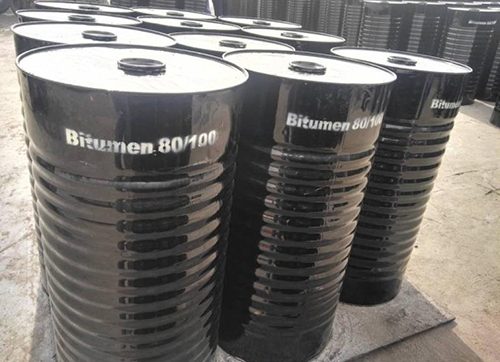
Bitumen 80/100 Uganda
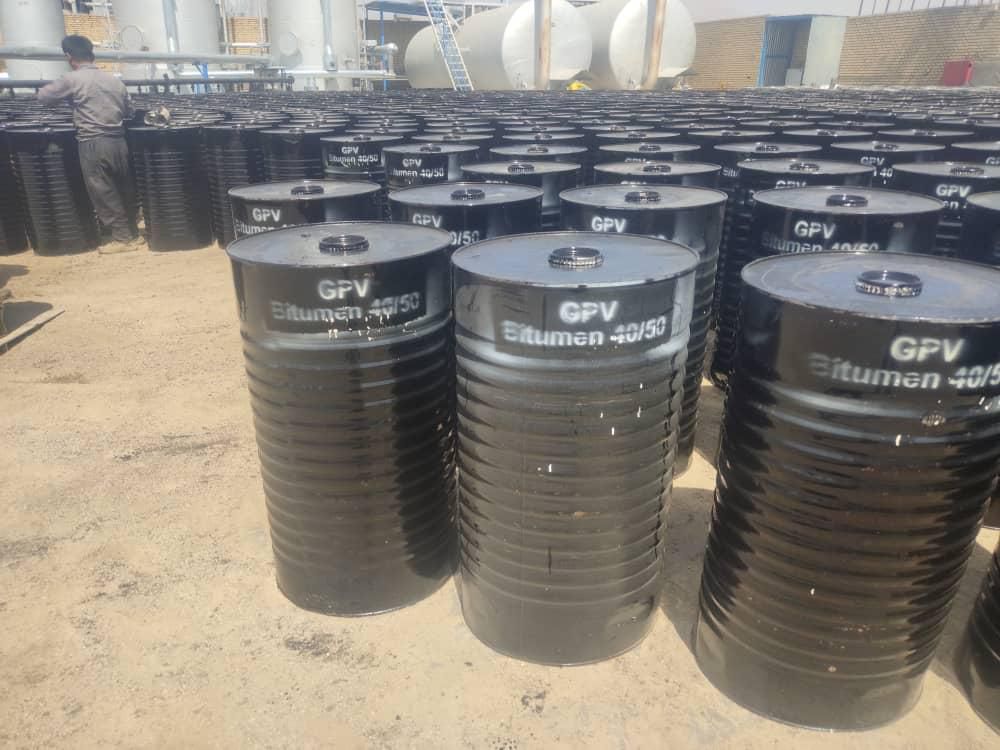
Bitumen 80/100 Uganda is one of the most widely used grades for road construction. Its penetration value makes it softer and more workable, which is suitable for areas with moderate traffic and stable weather conditions. In Uganda, this grade is often applied in urban road projects and regional connections. Contractors prefer bitumen 80/100 Uganda because it offers flexibility, reduces the risk of cracking, and ensures smooth paving operations.
Key advantages include:
- Enhanced flexibility for medium-traffic roads
- Cost-effective performance for general construction
- Easy application and mixing with aggregates
Bitumen 60/70
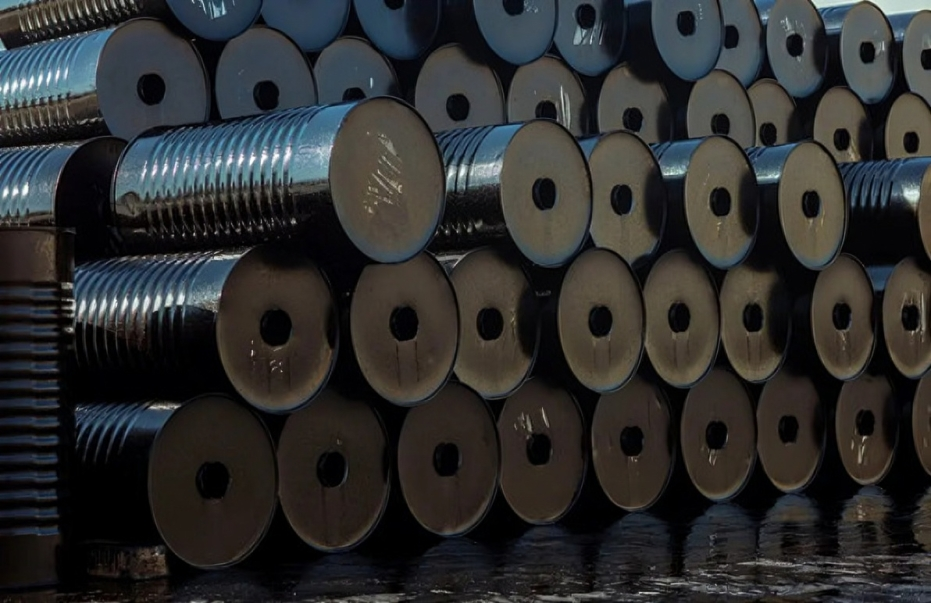
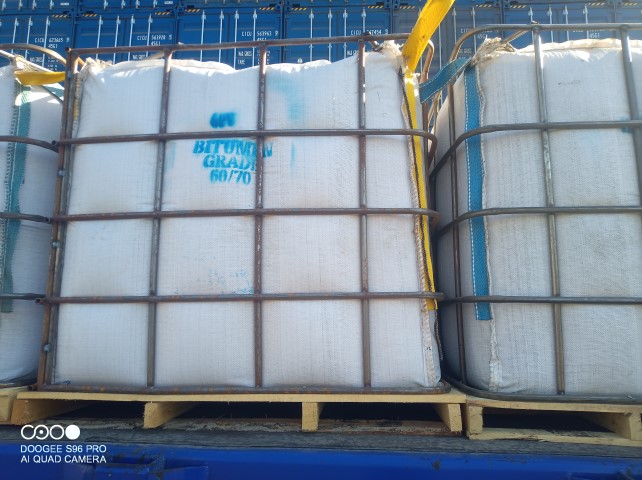
For projects requiring higher durability, bitumen 60/70 is the most common choice. This grade has a lower penetration value, making it harder and more resistant to rutting under heavy traffic. Highways, expressways, and roads with continuous heavy vehicle use in Uganda are often paved with bitumen 60/70.
Benefits of bitumen 60/70:
- Strong resistance to deformation under high traffic loads
- Suitable for hot climates due to higher softening point
- Ideal for long-lasting highways and major city roads
When construction companies buy bitumen 60/70, they often prioritize its durability and ability to maintain quality in Uganda’s warm conditions.
Bitumen 50/70
Bitumen 50/70 is another grade widely demanded in Uganda, especially for roads requiring high load-bearing capacity. It is harder compared to 80/100 and 60/70, making it ideal for industrial zones and highways where resilience is key.
Why choose bitumen 50/70?
- Superior strength for heavy-duty pavements
- Longer life span in demanding projects
- Reliable performance in high-temperature regions
Suppliers offering bitumen 50/70 in Uganda highlight its importance in projects where performance and resistance are top priorities.
Tropical Grade Bitumen Uganda
Uganda’s climate, with heavy rainfall and high temperatures, makes tropical grade bitumen Uganda an essential choice for many projects. This grade is specifically designed to withstand tropical conditions without softening or cracking.
Applications of tropical grade bitumen:
- Roads exposed to extreme weather cycles
- Highways with continuous rainfall exposure
- Infrastructure requiring climate-resistant materials
By using tropical grade bitumen Uganda, construction companies can ensure longer-lasting pavements and reduced maintenance costs.

Penetration Grade Bitumen in East Africa
Across East Africa, penetration grade bitumen remains the dominant product for road paving. Countries such as Uganda, Kenya, Tanzania, and Rwanda all depend on penetration grade bitumen East Africa for infrastructure expansion.
Advantages of penetration grades in East Africa:
- Wide range of grades (80/100, 60/70, 50/70) to suit climate and traffic needs
- Proven performance in regional projects
- Cost efficiency compared to alternative materials
Uganda’s growing network of roads connecting neighboring countries is heavily reliant on penetration grades, making them the backbone of East African road construction.
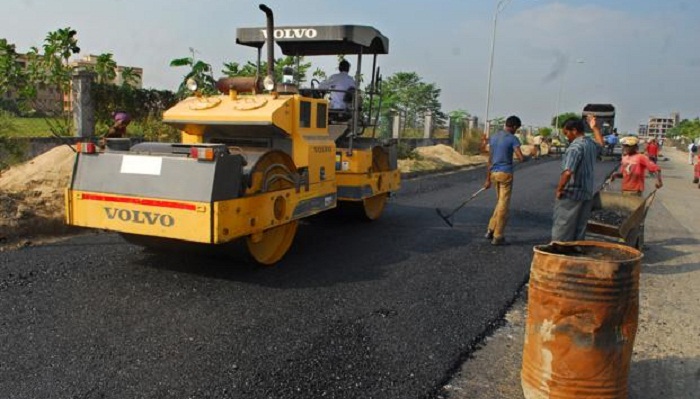
Export Bitumen Uganda via Mombasa
Uganda does not have local bitumen production facilities, so it relies on imports. The Kenyan port of Mombasa serves as the main hub for shipments. Suppliers manage logistics to export bitumen Uganda via Mombasa, ensuring smooth transport and customs clearance.
Why Mombasa is crucial:
- Largest port in East Africa with strong shipping connections
- Efficient handling of bulk and containerized bitumen
- Central hub for landlocked Uganda
From Mombasa, bitumen is transported by road or rail to Uganda, providing contractors with a reliable supply chain.
 How to Buy Bitumen in Uganda
 How to Buy Bitumen in Uganda
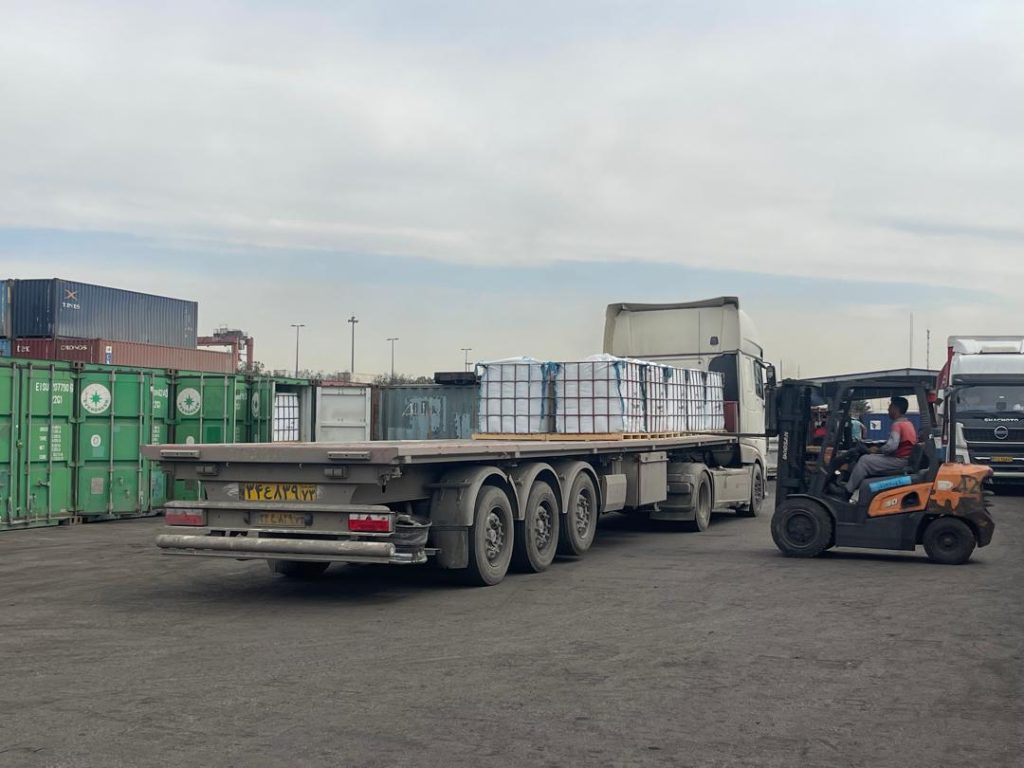
For contractors and companies planning to buy bitumen Uganda, the process involves working with trusted suppliers familiar with the East African market. Reliable suppliers provide:
- Quality assurance: Products meeting ASTM and EN standards
- Flexible delivery terms: FOB, CFR, and CIF options
- Logistics support: Customs clearance, documentation, and inland transport
- Payment flexibility: Options such as T/T and L/C for convenience
Companies seeking to buy bitumen Uganda should prioritize suppliers with strong networks through Mombasa, ensuring timely delivery and cost-effective solutions.

Bitumen Paving in Uganda
Bitumen paving is at the heart of Uganda’s infrastructure development. From urban expansion projects to highways linking rural areas, the use of bitumen ensures stronger and safer roads. Choosing the right grade, whether bitumen 80/100 Uganda, bitumen 60/70, or bitumen 50/70, directly impacts the quality and durability of the roads.
Steps in bitumen paving in Uganda:
- Selection of the correct grade based on climate and traffic load
- Mixing bitumen with aggregates under controlled conditions
- Laying and compacting for smooth, long-lasting pavements
- Regular maintenance to ensure road longevity
Why Bitumen is Essential for Uganda’s Infrastructure
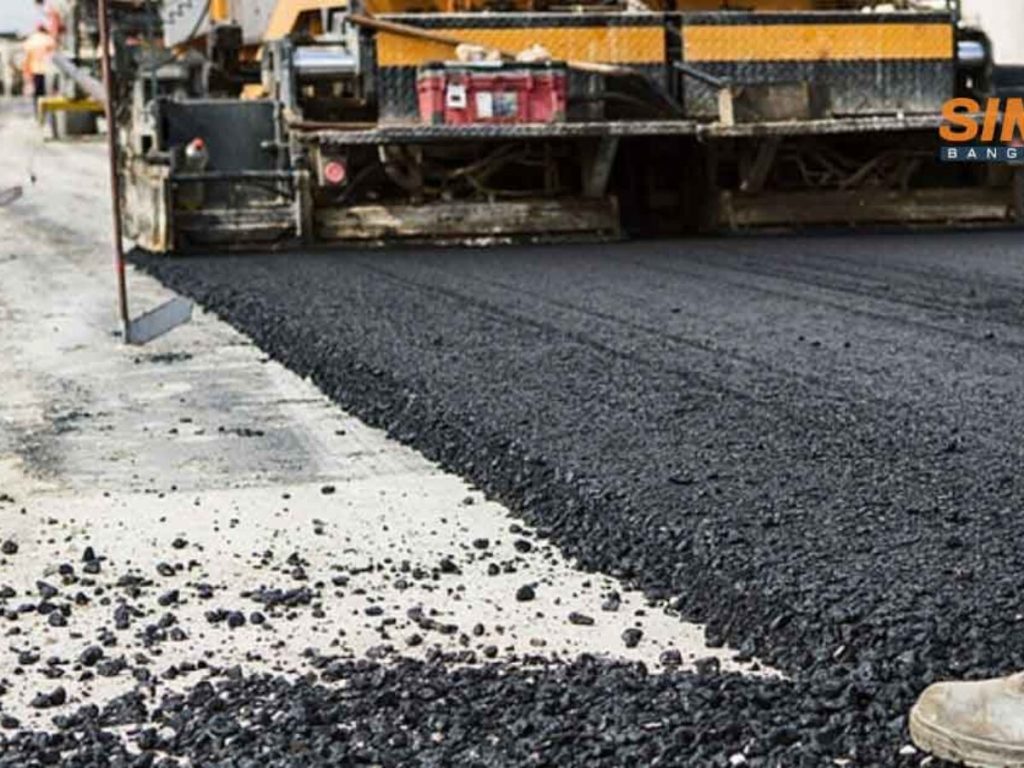
The Ugandan government has been prioritizing infrastructure investment, with bitumen paving taking center stage. Roads built with the correct bitumen grades enhance economic activities, improve trade routes, and support community development.
Key benefits of bitumen in Uganda:
- Cost-effective material compared to alternatives
- High durability under heavy traffic
- Flexibility to adapt to Uganda’s climate
- Improved safety and smooth driving surfaces
Conclusion
The demand for high-quality bitumen in Uganda continues to grow as the country invests in road networks and infrastructure. From bitumen 80/100 Uganda for flexible pavements, to bitumen 60/70 for highways, and bitumen 50/70 for heavy-duty projects, each grade plays an important role. The addition of tropical grade bitumen Uganda ensures resilience in the country’s challenging climate. With reliable supply chains through Mombasa, companies can easily buy bitumen Uganda and ensure timely delivery for their projects. As the demand for penetration grade bitumen East Africa rises, Uganda is well-positioned to benefit from strong trade and supply networks.
Choosing the right grade, working with trusted suppliers, and leveraging Mombasa’s logistics network will ensure the continued success of Uganda’s infrastructure development. The future of road construction in Uganda is built on the strong foundation of quality bitumen.
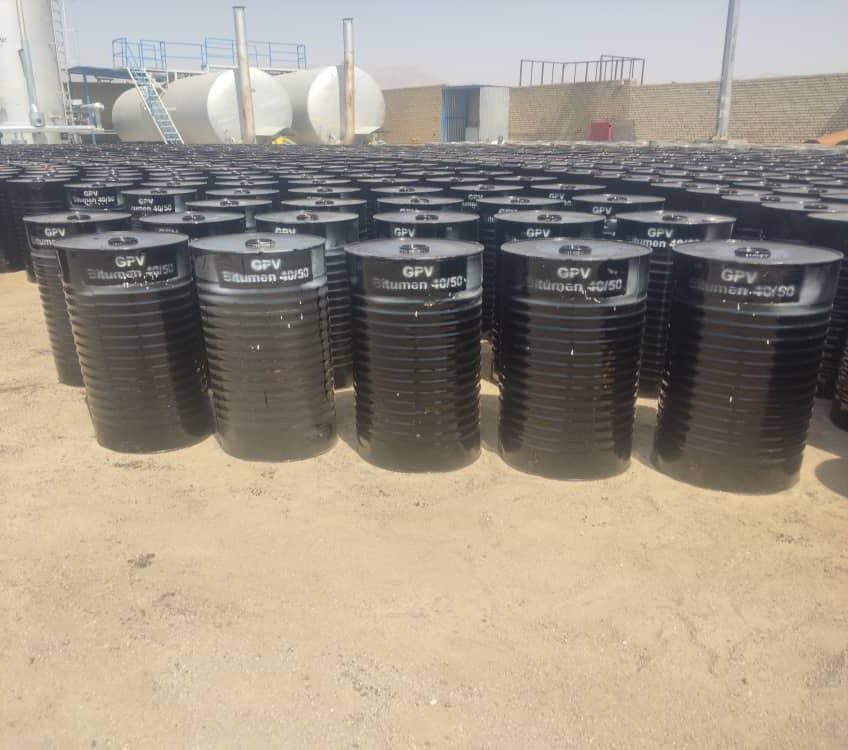
Suppliers like Gulf Petro Vision further strengthen the market by offering competitive prices, multiple grades, and packaging flexibility, along with complete support at every stage of the supply chain. Choosing the right grade, working with trusted suppliers, and leveraging Mombasa’s logistics network will ensure the continued success of Uganda’s infrastructure development. The future of road construction in Uganda is built on the strong foundation of quality bitumen.