Kenya Bitumen Market 2025: Prices, Demand, and Supply Chain Insights
The Kenyan construction industry continues to expand at a remarkable pace, with road infrastructure, urban development, and industrial projects driving strong demand for high-quality bitumen. As the country enters 2025, understanding bitumen price Kenya, supply chain dynamics, and market trends is critical for contractors, suppliers, and policymakers alike.
This article explores the current market outlook, pricing factors, demand projections, and the strategic role of Mombasa port bitumen in meeting the nation’s infrastructure needs. We’ll also discuss the outlook for bitumen paving Kenya and provide insights for stakeholders looking to navigate the year ahead.

1. Kenya’s Bitumen Market Overview in 2025
Bitumen remains a cornerstone material for Kenya’s infrastructure projects. Its primary applications—road construction, airport runways, parking lots, and waterproofing—are directly linked to the government’s development agenda, particularly the “Big Four” infrastructure priorities.
In 2025, Kenya’s bitumen consumption is expected to rise by 6–8% compared to 2024, driven by:
-
Ongoing road rehabilitation projects across Nairobi, Mombasa, and Kisumu.
-
The expansion of rural road networks under the Kenya Rural Roads Authority (KeRRA).
-
Large-scale private real estate and industrial developments.
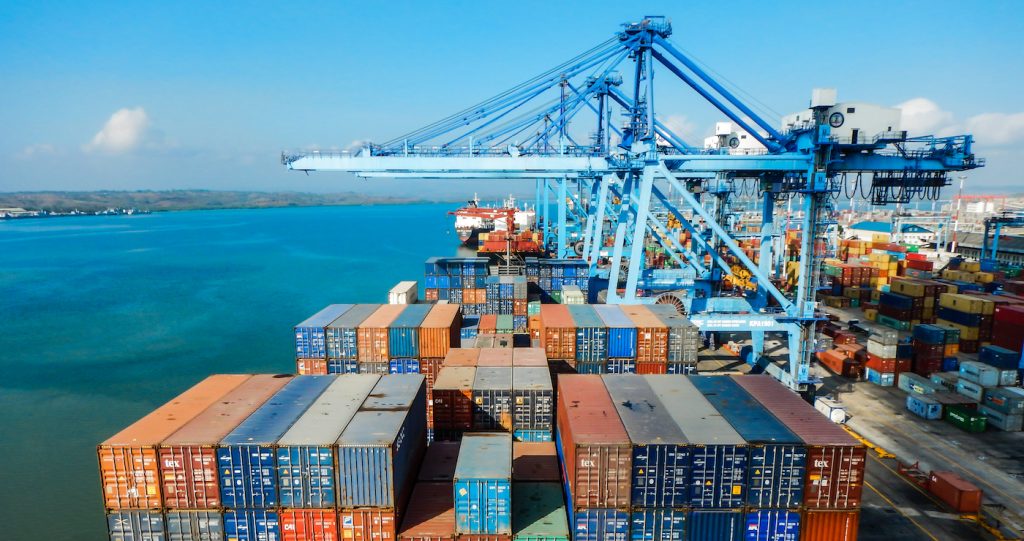
The country sources most of its bitumen from imports, with Mombasa Port acting as the primary entry point for bulk shipments. Local production remains limited, making Kenya reliant on global supply trends and shipping costs.
2. Bitumen Price Kenya – What to Expect in 2025
The bitumen price Kenya is influenced by a combination of global crude oil prices, shipping rates, exchange rate fluctuations, and import duties. In 2025, several key trends are shaping the pricing environment:
-
Crude Oil Price Volatility
As bitumen is a petroleum-derived product, international crude oil prices directly impact local market rates. Any fluctuations in Brent crude or Middle East supply conditions can quickly ripple into Kenyan pricing. -
Shipping and Freight Costs
The Red Sea and Suez Canal shipping disruptions in late 2024 have increased freight charges for East Africa. This has added pressure to Mombasa port bitumen prices, with importers adjusting rates to reflect higher transport costs. -
Currency Exchange Rates
A weaker Kenyan Shilling against the US Dollar increases the landed cost of imported bitumen, especially when suppliers invoice in USD. -
Government Taxes and Tariffs
Import duties, port handling fees, and domestic transport costs from Mombasa to upcountry regions such as Nairobi and Kisumu all add to the final retail price.

3. Demand Trends for Bitumen in Kenya
Kenya’s bitumen demand is driven by both government-led infrastructure investments and private sector projects. The 2025 demand outlook is supported by:
-
Highway Expansion – Key projects like the Nairobi Expressway expansion, Lamu Port-South Sudan-Ethiopia Transport (LAPSSET) corridor, and major bypasses in Mombasa and Kisumu.
-
Urban Road Upgrades – Municipal road tarmacking in Nairobi, Nakuru, and Eldoret.
-
Industrial Growth – Logistics hubs, industrial parks, and Special Economic Zones (SEZs) requiring extensive bitumen paving Kenya solutions.
Based on current trends, annual demand is projected to exceed 350,000 metric tons in 2025, marking a steady rise compared to the past five years.
4. Mombasa Port – The Heart of Kenya’s Bitumen Supply
As Kenya’s primary seaport, Mombasa port bitumen imports dominate the market supply chain. The port’s strategic location along the Indian Ocean makes it a regional hub for East Africa’s petroleum imports.
Key factors that make Mombasa critical for the bitumen market:
-
Bulk Handling Capacity – The port handles large tanker shipments from the Middle East and Asia, ensuring economies of scale for importers.
-
Regional Distribution – From Mombasa, bitumen is transported via road tankers and rail to Nairobi, Kisumu, and neighboring countries like Uganda, Rwanda, and South Sudan.
-
Customs and Quality Checks – Port authorities and the Kenya Bureau of Standards (KEBS) conduct inspections to ensure imported bitumen meets KS and international specifications.
However, port congestion and occasional logistical delays can influence market availability and lead to temporary price spikes, especially during peak construction seasons.
5. Bitumen Paving Kenya – Quality and Standards
Bitumen paving Kenya projects require adherence to strict quality standards to ensure durability and performance under heavy traffic and tropical weather conditions. Common grades used include:
-
Penetration Grade 60/70 – Ideal for high-traffic highways and hot climates.
-
Penetration Grade 80/100 – Suitable for moderate traffic and cooler highland regions.
-
Polymer-Modified Bitumen (PMB) – Enhanced performance for airport runways and heavy-duty pavements.
The Kenya National Highways Authority (KeNHA) and county governments emphasize the use of bitumen that meets ASTM or BS EN standards to minimize premature road damage.
6. Supply Chain Insights – Challenges and Opportunities
While Kenya’s bitumen market shows strong growth potential, the supply chain faces several challenges:
Challenges
-
Import Dependence – Over 90% of bitumen is imported, exposing the market to global supply disruptions.
-
Transport Bottlenecks – Road congestion from Mombasa to Nairobi can cause delivery delays.
-
Seasonal Demand Peaks – Heavy demand during dry months often strains supply capacity.
Opportunities
-
Local Storage Facilities – Expanding storage capacity near Mombasa and Nairobi could stabilize supply and reduce price volatility.
-
Regional Export Potential – Kenya’s position as a logistics hub allows for re-exporting Mombasa port bitumen to landlocked neighbors.
-
Digital Procurement Platforms – Online ordering systems can improve market transparency and help contractors secure competitive prices.

7. Tips for Contractors Buying Bitumen in 2025
To navigate the bitumen price Kenya trends and ensure timely project delivery, contractors should:
-
Plan Purchases in Advance – Secure contracts before peak demand seasons to lock in favorable prices.
-
Work with Reputable Suppliers – Choose suppliers with a proven track record in handling Mombasa port bitumen imports.
-
Verify Quality Certificates – Always request technical data sheets and test reports before delivery.
-
Optimize Logistics – Coordinate with transporters to avoid delays and minimize inland freight costs.
-
Consider Storage Options – Onsite or leased storage facilities can help manage fluctuating demand.
8. Outlook for 2025 and Beyond
Kenya’s bitumen market is set to remain robust through 2025, with infrastructure investment driving steady demand. However, global oil market volatility, currency exchange risks, and logistical constraints at Mombasa Port will continue to influence bitumen price Kenya.
For contractors, suppliers, and policymakers, focusing on supply chain efficiency, quality control, and forward contracting will be key to ensuring reliable access to bitumen paving Kenya materials. As the government pushes for road network expansion and urban modernization, bitumen will remain at the core of Kenya’s development story.
Final Word
The Kenya bitumen market in 2025 presents both challenges and opportunities. By understanding price drivers, leveraging Mombasa port bitumen supply channels, and adopting best procurement practices, industry stakeholders can position themselves for success in this competitive and evolving sector.