Tanzania’s Bitumen Market: Growing Demand and Climate-Resilient Infrastructure Solutions in 2025
The bitumen market in Tanzania has emerged as a critical component of the nation’s infrastructure development strategy. Bitumen, commonly known as asphalt cement, serves as the binding agent in road construction and plays an essential role in building durable transportation networks.
As Tanzania continues its ambitious journey toward becoming a middle-income economy, the bitumen market has witnessed unprecedented growth. Industry projections indicate sustained demand through the next decade, making it one of the most promising sectors in East Africa.
Tanzania’s strategic location creates unique advantages:
- Geographic positioning: Connects landlocked countries to Indian Ocean ports
- Trade corridor importance: Links Rwanda, Burundi, Uganda, and DRC
- Infrastructure necessity: Requires robust road networks for regional commerce
- Economic growth: Drives consistent bitumen consumption year-round

The Growing Demand for Bitumen in Tanzania’s Construction Sector
The demand for bitumen in Tanzania has been on the rise, driven by expansion in the construction and transportation sectors. The growing demand for bitumen reflects the country’s economic transformation, with construction activities spreading from major urban centers to rural regions.
This expansion has created multiple demand centers across Tanzania. Major cities like Dar es Salaam, Dodoma, and Arusha lead consumption, but rural development is catching up rapidly.
Key drivers of construction sector demand include:
- Residential development: New housing estates require paved access roads
- Commercial projects: Shopping centers and business parks need parking infrastructure
- Industrial zones: Special Economic Zones demand extensive road networks
- Urban expansion: City growth necessitates feeder roads and highway connections
- Real estate boom: Property development drives demand for quality bitumen products
The transportation sector’s modernization has been equally instrumental. With port expansion and new logistics facilities, the need for efficient road connections has intensified significantly.

New Infrastructure Projects Fueling Bitumen Market Growth
New infrastructure projects across Tanzania have become the primary catalyst for bitumen market expansion. The Tanzanian government, under its Third Five-Year Development Plan (2021-2026), has allocated substantial budgets for road construction and rehabilitation.
Major projects driving bitumen consumption:
- Dar es Salaam to Morogoro expressway: One of the largest bitumen-consuming projects
- Dodoma-Manyoni road construction: Requires specialized bitumen grades
- Makuyuni-Ngorongoro road development: Connects tourist regions with quality highways
- Standard Gauge Railway (SGR) connections: Demands complementary road infrastructure
- Bagamoyo port development: Creates need for extensive access roads
Urban infrastructure projects in major cities have contributed substantially to bitumen consumption. The Bus Rapid Transit (BRT) system in Dar es Salaam, along with proposed BRT networks in other cities, requires dedicated lanes constructed with premium bitumen. bitumen supplier Tanzania
Municipal projects expanding bitumen demand:
- BRT dedicated lanes: Need high-quality, durable bitumen
- Drainage system improvements: Require waterproofing applications
- Parking infrastructure: Shopping malls and public facilities
- Street lighting projects: Include road resurfacing components
- Pedestrian walkways: Use bitumen-based materials
Rural road development programs have opened new markets for bitumen suppliers. The government’s initiative to connect district headquarters and agricultural zones with all-weather roads has expanded distribution networks beyond traditional urban markets.

Climate Adaptation and Bitumen Grade Selection in Tanzania
Climate adaptation plays a crucial role in Tanzania’s bitumen procurement and application strategies. Different bitumen grades are chosen based on regional climate variations, from hot and humid coastal areas to cooler highlands, to ensure durability and prevent road damage.
Tanzania’s diverse topography creates distinct climate zones, each requiring specific bitumen characteristics. Understanding these variations is essential for successful road construction and longevity. bitumen supplier Tanzania
Coastal Region Requirements
The coastal region experiences high temperatures and humidity levels that can soften conventional bitumen. In these areas, specialized grades are essential to maintain road integrity.
Coastal bitumen specifications include:
- Polymer-modified bitumen (PMB): Enhanced stability in hot weather
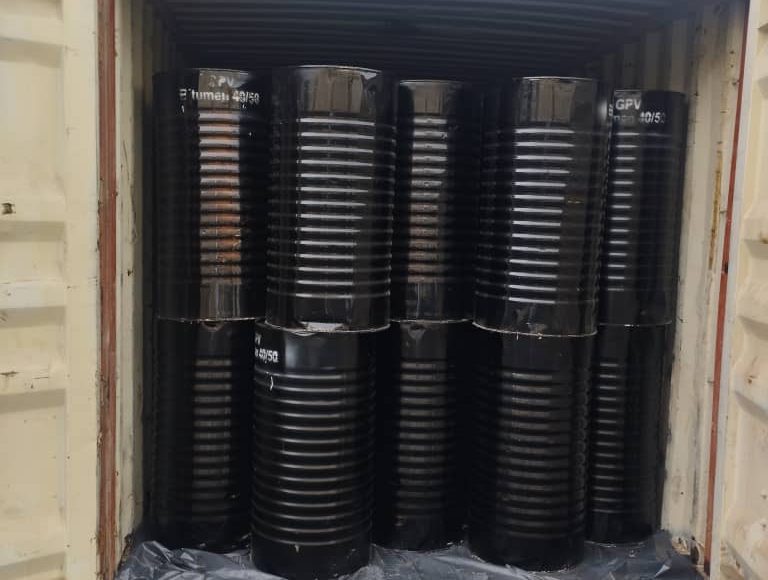
- Harder penetration grades (40/50 or 50/70): Prevents rutting under heavy traffic
- UV-resistant formulations: Protects against sun damage and aging
- Salt-spray resistant properties: Essential for maritime environments
- High-temperature performance: Maintains structure at 35°C and above

Highland Region Specifications
The highlands region, encompassing areas like Arusha, Mbeya, and the Southern Highlands, presents different challenges. Different bitumen grades are chosen for these cooler regions to prevent cracking and brittleness during cold nights.
Highland bitumen requirements:
- Softer grades (80/100 or 160/220): Better low-temperature flexibility
- Enhanced cold-weather properties: Prevents thermal cracking
- Temperature cycle resistance: Handles day-night variations
- Elastic recovery capabilities: Maintains resilience through stress cycles
- Anti-aging additives: Extends service life in variable conditions
Central Plateau Specifications
The central plateau regions require balanced bitumen specifications that accommodate moderate temperatures with significant seasonal variations. Engineers select intermediate grades that provide acceptable performance across temperature ranges.
The Impact of Rutting and Cracking on Tanzania’s Road Network
Rutting and cracking represent the most common forms of road deterioration in Tanzania. Road damage like rutting or cracking occurs when bitumen properties don’t match local climate conditions, traffic loads, or construction practices, resulting in premature pavement failure.
Understanding these failure mechanisms has driven improvements in bitumen specification and quality control across Tanzanian road projects.
Understanding Rutting Problems
Rutting typically manifests in high-temperature regions where bitumen becomes too soft under heavy traffic loads. This deformation creates dangerous driving conditions and accelerates pavement deterioration.
Consequences of rutting include:
- Water pooling: Creates hazardous driving conditions during rain
- Structural damage: Compromises underlying pavement layers
- Safety hazards: Causes vehicle control difficulties
- Accelerated deterioration: Water infiltration speeds up damage
- Increased maintenance costs: Requires frequent repairs and rehabilitation
Addressing Cracking Issues
Cracking problems emerge from multiple sources, including thermal stress, aging, and inadequate bitumen content. In highland areas, low nighttime temperatures cause bitumen to contract, and without adequate flexibility, the material develops cracks.
Types of cracking observed:
- Thermal cracking: From temperature-induced stress
- Fatigue cracking: Repeated traffic loading damage
- Alligator cracking: Indicates structural failure
- Longitudinal cracking: Often from construction joints
- Block cracking: Results from bitumen aging and oxidation
The economic impact of premature road failure extends beyond repair costs. Poor road conditions increase vehicle operating costs, reduce transport efficiency, and limit access to markets and services.
Quality Standards and Specifications for Bitumen in Tanzania
Quality standards govern bitumen procurement and application across Tanzanian infrastructure projects. The Tanzania Bureau of Standards (TBS), in collaboration with TANROADS, has established comprehensive specifications aligned with international standards.
These standards cover various bitumen types:
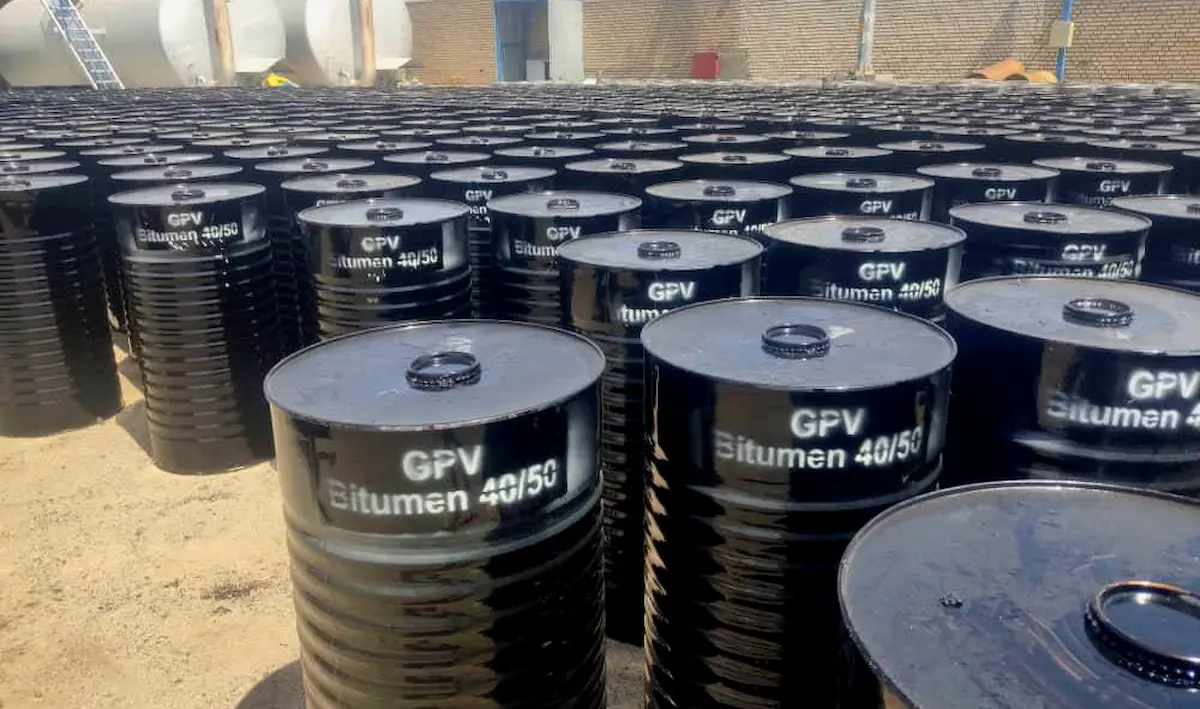
- Penetration grade bitumen: 40/50 to 160/220 grades for different applications
- Polymer-modified bitumen: Enhanced performance characteristics
- Cutback bitumen: For spray applications and surface treatments
- Bitumen emulsions: Cold-mix and maintenance applications
- Special modified products: Climate-specific formulations
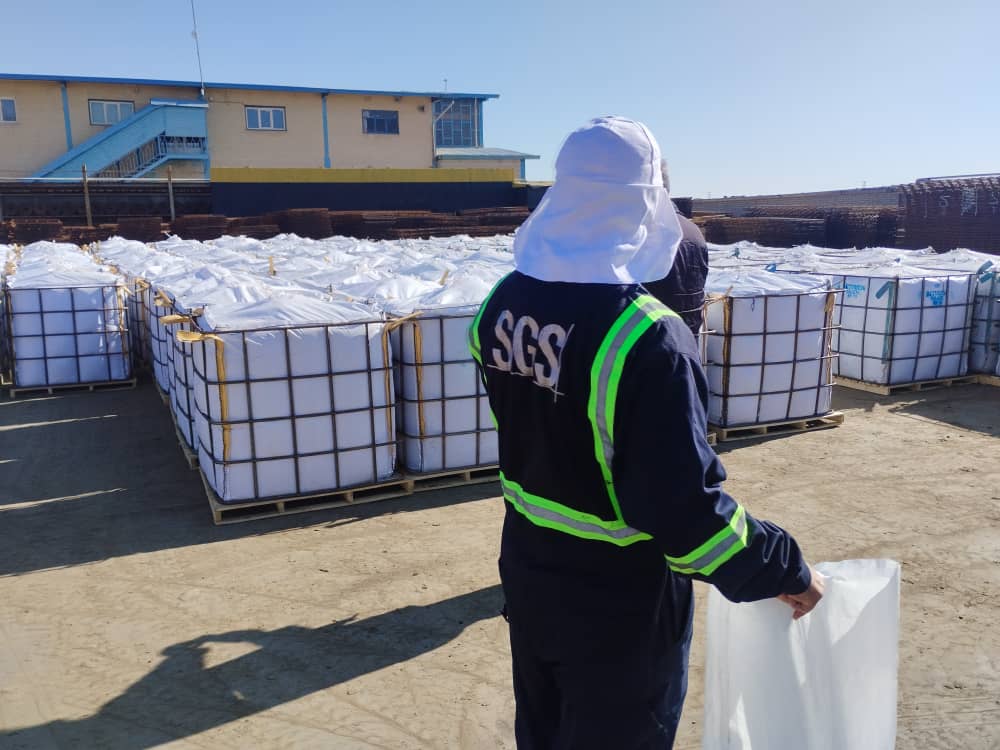
Each grade undergoes rigorous testing for penetration depth, softening point, ductility, and viscosity. Quality control protocols require testing at multiple stages, from import verification at ports to field acceptance testing during construction.
Testing procedures include:
- Port of entry inspections: Verify compliance with specifications
- Storage facility monitoring: Ensure proper handling and temperature control
- Pre-construction testing: Confirm material properties before use
- In-field quality checks: Monitor mixing and application parameters
- Post-construction verification: Ensure finished pavement meets standards
Future Outlook for Tanzania’s Bitumen Market
The future outlook for Tanzania’s bitumen market remains exceptionally positive. Government infrastructure investments, private sector construction activity, and regional integration projects collectively ensure robust market expansion.
Industry analysts project annual growth rates of 6-8% in bitumen consumption, outpacing general economic growth. This reflects the infrastructure-intensive development path Tanzania has embraced for the coming decade.
Emerging Market Opportunities
Several innovations are reshaping the bitumen market:
- Warm-mix asphalt technology: Lower temperature construction with environmental benefits
- Rubberized bitumen: Incorporates recycled tire rubber for enhanced performance
- Bio-based modifiers: Sustainable additives for improved characteristics
- Nano-technology applications: Next-generation performance enhancement
- Smart road materials: Sensors and self-healing capabilities
Strategic Development Areas
The development of local bitumen modification facilities represents a strategic opportunity. Currently, most modified bitumen products are imported at premium costs, but local production would improve price competitiveness.
Investment opportunities include:
- Local modification plants: Reduce import dependence and costs
- Regional storage facilities: Improve distribution efficiency
- Quality testing laboratories: Enhance quality control capabilities
- Training and certification programs: Develop skilled workforce
- Research and development centers: Adapt products to local conditions
Conclusion: Building Tanzania’s Future on Quality Bitumen Infrastructure
Tanzania’s bitumen market stands at the intersection of economic development, infrastructure modernization, and climate resilience. The growing demand driven by construction sector expansion and new infrastructure projects reflects a nation committed to building essential transportation networks.
Climate adaptation through appropriate bitumen grade selection ensures that these investments deliver long-term value. Minimizing maintenance costs while maximizing road service life remains a critical priority for sustainable development.
As Tanzania continues its development trajectory, the bitumen market will remain a critical enabler of progress:
- Connectivity improvement: Links communities and markets effectively
- Trade facilitation: Supports regional commerce and economic integration
- Job creation: Generates employment in construction and logistics sectors
- Quality of life enhancement: Provides reliable access to services and opportunities
- Economic growth acceleration: Enables efficient movement of goods and people

Gulf Petro Vision: Your Trusted Bitumen Supplier in Tanzania and Africa
Gulf Petro Vision has established itself as a leading bitumen supplier in Africa, with a particularly strong presence in Tanzania. As a trusted partner in the region’s infrastructure development, Gulf Petro Vision delivers premium-quality bitumen products tailored to meet the diverse climate and construction requirements across Tanzania.
With extensive experience in the African market, Gulf Petro Vision understands the unique challenges of Tanzania’s varied climatic zones. The company supplies a comprehensive range of bitumen grades, from penetration grade bitumen suitable for coastal highways to polymer-modified products for demanding highland conditions.
Gulf Petro Vision’s commitment to Tanzania includes:
- Consistent supply reliability: Ensuring uninterrupted project timelines
- Quality assurance: All products meet or exceed TBS and TANROADS specifications
- Technical support: Expert guidance on grade selection and application
- Competitive pricing: Cost-effective solutions without compromising quality
- Timely delivery: Efficient logistics network covering major construction zones
- Climate-adapted products: Specialized formulations for Tanzania’s diverse regions
By partnering with GPV, contractors, government agencies, and developers gain access to world-class bitumen products backed by decades of industry expertise. The company’s commitment to excellence has made it the preferred choice for major infrastructure projects across Tanzania, from the coastal regions of Dar es Salaam to the highland roads of Arusha and beyond.
For reliable, high-quality bitumen supply in Tanzania and throughout Africa, Gulf Petro Vision stands ready to support your infrastructure development needs with proven products, technical expertise, and unwavering commitment to customer success.