Bitumen Iso Tank Alternatives: Find the Right Solution
Bitumen Iso Tank Alternatives are increasingly sought after as businesses optimize their supply chains. This article provides a technical, analytical comparison of ISO tanks and flexitanks for bitumen transport, alongside other bulk shipping options. We’ll explore cost, safety, regulations, and best practices to aid informed decision-making for importers and exporters. Gulf Petro Vision L.L.C offers expertise in navigating these complexities.
What are the Bitumen Iso Tank Alternatives and how do regulatory frameworks treat them?
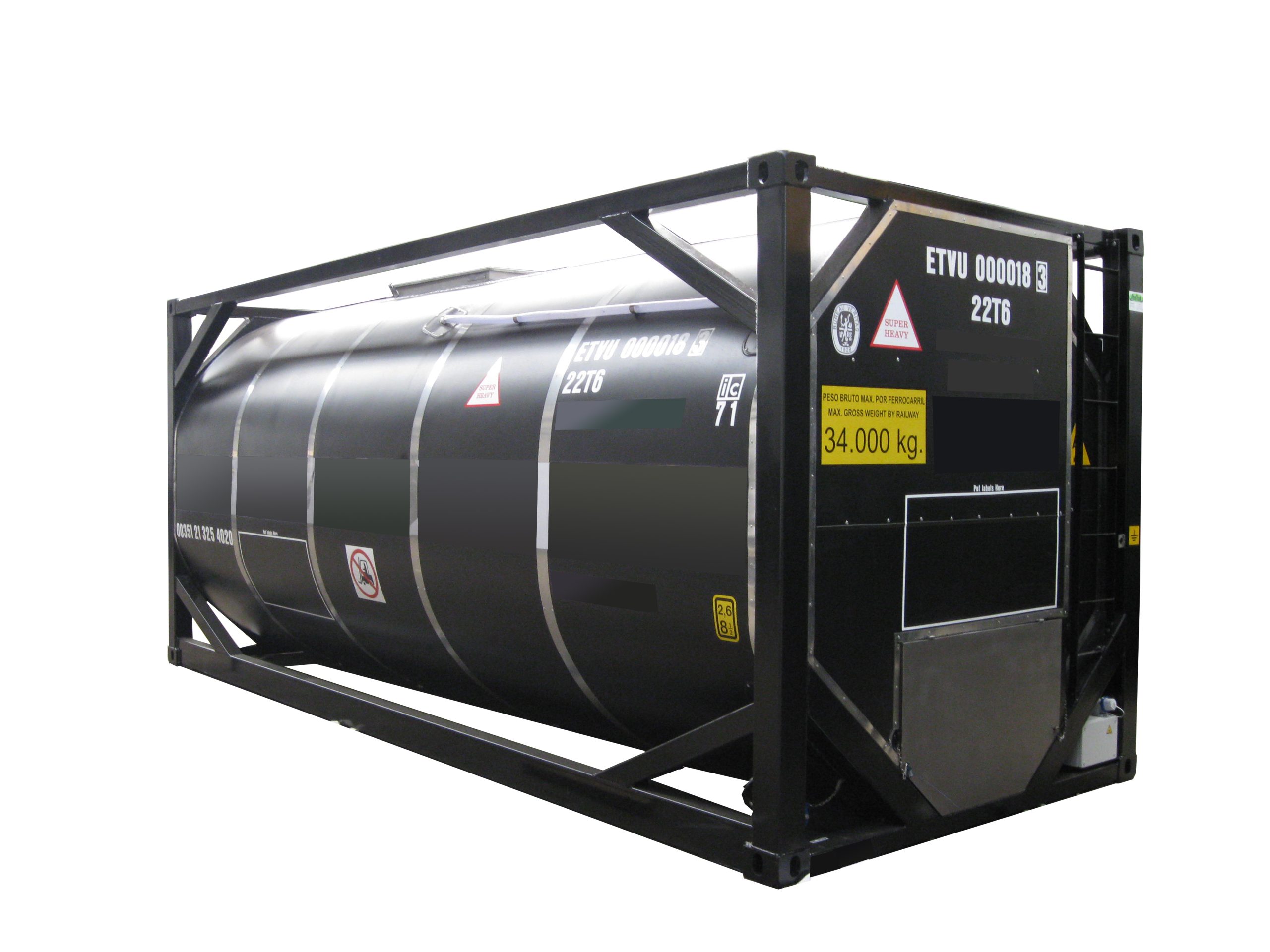
When moving hot bitumen, shippers can choose between a flexible bag system (flexitank) or a steel ISO tank. Both options fall under the umbrella of Bitumen Iso Tank Alternatives, yet each is subject to distinct regulatory expectations. Flexitanks are classified as bulk liquids in flexible containers, while ISO tanks are considered packaged hazardous goods. The classification determines the required testing, marking, and packaging certificates, influencing the overall compliance burden.
How do international codes like IMDG, ADR, and RID shape the safety and documentation for flexitanks and ISO tanks?
Across most jurisdictions the International Maritime Dangerous Goods (IMDG) Code, the European ADR (road) and RID (rail) regulations dictate the core safety requirements. For flexitanks, the IMDG Code mandates a “non‑rigid container” approach, requiring leak‑proof seals, temperature‑resistant liners, and a load‑bearing certification. ISO tanks must meet the UN Model Regulations for packed containers, including pressure‑vessel testing and periodic inspections.
| Non‑rigid, easier to load | Rigid, higher structural integrity |
| Limited to 30 °C‑40 °C | Can handle >200 °C with heating coils |
| One‑time use | Reusable up to 10 cycles |
Regional variations – for instance, Gulf Cooperation Council (GCC) states may require additional thermal‑insulation certificates, while North America often adds a Transportation of Dangerous Goods (TDG) endorsement. These nuances raise compliance costs through extra documentation, third‑party inspections, and insurance premiums.
What upcoming changes by 2026 could affect importers using these Bitumen logistics solutions?
Regulators are expected to tighten temperature‑control monitoring, mandating real‑time data loggers for heated bitumen shipments. A forthcoming amendment to the IMDG Code (2025 revision) introduces a specific “heated bitumen” classification, triggering stricter ventilation and fire‑suppression provisions. Importers will need to invest in compatible monitoring devices and update their safety data sheets.
Key compliance challenges include aligning internal SOPs with evolving documentation standards, budgeting for recurring calibration of temperature sensors, and ensuring that freight forwarders are certified to handle the new classification. For a deeper dive into packaging considerations, see the comprehensive bitumen packaging guide.
Shipping bulk bitumen demands a clear picture of every cost element, from the moment the material leaves the refinery to its final receipt at the construction site. In 2026, fuel price volatility and occasional port bottlenecks make it essential to model each expense line‑by‑line. The following analysis breaks down the economics of the two most common containers – flexitanks and ISO tanks – while also showing how they compare with drums and IBCs.
What are the true costs of Bitumen Iso Tank Alternatives for bulk shipping?
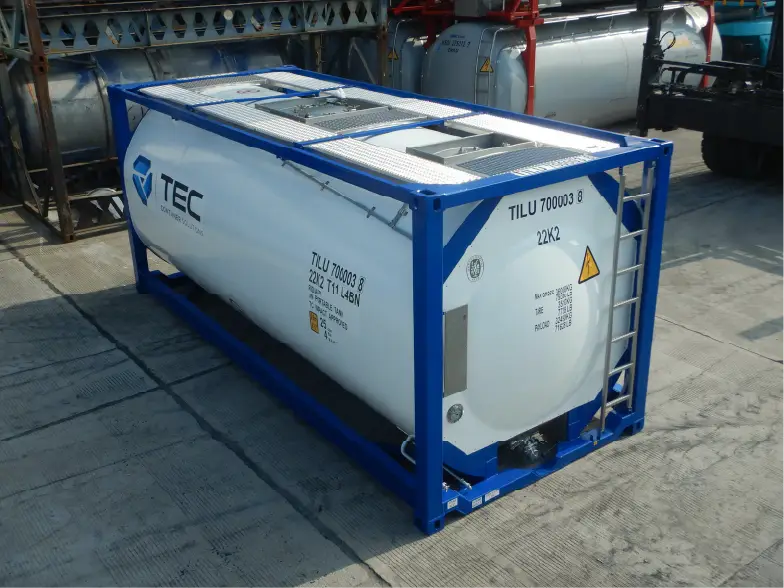
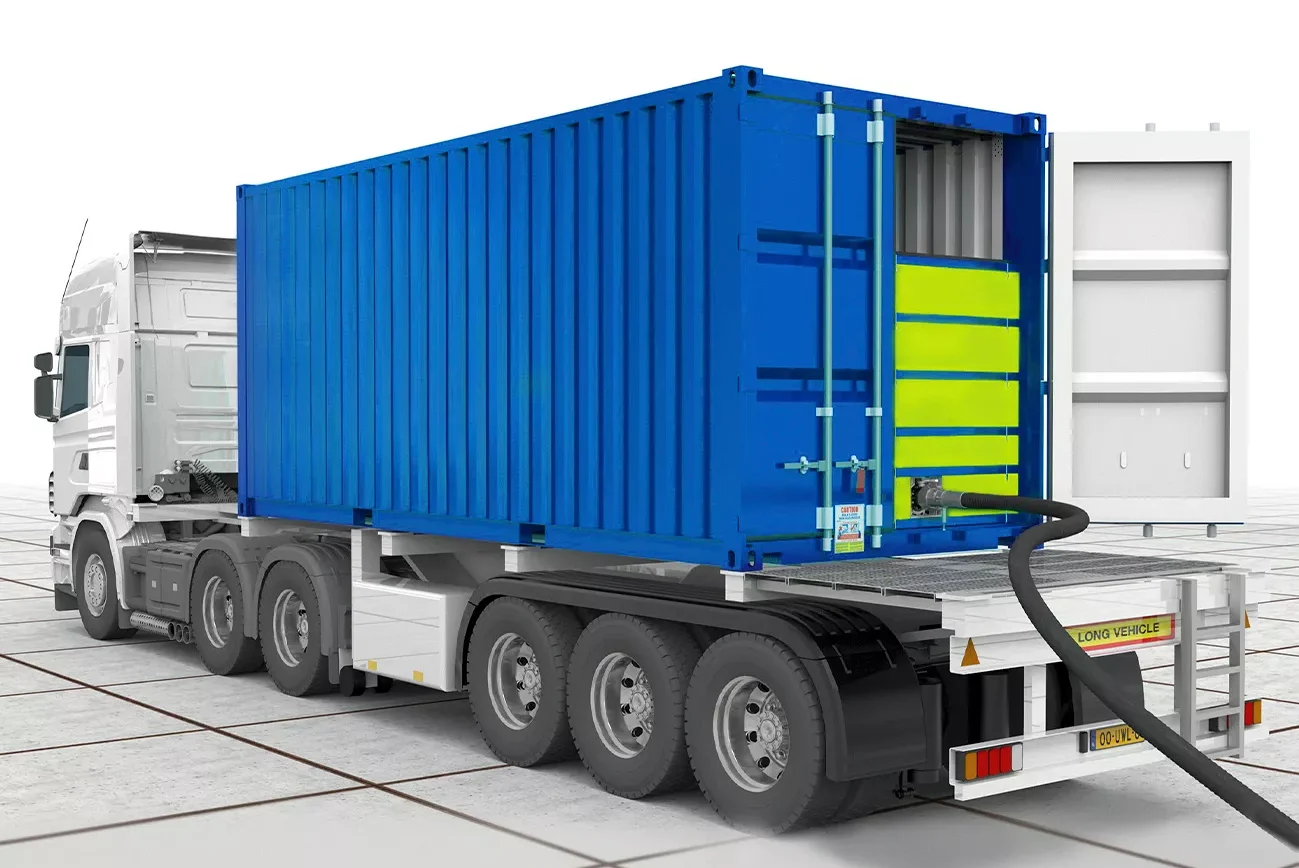
Both flexitanks and ISO tanks can be purchased outright or rented per shipment. Rental fees for a 20‑ton heated flexitank typically include a single‑use cleaning surcharge, whereas ISO tank rentals add a recurring cleaning contract and a higher deposit. Transportation costs differ because a flexitank occupies the full trailer volume, allowing three loads per 40‑ft container, while an ISO tank takes up the entire chassis. Loading and unloading also vary: flexitanks require a heated pump system but no crane, whereas ISO tanks need a forklift and occasional heated dock.
Cost comparison chart – figures reflect average 2026 market conditions.
How do distance, volume and specific routes reshape the total cost?
Longer sea legs raise fuel surcharges for both options, but the impact is amplified for ISO tanks because their higher dead‑weight reduces payload efficiency. On high‑traffic routes (e.g., Rotterdam‑Jeddah) congestion can add demurrage; flexitank carriers often benefit from quicker turnaround due to their ability to discharge directly into storage silos, cutting demurrage by up to 30%.
How does a flexitank’s space utilization translate into cost savings?
This advantage also reduces the number of return trips required, trimming reverse‑logistics costs and emissions.
How do flexitanks compare with drums or IBCs for cost‑effective bitumen transport?
Drums and IBCs incur higher handling fees, require multiple lifts, and generate significant empty‑weight penalties. Their total landed cost per tonne can be 40–60% higher than a flexitank, especially when shipping distances exceed 150 km.
PROS of Flexitanks
- Maximized trailer space – up to 100 % fill.
- Lower return‑logistics expenses.
- Reduced crane and demurrage fees.
CONS of ISO Tanks
- Higher rental and cleaning costs.
- Limited payload due to tank walls.
- Potential for longer port stays.
For a deeper dive into the operational nuances of flexitank packaging, see our comprehensive bitumen flexitank guide, which outlines handling, safety compliance, and temperature control best practices for 2026.
International bitumen shipments face unique challenges—temperature control, contamination risk, and tight delivery windows. By expanding the toolbox beyond traditional ISO containers, traders can fine‑tune logistics to match market demand, reduce inventory holding costs, and improve resilience against disruptions.

Why consider Bitumen Iso Tank Alternatives for international shipping?
Flexitanks and dedicated heated ISO tanks offer complementary strengths. Flexitanks provide a single‑use, flexible liner that can be loaded into standard 20‑ft dry cargo containers, cutting turnaround time and eliminating the need for specialized cleaning. Heated ISO tanks, on the other hand, maintain product temperature throughout transit, ensuring flow properties for high‑viscosity grades. Both options enable quicker vessel loading, lower demurrage risk, and greater adaptability to fluctuating order sizes.
How do lead times and inventory management differ among flexitanks, ISO tanks, and bulk shipments?
Lead times are a decisive factor for just‑in‑time supply chains. Flexitanks can be pre‑filled offshore and shipped directly, typically arriving within 12 days, whereas heated ISO tanks require additional temperature‑monitoring equipment, extending the window to about 18 days. Traditional bulk carriers, while offering the lowest per‑ton cost, often need 25 days or more due to port congestion and discharge logistics.
Lead time comparison for 2026 across the three major transport modes.
What safety and risk mitigation measures are unique to each transport method?
Heat‑controlled ISO tanks incorporate insulated walls and active heating loops, reducing the chance of solidification during long voyages. Flexitanks, constructed from food‑grade polyethylene, feature leak‑tight seams and a sealed valve system that minimizes contamination. Bulk shipments rely heavily on ship‑board heating coils, which demand rigorous crew training and adherence to the comprehensive guide to bitumen flexitank packaging standards for safe handling.
Which option fits the needs of importers versus exporters?
PROS
- Flexitank: reduced contamination risk and quick turnaround.
- ISO Tank: superior temperature control for premium grades.
- Bulk: lowest unit cost for high‑volume contracts.
CONS
- Flexitank: single‑use cost can be higher for small batches.
- ISO Tank: higher upfront equipment investment.
- Bulk: longer lead times and complex discharge procedures.
How can Gulf Petro Vision L.L.C streamline compliance and logistics in 2026?
Gulf Petro Vision offers end‑to‑end coordination—securing heated ISO tanks, arranging flexitank freight forwarders, and managing customs documentation in line with the latest bitumen transport regulations. Their expertise in temperature‑monitoring technology and real‑time tracking ensures that shippers meet delivery windows while maintaining product integrity, turning the complexity of international bitumen shipping into a predictable, cost‑effective operation.
Evaluating Bitumen Iso Tank Alternatives requires a nuanced understanding of your specific logistical needs. This analysis highlights the strengths and weaknesses of each method, from ISO tanks to flexitanks, considering factors like cost, safety, and regulatory compliance. For expert guidance on bitumen logistics solutions and supply chain optimization, connect with Gulf Petro Vision L.L.C today.