Bitumen Supplier in Sudan: Prices & Sourcing Guide
Bitumen Supplier in Sudan is crucial for the nation’s expanding infrastructure. Sudan’s road network is undergoing significant development, driving demand for high-quality bitumen for paving and construction. Gulf Petro Vision L.L.C, a leading Omani petrochemical supplier, provides comprehensive bitumen solutions tailored to meet Sudan’s specific needs, ensuring project success and longevity.
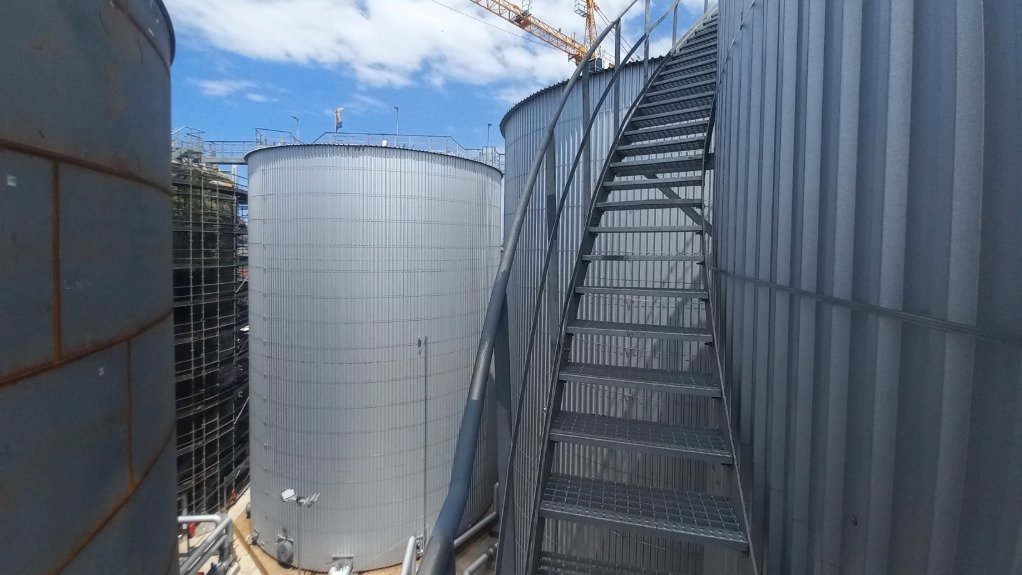
Sudan’s bitumen market is tightly linked to global oil dynamics, domestic fiscal policy, and the accelerating pace of road‑building programmes. Understanding how these variables intersect helps buyers and the Bitumen Supplier in Sudan shape realistic cost expectations and negotiate competitively.
How do crude‑oil price movements shape Sudan bitumen prices?
Bitumen is a refinery derivative; when Brent or Dubai crude climbs, the feedstock cost for local refineries rises, pushing the wholesale price of penetration, emulsified and polymer‑modified grades upward. Conversely, periods of oil price weakness can translate into modest cost relief, but Sudan’s reliance on imported specialty binders blunts the full benefit of lower crude rates.
What role do import duties and transport costs play for a Bitumen Supplier in Sudan?
Import tariffs on bitumen range between flat fees and ad‑valorem rates that are recalibrated each fiscal year. Added to this are port‑handling charges at Port Sudan and the inland haulage expenses to Khartoum and the southern provinces. The combined duty‑plus‑logistics surcharge can represent a significant share of the landed cost, especially for emulsified and modified products that require temperature‑controlled shipments.
Historical cost index reflecting duty and transport adjustments (normalized units).
Which bitumen grades drive price differentials in Sudan’s market?
Three principal grades dominate:
- Penetration‑grade bitumen (30/40, 50/70) – suited for conventional surface layers; priced lowest due to simple refining.
- Emulsified bitumen – water‑based binder for cold‑mix applications; commands a premium for its handling convenience.
- Polymer‑modified bitumen – engineered for high‑temperature climates and heavy traffic; the most expensive grade because of additional additives.
When comparing with neighboring East African markets, Sudan’s penetration grade tends to sit near the regional median, while emulsified and modified grades often exceed neighbors by 10‑15 % due to higher import reliance.
| Penetration grade | Comparable |
| Emulsified grade | Higher |
| Modified grade | Higher |
What are the forecasted trends for Sudan bitumen prices through 2026?
Government‑backed infrastructure corridors – notably the “North‑South Highway” and the “Red Sea Economic Zone” – will raise total annual demand for bitumen by an estimated 20 % over the next three years. This demand surge is expected to outpace supply growth, creating modest upward pressure on prices, especially for modified binders.
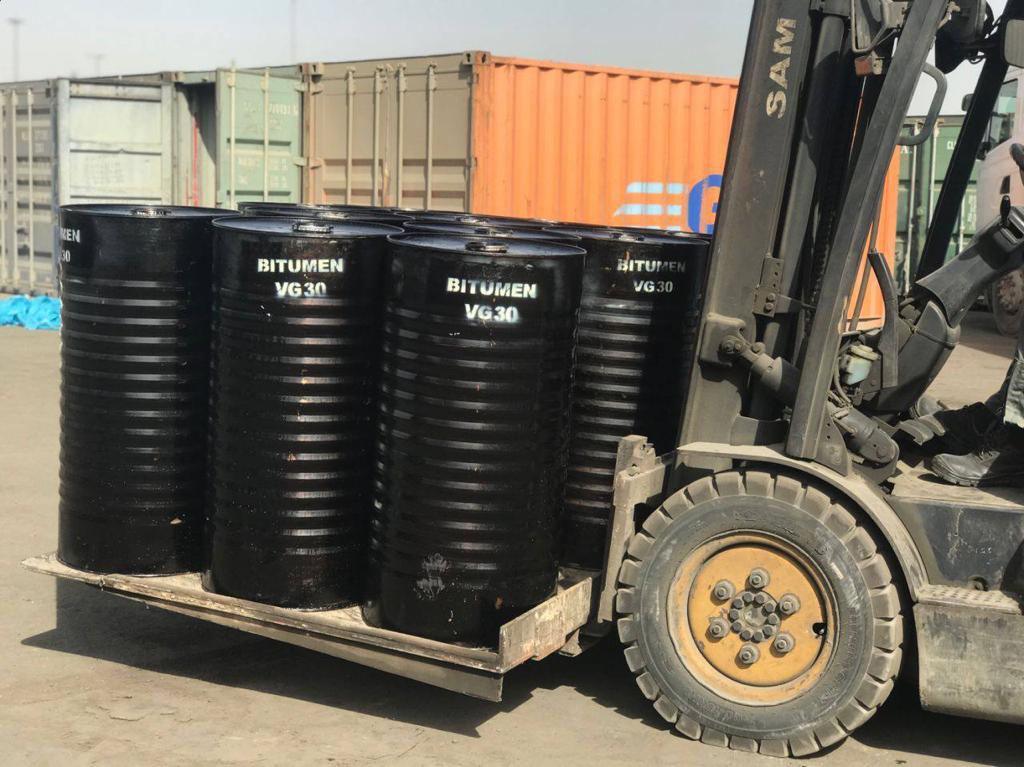
However, the anticipated commissioning of a new domestic refinery in Port Sudan could lower reliance on imports for penetration grades, tempering price escalation. Global market outlook suggests a steady‑state crude price corridor, which, combined with predictable duty structures, points to a relatively stable price environment, with volatility mainly tied to project‑specific procurement windows.
For the best bitumen supplier Sudan stakeholders, the key is to align procurement schedules with project milestones, hedge against duty revisions, and monitor the refinement capacity coming online. By doing so, they can mitigate price volatility and secure reliable supply for the nation’s expanding road network.
What are the main bitumen grades used in Sudan’s road construction?
Sudan’s highway network and rural feeder roads rely on three principal categories of bitumen: penetration‑grade bitumen, emulsified bitumen, and polymer‑modified bitumen. Each grade is selected to match traffic intensity, climatic exposure, and the functional life expected from the pavement. The most common penetration grades are 40/50 and 60/70, which meet both local practice and the specifications outlined in ASTM D5 and EN 12591.

How does a Bitumen Supplier in Sudan choose the right grade for a project?
Suppliers assess the design speed, axle loads, and sub‑grade conditions before recommending a grade. For a 30 km stretch of national highway linking Khartoum to Port Sudan, a 40/50 penetration grade is typically paired with a dense‑graded asphalt mix to withstand heavy freight traffic and high ambient temperatures. In contrast, isolated village roads often use 60/70 penetration grade, providing a cost‑effective solution with adequate durability under lower traffic volumes.
Which grade is ideal for high‑traffic highways versus rural roads?
High‑traffic corridors demand superior rut resistance and temperature stability. Penetration‑grade 40/50, sometimes enhanced with a low‑temperature additive, delivers a higher softening point (≈ 55 °C) suitable for Sudan’s hot season. Rural roads, where traffic is intermittent and budgets are tighter, perform well with 60/70 penetration grade, offering easier handling during construction.
Chart shows the relative usage of different bitumen grades across Sudan’s road construction projects.
When are emulsified and modified bitumen preferred?
Emulsified bitumen, supplied as a stable water‑oil mix, is favored for surface treatments, tack coats, and rehabilitation of existing pavements. Its cold‑mix application reduces energy consumption and allows work during the cooler evenings of the desert climate. Polymer‑modified bitumen, often styrene‑butadiene‑styrene (SBS) or crumb‑rubber enhanced, is increasingly adopted for major expressways and airport access ways. The modification improves elasticity, reduces thermal cracking, and extends service life by up to 30 %.
What specifications govern bitumen grades in Sudan?
Sudan aligns its technical requirements with international standards. The primary references are:
- ASTM D2171 for penetration‑grade bitumen.
- ASTM D977 for emulsified bitumen.
- EN 12591 for performance‑graded bitumen, which includes softening point, ductility, and viscosity limits.
These standards are incorporated into the national “Road Construction Materials Sudan” manual, ensuring that every shipment—whether imported or locally refined—meets the same quality baseline.
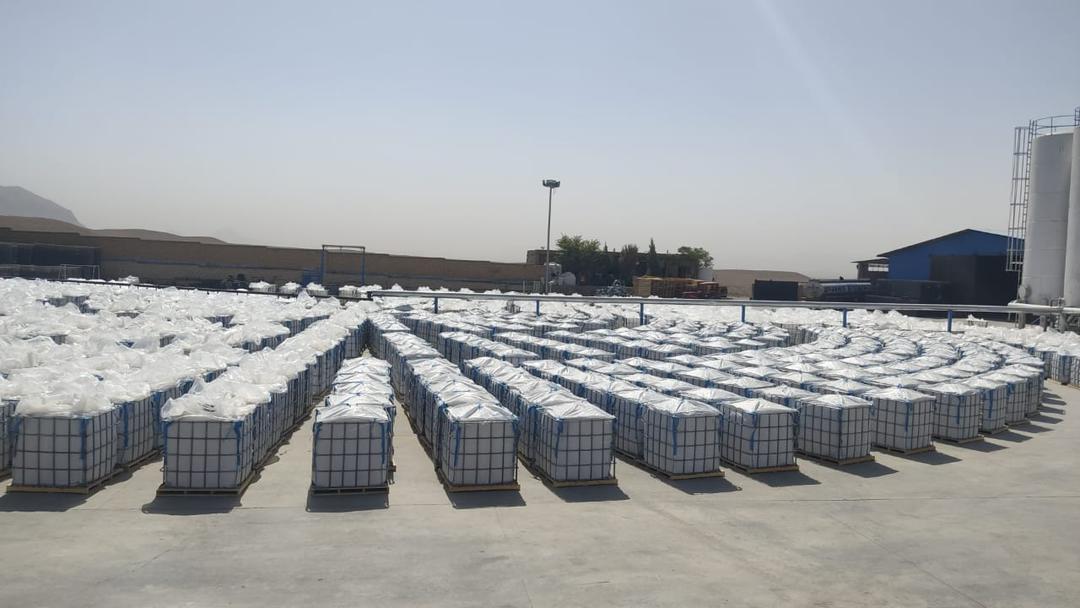
Why is the demand for modified bitumen growing in Sudan?
Infrastructure development Sudan is accelerating, with several multi‑lane corridors slated for completion before 2026. The rising traffic loads, combined with a push to reduce long‑term maintenance costs, drive a shift toward polymer‑modified binders. Projects such as the Sudan road projects bitumen demand forecast highlight a 15 % annual increase in the use of modified bitumen for new pavement layers.
PROS
- Enhanced temperature susceptibility.
- Improved fatigue resistance.
- Longer pavement lifespan.
CONS
- Higher initial material cost.
- Specialized mixing equipment required.
By understanding the nuances of each bitumen grade, engineers, contractors, and the best bitumen supplier Sudan can make informed sourcing decisions that align with both performance expectations and fiscal constraints.
Securing a reliable source of bitumen is the cornerstone of any successful road‑construction programme in Sudan. Whether your project sits in the bustling corridors of Khartoum or stretches across the western states, the choice between domestic suppliers and imported cargo affects cost, schedule, and long‑term pavement performance. This guide breaks down the sourcing landscape, highlights logistical hurdles, and provides a checklist for vetting the most dependable partners.
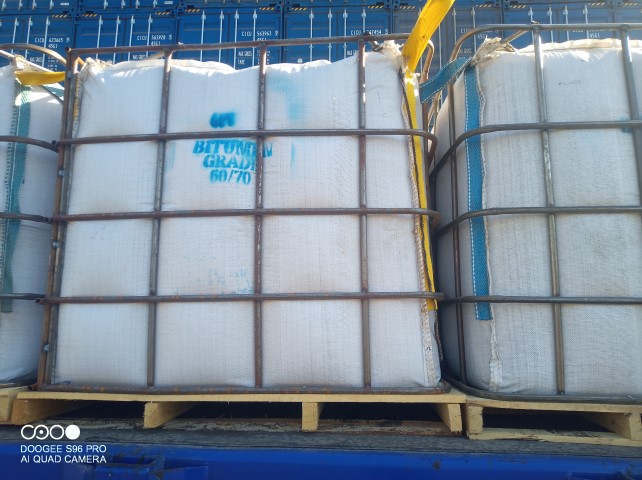
Which Bitumen Supplier in Sudan Should You Trust for Your Khartoum Projects?
Khartoum hosts the majority of the country’s bitumen suppliers, many of which operate depots directly adjacent to the port of Kosti and the highway network feeding the capital. Local firms often provide quick turn‑around on penetration grade bitumen Sudan and modified bitumen Sudan, with the added benefit of on‑site testing labs that can verify compliance with Sudanese specifications. However, the market size can limit the range of grades available, and occasional supply gaps arise during peak construction seasons.
What Are the Pros and Cons of Importing Bitumen Versus Buying Locally?
PROS
- Access to a broader spectrum of grades, including high‑performance polymer‑modified blends.
- Potential cost advantages when global crude oil prices are low.
- Ability to source specialized products such as emulsified bitumen Sudan for cold‑mix applications.
CONS
- Longer lead times due to sea freight and customs clearance.
- Higher risk of temperature‑related degradation during transport.
- Complex documentation and possible tariff fluctuations.
How Do Port and Transport Infrastructure Affect Bitumen Imports?
Most imported bitumen arrives via the Port of Port Sudan, then moves by road or rail to storage tanks in Khartoum, Al‑Qadarif, or the Red Sea corridor. Limited covered storage capacity can expose hot‑mix deliveries to ambient temperature swings, increasing the chance of premature aging. The primary rail link between Port Sudan and Khartoum is functional but subject to schedule irregularities, while trucking routes contend with seasonal sandstorms and occasional road‑work bottlenecks.
Chart reflects the relative contribution of each transport segment to overall delivery delays.
What Steps Should You Take to Verify Supplier Credibility?
Begin with a document audit: request ISO‑9001 certification, recent export‑import permits, and a copy of the latest laboratory test report that aligns with the bitumen specifications Sudan (e.g., penetration, ductility, softening point). Next, conduct a site visit to assess storage conditions, loading equipment, and safety protocols. Finally, cross‑reference the supplier’s track record with recent Sudan road projects bitumen demand announcements; consistent involvement in high‑profile contracts signals operational stability.
Are There Regulatory Pitfalls When Importing Bitumen into Sudan?
Sudan’s customs authority requires a detailed Commodity Code declaration for bitumen, accompanied by a Certificate of Origin and a recent MSDS sheet. Import licences are granted on a first‑come, first‑served basis, and any deviation from the declared grade can trigger fines or a hold on shipment. Moreover, the Ministry of Transport periodically imposes anti‑dumping duties on certain foreign bitumen grades, so staying updated on tariff notices is essential.
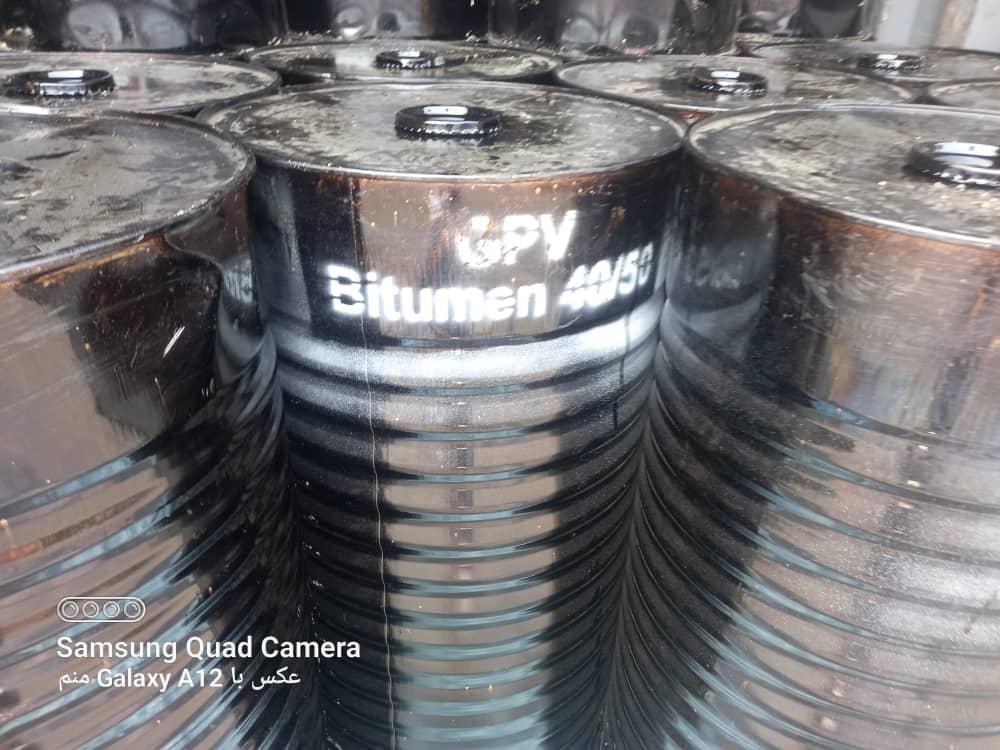
How Can You Balance Cost, Quality, and Delivery Speed for Road Construction Materials Sudan?
Develop a hybrid sourcing model: secure a baseline supply of standard penetration grades from a vetted bitumen suppliers Khartoum partner, then supplement with imports of high‑performance polymer‑modified blends when project specifications demand it. Use the following decision matrix to weigh each factor:
| Lead Time: 2‑4 weeks | Lead Time: 6‑10 weeks |
| Grade Variety: Limited | Grade Variety: Extensive |
| Customs Risk: Low | Customs Risk: Medium‑High |
By systematically evaluating each option against project timelines, budget constraints, and performance requirements, you can secure the most appropriate bitumen for road paving Sudan while minimizing exposure to supply‑chain disruptions.
What key infrastructure projects are fueling bitumen demand in Sudan?
Sudan’s infrastructure agenda has entered a decisive phase, with the Ministry of Transport and Roads launching a portfolio of multi‑billion‑dollar projects. The North‑South Highway Expansion aims to link Khartoum with Port Sudan, adding 1,200 km of dual carriageway. Parallelly, the East West Rural Access Program targets over 5,000 km of feeder roads to connect agricultural zones in the Blue Nile and Darfur regions. Urban centers such as Omdurman and Port Sudan are seeing extensive paving initiatives, including a 150 km inner‑city resurfacing scheme that integrates modern drainage and lighting systems.
Projected demand based on announced road and highway projects.
The cumulative effect of these initiatives translates into an estimated 210,000 tonnes of bitumen required by 2026, representing a 75 % increase over 2022 consumption.
How are Bitumen Supplier in Sudan influencing project timelines?
Local and regional bitumen suppliers are pivotal in maintaining the momentum of construction schedules. Suppliers in Khartoum provide a blend of penetration‑grade and modified bitumen, meeting the bitumen specifications Sudan for both highway and rural applications. Their proximity reduces logistics lead times, enabling rapid deployment of road construction materials Sudan to remote sites. Moreover, many suppliers have entered joint‑venture arrangements with the government, guaranteeing a steady feedstock through long‑term contracts tied to the national infrastructure development Sudan bitumen roadmap.

What role do international funding and development agencies play?
Financial backing from the African Development Bank (AfDB), the World Bank, and the United Nations Development Programme (UNDP) fuels nearly 60 % of the capital stack for Sudan’s road network. These institutions not only supply concessional loans but also stipulate performance‑based disbursements, meaning that bitumen procurement must align with strict delivery milestones. Their involvement encourages the adoption of higher‑quality emulsified bitumen Sudan and modified bitumen Sudan grades, which improve pavement longevity and reduce maintenance cycles.
How does increased bitumen demand translate into economic growth?
A robust road network lowers transport costs by up to 30 %, directly boosting the competitiveness of Sudan’s agricultural exports, especially sorghum and sesame. Enhanced connectivity also stimulates domestic trade, drawing investment into manufacturing hubs along the new corridors. The ripple effect creates jobs in construction, logistics, and ancillary services, reinforcing a positive feedback loop where higher bitumen for road paving Sudan consumption fuels GDP expansion.

What are the projected supply dynamics for 2026?
By 2026, bitumen imports are expected to decline as local refineries scale up capacity, yet the overall market will remain import‑reliant for specialty grades, such as high‑performance polymer‑modified binders. The anticipated growth in bitumen export Sudan to neighboring Ethiopia and South Sudan could also offset domestic shortages, creating a balanced trade environment.
PROS
- Accelerated project completion due to local supply chains.
- Improved road durability from advanced bitumen grades.
- Economic multiplier effect across sectors.
CONS
- Dependence on foreign financing introduces fiscal risk.
- Potential supply bottlenecks for specialty bitumen.
How does the Bitumen Supplier in Sudan navigate regulatory requirements?
Every entity that moves bitumen across Sudan’s borders must first obtain a commercial licence from the Ministry of Trade and Industry. The licence validates the company’s capacity to handle petroleum‑derived products and links it to the Sudanese Customs Authority’s approved importer or exporter register. In practice, the primary Bitumen Supplier in Sudan works closely with the National Oil and Gas Corporation (NOGC) to confirm that the grade and specification of the product—whether penetration grade bitumen, modified bitumen, or emulsified bitumen—meet the national standards set by the Sudanese Standards and Metrology Organization (SSMO).

What import duties and taxes apply to bitumen shipments?
Bitumen is classified under HS code 2710 and is subject to a customs duty ranging from 5 % to 12 % of the CIF value, depending on whether the product is designated for public road projects or private construction. An additional Value‑Added Tax (VAT) of 15 % is imposed on the duty‑adjusted value. For strategic infrastructure development, the government may grant duty exemptions on bulk imports supporting the Sudan road construction materials Sudan agenda, but formal approval must be recorded in the import permit.
Which licenses are mandatory for bitumen import and export?
Beyond the commercial licence, importers need a “Petroleum Products Import Permit” issued by the Sudanese Ministry of Energy and Mining. Exporters must secure an “Export Clearance Certificate” that confirms compliance with the Export Control Regulations, especially when shipping to neighboring countries under the COMESA framework. Failure to present these documents at customs can result in cargo seizure and penalties.
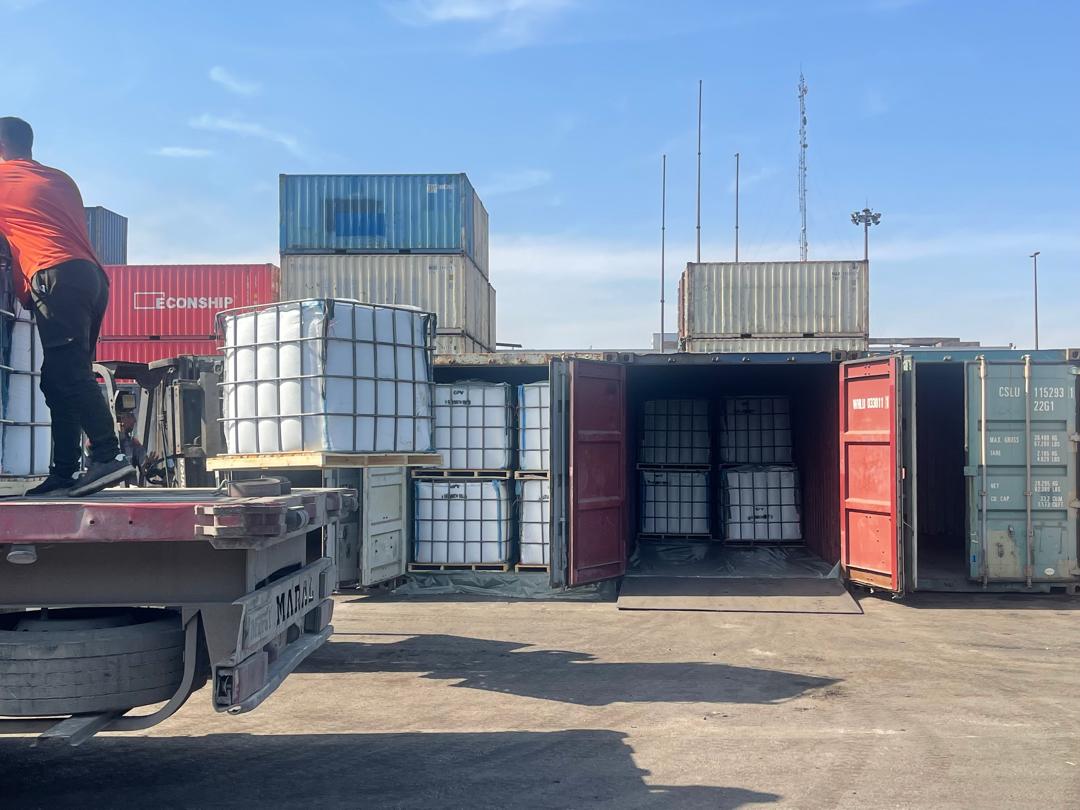
What logistical hurdles affect port and transport capacity?
Port Sudan remains the principal entry point for bulk bitumen, but its storage facilities are limited to 8 million kg of heated tanks. Seasonal sandstorms can curtail vessel berthing windows, forcing shipments to wait offshore. Once ashore, the road network to Khartoum and the western provinces suffers from inadequate paving, increasing the risk of temperature‑induced solidification during inland transport. Operators therefore rely on insulated tanker trucks equipped with heating coils to maintain the product above 150 °C.
Chart caption: Sudan’s net bitumen import exceeds export, driven by road‑building programmes.
How do trade agreements shape Sudan’s bitumen trade?
Sudan participates in the African Continental Free Trade Area (AfCFTA) and the Arab Maghreb Union, which provide reduced tariff rates for member states. However, specific “rules of origin” documentation must accompany each shipment to qualify for preferential duties. In practice, exporters targeting Egypt or Ethiopia must certify that at least 55 % of the bitumen’s value originates from Sudanese refining plants.
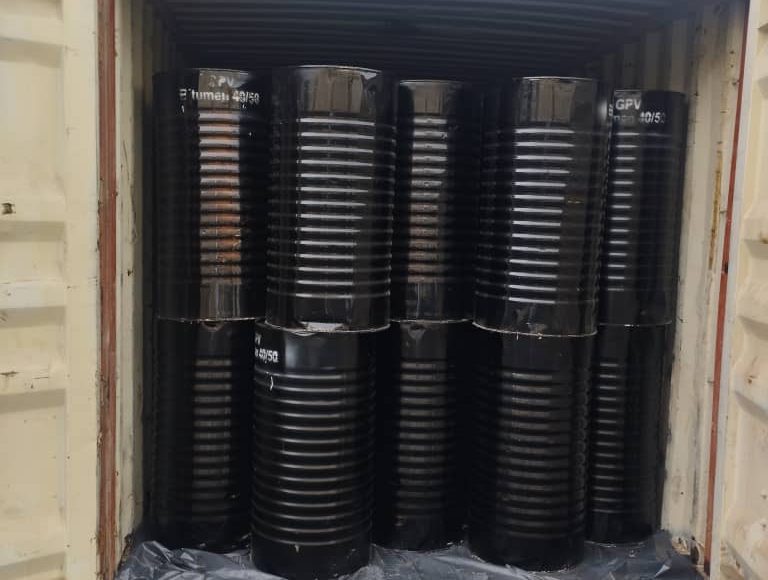
What quality control measures must importers meet?
All imported bitumen must undergo laboratory testing at an SSMO‑accredited lab. Key parameters include penetration at 25 °C, softening point, and viscosity at 60 °C. Certificates of Analysis (CoA) are required for each batch, and the Ministry of Transport may conduct random sampling at border posts. Non‑conformity can trigger mandatory re‑processing or repatriation of the cargo.
PROS
- Government incentives for infrastructure‑linked imports.
- Established customs procedures for petroleum products.
CONS
- Limited heated storage at Port Sudan.
- Seasonal transport disruptions due to poor road conditions.
Why choose this Bitumen Supplier in Sudan for your road projects?
Gulf Petro Vision L.L.C has positioned itself as the most dependable Bitumen Supplier in Sudan by aligning its extensive trading expertise with the country’s ambitious infrastructure agenda. Over the past decade the company has cultivated a deep‑rooted network of refineries, storage depots and port facilities that translates into uninterrupted supply chains for large‑scale road construction materials Sudan initiatives.

What grades of bitumen does Gulf Petro Vision offer to meet diverse project specifications?
The product portfolio spans three core categories:
- Penetration grade bitumen – ideal for high‑temperature paving and standard highway surfacing.
- Emulsified bitumen – designed for cold‑mix applications, rapid setting times and reduced environmental impact.
- Modified bitumen – polymer‑enhanced blends that deliver superior elasticity for heavy‑load corridors and climate‑resilient pavements.
Each grade complies with Sudan’s national bitumen specifications, ensuring that contractors can select the exact performance characteristics required for any segment of a highway or urban road network.
How does Gulf Petro Vision guarantee quality and technical conformity?
Quality assurance is embedded in every operational step. The company employs certified laboratories that perform rigorous testing against API and ASTM standards, covering penetration, softening point, viscosity and adhesion properties. Results are documented in traceable certificates, providing clients with full confidence that the supplied product meets or exceeds the demanded bitumen specifications Sudan thresholds.
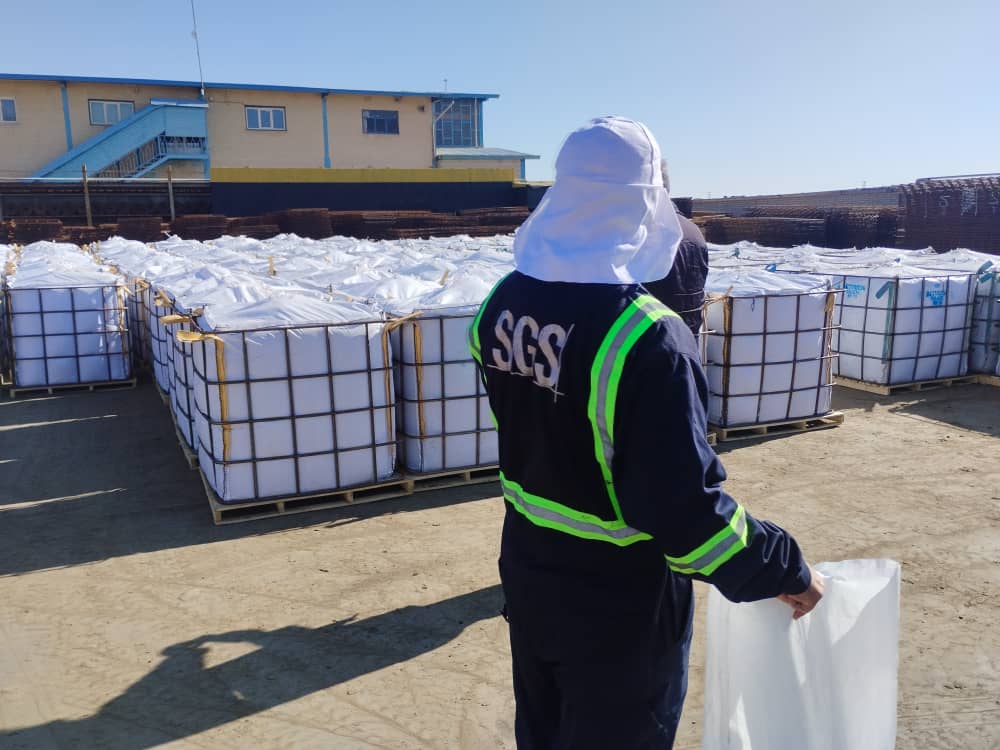
In what ways are logistics optimized to deliver bitumen efficiently across Sudan?
Strategic positioning of storage tanks at Port Sudan, Khartoum and key inland hubs enables rapid batch releases. The company’s fleet of insulated tanker trucks, equipped with temperature‑controlled systems, safeguards product integrity throughout transport. For large contracts, Gulf Petro Vision coordinates vessel shipments that align with port‑turnaround windows, minimizing demurrage and ensuring cost‑effective delivery.
Recent monthly distribution of bitumen grades supplied.
How does the company foster long‑term partnerships in Sudan’s evolving market?
Gulf Petro Vision’s market intelligence team continuously monitors Sudan road projects bitumen demand, regional policy shifts, and emerging construction technologies. This insight allows the firm to propose tailored supply schedules, flexible payment terms and collaborative forecasting that align with client project timelines. By prioritising swift response and transparent communication, the company builds trust that extends beyond single transactions.
Key Strengths
- Robust logistic network
- Comprehensive grade range
- Certified quality control

What makes Gulf Petro Vision a professional and proactive bitumen partner?
Professionalism is reflected in the company’s adherence to international trade compliance, its investment in staff training, and its readiness to mobilise emergency shipments during peak construction seasons. Proactive planning, combined with a customer‑first approach, positions Gulf Petro Vision as the best bitumen supplier Sudan can rely on for both current and future infrastructure development.
Understanding the landscape of a Bitumen Supplier in Sudan is vital for successful infrastructure projects. From varying grades to import/export dynamics, informed sourcing is key. Gulf Petro Vision L.L.C stands as a trusted partner, offering expertise and reliable supply. Contact us today to discuss your bitumen requirements and secure a competitive advantage for your projects in Sudan.