Iran Strengthens Diplomacy as US Talks Stall and Oil Markets React
Overview: Rising Uncertainty Despite Ceasefire Extension
Iran US tensions oil market 2026: As of 27 April 2026, tensions between Iran and the United States remain unresolved, even though a ceasefire is still in place. While the extension of the truce has helped prevent immediate escalation, it has not reassured markets or reduced geopolitical risks. Negotiations have slowed, no final agreement has been announced, and uncertainty continues to influence global energy prices, trade flows, and investor sentiment.
This ongoing instability is particularly important for the crude oil market, where supply routes, shipping security, and political developments are closely linked. As a result, both physical and financial markets are reacting cautiously, waiting for clearer signals on the future direction of the Iran US tensions oil market 2026.
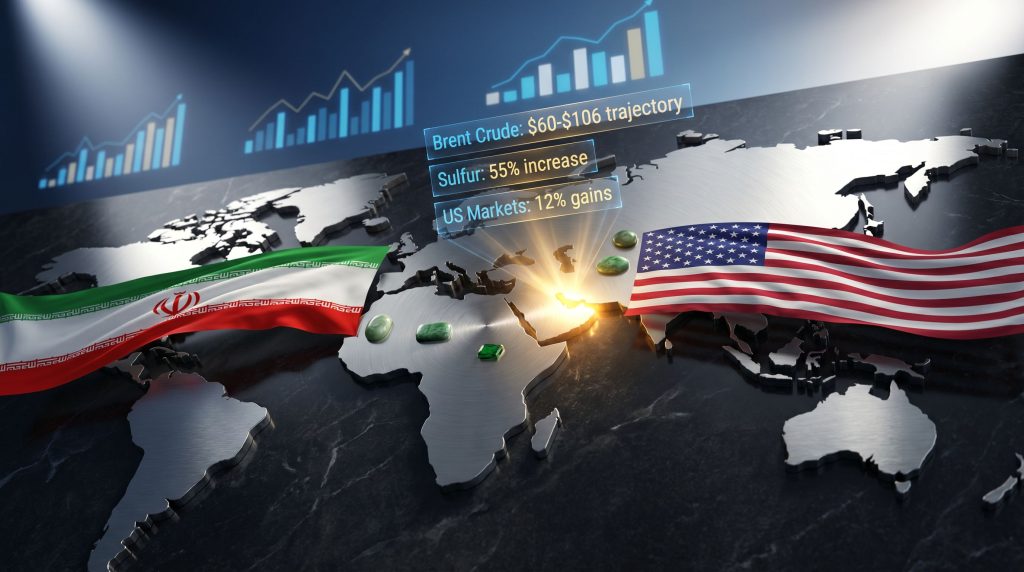
Iran’s Diplomatic Strategy Gains Momentum
In response to the stalled negotiations, Abbas Araghchi has intensified diplomatic outreach. His recent visit to St Petersburg highlights Iran’s effort to coordinate with key allies and reassess its geopolitical strategy.
During this trip, Araghchi is expected to meet senior Russian officials, including Vladimir Putin. These discussions are likely to focus on the current state of the conflict, the effectiveness of the ceasefire, and potential pathways to restart negotiations. Russia’s role is particularly important, as it maintains strong political and economic ties with Iran and can influence diplomatic dynamics on the global stage.
Iran’s approach reflects a broader strategy of “multi-track diplomacy,” where engagement with regional and global partners is used to strengthen its negotiating position. By maintaining active communication channels, Tehran aims to avoid isolation while seeking support for its stance in ongoing talks.
Why US–Iran Talks Have Reached a Deadlock
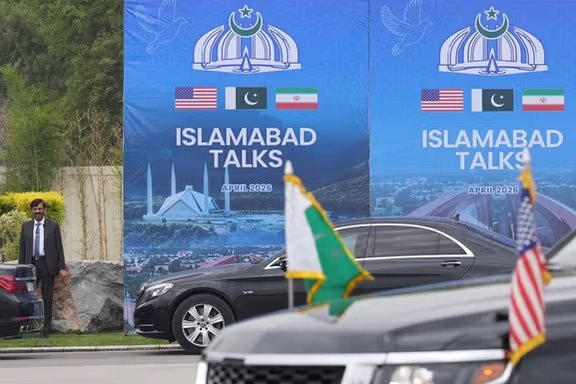
The recent slowdown in negotiations between Iran and the United States has raised concerns about the likelihood of a near-term resolution. Initial talks took place in Islamabad on 17 April, marking a rare moment of direct engagement between the two sides.
However, plans for a second round of discussions did not materialize. Iranian officials later indicated that disagreements over key issues prevented further progress. According to Tehran, certain demands from Washington were seen as excessive and unrealistic, making it difficult to move forward.
From a broader perspective, the deadlock reflects deep structural differences between the two countries. Issues such as regional influence, security guarantees, and economic sanctions remain highly contentious. Without compromise on these core topics, negotiations are likely to remain fragile.
Regional Diplomacy: Pakistan and Oman Play Key Roles
Before arriving in Russia, Araghchi visited Islamabad and Muscat as part of a regional diplomatic tour. These visits underline the importance of neighboring countries in facilitating dialogue and managing tensions.
In Pakistan, discussions focused on reviewing the progress of earlier talks and exploring conditions for continuing negotiations. Pakistan has positioned itself as a potential mediator, helping both sides maintain communication despite disagreements.
Meanwhile, talks in Oman centered on maritime security, particularly in the Strait of Hormuz. Oman has historically played a neutral and constructive role in regional diplomacy, often acting as a bridge between opposing parties.
Strait of Hormuz: A Critical Chokepoint Under Pressure
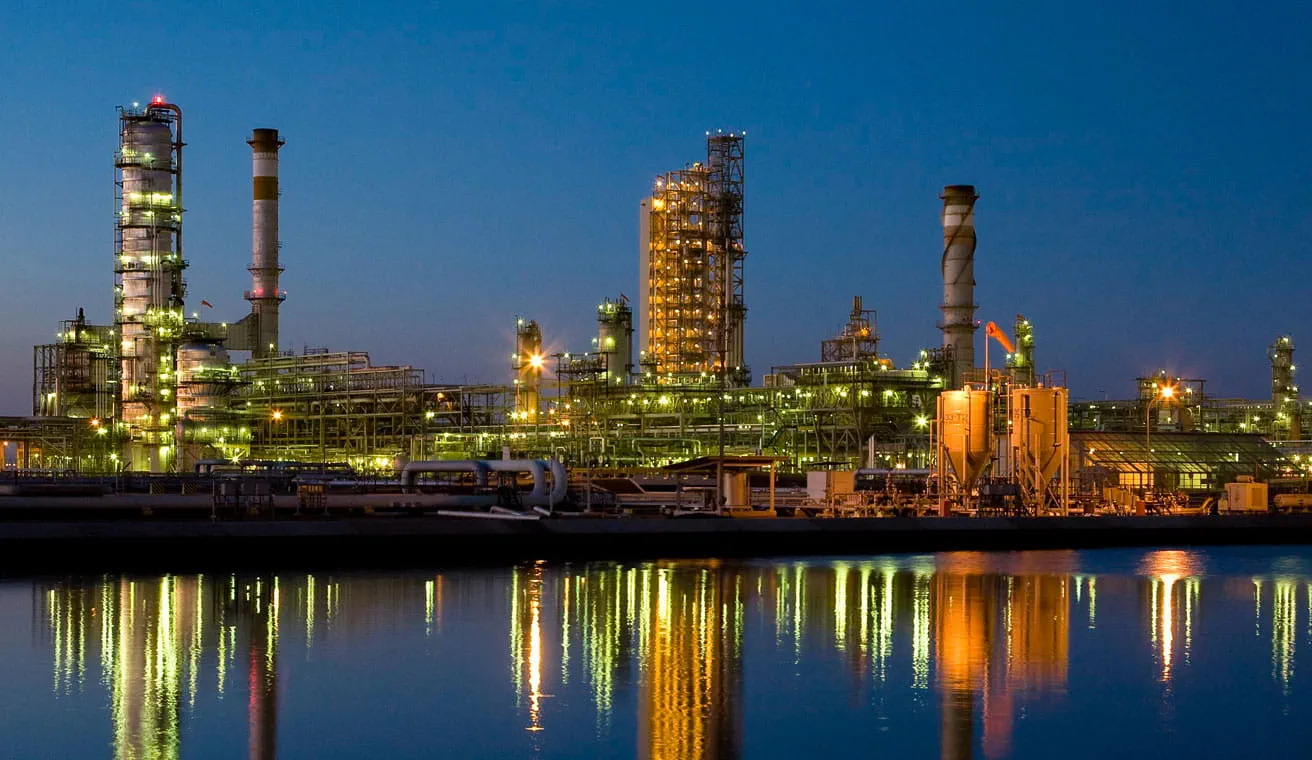
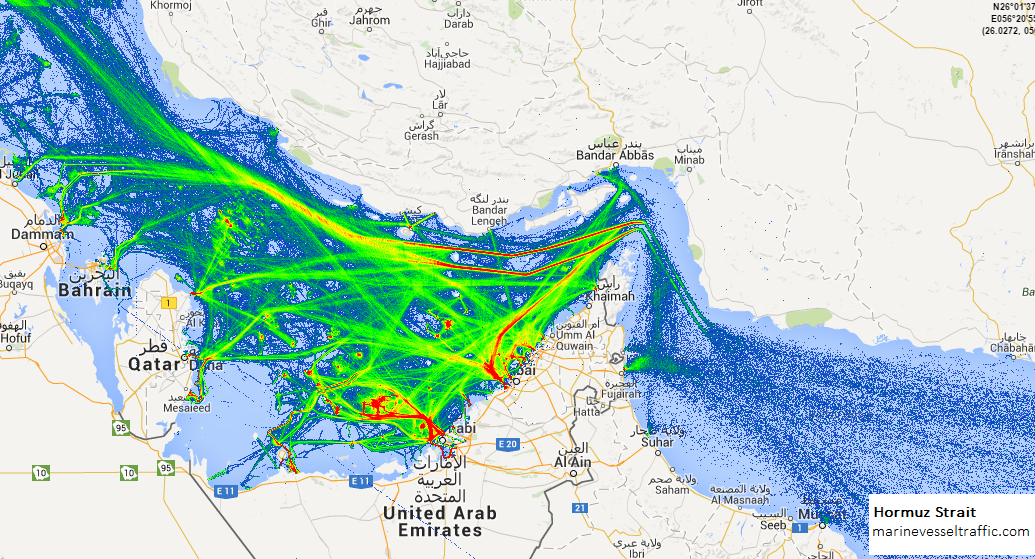
The Strait of Hormuz remains one of the most important—and most vulnerable—shipping routes in the world. A significant portion of global oil exports passes through this narrow waterway, making it a key focus for both geopolitical and market analysis.
Since the conflict escalated earlier this year, conditions in the strait have become increasingly unstable. There have been brief periods where limited vessel movement was possible, but restrictions have frequently returned. At the same time, US naval operations and enforcement measures have added another layer of complexity.
For shipping companies, this environment translates into higher operational risks. Insurance premiums have surged, transit times have become less predictable, and some operators are avoiding the route altogether. These disruptions are directly influencing freight rates and supply chain efficiency across the energy sector.
Impact on Global Crude Oil Prices-Iran US tensions oil market 2026
The geopolitical tension between Iran and the United States has had a clear impact on oil markets. Brent crude prices have moved above the $100 mark and were trading around $103 as of 23 April. This price increase reflects concerns about supply disruptions, shipping constraints, and the slow pace of diplomatic progress.
Market participants are closely monitoring developments in the Middle East, as any escalation could further tighten supply. Even the possibility of disruption is enough to influence pricing, as traders factor in risk premiums. Iran US tensions oil market 2026
In addition to physical supply concerns, speculative activity in financial markets is also contributing to volatility. Investors are reacting quickly to news headlines, creating short-term price swings that add to overall market uncertainty.
Financial Markets Remain Sensitive
Although financial markets in the United States have stabilized compared to the peak of the conflict, they remain far from fully secure. Equity markets, currency movements, and commodity trading are all influenced by geopolitical developments.
Investors continue to adopt a cautious approach, adjusting their positions based on the latest news from the Middle East. This sensitivity highlights the interconnected nature of global markets, where political events can have immediate financial consequences.
Shipping, Insurance, and Trade Disruptions
One of the most immediate effects of the conflict has been on global shipping and logistics. The combination of restricted routes, higher insurance costs, and operational uncertainty has disrupted normal trade patterns.
Shipping companies are facing difficult decisions about route selection, cost management, and risk exposure. Some are exploring alternative routes, while others are negotiating higher freight rates to offset increased expenses.
Insurance providers have also adjusted their pricing models, particularly for vessels operating in high-risk areas like the Strait of Hormuz. War-risk premiums have risen significantly, adding another layer of cost for traders and importers.
Broader Economic Impact: Beyond Oil
The consequences of the conflict are not limited to the energy sector. Fertilizer markets, agriculture, and global food supply chains are also experiencing pressure.
Higher energy costs directly affect the production of fertilizers, which rely on natural gas and other inputs. At the same time, increased transportation costs make it more expensive to distribute agricultural products.
These factors contribute to rising food prices and potential supply shortages in some regions. As a result, the geopolitical situation is having a ripple effect across multiple industries, highlighting the broader economic importance of stability in the Middle East.

The Role of Russia in the Ongoing Crisis
Russia’s involvement in the situation adds another layer of complexity. As a major energy producer and geopolitical actor, Russia has both the influence and the interest to shape outcomes in the region.
The expected meeting between Araghchi and Putin could provide valuable insights into how Russia plans to position itself. Whether Moscow will act as a mediator, a supporter, or a strategic partner remains a key question for analysts.
Outlook: What Lies Ahead for Markets and Diplomacy
Looking forward, the path to a comprehensive resolution remains uncertain. While diplomatic efforts are ongoing, significant challenges must be addressed before meaningful progress can be achieved.The continuation of the ceasefire provides a temporary window for dialogue, but it does not eliminate underlying tensions. Without clear breakthroughs in negotiations, markets are likely to remain volatile.
For the energy sector, this means continued sensitivity to geopolitical developments. Oil prices, shipping costs, and trade flows will all depend on how the situation evolves in the coming weeks.
Conclusion: A Fragile Balance Between Diplomacy and Risk
In summary, the extension of the Iran–US ceasefire has prevented immediate escalation but has not resolved the underlying conflict. Diplomatic efforts, including high-level visits and regional consultations, continue to play a crucial role.
However, the lack of progress in negotiations, combined with ongoing instability in key areas like the Strait of Hormuz, means that risks remain elevated.
For global markets, particularly crude oil, this creates an environment of uncertainty and caution. Until a more stable and predictable framework emerges, both political and economic stakeholders will need to navigate a complex and rapidly changing landscape.