Ceasefire Pressures, Naval Blockades, and Rising Stakes in U.S.–Iran Tensions
Conflict Update: A Fragile Pause Amid Escalation
A temporary ceasefire between Israel and Lebanon has emerged under urgent diplomatic pressure, but its stability remains uncertain. Brokered with speed, the 10-day truce was intended to prevent further disruption to ongoing negotiations involving Iran. However, its launch was far from smooth. Military activity continued until the final hours before the deadline, with casualties reported and skepticism voiced by key regional actors.
Hezbollah has already expressed doubts about the durability of the agreement, signaling that trust is limited. Meanwhile, Iran quickly endorsed the pause but linked it directly to broader negotiations with the United States, emphasizing that regional conflicts cannot be separated from nuclear and geopolitical discussions.
Washington’s Balancing Act
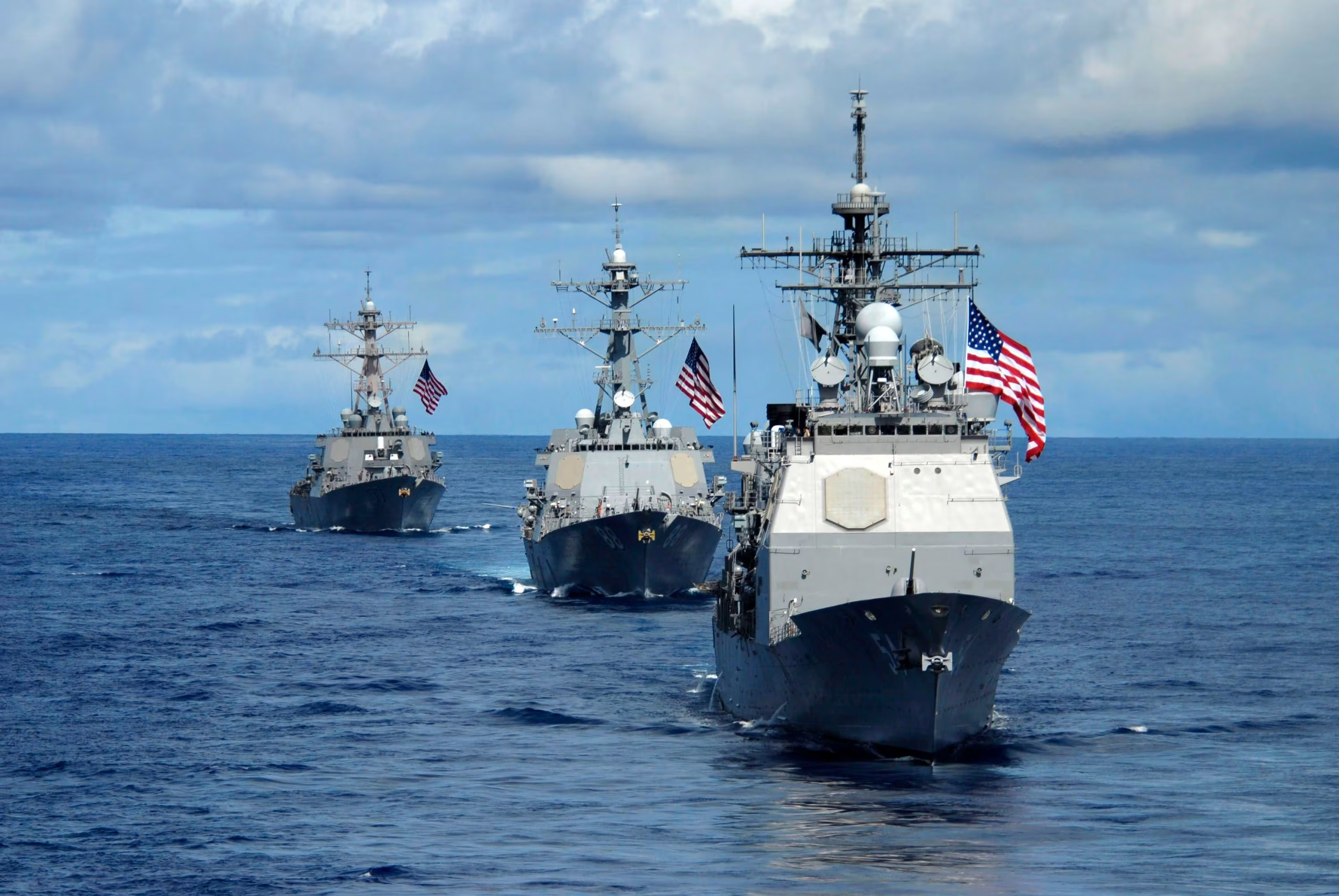
Behind the scenes, the U.S. administration is working to contain multiple pressure points simultaneously. Public statements from former President Donald Trump suggest confidence, framing the situation as progressing positively and nearing resolution. However, diplomatic signals indicate a more complex reality.
Efforts are underway to de-escalate tensions across several fronts, particularly by encouraging restraint from Israel while accelerating negotiations with Iran. Plans for renewed talks, potentially in Islamabad, highlight the urgency of reaching a broader agreement. The timeline is tightening, and Washington appears eager to shift momentum before domestic and international pressures intensify further.
Iran Holds Its Position
Tehran, for its part, is maintaining a firm stance. Iranian officials have resisted calls to scale back nuclear enrichment activities or relinquish existing stockpiles. Instead, the strategy appears focused on prolonging negotiations to gain leverage, pushing for concessions while capitalizing on the urgency felt by the U.S. side.
By linking the Lebanon ceasefire to wider regional and nuclear discussions, Iran is reinforcing its position that any lasting agreement must address multiple layers of conflict simultaneously.
Naval Blockade Signals Strategic Shift
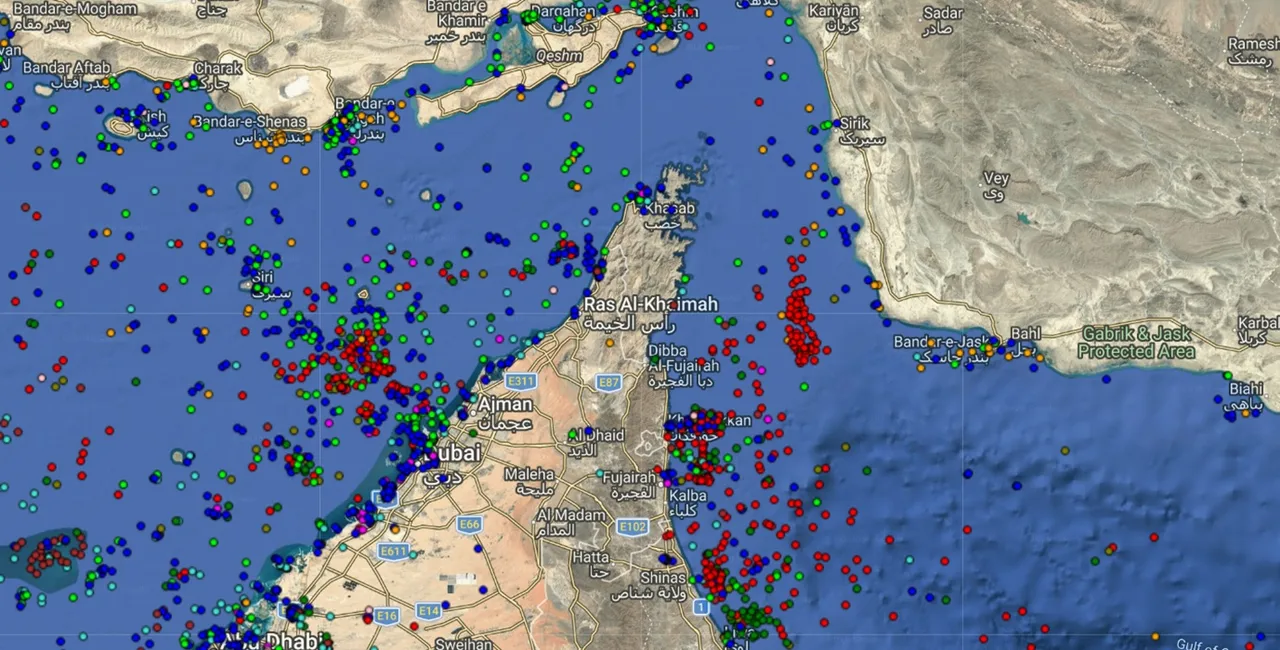
While diplomacy continues, the U.S. has also escalated its military posture. A significant naval deployment in the region has effectively created a blockade around Iranian ports. This operation includes thousands of personnel, numerous warships, and extensive air support, marking one of the most assertive moves in recent months.
The blockade serves as both a pressure tactic and a demonstration of capability. By restricting maritime access, Washington aims to influence Tehran’s calculations without immediately resorting to direct conflict. However, such measures carry risks, including potential retaliation or further destabilization of already volatile trade routes.
A Narrow Window for Resolution
The coming days are critical. With a temporary ceasefire in place, active military pressure building, and diplomatic channels working against the clock, the situation remains highly fluid. Each side is attempting to shape the outcome to its advantage, but the margin for error is shrinking.
Whether this moment leads to a broader agreement or a renewed escalation will depend on how effectively these competing strategies align—or collide—in the days ahead.