Iran Reshapes Global Oil Markets Through Strait of Hormuz Control
In early 2026, global energy markets shifted dramatically as Iran gained unprecedented control over crude oil flows through the Strait of Hormuz. While traditional Gulf suppliers saw their exports fall, Tehran maintained high volumes and gained pricing leverage — signaling a major realignment in regional power dynamics. This situation underscores that access to key infrastructure can be as crucial as production capacity in shaping global energy outcomes.
Iran Maintains Export Resilience Amid Regional Disruption
Despite geopolitical tensions and sanctions pressure, Iran sustained nearly 1.9 million barrels per day (b/d) in March 2026. This was only slightly below February’s 2.2 million b/d — the highest monthly level since 2018. Keeping exports strong under these conditions demonstrates Tehran’s ability to navigate external pressures and logistical challenges.
Neighboring Gulf producers, by contrast, faced sharp declines in shipments as tanker movements became constrained. Iran’s ability to continue exporting steadily, particularly to Asia, allowed it to maintain influence over both supply and pricing.
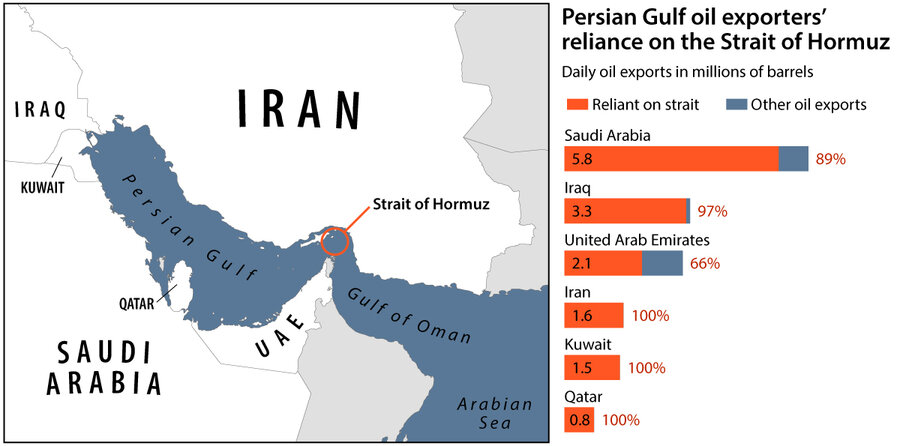
Hormuz: From International Waterway to Iranian-Controlled Chokepoint
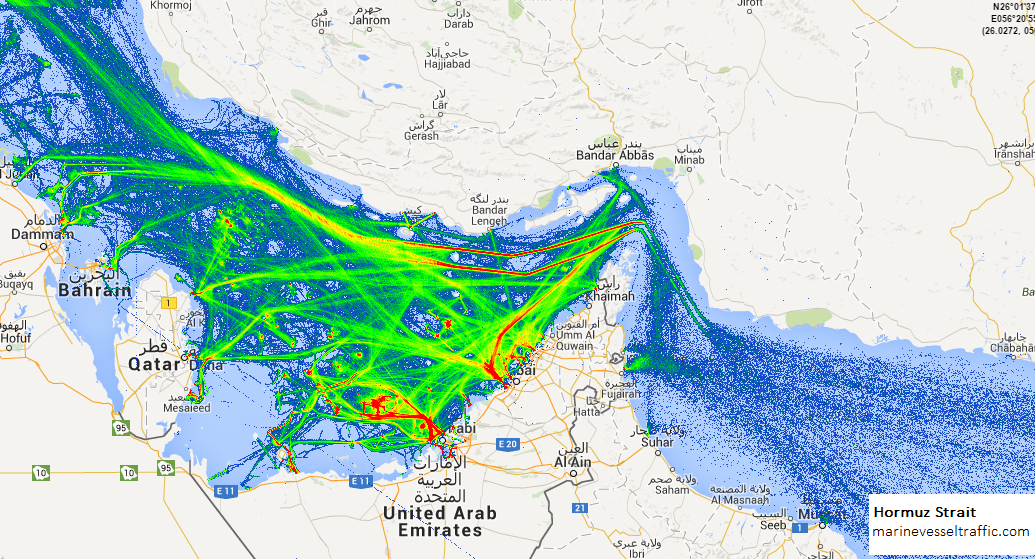
The Strait of Hormuz is a critical chokepoint, carrying about 20% of global crude oil daily. By early 2026, eastbound traffic had contracted sharply, with only 92 tankers passing through, 60 of which were Iranian-owned or carrying Iranian oil.
Although the strait remained formally open, non-Iranian producers struggled to access it, giving Tehran practical control over the flow and quality of oil reaching global markets.
From Discounted to Premium Iranian Crude
Iranian Light, once heavily discounted due to sanctions, began trading at a premium to Brent in 2026. Limited supply and strong demand, especially from Asian refiners, reversed a long-standing pricing structure. Where Iranian crude had been $10–$12 per barrel below Brent, it now commanded a $1 per barrel premium.
This demonstrates that physical scarcity combined with robust demand can outweigh sanctions in determining market value.
China: Anchoring Iranian Oil Demand
China continued to import large volumes of Iranian crude, reaching approximately 1.6 million b/d, supporting medium-sour refinery requirements. Independent “teapot” refineries, often using yuan-denominated transactions via smaller banks, helped circumvent Western financial restrictions.
India Expands Iranian Oil Imports
India is also emerging as a significant buyer. Some tankers originally destined for other ports were rerouted to India, reflecting flexible shipping strategies and the importance of refinery schedules, payment methods, and geopolitical considerations.
Indian demand for certain grades reinforces Tehran’s ability to find alternative buyers despite sanctions and logistical challenges.
Floating Storage Shrinks as Supply Buffers Deplete
Iran’s offshore crude stocks, which peaked at 55 million barrels in December 2025, fell to around 23 million barrels by early April 2026. Previously a strategic buffer, this reserve is now being actively drawn down, reducing Tehran’s flexibility if supply disruptions escalate.
Washington’s Targeted Sanctions Adjustments
To mitigate global shortages, the U.S. temporarily eased sanctions on barrels already at sea through April 19. These limited adjustments highlight the balance between applying pressure on Tehran and avoiding disruptions that could spike global oil prices.
Secondary Logistics and Ship-to-Ship Transfers
Ship-to-ship (STS) transfers near Singapore and Malaysia facilitated delivery to Chinese refiners, particularly in ports like Rizhao and Dongjiakou. These flexible logistics arrangements demonstrate how Iran continues moving crude despite constraints.
Proposed Transit Fees and Yuan Payments
Tehran proposed that vessels transiting Hormuz require approval and may pay a $1 per barrel tariff. Some vessels reportedly paid large sums in yuan, highlighting China’s growing role in both financial and physical oil trade.
Increased use of yuan-denominated settlements could weaken the U.S. dollar’s dominance in energy markets and expand a parallel financial system for oil trade.
Impact on Gulf States and Regional Dynamics
Iran’s gains came at the expense of neighboring Gulf exporters. Iraq’s southern exports dropped by roughly 70%, illustrating how chokepoint control can outweigh production capacity. This disruption has altered regional energy security calculations that once assumed stable corridors.
Global Market Effects and Price Sensitivities
Disruptions in Hormuz have pushed global crude prices higher. Prolonged uncertainty may tighten inventories further, raising Brent and other benchmark prices beyond previous forecasts.
Consumer Responses and Strategic Reserves
Major oil-importing nations are responding by tapping strategic reserves and accelerating supply diversification. Asian economies, in particular, are seeking alternatives to reduce dependency on a single chokepoint. These moves could have long-term implications for energy security planning worldwide.
Insurance, Shipping Costs, and Risk Premiums
Even if Hormuz traffic normalizes, insurance and shipping costs remain elevated due to perceived geopolitical risk. Risk premiums may persist long after formal resolutions, affecting the cost of Gulf crude shipments globally.
Long-Term Energy Security Implications
Iran’s control over exports, pricing, and maritime access represents a strategic shift beyond immediate market effects. By dominating a key chokepoint, Tehran has shown that geography and leverage can outweigh sanctions in influencing global energy flows.
If sustained, this new status quo could reshape pricing, trading strategies, and international engagement with energy producers in volatile regions.
Conclusion: Iran as a Key Arbiter of Oil Flow
By maintaining high exports, securing premiums, and guiding tanker flows, Iran has become a central controller of global oil distribution. Controlling critical infrastructure and chokepoints like the Strait of Hormuz is now as influential as crude production itself in determining energy market outcomes.