How Geopolitical Shifts and Economic Trends Are Shaping Bitumen Prices in 2026
Introduction
The global bitumen market in 2026 is being heavily influenced by geopolitical tensions and economic uncertainty. Rising conflicts in the Middle East, particularly the escalating tensions involving Iran, the United States, and Israel, have triggered major disruptions across energy markets and global trade routes.
One of the most critical developments has been the instability surrounding the Strait of Hormuz, one of the world’s most important maritime chokepoints for oil transportation. Any disruption in this region has immediate consequences for global energy markets because a significant portion of the world’s oil supply moves through this narrow waterway.
Since bitumen is a petroleum-derived product, its price is closely tied to crude oil costs, refinery operations, and global shipping conditions. As geopolitical tensions escalate and shipping routes become riskier, the ripple effects are quickly reflected in the bitumen market.
This article explores how geopolitical shifts, economic trends, and supply chain disruptions are shaping global bitumen prices in 2026, and what industry stakeholders should expect in the months ahead.
The Strategic Importance of the Strait of Hormuz
A Vital Global Energy Corridor
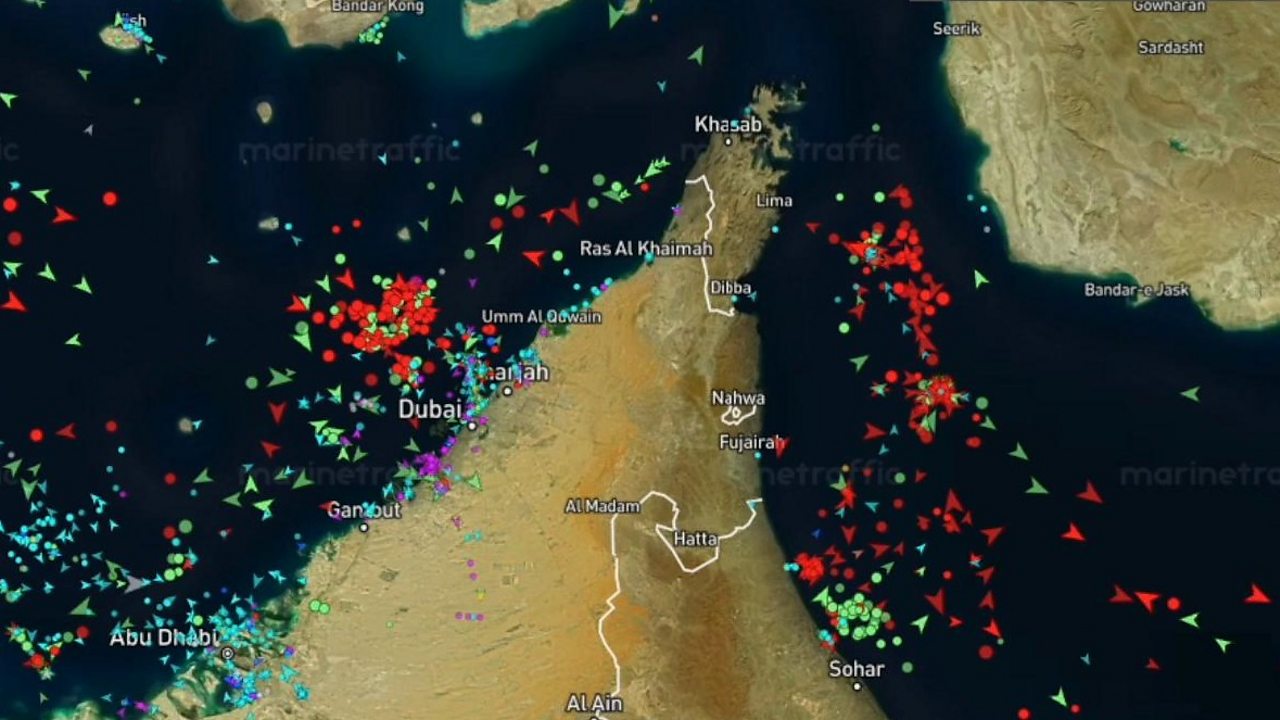
The Strait of Hormuz connects the Persian Gulf to the Gulf of Oman and the Arabian Sea, serving as one of the most important routes for global oil exports. Approximately 20 percent of the world’s oil consumption passes through this narrow channel every day.
Because of its strategic location, the strait has long been a focal point for geopolitical tensions. Any military conflict or political instability in the region can immediately threaten global oil flows.
In 2026, tensions between Iran, Israel, and the United States have intensified, raising concerns about the security of maritime traffic in the region. Military actions and political responses have created uncertainty for shipping companies and oil traders alike.
Several tanker operators have already reduced or suspended shipments through the area due to security risks and rising insurance costs. These developments have had a direct impact on energy markets and the pricing of petroleum-based products such as bitumen.
How the Iran Conflict Is Driving Oil and Bitumen Prices
Rising Crude Oil Prices
Geopolitical conflict almost always leads to volatility in energy markets, and the current tensions are no exception. As fears of supply disruption increase, crude oil prices have surged in global markets.
When supply routes are threatened, traders anticipate shortages and push prices higher. The situation in the Middle East has already triggered significant increases in oil prices, which in turn affects downstream products like bitumen.
Bitumen is produced during the refining process as one of the heavier residual products of crude oil. When crude prices rise, the cost of producing bitumen also increases.
Higher crude prices lead to several consequences for the bitumen industry:
-
Refinery feedstock costs rise significantly
-
Bitumen production becomes more expensive
-
Export prices increase in international markets
-
Construction material costs rise globally
As a result, geopolitical instability in oil-producing regions directly influences the pricing structure of the global bitumen market.

Supply Chain Disruptions Affecting Bitumen Trade
Shipping Risks and Insurance Costs
Beyond crude oil price increases, logistics disruptions are also contributing to rising bitumen prices in 2026.
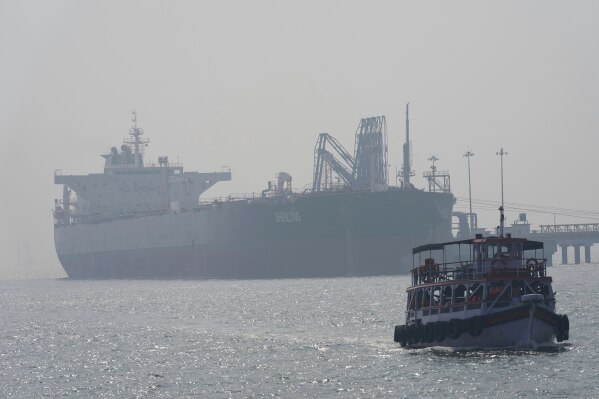
The current conflict in the Middle East has created major challenges for shipping companies operating in the Persian Gulf region. Vessel operators now face higher risks when transporting petroleum products through the Strait of Hormuz.
As a consequence:
-
War-risk insurance premiums for ships have increased significantly
-
Freight rates for tanker transportation have risen
-
Shipping schedules are experiencing delays
-
Some vessels are rerouting to avoid the region
Higher shipping costs eventually translate into higher prices for petroleum products, including bitumen.
For exporters in the Middle East, particularly Iran, the United Arab Emirates, and Bahrain, these logistical challenges are reshaping trade patterns and tightening supply in international markets.
Iran’s Role in the Global Bitumen Market
A Key Exporter to Asia and Africa
Iran has historically been one of the largest exporters of bitumen worldwide. The country supplies significant volumes to infrastructure markets in Asia, Africa, and parts of Europe.
Iranian refineries produce a wide range of penetration-grade bitumen used in road construction, asphalt production, and waterproofing materials.
However, the current geopolitical tensions are creating uncertainty around Iran’s export capabilities. Strategic oil infrastructure, including export terminals and shipping facilities, plays a critical role in maintaining supply flows.
Any disruption to these facilities can affect both crude oil exports and the availability of refinery byproducts such as bitumen.
As a result, buyers in international markets are closely monitoring developments in the region, as supply shortages could trigger further price increases.

Bitumen Price Trends in 2026
Rising Prices in the Persian Gulf Market
Even before the escalation of geopolitical tensions, bitumen prices in the Persian Gulf region had already been rising due to strong demand and higher refinery feedstock costs.
The current crisis has accelerated this upward trend.
Several factors are currently pushing bitumen prices in 2026 higher:
-
Increasing crude oil prices
-
Supply chain disruptions
-
Higher freight and insurance costs
-
Reduced refinery output in some regions
-
Market speculation and inventory stockpiling
Buyers in many countries are now attempting to secure supply contracts earlier than usual to avoid further price increases. This behavior can further tighten supply and amplify market volatility.

Global Infrastructure Demand Supporting Bitumen Consumption
Despite geopolitical tensions, the demand for bitumen remains strong worldwide.
Bitumen is a critical component in asphalt production, which is widely used in road construction and infrastructure development. Governments around the world continue to invest heavily in transportation infrastructure, urban development, and highway expansion.
Major drivers of global bitumen demand include:
-
National road construction programs
-
Airport runway development
-
Urban infrastructure expansion
-
Highway modernization projects
In many emerging economies, infrastructure development remains a key priority for economic growth. This sustained demand helps support the global bitumen market even during periods of price volatility.

Economic Impact on Construction and Infrastructure Projects
Rising Costs for Road Construction
Higher bitumen prices in 2026 can significantly affect the cost of construction projects. Since bitumen is a major component of asphalt mixtures, increases in its price can quickly raise the overall cost of road-building materials.
For governments and contractors, this creates several economic challenges:
-
Infrastructure project budgets may increase
-
Some road construction projects may be delayed
-
Contractors may face reduced profit margins
-
Governments may need to revise infrastructure spending plans
Countries that rely heavily on imported bitumen may feel the strongest impact from price increases, especially if freight and insurance costs remain elevated.
Alternative Supply Routes and Market Adjustments
Shifting Global Trade Patterns
As geopolitical risks increase in the Persian Gulf, traders and producers are exploring alternative supply routes and sourcing strategies.
Possible adjustments in the global bitumen market include:
-
Increased production from Southeast Asian refineries
-
Higher exports from European suppliers
-
Greater use of alternative shipping routes outside the Persian Gulf
-
Expansion of supply from other oil-producing regions
These changes may help stabilize the market over time, although they often involve higher transportation costs and longer delivery times.
Future Outlook for Bitumen Prices
Short-Term Volatility
In the short term, the global bitumen market is expected to remain volatile due to ongoing geopolitical uncertainty.
If tensions escalate further or shipping disruptions in the Strait of Hormuz continue, oil prices could rise even more, pushing bitumen prices upward across global markets.
Energy analysts warn that prolonged disruptions in the region could create broader supply challenges for petroleum products worldwide.
Medium-Term Market Stabilization
However, global markets typically adapt to geopolitical shocks over time. Several factors could eventually help stabilize bitumen prices:
-
Strategic petroleum reserve releases by governments
-
Improved security for maritime shipping routes
-
Development of alternative export routes
-
Diplomatic negotiations that reduce regional tensions
If shipping activity in the Strait of Hormuz returns to normal, energy markets could gradually stabilize during the second half of 2026.
Key Factors to Watch in the Bitumen Market
Industry participants should closely monitor several important developments throughout 2026:
Security of the Strait of Hormuz
Any disruption or reopening of the strait will directly influence global oil supply and bitumen pricing.
Crude Oil Price Movements
Bitumen prices remain closely linked to global oil benchmarks.
Regional Refinery Operations
Damage or operational disruptions at refineries could reduce supply.
Freight and Insurance Costs
War-risk premiums and higher freight rates may continue affecting trade.
Global Infrastructure Investment
Government spending on infrastructure projects will continue driving demand for bitumen.

Conclusion
The global bitumen market in 2026 is being shaped by a powerful combination of geopolitical tensions and economic forces. The ongoing conflict involving Iran, the United States, and Israel has increased uncertainty around one of the world’s most critical energy corridors: the Strait of Hormuz.
Rising oil prices, shipping risks, and supply chain disruptions are creating significant volatility in the bitumen market. At the same time, strong global demand for infrastructure development continues to support long-term consumption of asphalt and related materials.
For industry participants—including refiners, exporters, traders, and construction companies—understanding the connection between geopolitics and energy markets has become increasingly important.
As events continue to unfold in the Middle East throughout 2026, the future direction of bitumen prices will depend largely on regional stability, the security of global shipping routes, and the resilience of international energy markets.