Bitumen Market Overview 16 March 2026
Global Geopolitical Update: Middle East Tensions Impact Energy Markets
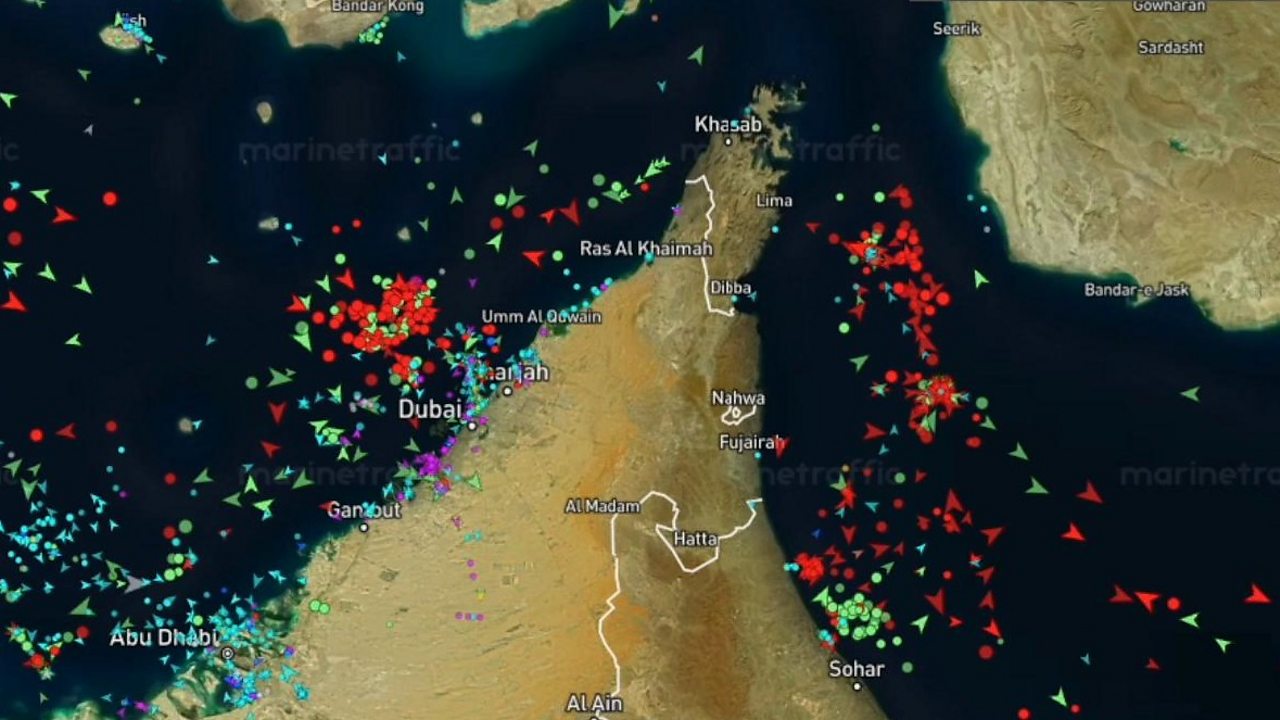
Rising tensions in the Middle East, particularly the U.S.–Iran conflict and the temporary closure of the Strait of Hormuz, have put significant pressure on global energy markets. Disruptions to Iranian crude oil and bitumen exports, combined with higher shipping risks, reduced supply along key trade routes. As a result, Brent crude oil prices surged to $104 per barrel, the highest levels of the week. Price increases are driven by supply shortages and logistical disruptions from multiple force majeure events at regional refineries and ports.
Global Bitumen Market Update
Bitumen prices from key origins like Singapore and South Korea have surged sharply due to tight supply and rising feedstock costs. In Africa, both import prices and truck delivery rates have increased in major markets, including South Africa and Nigeria.
Singapore’s April-loading cargoes remain high due to limited availability, multiple force majeure events, and lower regional production. Iranian maritime trade continues to face constraints—Bandar Abbas has started loading, but vessels have not departed due to attacks in the Strait of Hormuz.

East Asia Bitumen Market Overview
-
Singapore: Prices surged for April-loading cargoes due to limited supply and regional force majeure events. Most importers held back with sufficient inventories, while urgent buyers paid higher rates. Shell Singapore and IRPC Thailand declared force majeure due to U.S.–Iran feedstock disruptions. A cargo was offered at $545/t FOB Singapore, with regional supply constraints pushing prices sharply higher.
-
Malaysia: Demand remains limited. Post-holiday, consumption may decline, and road closures for heavy trucks could slow transport. (Buy Bitumen in Malaysia)
-
Indonesia: March demand was slow due to Ramadan, with delivery delays caused by force majeure and production cuts. Despite this, inventories remained sufficient amid weak demand.
-
Thailand: The U.S.–Iran conflict has reduced bitumen exports, while road-paving activity has slowed due to delays in forming a new government.
-
Vietnam: Bitumen demand remains weak due to few new projects. Importers have ample stock from pre-Tet cargoes.
-
China: Domestic bitumen prices surged as rising feedstock costs reduced refinery output. Demand remained weak, and CFR imports into East and South China were limited by a wide price gap between regional sellers and Chinese buyers.

Africa Bitumen Market Overview
West Africa
Regional bitumen import prices surged due to the Gulf conflict and rising crude and fuel oil costs. Cargoes are being offloaded to pipelines in Nigeria, Senegal, Ivory Coast, Cameroon, and Angola. Construction activity remained strong during Nigeria’s peak paving season.
East Africa
Suppliers are transferring cargoes from the Persian Gulf to East Africa amid ongoing Gulf tensions that complicate loading. Iranian bitumen prices increased—bulk +$81/t, drums +$80/t FOB BND. Drum freight to Mombasa, Dar es Salaam, and Djibouti remains unchanged despite heavy war-risk surcharges. Adequate bulk and packaged stocks are available to meet project needs in Kenya, Uganda, and the DRC.
South Africa
Suppliers and regional markets expect sufficient bitumen supply to meet demand for the next 2–3 months, until South Africa’s winter slows activity and reduces consumption.
Middle East Bitumen Market Overview
Bahrain
Seaborne bitumen prices held at $550/t FOB Sitra, but export activity was limited after the Sitra refinery declared force majeure due to a regional attack.
Iran
Maritime bitumen trade is highly constrained due to the war and logistical disruptions in the Strait of Hormuz. Bandar Abbas has started loading, but vessels have not departed because of escalating attacks. Only a few state-owned IRISL vessels are expected to load in the coming days, while NVOCCs have suspended operations.
Iraq
Trade remains suspended as ongoing conflicts halt exports. Kurdistan-based suppliers have stopped shipments, and despite cargoes at Umm Qasr port, risks in the Strait of Hormuz have limited activity.

Key Takeaways for Traders and Buyers
-
Global bitumen prices are under pressure from geopolitical risks and rising feedstock costs.
-
Supply constraints and force majeure events are driving premiums in global bitumen market 2026 Singapore, South Korea, and East Africa.
-
Africa remains a strong demand market, with West and East Africa showing robust import and construction activity.
-
Iranian and Middle East trade is constrained, impacting delivery schedules and pricing in global bitumen market 2026.
-
Buyers should plan for potential delays, higher freight costs, and price adjustments due to geopolitical tensions.