Iran Strikes Saudi Refinery Amidst Red Sea tensions
The recent attack on a key Saudi Arabian refinery highlights growing instability. It underscores the increasing threat to global energy supplies as Red Sea tensions rise. This incident signals a potential shift in Iran’s strategy.
Initial Impact and Target
A drone strike targeted the Samref refinery in Yanbu early Thursday morning. The facility, a joint venture between Aramco and ExxonMobil, experienced minimal operational disruption. However, the attack itself is a significant escalation.
The Samref refinery boasts a substantial processing capacity. It can handle around 400,000 barrels of crude oil daily. This output is refined into gasoline, jet fuel, diesel, and other crucial products.

Iran’s Expanding Threats
Iran’s Islamic Revolutionary Guard Corps issued warnings alongside the attack. These warnings called for the evacuation of oil facilities in Saudi Arabia, the UAE, and Qatar. This suggests a deliberate campaign to disrupt regional energy infrastructure.
Brent Crude prices saw an immediate jump following the news. The market reacted to the increased risk of supply disruptions in the Gulf region. This price surge reflects the sensitivity of oil markets to geopolitical events.
Yanbu’s Strategic Importance
The Yanbu refinery holds a particularly vital position in Saudi Arabia’s export strategy. It currently serves as the primary outlet for Saudi Arab Light crude. This is due to constraints in the Strait of Hormuz.
Saudi Arabia is aiming to boost exports through Yanbu to a record 3.8 million barrels per day this month. This ambitious goal is now threatened by the potential for further attacks. Readers seeking deeper insights can contact Gulf Petro Vision for industry guidance.
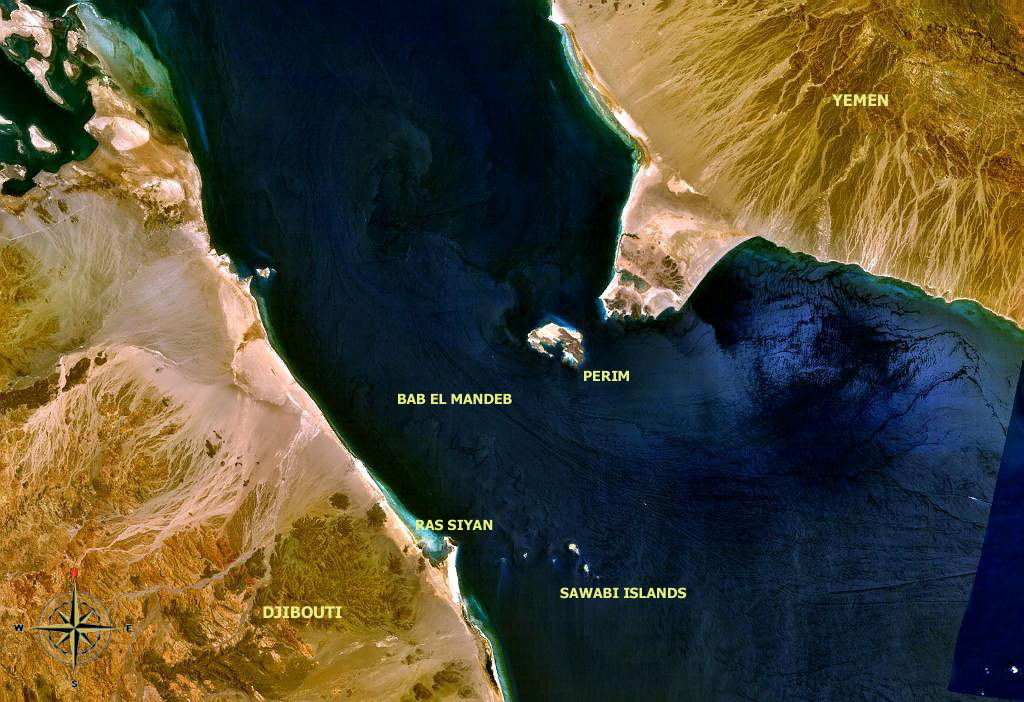
Bab el-Mandeb Strait Concerns
The Bab el-Mandeb Strait, near Yanbu, presents another potential vulnerability. This narrow waterway was the site of Houthi attacks on vessels a few years ago. Its current calm is a source of concern, as it could easily become a new flashpoint.
Aramco has already restarted operations at its Ras Tanura refinery. This facility was temporarily shut down as a precaution earlier in the conflict. However, the attack on Yanbu demonstrates the breadth of Iran’s targeting.
Escalation and Regional Response
The attack on Yanbu represents a clear escalation of tensions. It moves beyond previous, more limited incidents. The potential for further attacks looms large, impacting global oil markets.
The situation demands careful monitoring and diplomatic efforts. Preventing further escalation is crucial for maintaining stability in the region. The future of energy supplies may depend on it. Red Sea tensions are clearly a growing concern.
Looking Ahead
The coming weeks will be critical in determining the trajectory of this conflict. The response from Saudi Arabia and its allies will be closely watched. The potential for miscalculation remains high.
The attack underscores the fragility of energy infrastructure in the region. It highlights the need for robust security measures and international cooperation. Red Sea tensions will likely remain a central issue for the foreseeable future.