US Naval Blockade in the Strait of Hormuz Drives Oil Above $100 and Raises Global Tensions
Global tensions are once again rattling energy markets and political alliances, as a major escalation involving the Strait of Hormuz threatens to disrupt one of the world’s most critical oil transit routes. A newly announced move by the United States to restrict maritime access to Iranian ports has raised serious concerns among investors, policymakers, and global trade analysts, Strait of Hormuz blockade. The situation is rapidly evolving, with implications stretching far beyond the Middle East.
US Announces Maritime Restrictions Near Iranian Ports
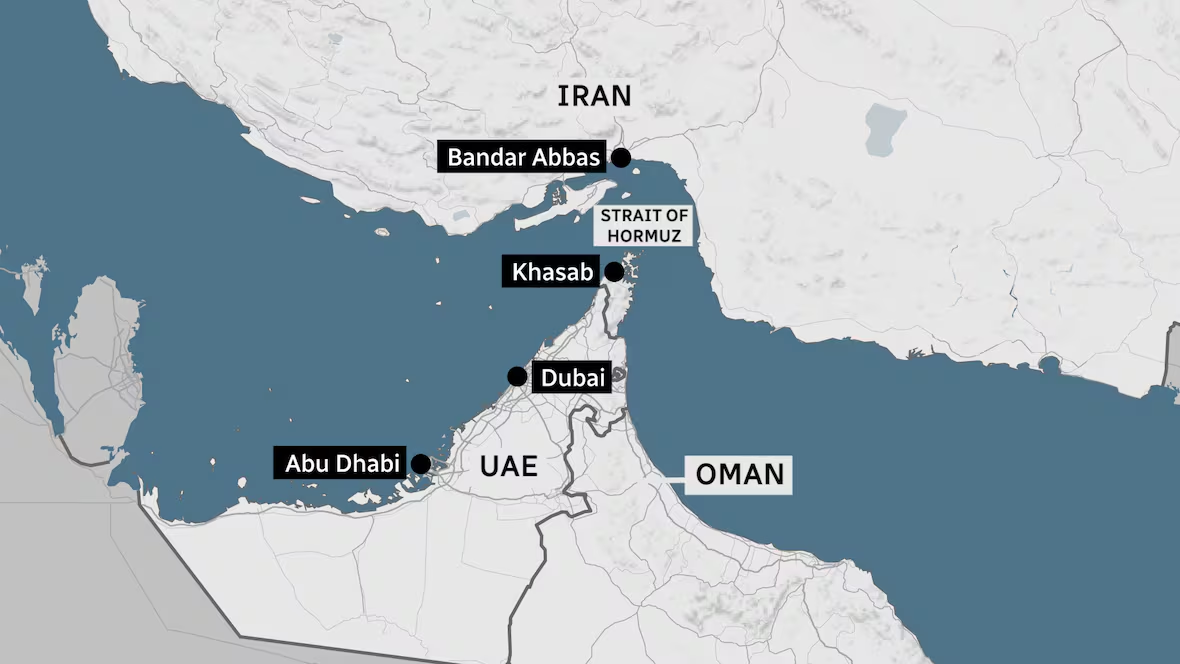
In a decisive step, the United States military declared that it will begin enforcing a naval blockade targeting vessels traveling to and from Iranian ports located along the Strait of Hormuz. The enforcement reportedly began at 10 a.m. Eastern Time, following the breakdown of diplomatic discussions held over the weekend in Pakistan. These talks had aimed to de-escalate tensions between Washington and Tehran but ultimately failed to produce a meaningful resolution.
The Strait of Hormuz serves as a crucial chokepoint through which nearly one-fifth of the world’s oil supply passes. Any disruption in this narrow corridor can trigger immediate volatility in global energy prices. With the new blockade in place, shipping companies and oil traders are bracing for delays, higher insurance costs, and potential rerouting challenges.
Iran Signals Possible Retaliation
In response to the US announcement, the Islamic Revolutionary Guard Corps issued a stern warning, signaling that it may take countermeasures. Iranian officials have historically viewed foreign military presence in the region as a direct threat to national sovereignty, and this latest development is no exception.
Military analysts suggest that retaliation could take several forms, ranging from increased naval patrols to asymmetric tactics designed to challenge US enforcement efforts. The risk of miscalculation or unintended confrontation remains high, further complicating an already fragile geopolitical environment.
Oil Prices Surge Past $100
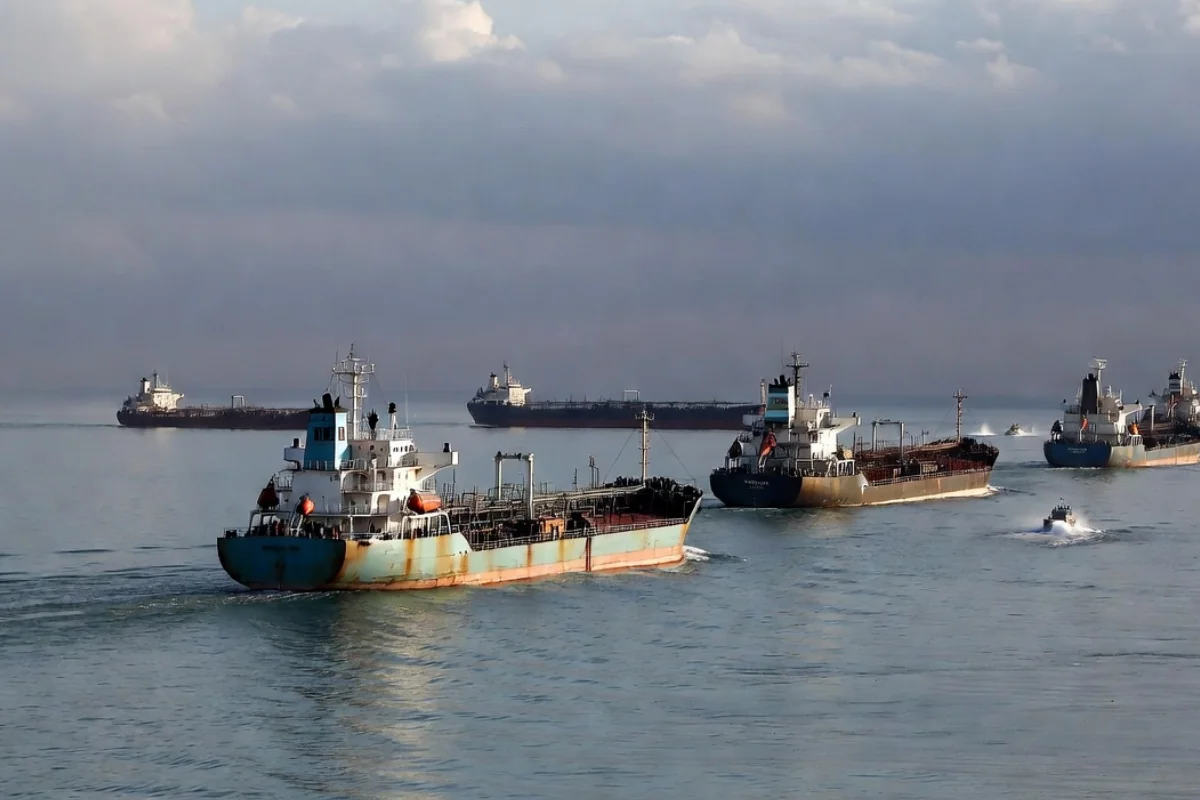
Energy markets reacted swiftly to the unfolding situation. Crude oil prices surged past the $100-per-barrel mark, reflecting fears of supply disruptions and heightened geopolitical risk. Traders are closely monitoring developments, as even minor incidents in the Strait of Hormuz can have outsized effects on global oil flows.
The price increase is not just a short-term reaction; it reflects deeper concerns about long-term supply stability. Countries heavily dependent on imported oil, particularly in Asia and Europe, may face increased costs that could ripple through their economies. Higher energy prices often lead to inflationary pressures, affecting everything from transportation to manufacturing.
Global Stock Markets Under Pressure
Financial markets across the globe showed signs of stress following the announcement. Major stock indices declined as investors shifted toward safer assets amid uncertainty. The combination of rising oil prices and geopolitical instability tends to dampen investor confidence, particularly in sectors sensitive to energy costs.
Economists warn that prolonged tension in the region could slow global economic growth. Supply chain disruptions, already a concern in recent years, may worsen if shipping routes become less predictable. Businesses that rely on timely deliveries could face additional challenges, further straining international trade.
Diplomatic Fallout and Failed Negotiations
The failed talks in Pakistan represent a missed opportunity for de-escalation. Diplomatic channels remain open, but trust between the parties appears to be eroding. Analysts note that negotiations involving multiple stakeholders are often complex, requiring concessions that may be politically difficult to achieve.
The collapse of these discussions has shifted the focus from diplomacy to military posturing. While both sides may still prefer a negotiated outcome, the current trajectory suggests that tensions could escalate further before any meaningful dialogue resumes.
Religious and Political Tensions Add Complexity
Adding another layer to the situation, Pope Leo XIV publicly responded to criticism from Donald Trump. The Pope emphasized that he would continue to voice his views on the conflict, despite opposition from political leaders.
This exchange highlights the broader impact of the crisis, extending beyond military and economic spheres into the realm of public discourse and moral leadership. Statements from influential figures can shape public opinion and influence policy debates, particularly during times of crisis.
Israel Focuses on Northern Security Concerns
Meanwhile, attention is also turning toward developments involving Benjamin Netanyahu and Israel’s military strategy. During a temporary ceasefire with Iran, Israeli forces are reportedly concentrating on security issues related to Lebanon.
Discussions are underway regarding the possibility of establishing a more extensive security buffer zone in southern Lebanon. This move is seen as part of a broader effort to counter perceived threats and maintain regional stability. However, such actions could also heighten tensions with neighboring countries and non-state actors.
Strategic Importance of the Strait of Hormuz
The Strait of Hormuz remains at the center of this unfolding crisis. Its strategic significance cannot be overstated, as it connects major oil-producing nations in the Persian Gulf to global markets. Any attempt to control or restrict access to this waterway carries far-reaching consequences.
Historically, the strait has been a focal point of geopolitical competition. Its narrow width and high traffic volume make it particularly vulnerable to disruptions. Even the perception of risk can lead to increased shipping costs and market volatility.
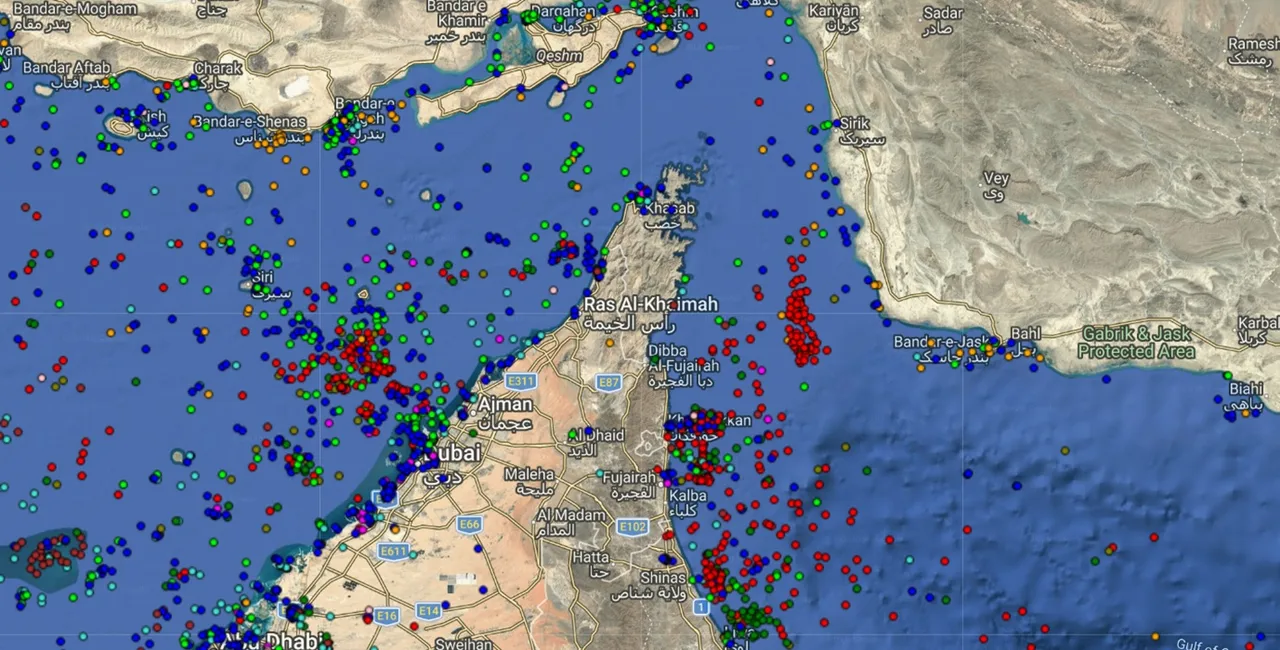
Potential Long-Term Implications of the Strait of Hormuz blockade
If the situation continues to escalate, the long-term implications could be substantial. Energy markets may experience sustained volatility, prompting countries to explore alternative supply routes and energy sources. Investments in renewable energy and diversification strategies could accelerate as a result.
From a geopolitical perspective, alliances may shift as countries reassess their positions in response to the crisis. Regional powers could become more assertive, while global powers may increase their involvement to protect strategic interests.
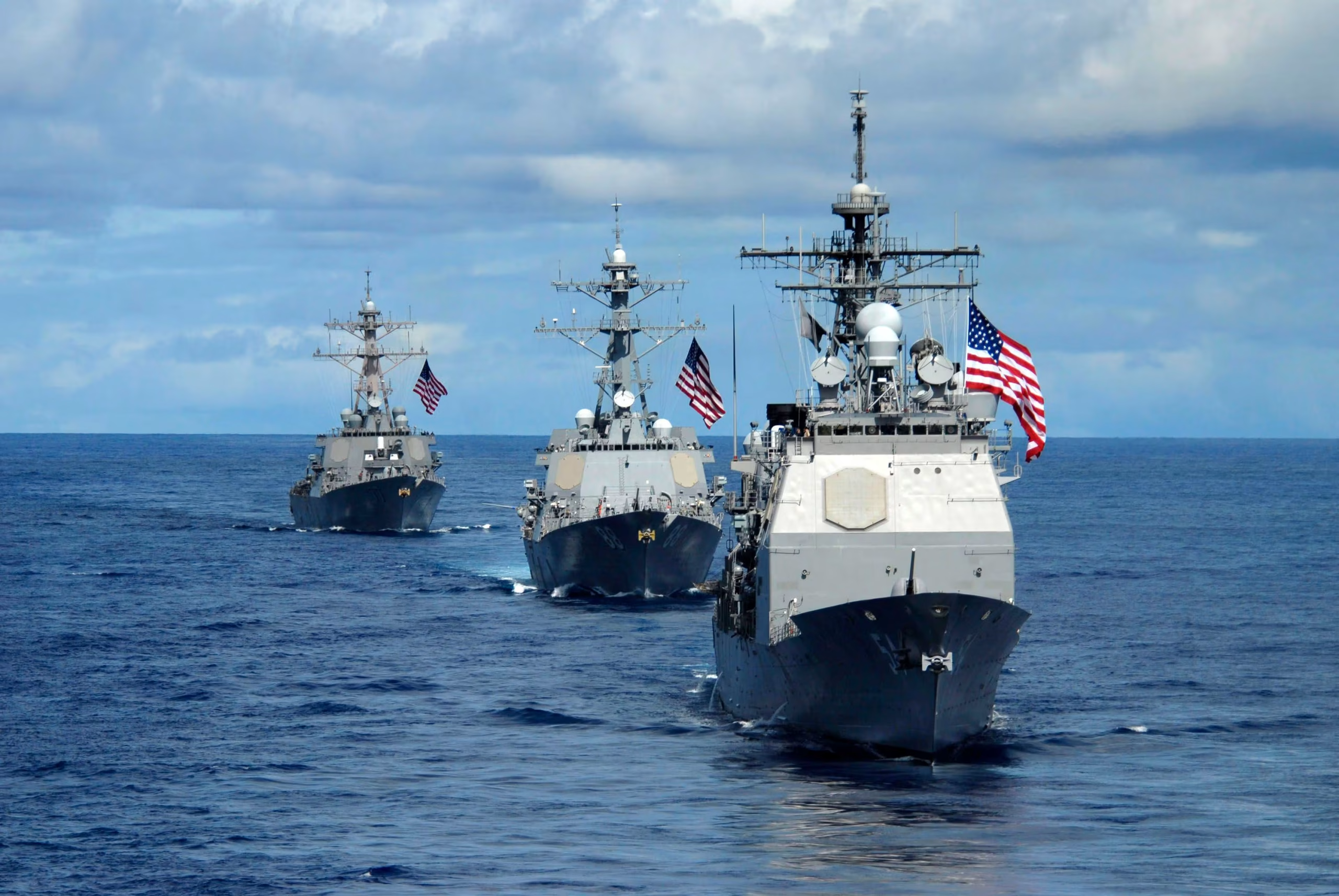
The current developments and the Strait of Hormuz blockade underscore the delicate balance that underpins global stability. Military actions, economic reactions, and political statements are all interconnected, creating a complex web of cause and effect.
As the situation unfolds, the international community will be watching closely. The hope remains that diplomatic efforts can be revived to prevent further escalation. However, with tensions running high and stakes even higher, the path forward is anything but certain.
For now, the world faces a moment of uncertainty, where decisions made in the coming days could shape the trajectory of global politics and economics for years to come.