Iran–Israel Conflict and the Closure of the Strait of Hormuz: Impact on Global Oil and Bitumen Markets
Introduction
Geopolitical tensions in the Middle East have intensified significantly in recent weeks. The escalation between Iran and Israel, combined with the disruption of shipping routes in the Strait of Hormuz, has created uncertainty in global energy markets.
As a result, crude oil prices have increased and logistics costs in the Persian Gulf have risen sharply. Since the Strait of Hormuz is one of the most important energy corridors in the world, any disruption in this route immediately affects global oil flows.
Furthermore, industries that depend on petroleum products, such as the bitumen industry, are also experiencing strong market reactions. Price fluctuations, higher transport costs, and operational risks are already affecting supply chains.
This article examines the current geopolitical situation in the Middle East, the strategic importance of the Strait of Hormuz, and the potential impact of the Iran–Israel conflict on global crude oil and bitumen markets.
Rising Geopolitical Tensions in the Middle East
The Middle East has always played a critical role in global energy markets. However, the recent escalation between Iran and Israel has created one of the most serious geopolitical crises in recent years.
On February 28, 2026, reports indicated that American and Israeli fighter jets carried out coordinated airstrikes inside Iran. According to these reports, several senior military commanders and political figures were killed during the attacks.
Following the strikes, Iran announced seven days of national mourning, and tensions in the region increased rapidly.
Shortly after the attacks, exchanges of missiles and drones began between the involved parties. As the situation escalated, security concerns expanded beyond Iran and Israel and began affecting several countries across the Persian Gulf.
Consequently, global energy markets reacted quickly to the rising geopolitical risks.

Strategic Importance of Strait of Hormuz Closure
To understand the impact of the current crisis, it is essential to consider the strategic importance of Strait of Hormuz Closure.
The Strait of Hormuz is one of the most important maritime chokepoints in the world. Located between Iran and Oman, this narrow waterway connects the Persian Gulf to the Gulf of Oman and the Arabian Sea.
Every day, millions of barrels of crude oil pass through this route. In fact, approximately 25 percent of the world’s oil consumption moves through Strait of Hormuz Closure.
Therefore, even a short disruption can significantly influence global oil markets.
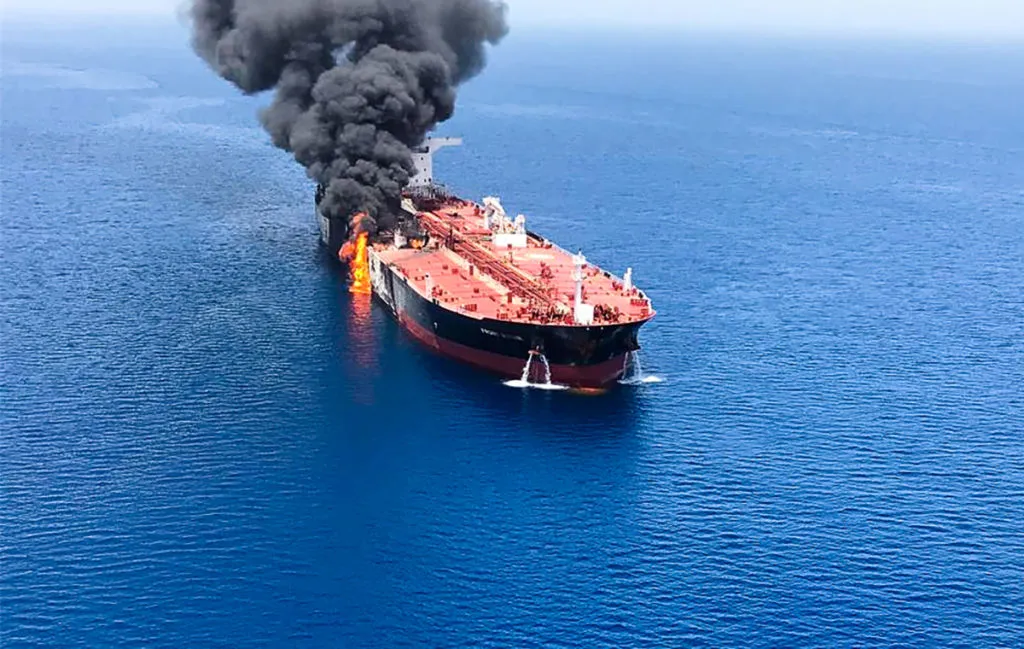
After tensions escalated, Iran halted the passage of oil tankers through the strait. As a result, a large number of oil tankers accumulated on both sides of the waterway. Many shipping companies also suspended operations because of security concerns.
Under current conditions, ship movement may only be possible with military escort. Meanwhile, the United States has announced that it is reviewing possible naval escort operations to help secure energy shipments in the region.

Immediate Reaction of Global Oil Markets
Global energy markets responded quickly to the developments in the Middle East.
Crude oil prices increased sharply as traders reacted to rising geopolitical risks and potential disruptions in oil transportation.
Brent crude oil initially rose by about 7 percent and reached the range of 84 to 85 dollars per barrel, which represents the highest price level in the past year.
In addition, some unofficial market reports suggest that certain oil cargoes delivered to Asian markets have traded close to 100 dollars per barrel. This reflects a strong increase in the geopolitical risk premium.
However, the price increase is not necessarily caused by a real supply shortage. Instead, it mainly reflects concerns about logistics disruptions, shipping risks, and regional instability.
In energy markets, expectations and perceived risks often influence prices as strongly as actual supply changes.
Rising Logistics and Insurance Costs
Besides price volatility in oil markets, the logistics sector is also facing serious disruptions.
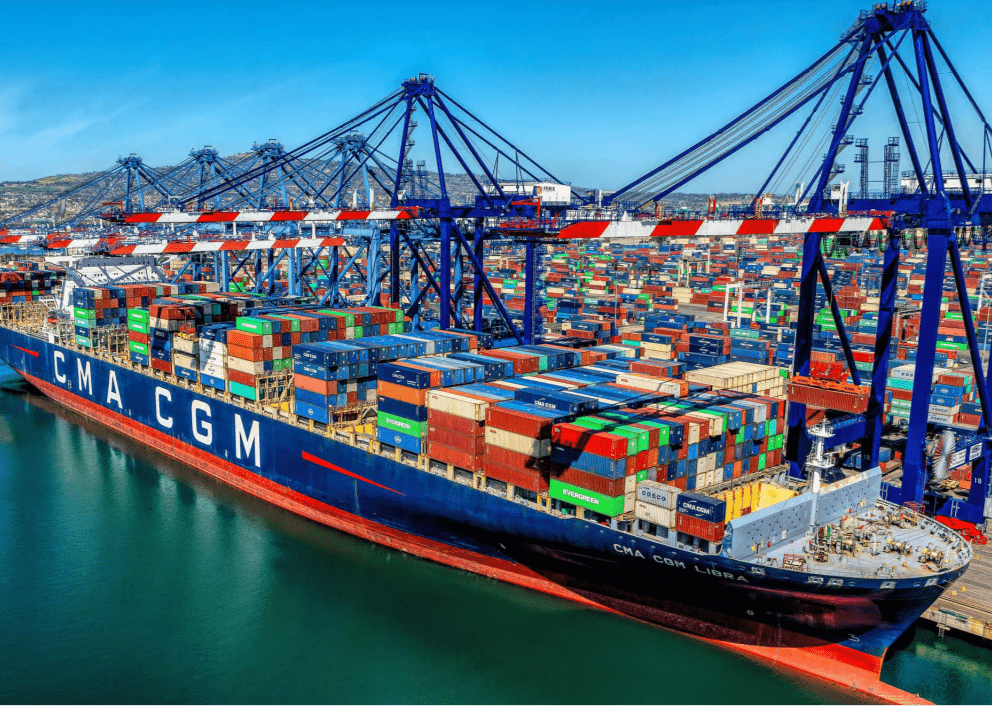
Shipping companies operating in the Persian Gulf are now dealing with higher operational risks. As a result, maritime insurers have increased war risk premiums for vessels traveling through the region.
One of the major logistics hubs in the region, Jebel Ali Port in Dubai, temporarily suspended operations due to security concerns.
Although the port later resumed some activities, the timeline for a full return to normal operations remains unclear. Meanwhile, shipping costs in the region have increased significantly.
In Iran, major export ports such as Bandar Abbas have also experienced operational disruptions. Authorities are currently conducting damage assessments following recent events.
At this stage, there is no clear timeline for the full resumption of normal port operations. Export activities may restart gradually, depending on security conditions and infrastructure stability.

Impact on the Global Bitumen Market
The bitumen industry is highly sensitive to changes in crude oil prices and logistics conditions.
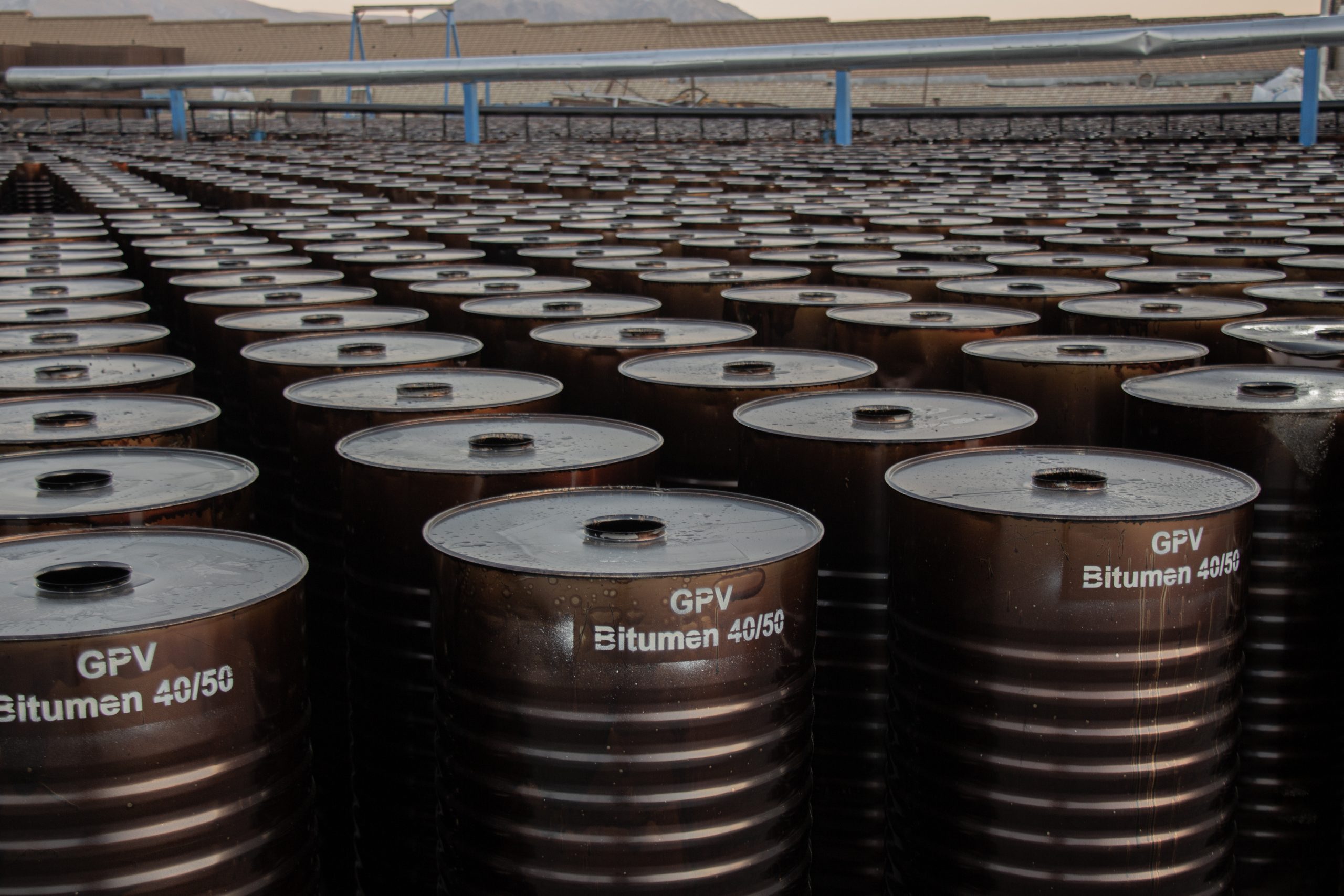
Since bitumen is a byproduct of the oil refining process, its price is closely linked to crude oil market trends.
As oil prices increased, bitumen markets around the world reacted quickly.
In several regions, bitumen prices increased between 5 percent and 11 percent within a short period. At the same time, fuel oil markets also experienced price increases.
For example, the price of Singapore CST180 fuel oil rose by approximately 11 percent, reflecting strong upward pressure on heavy petroleum products.
India, which is one of the largest consumers of bitumen in the world, also experienced a significant price adjustment. Domestic bitumen prices increased by around 22 dollars per ton, marking the largest price change recorded in 2026.
Operational Challenges for Iranian Bitumen Exports
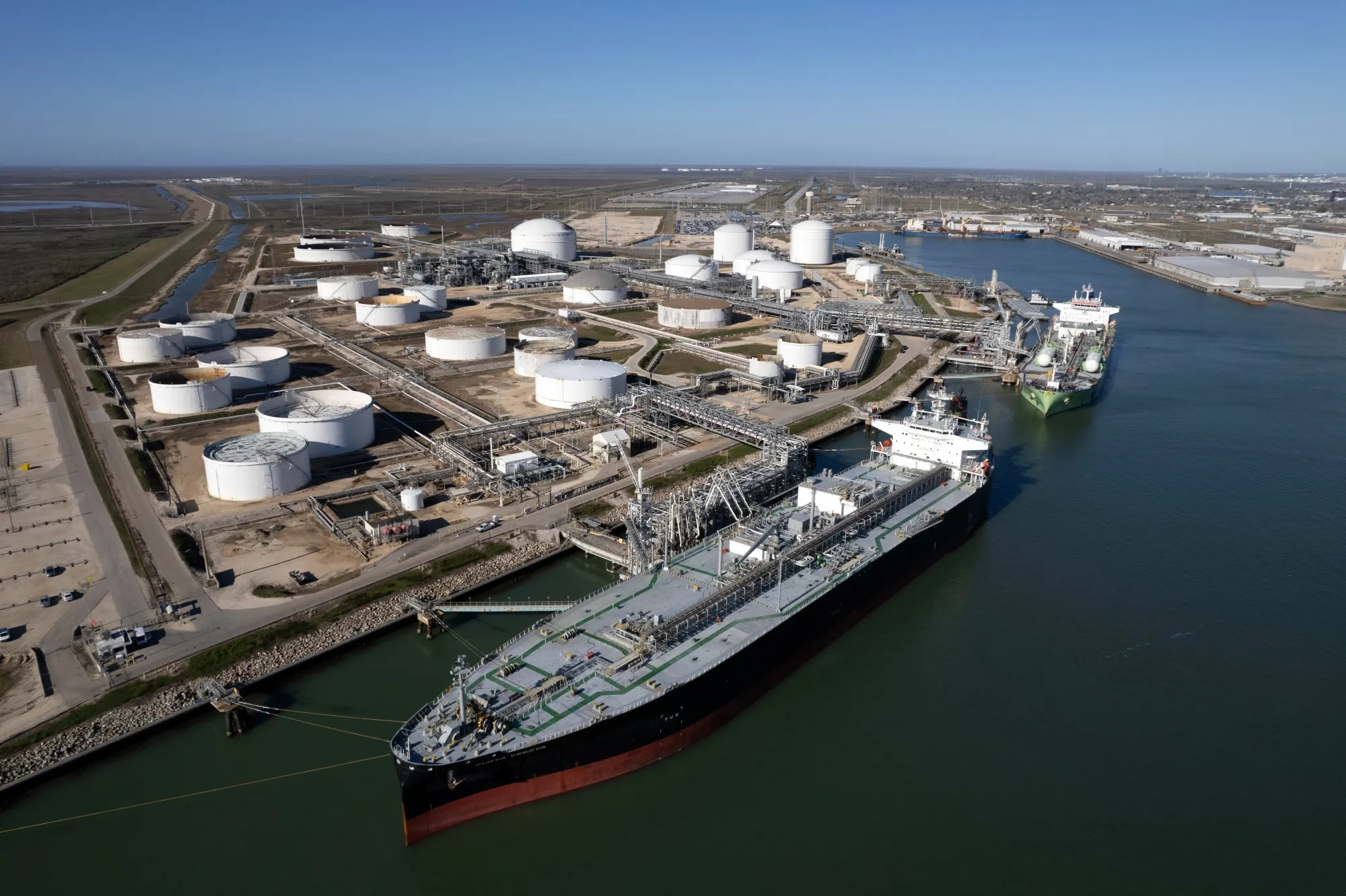
Iran is one of the largest exporters of bitumen globally. Therefore, any disruption in Iranian logistics quickly affects international supply chains.
The current geopolitical situation has temporarily disrupted operations at several key export ports.
Bandar Abbas, one of Iran’s main export hubs, is currently undergoing damage assessment following the recent events.
Although limited loading operations may resume gradually, the exact timeline for the full recovery of export activities remains uncertain.
If operational conditions stabilize, new Iranian export prices for bitumen may be announced in the coming weeks.

Why the Current Crisis Is Different
Geopolitical tensions in the Middle East are not unusual. However, the current crisis has several unique characteristics.
First, the disruption directly affects the Strait of Hormuz Closure, which handles a significant share of global oil trade.
Second, the crisis is occurring at a time when global supply chains are already under pressure due to economic uncertainty and shipping constraints.
Third, rising security risks and insurance costs are making shipping companies more cautious about operating in the region.
Together, these factors create a complex market environment where logistics risks play an increasingly important role.

The Role of Geopolitical Risk Premium in Energy Markets
During periods of geopolitical instability, energy markets often react to perceived risks rather than immediate supply shortages.
In other words, prices increase because traders expect potential problems in shipping, insurance, or political stability.
This additional cost is known as a geopolitical risk premium. It represents the extra price buyers are willing to pay to secure energy supplies during uncertain conditions.
Currently, the global oil market appears to be strongly influenced by this risk premium.
As long as tensions remain high and the Strait of Hormuz continues to face restrictions, energy prices are likely to remain volatile.
Future Outlook for Oil and Bitumen Markets
Several factors will determine the direction of global energy markets in the coming weeks.
First, the duration of the Iran–Israel conflict will play a critical role. A prolonged confrontation could keep shipping routes restricted and maintain upward pressure on oil prices.
Second, the reopening of the Strait of Hormuz would significantly improve market stability. If naval escorts successfully secure tanker movement, logistics costs may gradually decline.
Third, refinery operations and export capacity in the region will influence the availability of petroleum products such as bitumen.
For the bitumen industry, supply chain flexibility will be especially important during this period.
Importance of Reliable Supply Networks
During geopolitical crises, buyers often prioritize reliability over price.
Companies that have strong logistics networks, regional experience, and operational flexibility are usually better prepared to manage disruptions.
In the bitumen trade, this means having access to multiple supply sources, secure shipping routes, and trusted logistics partners.
Additionally, transparent communication and reliable contract execution play a crucial role in maintaining long-term business relationships.

Conclusion
The escalation of tensions between Iran and Israel, along with disruptions in the Strait of Hormuz, has created one of the most significant geopolitical challenges for global energy markets in recent years.
Since this strategic waterway carries roughly one quarter of the world’s oil supply, any disruption has immediate global consequences.
As a result, crude oil prices have increased while logistics costs and war risk insurance premiums in the Persian Gulf have risen significantly. These developments are also affecting related industries, including the global bitumen market.
Although the current situation has not yet caused a major physical supply shortage, the geopolitical risk premium is already driving market volatility and operational challenges.
In the coming weeks, the most important factors shaping the market will include regional security developments, maritime transport conditions, and the ability of suppliers to maintain stable operations.
For participants in the energy and bitumen industries, effective risk management and cooperation with reliable partners will be essential for navigating this uncertain environment.