This move by China is a clear signal of the growing anxieties surrounding energy security. In particular, the fuel export halt demonstrates a willingness to prioritize national interests. At the same time, it underscores the deep interconnectedness of global energy markets. As a result, the coming weeks will be critical in determining the long-term impact of these developments. Furthermore, this situation highlights the importance of diversified supply chains and strategic reserves. Ultimately, these measures may play a crucial role in strengthening resilience against future disruptions in the global energy market.
China’s Fuel Export Halt Rattles Global Markets
China’s decision to temporarily pause fuel exports is a significant development. This move comes as global markets already grapple with tightening supplies.
Geopolitical Tensions Fuel the Shift
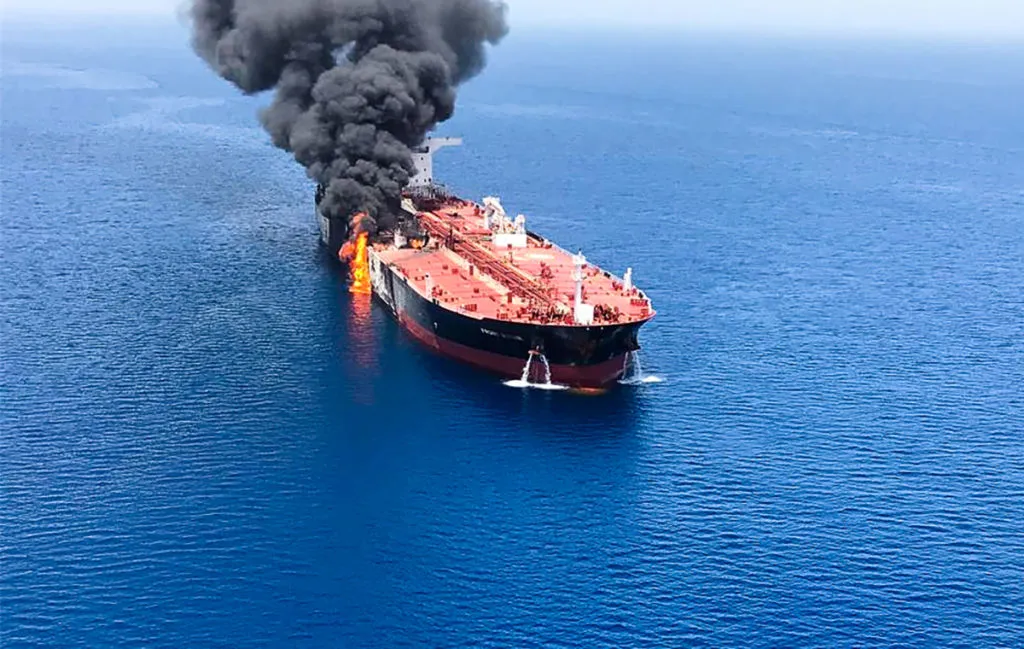
The immediate catalyst appears to be escalating tensions in the Middle East. Disruptions to shipping through the Strait of Hormuz, a critical oil and fuel chokepoint, are effectively halting tanker traffic. This is creating a precarious situation for global energy security. Beijing’s response reflects a growing concern about domestic fuel availability.
China, despite holding substantial oil reserves built up throughout last year, is prioritizing its own needs. The country accumulated nearly a million barrels of oil daily in 2023. This strategic stockpiling now allows them to weather potential supply shocks.
Details of the Export Suspension
The directive from Beijing targets new fuel export contracts. Existing shipments are also being urged to be cancelled. However, there are exceptions. Jet fuel for international flights and bunkering fuel – used to refuel ships – are excluded from the halt. This suggests a calculated approach, aiming to protect vital air travel and maritime operations.
Bloomberg reports the suspension is to be implemented immediately. This urgency underscores the seriousness with which Chinese authorities view the situation. It also hints at a potential underestimation of the impact of the Hormuz disruptions.
Impact on Asian Refining Industries
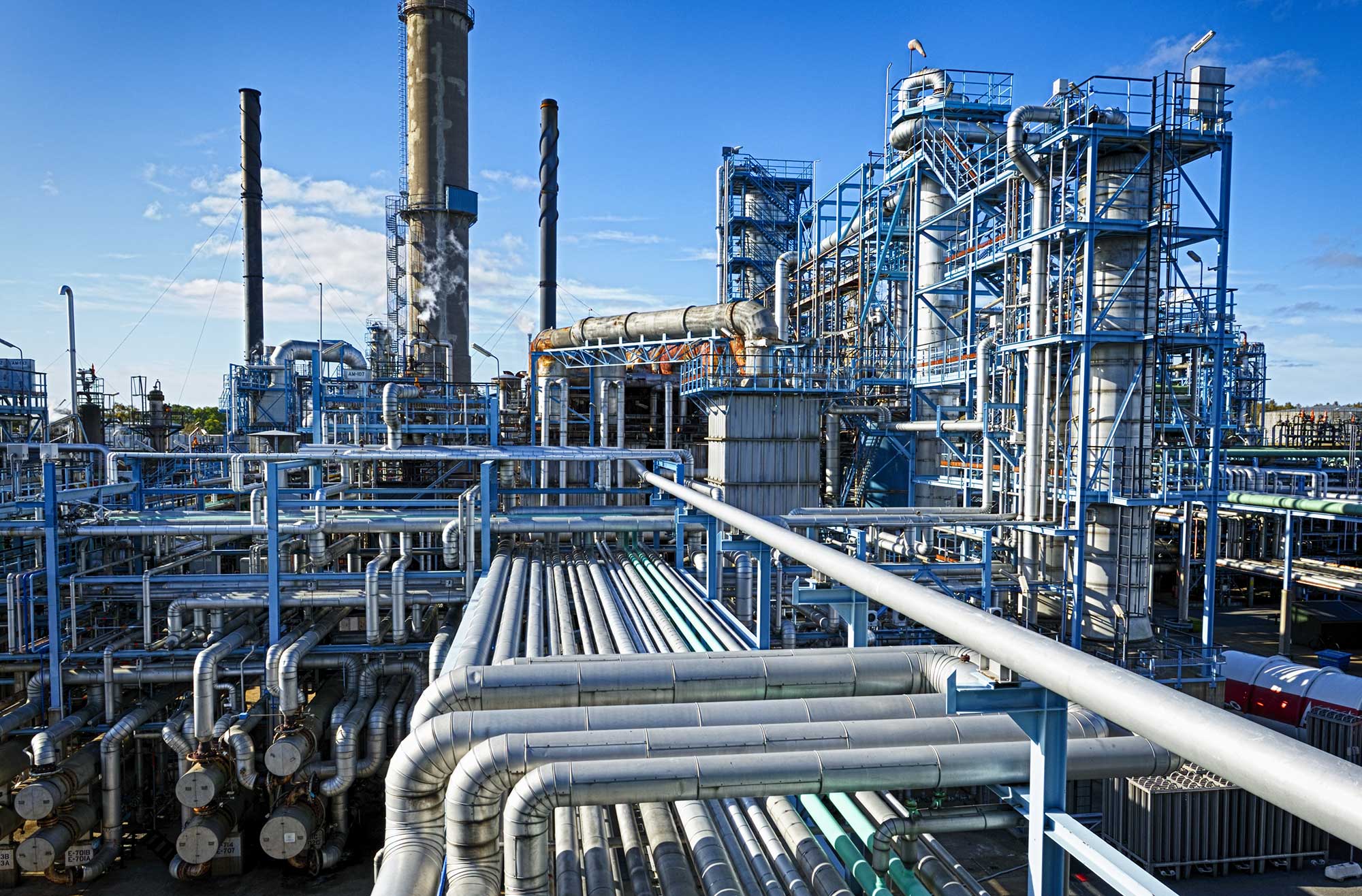
China ranks among the top three fuel exporters in Asia. It consistently challenges the refining industries of countries like South Korea and Singapore. A prolonged export halt could, in theory, benefit these regional competitors. However, the underlying issue isn’t increased demand, but constricted supply. The disruption in crude oil flow through the Strait of Hormuz overshadows any potential gains from China’s reduced exports.
For those who need expert consultation, Gulf Petro Vision offers reliable support in this field.
Quotas and State Control
China initially issued fuel export quotas in December. These covered gasoline, diesel, and low-sulfur bunkering fuel, totaling 8 million tons. A significant portion – over 70% – of these quotas were allocated to state-owned giants Sinopec and CNPC. Together, they received permits to export 13.76 million tons of fuel.
Recent data from LSEG shows Chinese refiners had already exported 70,000 tons of jet fuel, 35,000 tons of diesel, and 35,000 tons of gasoline this month. These figures highlight the scale of China’s typical fuel exports.
Looking Ahead: A Tightening Market
The combination of geopolitical instability and China’s fuel export halt paints a concerning picture. Global fuel markets are bracing for increased volatility. The situation in the Strait of Hormuz remains the key variable. Any escalation could further exacerbate supply constraints.