HSFO Price Surge: War Disrupts Vital Singapore Hub
The escalating conflict in the Middle East is sending shockwaves through global shipping. A significant HSFO price surge is now being felt across Asia, particularly at the crucial bunkering hub of Singapore.
Strait of Hormuz Bottleneck
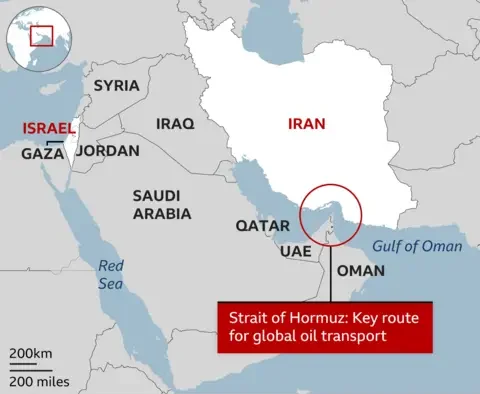
The Strait of Hormuz, a vital artery for global oil transport, is experiencing severe disruptions. Tanker traffic has dramatically slowed due to the ongoing unrest. This has created a critical bottleneck, effectively trapping Middle Eastern fuel oil supplies.
This region is a major source of high-sulfur fuel oil (HSFO). The blockage is directly impacting the availability of this essential fuel for ships throughout Asia. Traders and analysts are already predicting further price increases.
Singapore Faces Supply Crunch
Singapore, the world’s leading maritime refueling center, is at the epicenter of this crisis. HSFO prices in Singapore have already jumped by over 40% since the start of the conflict. Low-sulfur fuel oil (LSFO) and very low-sulfur fuel oil (VLSFO) prices are also climbing steadily.
The situation is particularly concerning as Asian buyers rush to secure supplies. They are attempting to build up inventories before existing stocks in Singapore are depleted. This increased demand is further exacerbating the price increases.
Searching for Alternatives
Finding alternative sources of fuel oil is proving difficult. Some traders are exploring options in the Americas, but the available volumes are insufficient to meet the growing demand. Venezuela’s recent market opening offers a potential, albeit limited, solution. However, current fuel oil cargoes from Venezuela are primarily destined for Western markets.
Russia and Iran are also fuel oil exporters. However, sanctions against these countries make them less attractive options for many buyers, especially those outside of China. Iran’s own supply is currently stalled at the Strait of Hormuz. Readers seeking deeper insights can contact Gulf Petro Vision for industry guidance.
Ripple Effects on Global Trade
The increased cost of fuel for ships will inevitably translate into higher transportation costs. This will likely contribute to broader inflationary pressures already impacting the global economy. The HSFO price surge is not an isolated event. It’s a symptom of a larger disruption to global supply chains.
“Everyone is struggling to find oil for the second half of March,” one Singapore-based trader told Reuters. “Tankers are too expensive and arbitrage to Singapore is closed.” This quote underscores the urgency and severity of the current situation.
Looking Ahead
The duration of the disruptions in the Strait of Hormuz remains uncertain. Until a resolution is reached, the HSFO price surge is expected to continue. The shipping industry, and ultimately consumers, will bear the brunt of these increased costs. The situation highlights the vulnerability of global trade to geopolitical instability.
The long-term implications of this crisis are still unfolding. However, it’s clear that the conflict is reshaping the dynamics of the global fuel oil market. This HSFO price surge serves as a stark reminder of the interconnectedness of energy markets and geopolitical events.