Bitumen Under Pressure: How Middle East Tensions Are Disrupting Global Supply
The global bitumen market is facing unprecedented pressure as escalating tensions in the Middle East disrupt supply chains, drive up prices, and create uncertainty across key industries. As a critical material for road construction and infrastructure development, bitumen plays a vital role in economic growth. However, recent geopolitical developments have exposed the vulnerability of this market like never before.

The Geopolitical Shock Reshaping Energy Markets
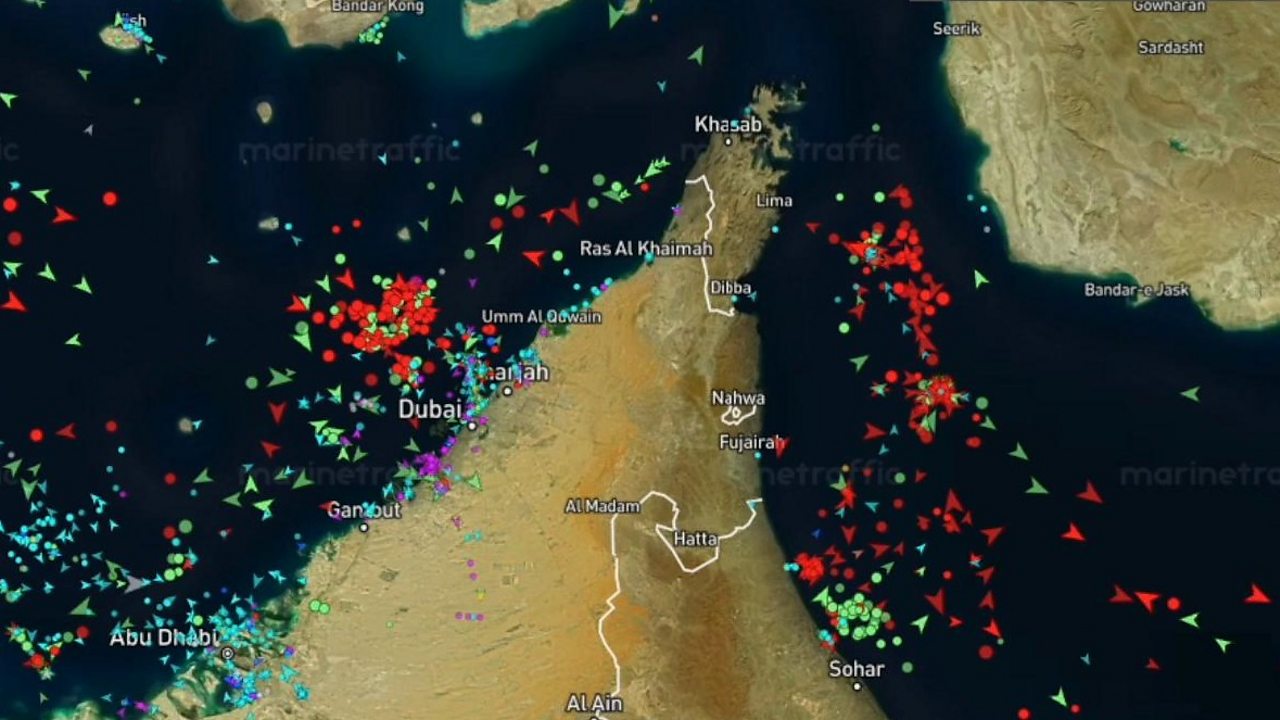
The Middle East has long been the backbone of global energy supply. Today, rising tensions in the region are creating major disruptions, particularly around key transit routes such as the Strait of Hormuz.
A significant portion of the world’s crude oil exports passes through this narrow corridor. Any disruption here has immediate global consequences. Recent developments have led to:
- Reduced oil flows
- Increased shipping risks
- Higher insurance premiums
- Delays in cargo deliveries
These disruptions are not limited to crude oil—they directly impact downstream products like bitumen.
Why Bitumen Supply Is Under Pressure
Bitumen is a byproduct of crude oil refining, meaning its availability depends heavily on refinery operations. When crude supply is disrupted, bitumen production is one of the first areas to be affected.
Key Factors Driving the Shortage:
1. Reduced Refinery Throughput
Refineries are operating below capacity due to limited crude availability. Lower processing rates mean less bitumen output.
2. Shift Toward High-Value Fuels
Refiners are prioritizing diesel and jet fuel production over bitumen. These fuels offer higher margins, especially during periods of global shortage.
3. Export and Logistics Constraints
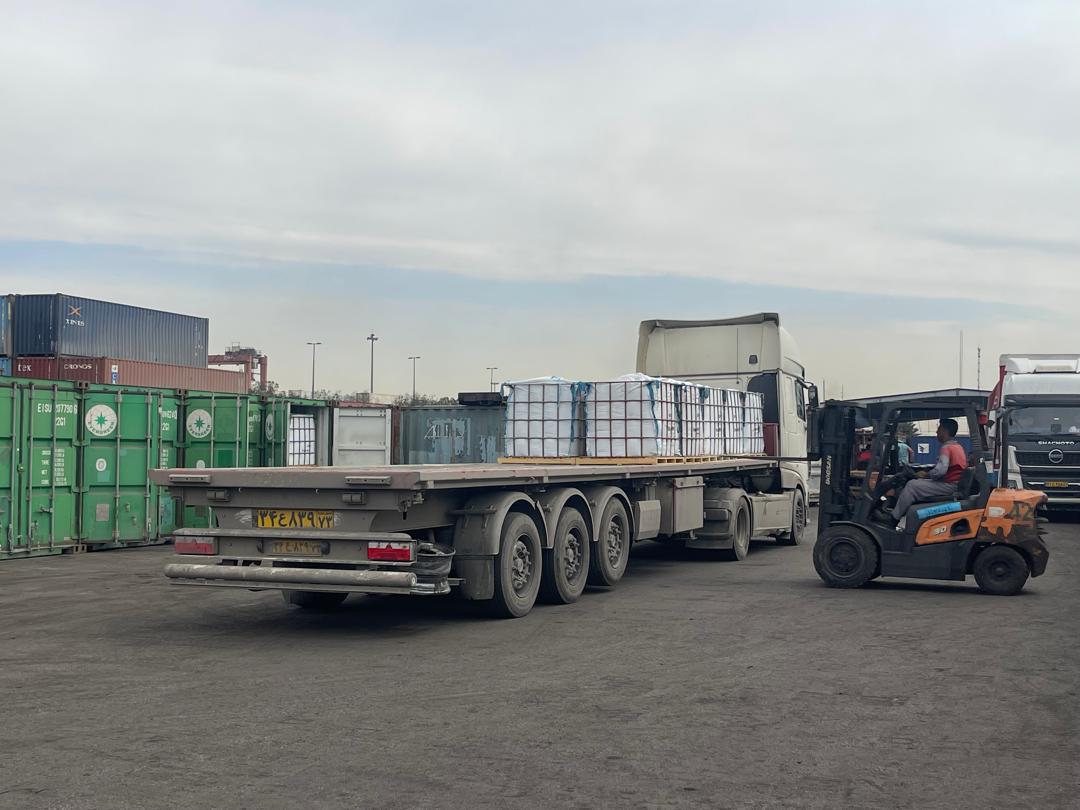
Shipping delays, limited tanker availability, and higher freight costs are slowing down bitumen exports.
The result is a tightening market where supply cannot keep up with demand.

The Diesel Crisis and Its Indirect Impact
One of the most critical drivers behind the bitumen shortage is the global diesel supply crunch. Diesel is essential for transportation, construction, and industrial operations.
How Diesel Shortages Affect Bitumen:
- Refinery Prioritization:
More crude is allocated to diesel production, reducing bitumen output. - Higher Transportation Costs:
Bitumen is transported using diesel-powered trucks and vessels. Rising fuel prices increase logistics costs. - Project Delays:
Construction companies face higher operating costs, slowing infrastructure development.
This indirect relationship makes diesel a key factor in understanding the current bitumen market crisis.

Global Supply Chain Disruptions
The impact of Middle East tensions extends beyond production into the entire supply chain.
Shipping and Freight Challenges
- Tanker routes are being rerouted to avoid high-risk areas
- Freight rates have increased significantly
- War-risk insurance costs have surged
Export Restrictions
Some countries are limiting fuel exports to secure domestic supply, further tightening global availability.
Infrastructure Impact
Across multiple regions:
- Road construction projects are being delayed
- Contractors are facing supply shortages
- Procurement costs are rising rapidly
These challenges highlight the fragility of global supply chains in times of geopolitical instability.

Rising Bitumen Prices: A Global Trend
The supply-demand imbalance has triggered a sharp rise in bitumen prices worldwide.
Main Drivers of Price Increase:
- Higher crude oil prices
- Reduced refinery output
- Increased shipping and insurance costs
- Currency fluctuations in importing countries
In many markets, bitumen prices have increased significantly within a short period. This has forced buyers to:
- Renegotiate contracts
- Delay purchases
- Shift toward alternative suppliers
Price volatility is expected to remain high as long as geopolitical tensions persist.
Regional Impact of the Crisis
Asia: High Dependence, High Risk
Asian countries rely heavily on imports from the Middle East. As supply tightens:
- Prices are rising sharply
- Availability is becoming inconsistent
- Infrastructure projects are slowing down
Europe: Cost Pressures and Inflation
Europe is experiencing:
- Rising fuel and construction costs
- Increased inflationary pressure
- Greater reliance on alternative supply sources
Middle East: Internal Constraints
Despite being a major supplier, the region is facing:
- Infrastructure disruptions
- Reduced export capacity
- Operational challenges

Changing Trade Flows and New Opportunities
The disruption of traditional supply routes is forcing the market to adapt.
Countries like Oman, India, and China are emerging as important players in the evolving bitumen trade landscape.
Key Market Shifts:
- Diversification away from Middle Eastern supply
- Increased regional trade
- Strategic stockpiling by governments
These changes could reshape the global bitumen market in the long term.

Refinery Economics: Fuel vs Bitumen
A major structural issue in the market is the competition between fuel production and bitumen output.
During periods of crisis:
- Refineries prioritize diesel and jet fuel
- Bitumen production becomes secondary
This creates a supply imbalance:
- Strong demand for bitumen (infrastructure needs)
- Limited supply due to refinery priorities
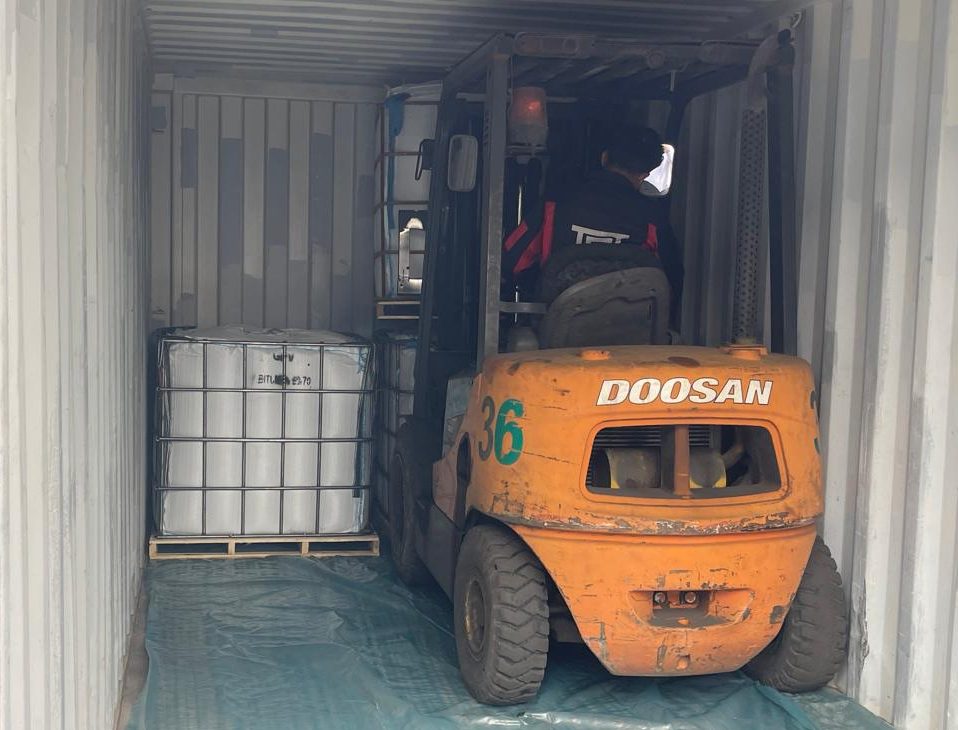
As long as fuel shortages continue, this imbalance will persist.
Economic Impact Beyond the Energy Sector
The bitumen supply crisis is affecting multiple industries and economies worldwide.
Broader Impacts:
- Increased infrastructure costs
- Delayed road and construction projects
- Rising transportation expenses
- Slower economic growth
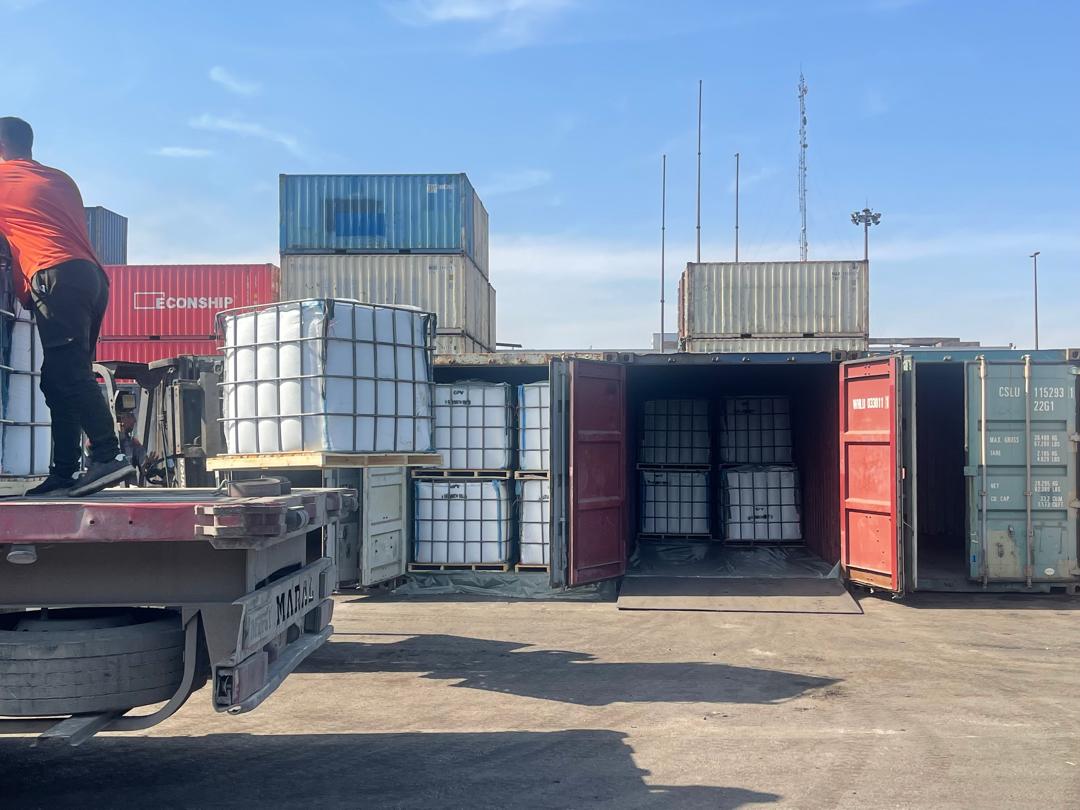
Developing countries are particularly vulnerable, as they depend heavily on stable and affordable bitumen supply for infrastructure development.
Looking Ahead: Market Outlook
The future of the bitumen market depends largely on geopolitical developments in the Middle East.
Possible Scenarios:
1. De-escalation
- Supply chains stabilize
- Prices gradually decline
- Market confidence returns
2. Prolonged Tension
- Continued supply constraints
- Persistent high prices
- Structural shifts in trade
3. Escalation
- Severe global supply shortages
- Significant economic impact
- Long-term disruption of energy markets
At present, the market remains highly volatile, with uncertainty shaping decision-making across the industry.
Strategies for Market Participants
To navigate current challenges, companies should adopt proactive strategies:
✔ Diversify Supply Sources
Reduce reliance on a single region to minimize risk.
✔ Strengthen Logistics Planning
Develop alternative shipping routes and storage solutions.
✔ Monitor Market Trends
Stay informed about geopolitical and economic developments.
✔ Manage Price Risk
Use flexible contracts and pricing strategies to adapt to volatility.

Conclusion
The global bitumen market is under intense pressure as Middle East tensions disrupt supply chains, increase costs, and reshape trade dynamics. What was once a stable supply system is now facing significant uncertainty.
From refinery constraints to shipping disruptions and rising prices, every part of the value chain is affected. This crisis highlights the urgent need for more resilient and diversified supply strategies. As the situation continues to evolve, businesses that adapt quickly and strategically will be better positioned to navigate the challenges ahead.