Iran Conflict and the U.S. Economy: Oil Prices, Inflation, and What Comes Next
Introduction: Why the Iran Conflict Matters for the U.S. Economy
The ongoing Iran conflict is no longer just a geopolitical issue—it is now a growing economic concern for the United States. In recent weeks, rising oil prices, increasing inflation, and higher living costs have started to affect American households and businesses.
Although conflicts in the Middle East may seem distant, their impact on global energy markets quickly reaches the U.S. economy. As oil supply becomes uncertain, prices rise, and those increases spread across transportation, food, and everyday expenses.
This article explores the Iran war impact on U.S. economy, focusing on oil prices, inflation trends, consumer spending, and long-term economic risks.
Rising Oil Prices and Global Energy Disruptions
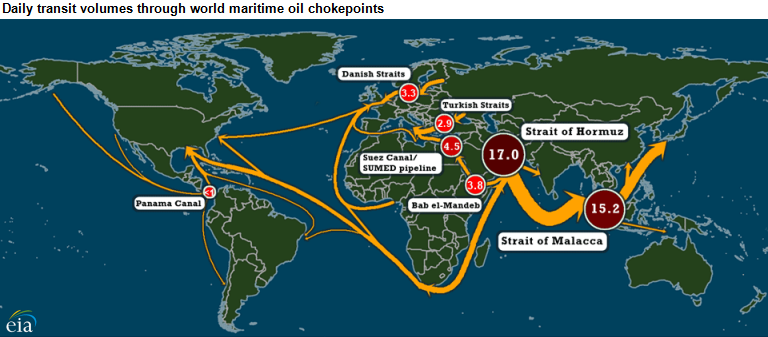
One of the biggest economic effects of the Iran conflict is the sharp increase in oil prices. The disruption of shipping routes, especially through the Strait of Hormuz, has created uncertainty in global energy markets.
This strategic waterway is responsible for transporting a large share of the world’s oil supply. Any disruption immediately affects global prices. As a result, crude oil prices have surged significantly compared to pre-conflict levels.
Higher oil prices affect not only energy companies but also the entire global economy. For the U.S., this means more expensive fuel, higher production costs, and increased pressure on businesses and consumers alike.
Gas Prices in the U.S. Are Climbing
As oil prices rise, gasoline prices in the United States follow quickly. Drivers are now paying over $4 per gallon in many areas, marking a noticeable increase compared to previous months.
For households, this is one of the most visible impacts of the Iran conflict. Fuel is an essential expense, and higher prices reduce disposable income. Families are forced to spend more on transportation, leaving less money for other needs such as entertainment, shopping, and savings.
This shift in spending behavior can have a direct impact on economic growth.
Inflation Is Rising Again
The increase in energy prices is also pushing inflation higher. When fuel costs rise, businesses face higher transportation and production expenses. These costs are often passed on to consumers in the form of higher prices.
Recent data shows that inflation has reached its highest level in nearly two years. Energy remains one of the main drivers behind this trend.
Economists expect inflation to stay elevated throughout 2026, even if oil prices stabilize. This is because supply chains and energy production cannot recover immediately after disruptions.
Persistent inflation reduces purchasing power and creates financial pressure for both households and businesses.

Impact on Consumer Spending and Economic Growth
Consumer spending is a key driver of the U.S. economy. When people spend less, economic growth slows down.
Higher fuel and food costs are forcing many consumers to cut back on non-essential purchases. This includes travel, dining out, and retail spending. As a result, businesses in these sectors may experience lower demand.
Economic forecasts already suggest a slight slowdown in GDP growth compared to previous years. While the economy is still growing, the pace is expected to weaken due to rising costs and reduced consumer confidence.
Travel and Transportation Costs Are Increasing
The travel industry is also feeling the effects of rising oil prices. Airlines are increasing ticket prices and adding extra fees to cover higher fuel costs.
This makes travel more expensive for consumers, especially during peak seasons. Over time, this could reduce demand for flights and impact the tourism industry.
At the same time, higher diesel prices are increasing the cost of shipping goods across the country. Trucks are essential for transporting products, and when fuel costs rise, delivery expenses increase as well.
These higher costs eventually show up in the prices consumers pay.
Food Prices and Supply Chain Pressure
Another important impact of the Iran conflict is on food prices. Agriculture relies heavily on energy, particularly for fertilizer production and transportation.
Fertilizers are often produced using natural gas, and disruptions in energy supply have made them more expensive. Farmers facing higher costs may raise prices to maintain profitability.
Additionally, increased transportation costs make it more expensive to move food from farms to stores. This combination of factors is expected to push grocery prices higher in the coming months.
Uneven Economic Impact Across Income Groups
Not all households are affected equally by rising costs. Higher-income individuals tend to have more financial flexibility and savings, allowing them to absorb increased expenses more easily.
In contrast, middle- and lower-income households are more vulnerable. A larger portion of their income goes toward essentials such as fuel, food, and housing.
As prices rise, these households may be forced to reduce spending significantly, which can further slow economic activity.
Business Challenges and Cost Pressures
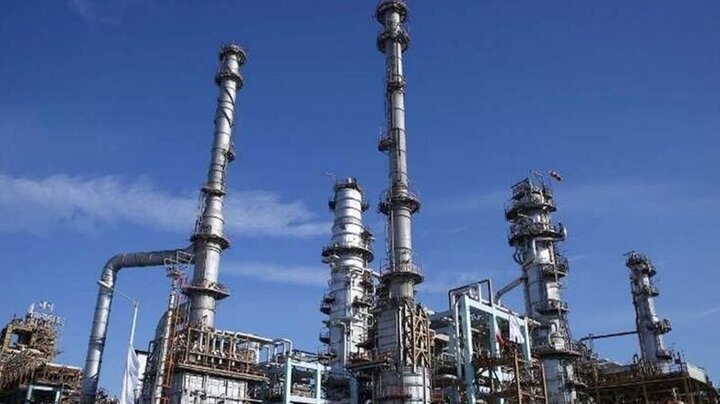
Businesses across various industries are facing increased operational costs. From manufacturing to retail, higher energy prices are raising expenses.
Some companies may try to absorb these costs temporarily, but this approach is not sustainable. Eventually, many businesses will need to increase prices, reduce costs, or adjust their strategies.
This creates additional pressure on the economy and contributes to ongoing inflation.
Long-Term Outlook: Will the Economy Recover Quickly?
The long-term impact of the Iran conflict depends on several factors, including how long the conflict continues and how quickly energy supply stabilizes.
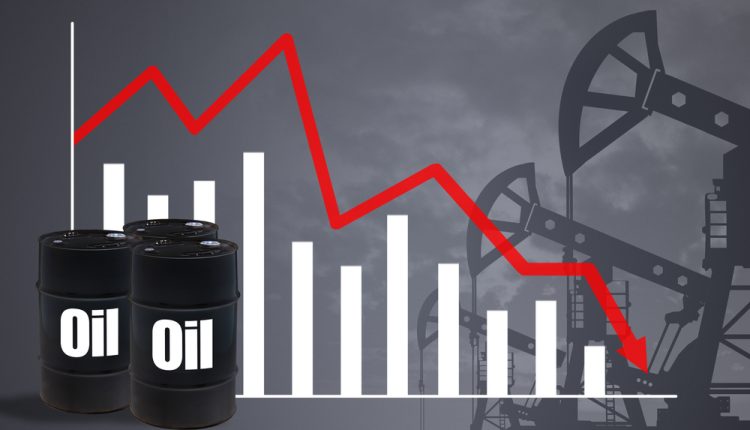
Even if the situation improves, experts believe it will take time for oil production and supply chains to return to normal levels. This means that elevated prices could persist throughout 2026.
Economic recovery is possible, but it will likely be gradual rather than immediate.
Conclusion: A Lasting Economic Impact
The Iran conflict is having a significant impact on the U.S. economy. Rising oil prices, increasing inflation, and higher living costs are affecting consumers and businesses alike.
While some stabilization may occur in the future, the current situation highlights the vulnerability of the global economy to geopolitical events.
For now, both households and businesses must adapt to a period of higher costs and economic uncertainty. The effects of this conflict may continue to shape the U.S. economic landscape for months—or even years—to come.